

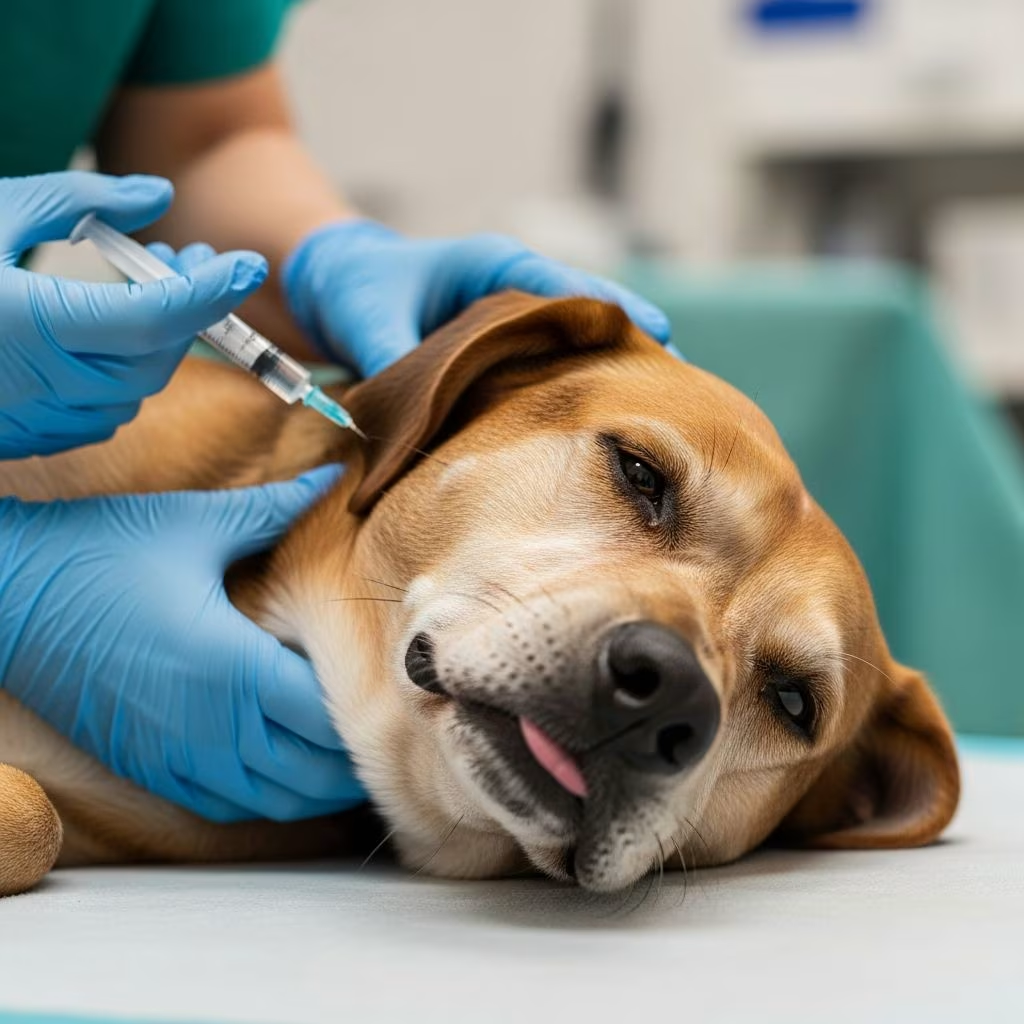
Understanding Anaphylaxis in Dogs
Anaphylaxis is a severe, life-threatening allergic reaction that occurs rapidly in dogs and requires immediate emergency veterinary care. This acute hypersensitivity reaction involves the immune system overreacting to a substance (allergen) that the dog’s body perceives as a threat. Unlike mild allergic reactions that may cause itching or minor swelling, anaphylaxis can progress to anaphylactic shock within minutes, potentially resulting in organ failure or death if left untreated.
Understanding anaphylaxis is crucial for pet owners because early recognition and prompt veterinary intervention can be lifesaving. The condition represents one of the most serious medical emergencies in veterinary medicine, and knowledge of its signs can help you act quickly when your dog needs help most.
What Causes Anaphylaxis in Dogs?
Anaphylaxis develops when a dog is exposed to an allergen that triggers an extreme immune response. Common triggers include medications, insect stings or bites, certain foods, vaccines, contrast dyes used in medical imaging, and environmental substances. The severity of the reaction depends on factors such as the type of allergen, the degree of prior sensitization, and the individual dog’s immune response.
When an allergen enters the dog’s body, mast cells and basophils release large quantities of chemical mediators including histamine, leukotrienes, and prostaglandins. This cascade of chemicals causes widespread inflammation, vascular permeability changes, and smooth muscle contraction throughout the body.
Recognizing the Signs of Anaphylaxis
Anaphylactic reactions typically develop within 20 to 60 minutes of exposure to the allergen, though some reactions can occur within seconds. Recognizing these warning signs is critical:
- Sudden onset of vomiting and diarrhea
- Excessive drooling and salivation
- Facial swelling, particularly around the eyes and muzzle
- Hives or other skin manifestations
- Difficulty breathing or rapid breathing
- Pale or bright red mucous membranes
- Weakness or collapse
- Loss of consciousness
- Seizures in severe cases
- Shock (characterized by drop in blood pressure)
The progression can be remarkably fast, which is why any suspected anaphylactic reaction warrants immediate veterinary attention.
Common Allergens and Risk Factors
While any substance can theoretically trigger anaphylaxis, certain allergens are more commonly implicated. Medications such as penicillin and other antibiotics represent frequent culprits, as do insect stings, particularly from bees and wasps. Food allergens, though less common than environmental allergies, can occasionally trigger severe reactions. Vaccines, while generally safe, may rarely cause anaphylaxis in sensitized individuals. Additionally, some dogs develop reactions to contrast agents used during diagnostic imaging procedures.
Dogs with a history of previous allergic reactions carry higher risk for severe anaphylaxis. Breed predisposition also plays a role, with some breeds showing greater susceptibility to developing severe allergic reactions.
Diagnosis of Anaphylaxis
Diagnosis is primarily clinical, based on the rapid onset of characteristic symptoms following known allergen exposure. In emergency situations, veterinarians prioritize treatment over diagnostic confirmation because anaphylactic shock can progress rapidly and require immediate intervention. However, certain diagnostic tests may support the diagnosis, including measurement of serum tryptase levels (elevated in mast cell activation) and blood work to assess organ function and shock severity.
The key to diagnosis is maintaining a high index of suspicion when a dog presents with the constellation of symptoms typical of anaphylaxis, particularly if exposure to a known allergen has occurred.
Emergency Treatment of Anaphylaxis
Treatment of anaphylaxis focuses on rapid stabilization and reversing the shock state. The primary objectives are to restore breathing, maintain blood pressure, and counteract the massive immune cascade.
Immediate Life Support Measures
Upon arrival at the emergency clinic, the veterinarian will first ensure the dog can breathe adequately. This may involve administering supplemental oxygen or, in severe cases with significant airway swelling, placing an endotracheal breathing tube (intubation) or performing a tracheostomy to bypass the swollen airway. Mechanical ventilation may be necessary for dogs with severe respiratory compromise, pulmonary edema, or bronchoconstriction.
Epinephrine Administration
Epinephrine is the most critical medication for treating anaphylaxis and should be administered as soon as possible. This drug constricts blood vessels, leading to increased blood pressure and improved circulation. It simultaneously reduces swelling around the upper airway, increases cardiac output, and dilates the bronchi to improve breathing. Epinephrine also inhibits further mast cell degranulation, preventing additional release of inflammatory chemicals.
The typical initial dose is 0.01 mg/kg of a 1:1000 (1 mg/ml) solution administered intramuscularly. For dogs already showing signs of shock, intravenous administration is preferred because intramuscular absorption becomes unpredictable when circulation is compromised. In severe cases, epinephrine may be repeated every 15 minutes as necessary, or a continuous intravenous infusion may be established.
Fluid Therapy
Intravenous fluid administration is essential to maintain blood volume and blood pressure during anaphylactic shock. Large-bore intravenous catheters are placed to allow rapid fluid delivery. Aggressive fluid therapy guided by cardiovascular parameters helps restore perfusion to vital organs. In severe cases where standard fluid therapy and epinephrine prove insufficient, blood transfusions including fresh frozen plasma, red blood cells, or fresh whole blood may be necessary.
Corticosteroids and Antihistamines
Corticosteroids, particularly dexamethasone, are administered to reduce the immune response and prevent late-phase reactions. Although benefits may not be apparent for 4 to 6 hours, these medications help block the arachidonic acid cascade and reduce inflammation. Both H1 and H2 antihistamines are used in combination for enhanced effectiveness. Common antihistamines include diphenhydramine (H1 antagonist) and ranitidine or famotidine (H2 antagonists).
Bronchodilators
If bronchoconstriction persists despite epinephrine administration, bronchodilators such as aminophylline or inhaled albuterol may be employed to further open the airways and improve oxygen delivery.
Supportive Care
Additional supportive measures include continuous cardiac monitoring to detect arrhythmias, monitoring of organ function through blood work, and correction of any metabolic abnormalities. Gastrointestinal support via nasogastric feeding tubes may be necessary during the recovery period. Dogs typically require hospitalization for 48 to 72 hours following anaphylaxis, as organs can deteriorate rapidly even after initial stabilization.
Why Home Treatment Is Insufficient
While antihistamines available over-the-counter might seem like a logical first-aid measure, they are completely ineffective for treating anaphylaxis. These medications cannot counteract the massive cascade of internal chemicals that occur during anaphylactic shock. Only epinephrine administered intravenously or intramuscularly can address the fundamental pathophysiology of anaphylaxis. This is why emergency veterinary care is absolutely non-negotiable for any suspected anaphylactic reaction.
Prevention and Long-term Management
Once a dog has experienced anaphylaxis, preventing future reactions becomes paramount. This involves identifying the offending allergen and implementing strict avoidance protocols. For dogs with documented drug allergies, this information must be prominently noted in their medical records to prevent accidental re-exposure during future treatments.
For dogs with environmental or food allergies that have triggered anaphylaxis, allergen-specific immunotherapy may be considered. This treatment involves administering gradually increasing doses of the offending allergen through injections over an extended period. This approach is effective in approximately 60% of dogs and can desensitize the immune system to the problematic substance.
Some veterinarians may provide pet owners with pre-filled epinephrine syringes for dogs at high risk of recurrent anaphylaxis, allowing for immediate administration if exposure occurs before reaching the clinic. However, the relatively short shelf life (3-4 months) of pre-filled syringes requires regular replacement.
When to Seek Emergency Care
Any dog showing signs suggestive of anaphylaxis requires immediate emergency veterinary evaluation. Do not wait to see if symptoms resolve on their own or attempt home remedies. Anaphylactic shock can progress to organ failure and death within minutes, making speed of treatment absolutely critical. Call your emergency veterinary clinic immediately if your dog develops sudden facial swelling, difficulty breathing, vomiting, diarrhea, or collapse following potential allergen exposure.
Frequently Asked Questions
Q: How quickly does anaphylaxis develop in dogs?
A: Anaphylactic reactions typically develop within 20 to 60 minutes of allergen exposure, though some can occur within seconds. This rapid onset is why immediate veterinary care is essential when symptoms appear.
Q: Can anaphylaxis in dogs be treated at home?
A: No. There is no effective home treatment for anaphylaxis. Over-the-counter antihistamines cannot counteract the severe systemic reactions occurring during anaphylactic shock. Only intravenous or intramuscular epinephrine administered by a veterinarian can effectively treat this emergency.
Q: What is the survival rate for dogs with anaphylaxis?
A: Survival depends heavily on how quickly treatment is initiated. Dogs receiving prompt emergency veterinary care have significantly better outcomes, but anaphylactic shock can be fatal without treatment. This underscores the importance of seeking immediate veterinary assistance at the first sign of anaphylaxis.
Q: Can a dog have anaphylaxis from vaccines?
A: Yes, though rare, vaccines can trigger anaphylactic reactions in sensitized dogs. If a dog has experienced an anaphylactic reaction to a vaccine, future vaccinations require careful consideration and may involve pre-medication with antihistamines and corticosteroids.
Q: How long must a dog be hospitalized after anaphylaxis?
A: Dogs experiencing anaphylaxis should be hospitalized for 48 to 72 hours following the acute episode. Extended monitoring is necessary because organs can still deteriorate rapidly even after initial stabilization with treatment.
Q: Will my dog have another anaphylactic reaction?
A: If your dog is re-exposed to the same allergen, there is significant risk of another reaction. This is why identifying and avoiding the specific allergen is crucial. Some dogs may benefit from allergen-specific immunotherapy to reduce sensitivity over time.
References
- Anaphylaxis in Dogs: Signs, Causes, and Treatment — American Kennel Club (AKC). 2024. https://www.akc.org/expert-advice/health/anaphylaxis-in-dogs/
- Disorders Involving Anaphylactic Reactions (Type I Reactions, Atopy in Dogs) — Merck Veterinary Manual. 2024. https://www.merckvetmanual.com/dog-owners/immune-disorders-of-dogs/disorders-involving-anaphylactic-reactions-type-i-reactions-atopy-in-dogs
- Anaphylaxis in Dogs and Cats — MSPCA-Angell. 2024. https://www.mspca.org/angell_services/anaphylaxis-in-dogs-and-cats/
- Anaphylaxis in Dogs — PetMD. 2024. https://www.petmd.com/dog/conditions/respiratory/c_multi_anaphylaxis
- Anaphylaxis in Dogs and Cats: Signs, Diagnosis, and Treatment — Animal Emergency Australia. 2024. https://animalemergencyaustralia.com.au/blog/anaphylaxis-in-dogs-and-cats/
- Navigating Canine Anaphylaxis — DVM360. 2024. https://www.dvm360.com/view/navigating-canine-anaphylaxis
- Anaphylactic Shock: How to Effectively Diagnose and Treat — Today’s Veterinary Practice. 2024. https://todaysveterinarypractice.com/emergency-medicine-critical-care/anaphylactic-shock-effectively-diagnose-treat/



