

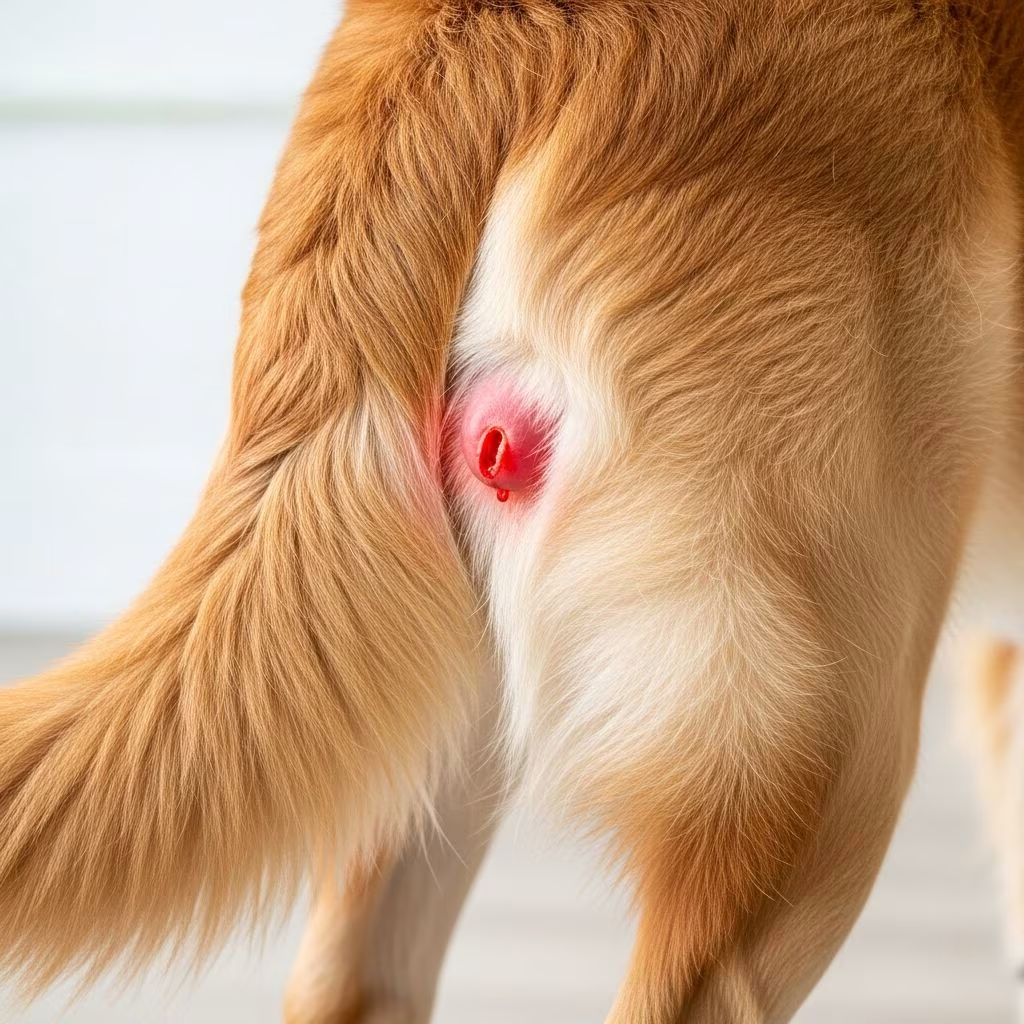
Anal sacculitis is an inflammation of the anal sacs, small glands located near a pet’s anus that can cause significant discomfort if not managed properly. Primarily affecting dogs but also seen in cats, this condition often stems from impaction, infection, or underlying health issues, leading to behaviors like scooting or excessive licking.
What Are Anal Sacs and Their Role?
Anal sacs, also called anal glands, are paired structures positioned at the 4 and 8 o’clock positions around the anus. They produce a thick, odorous secretion that pets use for scent marking during defecation. Normally, firm stools press against these sacs, expressing the fluid naturally. When this fails, buildup occurs, potentially leading to inflammation known as sacculitis.
- Sacs empty during bowel movements via hydraulic pressure from stool.
- Secretion is oily and pungent, aiding territorial communication.
- Dysfunction results in liquid leakage, impaction, or infection.
In healthy pets, these glands remain unobtrusive. Issues arise when soft stools, diarrhea, or anatomical factors prevent proper emptying.
Common Causes Behind Anal Sac Problems
Several factors contribute to anal sacculitis. Poor stool consistency is a primary culprit; loose feces fail to compress the sacs adequately. Allergies, particularly atopic dermatitis, correlate strongly with recurrent cases, affecting up to 36% of patients in some studies.
Other contributors include:
- Obesity: Excess weight alters perianal anatomy, hindering expression.
- Breed predisposition: Small breeds like Chihuahuas and Dachshunds face higher risks due to sac positioning.
- Dietary factors: Low-fiber meals produce soft stools, exacerbating impaction.
- Secondary infections: Bacterial overgrowth in stagnant fluid leads to abscesses.
Research indicates no definitive links to diet changes or other skin diseases yet, but allergies remain a key focus for prevention.
Recognizing the Signs in Your Pet
Pet owners often notice behavioral changes first. Dogs may drag their rear along carpets (scooting), lick the anal area excessively, or show blood-tinged stools from irritation.
| Symptom | Description | Severity Level |
|---|---|---|
| Scooting | Rubbing anus on surfaces to relieve fullness | Mild to moderate |
| Excessive licking | Constant attention to rear end | Mild |
| Foul odor/leakage | Fishy smell on fur or bedding | Moderate |
| Pain on defecation | Straining, yelping, or tail tucking | Severe |
| Swelling or abscess | Visible lump, rupture with pus | Severe |
Some pets show no outward signs, with issues detected only during routine exams. Early detection prevents progression to abscesses.
How Vets Diagnose Anal Sacculitis
Diagnosis starts with a physical exam, including digital rectal palpation to assess sac fullness, consistency, and discharge. Vets express the sacs manually to evaluate contents: normal is pasty and brown; problematic is watery, bloody, or pus-like.
Additional steps may include:
- Cytology or culture of fluid for bacterial/fungal identification.
- Skin scrapes or allergy testing if recurrent.
- Imaging like ultrasound for abscesses or masses.
Differentiating from neoplasia is crucial, as tumors mimic inflammation.
Effective Treatment Strategies
Treatment varies by severity. Mild impactions respond to manual expression, while infections require more intervention. Localized therapies are gaining favor over systemic antibiotics to curb resistance.
Step-by-Step Localized Flushing Protocol
A proven method involves sedation for comfort:
- Express sac contents digitally.
- Insert lubricated catheter into duct.
- Flush with saline until clear.
- Infuse otic suspension (antibiotic, antifungal, steroid) until full.
- Repeat every 2 weeks until resolved, averaging 2-3 sessions.
Studies show 73% success with this in primary care, 72.7% in referrals. No failures when protocol followed consistently.
Supportive Care Options
- Warm compresses: 15-20 minutes every 8-12 hours for abscesses.
- Pain relief: NSAIDs or analgesics.
- Antibiotics: Oral for ruptured abscesses, but questionably effective systemically.
- E-collar: Prevents licking post-procedure.
For allergies, manage with hypoallergenic diets or meds.
Preventing Recurrence Long-Term
Address root causes for lasting relief. High-fiber diets firm stools, promoting natural expression. Weight management and allergy control reduce episodes.
- Add pumpkin or fiber supplements.
- Regular vet check-ups for expression.
- Monitor stool quality daily.
Recurrence drops significantly when underlying issues like dermatitis are treated.
When Surgery Becomes Necessary
Anal sacculectomy is rare, reserved for refractory cases or neoplasia. Only 5% in one study needed it after inconsistent medical therapy. Risks include incontinence, so exhaust medical options first.
Anal Sacculitis in Cats: Key Differences
Less common in cats, but symptoms mirror dogs: scooting, odor. Treatment mirrors canines but cats tolerate expression less. Flushing under sedation preferred; fiber aids prevention.
FAQs
Why is my dog scooting its butt?
Scooting indicates anal sac irritation, impaction, or infection. Vet expression often resolves it.
Can I express my pet’s anal sacs at home?
Not recommended without training; improper technique risks injury. Leave to professionals.
How long does treatment take?
Acute cases resolve in 1-3 flushes; chronic may need months with allergy management.
Is anal sacculitis painful?
Yes, causing discomfort, straining, and reluctance to defecate.
Does diet help prevent it?
Yes, fiber-rich diets firm stools for better emptying.
Monitoring Your Pet’s Progress
Post-treatment, watch for resolved symptoms and normal stools. Rechecks at 5-7 days ensure healing. Consistent care prevents cycles.
References
- Canine Anal Sacculitis: A Brief Review — Today’s Veterinary Practice. 2023. https://todaysveterinarypractice.com/dermatology/canine-anal-sacculitis/
- Local treatment for canine anal sacculitis: A retrospective study of 33 cases — PubMed. 2022-07-20. https://pubmed.ncbi.nlm.nih.gov/35866443/
- Anal Sac Disease in Dogs — VCA Animal Hospitals. 2024. https://vcahospitals.com/know-your-pet/anal-sac-disease-in-dogs
- Anal Sacculitis in Dogs & Cats — Embrace Pet Insurance. 2023. https://www.embracepetinsurance.com/health/anal-sacculitis
- Non-Neoplastic Anal Sac Disease — MSPCA-Angell. 2022. https://www.mspca.org/angell_services/non-neoplastic-anal-sac-disease-how-to-help-patients-who-scoot-lick-leak-or-smell/
- Anal Sac Disease in Dogs: Symptoms, Treatments — WebMD. 2023. https://www.webmd.com/pets/dogs/anal-sac-disease-dogs
- Treating an anal gland abscess in a dog — VETgirl Veterinary CE Blog. 2021. https://vetgirlontherun.com/treating-anal-gland-abscess-dog-vetgirl-veterinary-ce-blog/
- Anal Sac Disease in Dogs and Cats — Merck Veterinary Manual. 2024. https://www.merckvetmanual.com/digestive-system/diseases-of-the-rectum-and-anus/anal-sac-disease-in-dogs-and-cats



