

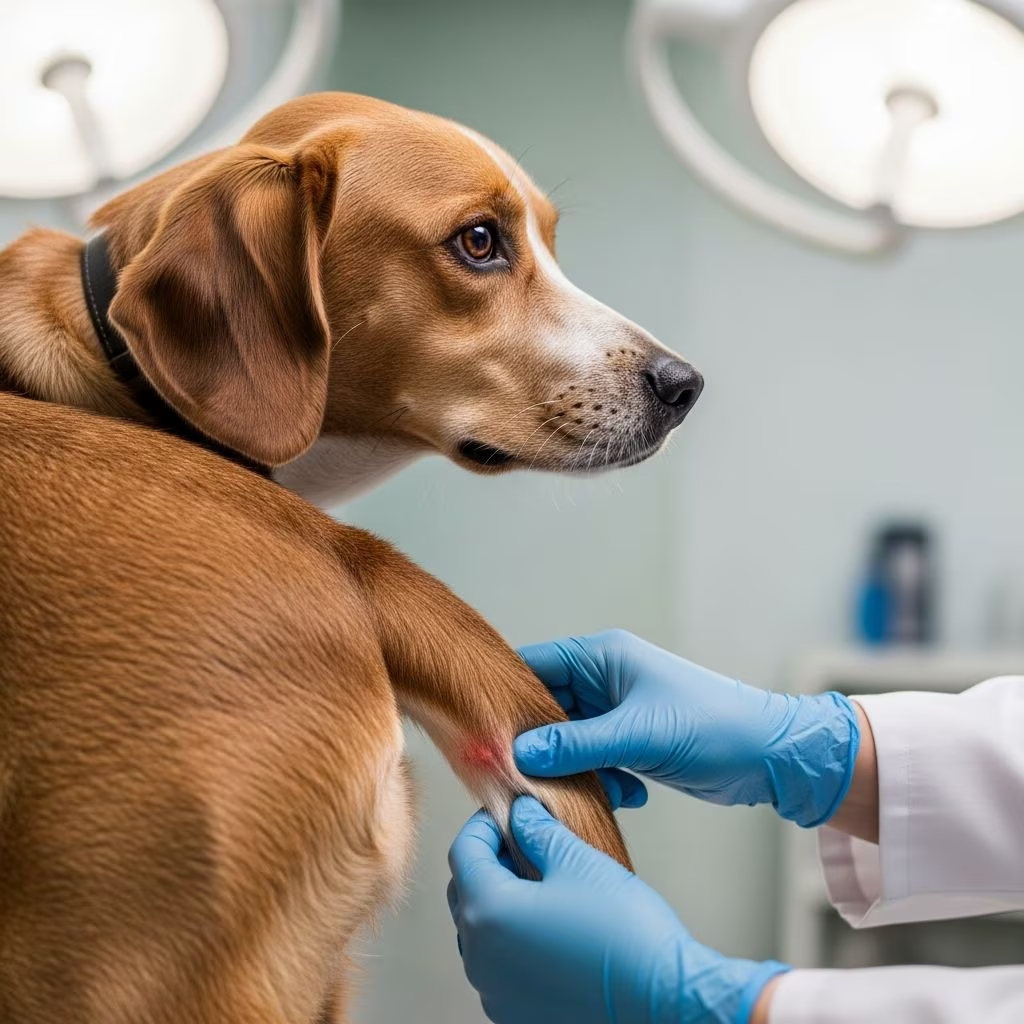
Understanding Anal Sac Disease in Dogs
Anal sac disease is a common condition affecting dogs of all ages and breeds. The anal sacs are small pouches located on either side of a dog’s anus that contain scent gland secretions. These glands typically empty naturally during bowel movements, but when they fail to drain properly, the buildup of material can lead to discomfort, pain, and various complications. Understanding this condition is essential for dog owners, as early recognition and treatment can prevent serious complications and significantly improve your pet’s quality of life.
The anal sacs serve an important biological function in dogs, secreting fluids that help dogs communicate with one another through scent marking. However, when these glands malfunction, they become a source of significant distress. Dogs with anal sac disease may experience ranging from mild discomfort to severe pain, depending on the severity and progression of the condition.
Recognizing the Signs of Anal Sac Disease
Identifying anal sac disease early is crucial for preventing complications. Pet owners should watch for several key warning signs that may indicate their dog is experiencing anal sac problems.
Primary Symptoms to Watch For
The most common and often first sign of anal sac disease is scooting or dragging the rear end along the ground. Many dog owners notice their pets performing this characteristic behavior on carpets, grass, or other surfaces. This is the dog’s attempt to relieve the discomfort caused by full or irritated anal sacs.
Beyond scooting, affected dogs often display excessive licking or biting, though notably this often occurs at the base of the tail rather than directly on the anal area. This indirect licking behavior is a common manifestation of anal sac discomfort. Dogs may also exhibit signs of pain when their tail or anus is touched, and even normally gentle dogs may snap or growl in response to contact in these sensitive areas.
In more severe cases, you may notice visible discharge from the anal area. If an anal sac has ruptured, blood or pus may drain from the area, creating visible staining on bedding, furniture, or your dog’s fur. This is a serious sign requiring immediate veterinary attention.
Associated Behavioral Changes
Dogs experiencing anal sac disease often exhibit behavioral changes reflecting their discomfort. They may become irritable, restless, or display signs of anxiety. Some dogs may have difficulty sitting comfortably or may shift their weight frequently. In severe cases, dogs may seem fearful or aggressive when the affected area is touched, as anal sac disease is very painful despite appearing as a minor issue to the untrained eye.
Understanding the Types of Anal Sac Disease
Anal sac disease manifests in several distinct forms, each requiring specific attention and treatment approaches.
Anal Sac Impaction
Impaction occurs when the anal sac contents become too thick or dry to be expressed naturally during bowel movements. The material accumulates within the sacs, creating pressure and discomfort. Impacted anal sacs produce an ideal breeding ground for bacterial growth, as the stagnant material provides conditions for microbial colonization.
Anal Sacculitis and Infection
When bacteria enter the impacted anal sacs, usually traveling from fecal material, sacculitis develops. This inflammatory condition involves bacterial infection within the sacs, causing increased pain, swelling, and discharge. The infection can cause the sac walls to become inflamed and irritated, further exacerbating the dog’s discomfort.
Anal Sac Abscessation
If infection goes untreated, an abscess may develop—a pocket of accumulated pus that can become swollen, red, and extremely painful. Anal gland abscesses can be seen as swollen, tender areas on both sides of the dog’s anus. If abscesses rupture, they release greenish-yellow or bloody fluid, indicating a serious infection that requires immediate veterinary care. Untreated abscesses can spread infection and cause severe damage to the rectum or anus.
Diagnostic Procedures for Anal Sac Disease
Proper diagnosis is essential for effective treatment. Your veterinarian will perform a complete physical examination, which typically includes a digital rectal exam to assess the anal sacs. This hands-on evaluation allows the veterinarian to feel the anal sacs, determine their fullness, assess for pain or rupture, and identify any abnormalities.
In some cases, additional testing may be necessary. Bacterial culture and sensitivity testing can identify the specific bacteria causing infection, helping guide antibiotic selection. This is particularly important for recurrent or persistent infections where targeted antimicrobial therapy may be more effective than broad-spectrum antibiotics.
Treatment Options for Anal Sac Disease
Treatment approaches vary depending on the specific type and severity of anal sac disease. Your veterinarian will recommend the most appropriate course of action for your dog’s individual situation.
Manual Expression and Flushing
The most common and least invasive treatment involves manual anal gland expression. This procedure involves inserting a finger into the dog’s rectum and gently milking the gland’s contents outward. For impacted sacs, the veterinarian may also flush out solidified material with saline solution until all contents are removed.
This treatment can be uncomfortable or painful for dogs, so sedation may be necessary to ensure the procedure is performed safely and thoroughly. Following expression, the veterinarian may infuse the anal sacs with anti-inflammatory and antibiotic medication to address inflammation and prevent bacterial infection. This procedure can typically be performed by a veterinarian, veterinary technician, or in some cases, experienced dog groomers.
Antibiotic and Anti-inflammatory Therapy
For cases involving infection, oral antibiotics are prescribed to eliminate bacterial pathogens causing the problem. Common antibiotics used include amoxicillin-clavulanate (Clavamox) and other broad-spectrum options selected based on bacterial culture results when available. Pain relief medications, such as carprofen (an NSAID), help manage discomfort and reduce inflammation.
Warm compresses applied to the affected area provide additional pain relief and promote healing. Most dogs respond well to this comprehensive approach combining expression, antibiotics, and pain management.
Dietary Modifications
For dogs experiencing recurrent impaction, dietary changes can be highly effective. Adding fiber to the diet increases the bulk and firmness of stool, which creates more pressure on the anal sacs during bowel movements, promoting natural emptying. Fiber supplements or higher-fiber dog foods may be recommended as a preventive measure for dogs with chronic impaction issues.
Supplemental Support
Some veterinarians recommend supplements such as fish oil, which may help with overall anal gland health and reduce inflammation. These supportive measures work best when combined with other treatments and lifestyle modifications.
Local Treatment Alternatives
Localized treatment with antibiotic, antifungal, and glucocorticoid ointments infused directly into the anal sac has become increasingly popular as an effective alternative to systemic antibiotic therapy. This targeted approach delivers medication directly where needed while minimizing systemic medication exposure.
Managing Rupture and Severe Cases
When an anal sac ruptures, releasing blood or pus, the area requires careful management. If your dog is licking the area excessively, a cone collar (Elizabethan collar) should be worn to prevent further trauma and promote healing. The area should be gently cleaned regularly until it heals completely. Your veterinarian may recommend warm compresses several times daily to support healing and provide pain relief.
Severe infections may require more intensive treatment protocols and close veterinary monitoring to ensure proper healing and prevent complications.
Surgical Intervention: Anal Sacculectomy
For dogs experiencing recurrent anal sac problems unresponsive to medical management, surgical removal of the anal sacs (anal sacculectomy) may be recommended. If your dog has multiple episodes of anal sac disease and recommended treatments do not relieve the problem, this surgical option provides long-term relief.
Post-Surgical Considerations
While anal sacculectomy can resolve chronic anal sac disease, it is important to understand potential complications. Some dogs experience loose stools or a lack of bowel control for one to three weeks following surgery. This occurs because the nerves controlling the anal sphincters (muscles that close the rectum) run through the soft tissues near the anal sacs. Careful surgical technique minimizes nerve damage, but it cannot always be avoided entirely.
In most cases, this nerve-related incontinence resolves without additional treatment. However, if the infection was deep and extensive, it may be impossible to avoid damaging these nerves during surgery. In rare cases, nerve damage is permanent, resulting in chronic fecal incontinence. Your veterinarian will discuss these risks thoroughly before recommending surgery and will help you weigh the benefits against potential complications.
Prevention Strategies
While not all anal sac disease can be prevented, several strategies may reduce the risk or frequency of occurrence. Maintaining a healthy diet with appropriate fiber content supports normal bowel movements and anal sac function. Regular exercise promotes digestive health and normal defecation patterns. Keeping your dog at a healthy weight reduces stress on the digestive system and anal structures.
For dogs with known allergies, addressing allergic conditions may help prevent recurrent anal sac problems, as allergies can contribute to anal gland dysfunction. Regular veterinary check-ups allow early detection of developing problems before they become severe.
When to Seek Veterinary Care
Contact your veterinarian if you notice any signs of anal sac problems. Never attempt to treat anal gland problems yourself at home. While some pet owners may be tempted to express anal glands independently, improper technique can cause injury, pain, or introduction of infection.
Seek immediate care if you observe severe swelling, pus discharge with a strong fishy odor, intense pain, or if your dog cannot sit comfortably. These signs indicate a serious infection or abscess requiring prompt professional intervention.
Frequently Asked Questions
Q: Can I express my dog’s anal glands at home?
A: It is not recommended to express your dog’s anal glands at home unless specifically trained to do so by a veterinarian. Improper technique can cause injury, pain, or introduce infection. Let veterinary professionals or trained technicians handle this procedure.
Q: How often do anal sacs need to be expressed?
A: For healthy dogs without problems, anal sacs should express naturally during normal bowel movements. Manual expression is only necessary when the dog is experiencing impaction or recurrent problems, as determined by your veterinarian.
Q: Is anal sac disease serious?
A: While anal sac disease itself is not life-threatening in most cases, untreated disease can lead to serious complications including abscess rupture, deep infection, and permanent damage. Early treatment prevents progression to more severe forms.
Q: What causes anal sac disease?
A: Causes include impaired sphincter function, abnormal anal sac secretion consistency, dietary factors, allergies, obesity, and previous anal sac problems. Some dogs are predisposed to recurrent issues.
Q: Are certain breeds more prone to anal sac disease?
A: Small dog breeds appear to have higher incidence rates, though anal sac disease can affect dogs of any breed or size. Dogs with food allergies or skin conditions may be at increased risk.
Q: Will surgery permanently solve anal sac problems?
A: Surgical removal of anal sacs eliminates the problem source, but complications like fecal incontinence may occur. Most dogs recover well, though permanent incontinence is possible in rare cases.
Q: How long does recovery take after anal sac surgery?
A: Most dogs recover within 1-3 weeks. Temporary loose stools are common during this period. Full healing typically occurs within 4-6 weeks with proper care and activity restriction.
References
- Anal Sac Disease in Dogs and Cats — Merck Veterinary Manual. 2025. https://www.merckvetmanual.com/digestive-system/diseases-of-the-rectum-and-anus/anal-sac-disease-in-dogs-and-cats
- Anal Sac Disease in Dogs — VCA Animal Hospitals. https://vcahospitals.com/know-your-pet/anal-sac-disease-in-dogs
- Canine Anal Sacculitis: A Brief Review — Today’s Veterinary Practice. 2024. https://todaysveterinarypractice.com/dermatology/canine-anal-sacculitis/
- Dog Anal Glands: Common Problems, Treatment, and Prevention — PetMD. https://www.petmd.com/dog/general-health/dog-anal-glands
- Anal Sac Disease in Dogs: Symptoms, Treatments — WebMD Pets. https://www.webmd.com/pets/dogs/anal-sac-disease-dogs



