

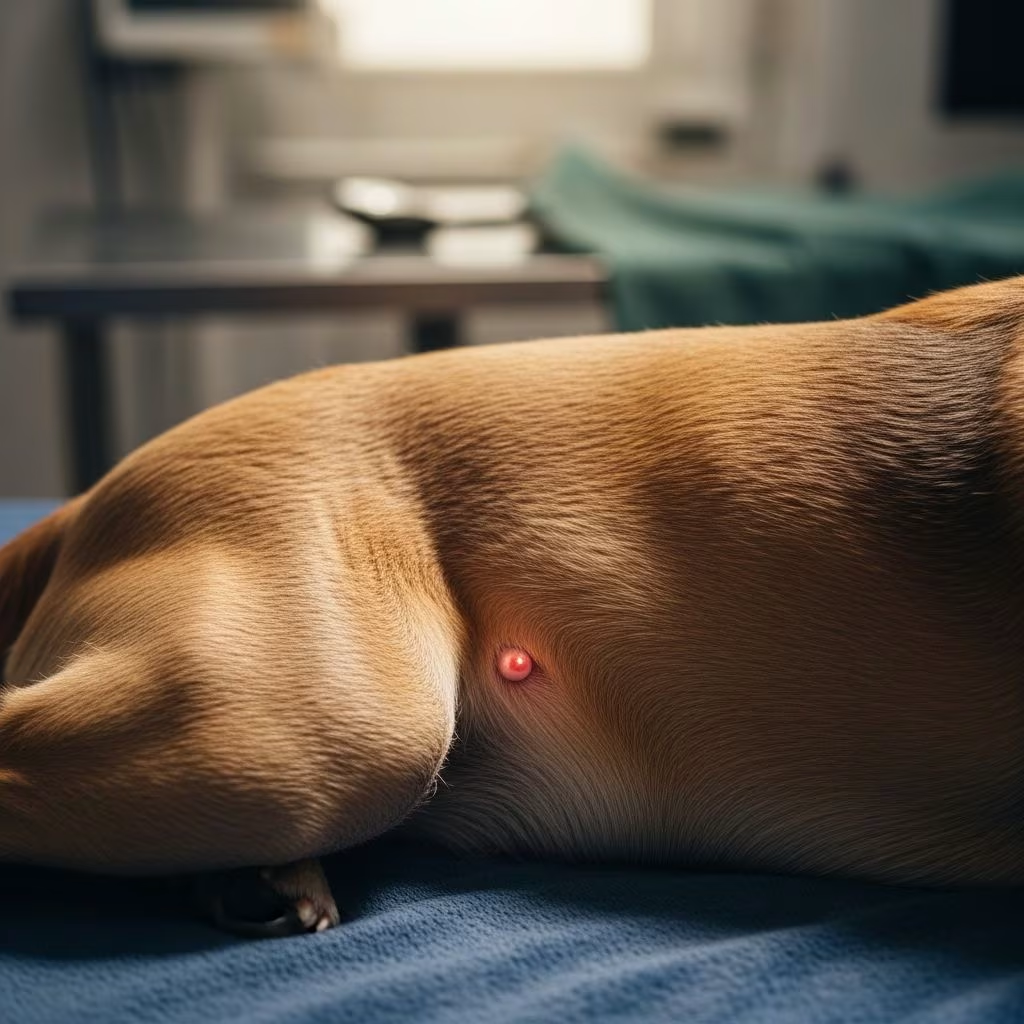
Understanding Anal Sac Disease in Dogs
Anal sac disease is one of the most common health conditions affecting dogs, causing significant discomfort and distress to affected pets. This condition involves the anal sacs, which are small glands located on either side of a dog’s anus that normally empty naturally during bowel movements. When these sacs become impacted, infected, or inflamed, dogs experience pain and exhibit various behavioral changes that alarm pet owners. Understanding this condition is essential for recognizing symptoms early and seeking appropriate veterinary care to prevent complications.
What Are Anal Sacs and Why Are They Important?
Anal sacs are paired glands located just inside a dog’s anus that produce a distinctive secretion used for scent marking and communication. During normal bowel movements, these sacs empty automatically, expelling their contents. However, when the ducts become narrowed or clogged due to inflammation, the sacs cannot empty properly and become filled with fluid, creating pressure and pain in the anal area. This buildup can make defecation painful and uncomfortable for dogs, leading to the various clinical signs pet owners observe.
Types of Anal Sac Disease
Anal sac disease presents in several forms, each requiring different treatment approaches. Understanding these distinctions helps pet owners communicate effectively with their veterinarians.
Anal Sac Impaction
Anal sac impaction is the most common form of anal sac disease in dogs. This condition occurs when the anal sac ducts become clogged and the sacs do not empty properly. The anal sac becomes inflamed and continues to fill with fluid, creating severe pain and discomfort. Impaction can progress to more serious conditions if left untreated.
Anal Sacculitis
Anal sacculitis refers to inflammation of the anal sac and can occur alongside impaction or independently. This condition is often very painful, and the contents may contain blood. In mild cases, anal sacculitis can be managed medically with anti-inflammatory and antibiotic medications, though more severe cases may require flushing the sacs under sedation or anesthesia.
Anal Sac Infection and Abscess
When impaction or inflammation progresses without treatment, bacterial infection can develop. An untreated infection may lead to abscess formation, creating a large, swollen, tender mass of pus that causes extreme pain. These abscesses can rupture spontaneously or require veterinary intervention for proper drainage and treatment.
Recognizing the Symptoms
Pet owners should be alert to several behavioral and physical signs that indicate anal sac disease. Early recognition of these symptoms allows for prompt veterinary intervention.
Common Signs of Anal Sac Disease
- Scooting: Dogs drag their rear end on the floor, ground, carpet, or bed in an attempt to relieve discomfort
- Excessive licking and biting: Dogs obsessively lick, chew, or bite at the area under their tail and around the anus
- Foul odor: A distinctly unpleasant, fishy-smelling discharge may be noticeable
- Difficulty with bowel movements: Dogs may strain to defecate, yelp during defecation, or show reluctance to have bowel movements
- Discomfort when sitting: Dogs may struggle to sit comfortably or avoid sitting altogether
- Behavioral changes: Excessive crying, whimpering, or signs of anxiety around the anal area
- Discharge and bleeding: Yellow or bloody pus may be visible around the anal region
- General signs: Loss of appetite, lethargy, or redness around the anus
Causes and Risk Factors
While anal sac disease can affect any dog, certain factors increase the likelihood of developing this condition. Pet owners should understand these risk factors to implement preventive measures when possible.
Soft stool consistency is a primary cause of anal sac disease because normal, firm bowel movements create adequate pressure to empty the sacs naturally. Dogs consuming low-fiber diets or suffering from diarrhea are at increased risk. Additionally, some dogs appear predisposed to anal sac problems, and certain breeds may be more susceptible than others. Obesity, insufficient exercise, and anal gland tumors can also contribute to anal sac disease development. Understanding these risk factors allows pet owners to work proactively with their veterinarians on preventive strategies.
Diagnosis and Veterinary Examination
Proper diagnosis of anal sac disease requires professional veterinary evaluation. Your veterinarian will perform a complete physical examination, including a digital rectal exam to assess the anal sacs directly. During this examination, your vet can determine whether the sacs are impacted, infected, or inflamed.
In some cases, additional testing may be necessary to create a specific treatment plan. Tests might include bacterial culture and sensitivity analysis to identify the causative organisms and determine the most effective antibiotics. Your veterinarian may also recommend a biopsy if they suspect tumor growth inside the anal sac, particularly in older dogs or those with chronic anal sac disease.
Treatment Options for Anal Sac Disease
Treatment approaches vary depending on the type and severity of anal sac disease. Your veterinarian will recommend the most appropriate treatment plan based on diagnostic findings.
Manual Anal Gland Expression
Manual expression is the primary treatment for anal sac impaction. This procedure involves inserting a gloved finger into the dog’s rectum and gently milking the gland’s contents outward. While this treatment is typical effective, it can be uncomfortable for the dog. Manual expression can be performed by your veterinarian, a veterinary technician, or some experienced dog groomers. Depending on your dog’s temperament and pain level, sedation may be required to perform this procedure safely and humanely.
Flushing and Medication
When anal sac contents have hardened or the sacs are infected, manual expression alone may be insufficient. In these cases, your veterinarian may flush the sacs with saline and antiseptic solutions to remove solidified material and infection. Infusing the affected sac with anti-inflammatory and antibiotic medication may also be necessary to promote healing and prevent recurrence.
Antibiotics and Pain Management
For dogs with bacterial infections, oral antibiotics such as clavamox are commonly prescribed to eliminate the infection. Your veterinarian may also recommend anti-inflammatory pain medications like carprofen to reduce discomfort and swelling. Most dogs respond well to these medications, with symptoms improving within days of treatment initiation. Warm compresses applied to the affected area can provide additional pain relief and promote healing.
Care for Ruptured Abscesses
If an abscess has already ruptured, gentle cleaning of the area is necessary until it heals completely. Your veterinarian will provide specific instructions for wound care and medication application. To prevent further trauma and infection, dogs should wear a cone collar if they lick the affected area excessively.
Surgical Treatment
For dogs with repeated severe anal sac disease or those that do not respond to conservative treatment, surgical removal of the anal sacs may be recommended. This procedure, called anal sacculectomy, is typically reserved for chronic cases or dogs with anal sac tumors. However, pet owners should be aware that anal sac removal is a complex procedure with potential complications, including fecal incontinence, where dogs lose control of their bowels. This complication can be temporary or permanent, so surgical intervention should be carefully considered only after other treatment options have been exhausted.
Prevention and Long-Term Management
While not all cases of anal sac disease can be prevented, several management strategies can reduce the frequency and severity of recurrence.
Dietary Modifications
If your dog repeatedly experiences anal sac impaction, your veterinarian may recommend adding more fiber to their diet. Increased fiber increases stool bulk, which creates more pressure on the anal sacs during bowel movements, promoting natural emptying. Dietary fiber can be added through specialized prescription diets or fiber supplements recommended by your veterinarian.
Regular Veterinary Monitoring
Dogs with a history of anal sac problems may benefit from regular veterinary check-ups and periodic anal sac expression to prevent buildup and infection. Your veterinarian can assess whether manual expression is necessary based on your dog’s condition.
Weight Management and Exercise
Maintaining a healthy body weight and ensuring adequate daily exercise promote normal digestive function and help prevent anal sac disease. Regular physical activity encourages normal bowel movements with appropriate stool consistency.
When to Contact Your Veterinarian
Pet owners should contact their veterinarian promptly if they observe any signs of anal sac disease. Early intervention can prevent progression to infection and abscess formation. Conditions requiring immediate veterinary attention include signs of severe pain, visible discharge or bleeding, signs of infection, or if your dog shows behavioral changes related to rear-end discomfort. Never attempt to treat anal gland problems yourself, as improper handling can cause pain, injury, or spread infection.
Frequently Asked Questions
Q: Can I express my dog’s anal sacs at home?
A: While some veterinarians teach pet owners how to express anal sacs, most people find it uncomfortable or challenging. It is generally safer to have your veterinarian or veterinary technician perform this procedure to ensure it is done correctly and painlessly.
Q: How often should my dog’s anal sacs be expressed?
A: If your dog’s anal sacs are functioning normally and emptying naturally, they do not require expression. Only dogs with recurring problems need periodic expression, typically as recommended by your veterinarian based on individual circumstances.
Q: Is anal sac disease painful?
A: Yes, anal sac disease is quite painful for dogs. The pressure from impacted sacs and the inflammation associated with infection cause significant discomfort. This is why prompt treatment is important to relieve your dog’s pain.
Q: Can anal sac disease be cured permanently?
A: While anal sac disease can be treated effectively, some dogs experience recurrent episodes. Dietary modifications, weight management, and regular monitoring can help reduce recurrence frequency. Only surgical removal provides a permanent solution, though this carries risks of complications.
Q: What happens if anal sac disease is left untreated?
A: Untreated impaction progresses to infection, which can develop into a painful abscess that may rupture spontaneously. This progression causes increasing pain, behavioral changes, and potentially serious complications. Prompt treatment is essential to prevent these severe outcomes.
References
- Anal Sac Disease in Dogs — VCA Animal Hospitals. Accessed November 28, 2025. https://vcahospitals.com/know-your-pet/anal-sac-disease-in-dogs
- Anal Sac Disease in Dogs and Cats – Digestive System — MSD Veterinary Manual. Accessed November 28, 2025. https://www.msdvetmanual.com/digestive-system/diseases-of-the-rectum-and-anus/anal-sac-disease-in-dogs-and-cats
- Dog Anal Glands: Common Problems, Treatment, and Prevention — PetMD. Accessed November 28, 2025. https://www.petmd.com/dog/general-health/dog-anal-glands
- Anal Sac Disease in Dogs: Symptoms, Treatments — WebMD Pets. Accessed November 28, 2025. https://www.webmd.com/pets/dogs/anal-sac-disease-dogs
- Blocked Anal Glands in Dogs — PDSA. Accessed November 28, 2025. https://www.pdsa.org.uk/pet-help-and-advice/pet-health-hub/conditions/blocked-anal-glands-in-dogs
- Anal Sac Disease: Anal Gland Impaction Signs and Treatment — Vetic. Accessed November 28, 2025. https://vetic.in/blog/pet-health/anal-glands-in-dogs-the-signs-treatment-and-prevention-of-anal-sac-disease-in-dogs/
- Anal Sac Disease – Macarthur Veterinary Group — Macarthur Veterinary Group. Accessed November 28, 2025. https://macarthurvet.com.au/article/anal-sac-disease/



