

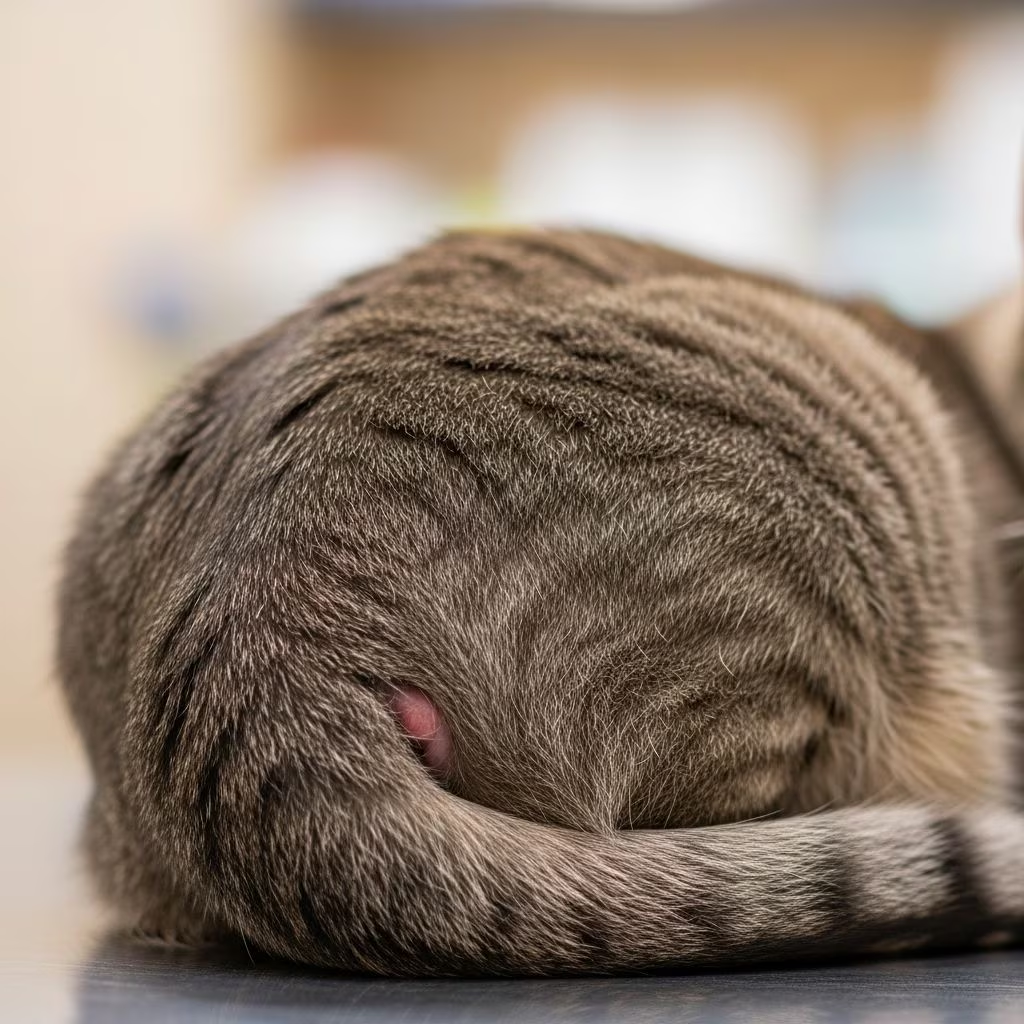
Understanding Anal Sac Disease in Cats
Anal sac disease is a common condition affecting cats that can cause significant discomfort and distress. The anal sacs, also known as anal glands, are small pouches located on either side of a cat’s anus that produce a pungent-smelling secretion. In their natural state, these glands help cats mark their territory and communicate with other cats through scent marking. When problems develop with these glands, they can create painful and frustrating situations for both cats and their owners.
Understanding the various forms of anal sac disease, recognizing the clinical signs, and knowing the available treatment options are essential for any cat owner. Early detection and appropriate veterinary care can prevent complications and help your cat return to normal comfort levels quickly.
What Causes Anal Sac Disease in Cats?
Anal sac disease in cats develops when the normal function of these glands becomes disrupted. The primary causes include impaction, infection, and abscess formation. Each condition represents a progression in severity and requires different treatment approaches.
Anal Sac Impaction
Impaction occurs when the fluid within the anal sacs becomes thick and solidified, preventing the glands from emptying naturally. This buildup can result from various factors including dietary issues, insufficient fiber intake, obesity, or glandular dysfunction. The accumulated material hardens over time, creating pressure within the sac and causing discomfort to your cat.
Anal Sac Infection
When bacteria grow within the impacted material, an infection develops, producing yellow or bloody pus. This condition is more serious than simple impaction and requires antibiotic treatment to eliminate the bacterial infection and prevent further complications.
Anal Sac Abscess
An abscess forms when infection becomes trapped within the sac, typically because the duct has become obstructed. The pressure builds gradually until the skin over the sac breaks open, allowing pus to drain. This rupture creates an open wound that requires careful management and cleaning to prevent secondary infections.
Clinical Signs and Symptoms
The symptoms of anal sac disease can vary depending on the nature and severity of the problem. Cat owners should watch for the following warning signs that indicate potential anal sac issues:
Primary Symptoms
The most common clinical signs include scooting or dragging the anal area along the ground and excessive licking or biting at the rectum or tail area. These behaviors represent the cat’s attempt to relieve the discomfort caused by anal sac problems. Affected cats may also show significant hair loss around the base of the tail or on the belly due to excessive grooming and self-trauma.
Additional Warning Signs
Your cat may demonstrate reluctance to defecate or show signs of pain during bowel movements. You might also notice redness or swelling on either side of the anus, bloody or sticky discharges, or hard swellings in the anal region. In some cases, cats experience discomfort when sitting or during examination of the affected area. If your cat begins to show any combination of these symptoms, prompt veterinary evaluation is essential.
Diagnosis of Anal Sac Disease
Veterinary diagnosis typically involves a physical examination of the anal region to assess inflammation, swelling, or discharge. Your veterinarian will carefully examine the area to determine the severity of the condition. In cases where infection is suspected, bacterial cultures may be performed to identify the specific bacteria involved and guide antibiotic selection. A thorough physical examination helps your veterinarian rule out other potential causes of similar symptoms and develop an appropriate treatment plan.
Treatment Options for Anal Sac Disease
Treatment approaches vary based on the specific type and severity of anal sac disease. Most cases respond well to conservative management, though some chronic situations may require surgical intervention.
Manual Expression and Flushing
For impacted anal sacs, the primary treatment involves manual expression to empty the accumulated secretions. Your veterinarian gently manipulates the glands to release the impacted material. If the contents are too dry or hardened to expel easily, a softening agent or saline solution may be infused into the sac to facilitate emptying. This treatment can be uncomfortable for cats, so sedation may be necessary to keep your pet calm and allow thorough treatment.
Infusion Therapy
Following expression, your veterinarian may infuse the affected sac with anti-inflammatory and antibiotic medication to reduce inflammation and prevent secondary infection. This infusion therapy helps create an environment conducive to healing and reduces the likelihood of rapid recurrence.
Pain Management and Medication
Cats with anal sac disease often require pain-relief medications, particularly when abscesses are present. Your veterinarian may prescribe medications such as Onsior or gabapentin to manage discomfort. Most cats respond well to pain-relief medications combined with antibiotics. Warm compresses can provide additional pain relief and comfort between veterinary treatments.
Antibiotic Therapy
When bacterial infection is present, oral antibiotics are administered to eliminate the infection. The specific antibiotic chosen depends on the bacterial culture results and your cat’s individual health status. Completing the full course of antibiotics, even if symptoms improve, is crucial to prevent recurrence.
Wound Care for Ruptured Abscess
If the abscess has already ruptured, you may need to gently clean the area regularly until it heals. Your veterinarian will provide specific instructions for wound care. To prevent further self-trauma and infection, your cat should wear a cone collar while the wound heals. If the abscess has not yet ruptured but surgical drainage is necessary, your veterinarian will lance the abscess under appropriate anesthesia.
Laser Therapy
Some veterinary clinics offer therapy laser treatment to reduce pain and swelling associated with abscessed glands. This adjunctive therapy can accelerate healing and provide additional comfort during recovery.
Surgical Treatment Options
For cats experiencing chronic or recurrent anal sac problems, surgical removal of the affected anal sacs may provide a definitive solution.
Indications for Surgery
Surgical removal is typically considered when cats experience several episodes of anal sac disease and recommended conservative treatments fail to provide lasting relief. Surgery may also be necessary if tumors are suspected in the anal sac region. Your veterinarian will thoroughly discuss the risks and benefits of surgical intervention before recommending this approach.
Surgical Procedure
The surgical procedure, called anal sacculectomy, involves removal of the affected anal sac or sacs. The prognosis following surgery is generally excellent, with most cats experiencing complete resolution of anal sac disease.
Potential Complications
While surgery is often effective, certain complications can occur. Some cats may experience a temporary lack of bowel control following surgery, potentially dropping fecal balls while walking or experiencing fecal incontinence when sleeping or lying down. This occurs because the nerves that control the anal sphincters run through the soft tissues near the anal sacs. If the infection is deep and extensive, it may be impossible to avoid damaging these nerves during surgery. In most cases, fecal incontinence is temporary and resolves within days to weeks of surgery. Permanent nerve damage is rare but possible, potentially resulting in chronic fecal incontinence.
Are Anal Sacs Necessary?
Many cat owners wonder whether their pets actually need anal sacs. In the wild state, anal sacs produce a pungent-smelling secretion that allows cats to mark territory and repel predators. However, for domesticated cats, this territorial function is largely unnecessary. Surgical removal of anal sacs does not adversely affect your pet’s quality of life or normal bodily functions.
Other Conditions Affecting Anal Sacs
Beyond impaction, infection, and abscess formation, other problems can develop with anal sacs. Older cats can develop cancer of the glands in the anal sacs, a condition called adenocarcinoma. The symptoms of cancer closely resemble those of infection and include swelling beside the anus, dragging the back end, and excessive licking. This similarity makes it critically important to have your cat examined by a veterinarian as soon as you notice any clinical signs of anal sac problems.
Some cats are born with anal canals that do not close well, resulting in constant drainage of anal sac fluid and foul-smelling discharge wherever they sit. This congenital problem is not outgrown, and surgical removal of the anal sacs is the only effective treatment.
Prevention and Management Strategies
While some cats are predisposed to anal sac disease, certain measures can help reduce the frequency of recurrence. Maintaining appropriate body weight through proper diet and exercise helps support normal anal sac function. Ensuring your cat receives adequate dietary fiber may help prevent impaction by promoting regular, healthy bowel movements. Regular veterinary check-ups allow early detection of potential problems before they progress to more serious conditions.
Recovery and Follow-Up Care
Symptoms of anal sac disease typically resolve within one to two days of appropriate treatment. However, recurrence is common, particularly if underlying conditions contributing to anal gland disease are not addressed. Your veterinarian will advise when your cat should be reassessed, which typically includes repeat expression of the anal glands and possibly another infusion of anti-inflammatory and antibiotic medication. Your pet will need to be rechecked within a few days to ensure healing is progressing appropriately.
Frequently Asked Questions
Q: How common is anal sac disease in cats?
A: Anal sac disease is relatively uncommon in cats compared to dogs, though it remains a significant health concern for feline patients. When it does occur, it can cause considerable discomfort and distress.
Q: Can anal sac disease be prevented?
A: While some cats are more predisposed to anal sac problems, maintaining healthy body weight, providing adequate dietary fiber, and ensuring regular veterinary check-ups can help reduce the risk of impaction and infection.
Q: What should I do if I notice my cat scooting?
A: Contact your veterinarian promptly. While scooting can indicate anal sac disease, it may also signal other health issues requiring professional evaluation and treatment.
Q: How long does it take for anal sac disease to resolve?
A: Most cases resolve within one to two days of appropriate veterinary treatment. However, recurring episodes are common without addressing underlying contributing factors.
Q: Will my cat be able to have normal bowel movements after anal sac removal surgery?
A: Yes, in most cases cats have completely normal bowel function after surgery. While temporary incontinence can occur, it typically resolves within weeks. Permanent complications are rare.
Q: Are there any home remedies for anal sac disease?
A: While warm compresses can provide comfort, anal sac disease requires professional veterinary treatment. Manual expression should only be performed by trained veterinary professionals to avoid complications.
References
- Anal Sac Disease in Cats — VCA Animal Hospitals. Accessed November 2025. https://vcahospitals.com/know-your-pet/anal-sac-disease-in-cats
- Anal Gland Disorders in Cats — PetMD. Accessed November 2025. https://www.petmd.com/cat/conditions/skin/anal-gland-disorders-cats
- Anal Sac Disease in Dogs and Cats – Digestive System — Merck Veterinary Manual. 2025. https://www.merckvetmanual.com/digestive-system/diseases-of-the-rectum-and-anus/anal-sac-disease-in-dogs-and-cats
- Anal Sac Disease in Cats — San Bruno Pet Hospital. Accessed November 2025. https://sanbrunopet.com/pet-care-tips/anal-sac-disease-cats/
- Anal Sac Disease in Cats – Causes, Treatment and Prevention — Vetster. Accessed November 2025. https://vetster.com/en/conditions/cat/anal-sac-disease



