

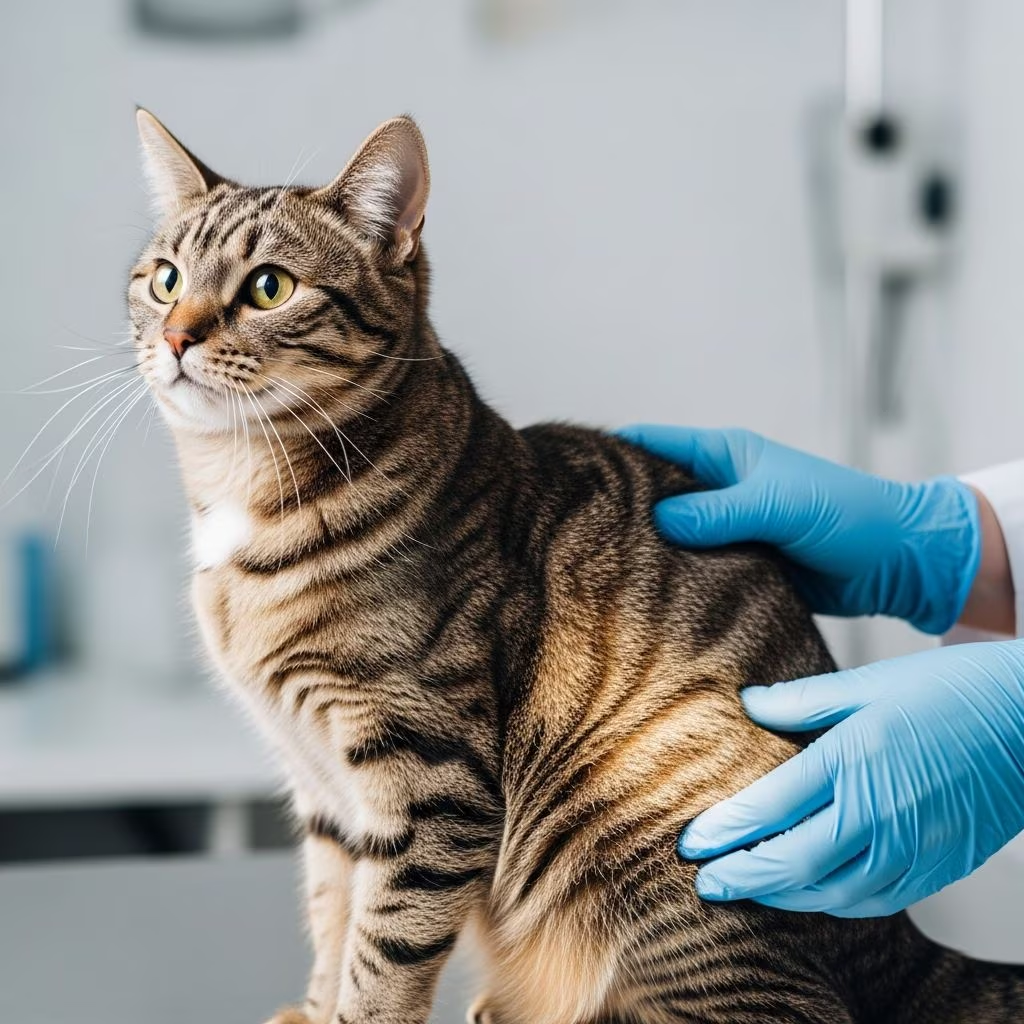
Anal sac disease is a common yet often painful condition affecting cats of any age, breed, or sex. These small pouches near the anus, known as anal sacs or glands, normally release fluid during defecation to mark territory. When they fail to empty properly, issues like impaction, infection, abscesses, or rupture can occur, leading to discomfort and behavioral changes.
What Are Anal Sacs?
Anal sacs are two small glands located on either side of a cat’s anus, typically at the 4 and 8 o’clock positions. They produce a thick, odorous secretion that mixes with feces to provide a unique scent for territorial marking. In healthy cats, the firm stool naturally expresses a small amount of this fluid during bowel movements. However, if the stool is too soft or the glands do not empty, secretions accumulate, thickening and potentially leading to disease.
Unlike in dogs, where anal sac issues are more prevalent, anal sac disease remains relatively rare in cats but can still cause significant distress when it occurs. Factors such as diet, dehydration, allergies, or anatomical abnormalities contribute to malfunction.
Causes of Anal Sac Disease in Cats
Several factors can prevent normal anal sac emptying:
- Soft stools: Diets low in fiber result in loose feces that fail to compress the sacs adequately.
- Dehydration: Reduces stool bulk, hindering expression.
- Anatomical issues: Narrow ducts or poor anal canal closure in some cats lead to chronic drainage or impaction.
- Infections or allergies: Inflammation from bacteria or food sensitivities thickens secretions.
- Obesity or inactivity: Limits natural pressure during defecation.
These causes often interplay, making early intervention key to preventing progression from simple impaction to severe infections.
Symptoms of Anal Sac Disease in Cats
Cats with anal sac problems exhibit clear behavioral and physical signs, often prompting owners to seek veterinary care:
- Scooting: Dragging the rear along floors or carpets to relieve itchiness or pressure.
- Excessive licking or chewing: Around the tail base, hind legs, or anus due to irritation.
- Pain or straining: During defecation, resistance to tail lifting, or vocalizing when touched.
- Swelling or discharge: Visible lumps beside the anus, bloody/mucoid secretions, or foul odor.
- Overgrooming or tail chasing: Indicating discomfort in the perianal area.
Advanced cases may show lethargy, reduced appetite, or fever if an abscess forms. Symptoms can resolve quickly with treatment but recur without addressing underlying causes.
Types of Anal Sac Disease
Anal sac issues progress in severity:
- Impaction: Thickened secretions block the ducts, causing discomfort but no infection yet.
- Infection: Bacteria proliferate in stagnant fluid, leading to pus formation and inflammation.
- Abscess: Pus buildup creates a painful, swollen mass that may rupture.
- Rupture: The sac bursts, draining pus and causing wounds prone to further infection.
Rarely, tumors or chronic cases necessitate gland removal.
How Is Anal Sac Disease Diagnosed?
Veterinarians diagnose via:
- Physical exam: Palpating the anal area for swelling, hardness, or pain response.
- Expression attempt: Manually squeezing glands to assess contents—thick, gritty material indicates impaction.
- Culture and cytology: Sampling discharge for bacterial identification and antibiotic sensitivity.
- Imaging: Rarely, ultrasound or X-rays rule out tumors or deep abscesses.
Early diagnosis prevents complications, with most cases confirmed during routine checkups.
Treatment Options for Anal Sac Disease
Treatment varies by severity:
| Type | Primary Treatment | Additional Care |
|---|---|---|
| Impaction | Manual expression; flushing if needed | Pain relief, fiber supplements |
| Infection | Expression + antibiotics (oral, injectable, or infused) | Anti-inflammatories, stool firmers |
| Abscess | Drainage (spontaneous or surgical), antibiotics | Pain meds, wound cleaning |
| Recurrent/Chronic | Surgical removal (anal sacculectomy) | Post-op monitoring for incontinence |
Most cats improve within 24-48 hours of initial treatment. Follow-up visits ensure resolution. Sedation may be used for painful expressions.
Home Care for Cats with Anal Sac Issues
Support veterinary treatment at home:
- Warm compresses: Apply for 5-10 minutes, 2-3 times daily to soften contents and ease pain.
- Hygiene: Gently clean the area with pet-safe wipes; keep dry to prevent matting.
- Dietary fiber: Add canned pumpkin (1-2 tsp daily), bran, or probiotics to bulk stools.
- Hydration: Encourage water intake via fountains or wet food.
- Monitor: Watch for recurrence; avoid home expressions to prevent trauma.
These steps promote natural emptying and reduce relapse risk.
Prevention of Anal Sac Disease
Proactive measures include:
- High-fiber diet: Promotes firm stools for natural expression.
- Regular exercise: Maintains healthy weight and defecation habits.
- Routine vet checks: Early detection during annual exams.
- Allergy management: Hypoallergenic foods if sensitivities suspected.
While not all cases are preventable, these reduce incidence significantly.
When to See a Vet
Seek immediate care if your cat shows scooting, excessive licking, anal swelling, discharge, or defecation pain. Delays can lead to abscesses or ruptures requiring surgery. Emergencies include non-healing wounds, fever, or lethargy. Prompt action yields excellent prognoses, with most cats recovering fully.
Frequently Asked Questions (FAQs)
Is anal sac disease common in cats?
It’s less common than in dogs but can affect any cat, often linked to diet or anatomy.
Can I express my cat’s anal sacs at home?
No, professional expression is safest to avoid injury or infection spread.
Will my cat need surgery?
Surgery is rare, reserved for recurrent cases or tumors; risks include incontinence.
How long does recovery take?
Symptoms often resolve in 1-2 days with treatment; full recovery varies.
Can diet prevent recurrence?
Yes, fiber-rich diets help firm stools and promote natural emptying.
This article provides comprehensive guidance on anal sac disease, empowering cat owners with knowledge for better health outcomes. Always consult your veterinarian for personalized advice.
References
- Anal gland disease in cats — Joii Pet Care. 2023. https://www.joiipetcare.com/blogs/health-conditions/anal-gland-disease-in-cats
- Anal Sac Disease in Cats – Causes, Treatment and… — Vetster. 2024. https://vetster.com/en/conditions/cat/anal-sac-disease
- Anal Sac Disease in Cats — San Bruno Pet Hospital. 2023. https://sanbrunopet.com/pet-care-tips/anal-sac-disease-cats/
- Anal Sac Problems in Cats — WebMD. 2024-01-14. https://www.webmd.com/pets/cats/anal-sac-problems-cats
- Anal Sac Disease in Cats — The Drake Center for Veterinary Care. 2023. https://www.thedrakecenter.com/resources/materials/cats/anal-sac-disease-cats
- Anal Gland Disorders in Cats — PetMD. 2024. https://www.petmd.com/cat/conditions/skin/anal-gland-disorders-cats
- Anal Sac Disease in Dogs and Cats — Merck Veterinary Manual. 2025. https://www.merckvetmanual.com/digestive-system/diseases-of-the-rectum-and-anus/anal-sac-disease-in-dogs-and-cats



