

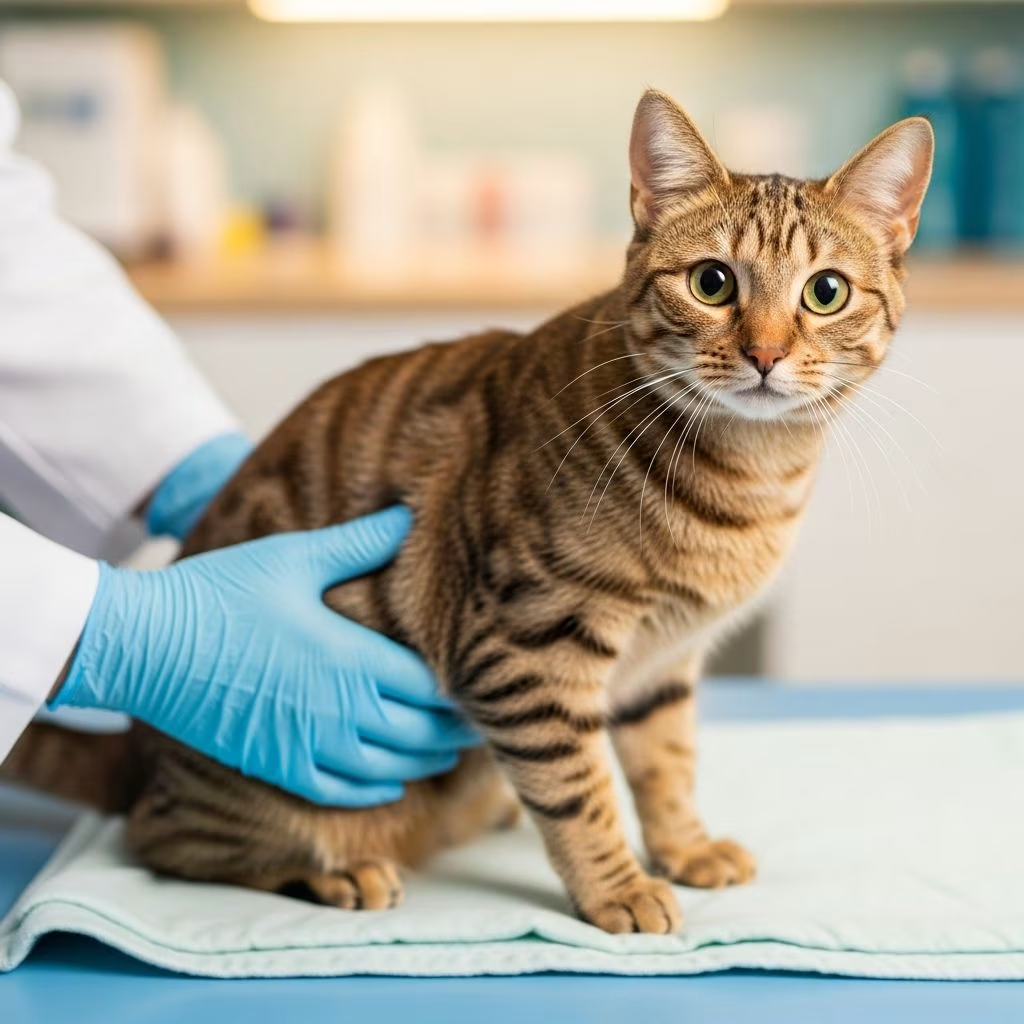
Understanding Anal Sac Disease in Cats
Anal sac disease is a common condition affecting cats that can cause significant discomfort and behavioral changes. The anal sacs are small glands located on either side of a cat’s anus that produce a pungent-smelling secretion. In wild cats, this secretion serves important biological functions—allowing them to mark territory and repel predators. However, in domesticated cats, these glands can malfunction, leading to painful conditions that require veterinary attention.
Understanding this condition is essential for cat owners because early recognition and treatment can prevent complications and minimize your pet’s suffering. Anal sac disease can manifest in various forms, from simple impaction to serious infections and abscesses, each requiring different treatment approaches.
Types of Anal Sac Disease
Anal sac disease in cats can present in three primary forms, each with distinct characteristics and progression:
Anal Sac Impaction
Anal sac impaction occurs when the secretions within the anal glands become thick and solidified, preventing normal drainage. This buildup causes the glands to become overly full and distended. The condition develops gradually as the material accumulates and hardens, creating pressure within the sac. Cats with impacted anal sacs experience discomfort that may range from mild irritation to significant pain, depending on the severity of the impaction.
Anal Sac Infection
When bacteria colonize the thickened secretions trapped within the anal sacs, an infection develops. This bacterial growth produces pus, which may appear yellow or bloody, and creates a more serious condition than simple impaction. The infection causes inflammation, increased pain, and potential complications if left untreated.
Anal Sac Abscess
An anal sac abscess represents the most severe form of anal sac disease. This occurs when infection becomes trapped within the sac, often because the drainage duct has become obstructed. Pressure builds continuously within the sac as pus accumulates, and eventually, the skin over the affected sac breaks open, resulting in an anal sac rupture. This rupture allows the infected material to drain externally, creating an open wound that requires immediate veterinary care.
Clinical Signs of Anal Sac Disease
The symptoms of anal sac disease vary depending on the nature and severity of the problem. Recognizing these clinical signs is crucial for early intervention and preventing progression to more serious conditions.
Common Behavioral Signs
The most characteristic sign of anal sac disease is scooting—when cats drag or scoot their anal area along the ground, carpet, or furniture. This behavior appears to be an attempt to relieve the irritation and discomfort caused by the diseased anal sacs. Owners may also notice their cat excessively licking or biting at the rectum or tail area, again as an attempt to address the underlying discomfort.
Physical Symptoms
Beyond behavioral changes, cats with anal sac disease may display several physical indicators:
– Excessive hair loss around the base of the tail or on the belly due to constant grooming- Reluctance to defecate or difficulty during bowel movements- Pain and sensitivity when the anal area is touched- Visible swelling on either side of the anus- Bloody or sticky discharge from the anal sacs- Redness or inflammation around the anus
Severity-Related Signs
As anal sac disease progresses, additional signs may emerge. Cats may become withdrawn or show changes in behavior due to pain. In severe cases with ruptured abscesses, owners might notice an open wound or constantly draining area near the anus that requires ongoing cleaning and care.
Diagnosis and Evaluation
Proper diagnosis of anal sac disease begins with a thorough physical examination by a veterinarian. During the exam, your vet will assess the anal sacs for size, firmness, and sensitivity. They may gently palpate the area to evaluate the contents of the glands and determine whether impaction, infection, or abscess formation is present.
For suspected infections, your veterinarian may collect a sample of the anal sac secretions for bacterial culture. This culture helps identify the specific bacteria causing the infection and can guide antibiotic selection for optimal treatment effectiveness. In cases where cancer is suspected—particularly in older cats—additional diagnostic imaging or tissue sampling may be warranted.
Treatment Options for Anal Sac Disease
Treatment for Impaction
The primary treatment for anal sac impaction is manual expression of the sacs. During this procedure, your veterinarian gently applies pressure to empty the solidified material from the glands. Since this treatment can be uncomfortable, sedation may be required to keep your cat calm and still during the process. Sometimes, the material is too dry or hard to express easily, in which case your veterinarian may infuse the affected sac with a softening agent or saline solution to make the contents easier to remove. Anti-inflammatory and antibiotic medications may also be infused into the sac following expression to promote healing and prevent infection.
Treatment for Infection
When infection is present, treatment involves expressing the anal sacs and administering oral antibiotics to eliminate the bacteria. Most cats respond well to pain-relief medications in combination with antibiotics. Your veterinarian may also recommend using warm compresses for additional pain relief and to promote circulation to the affected area. The combination of manual expression, antibiotics, and pain management typically resolves the infection within a few days to a week.
Treatment for Abscessed Anal Sacs
If an abscess has already ruptured, gentle cleaning of the area is necessary until it heals completely. Your veterinarian will recommend an appropriate cleaning schedule and may prescribe topical or systemic antibiotics to prevent secondary infection. To prevent your cat from further irritating the wound through licking, your veterinarian may recommend that your cat wear a protective cone collar during the healing period. Pain medication should continue throughout the recovery process.
Surgical Management
If your cat experiences several episodes of anal sac disease and recommended treatments do not provide relief, surgical removal of the anal sacs—called anal sacculectomy—may be recommended. This definitive treatment eliminates the problem source entirely and prevents future recurrence in most cases. However, surgery should be considered carefully, as potential complications exist.
Surgical Considerations and Complications
Are Anal Sacs Necessary?
Many cat owners worry that removing the anal sacs will adversely affect their pet. In reality, for domesticated cats, the biological functions of the anal sacs—marking territory and repelling predators—are unnecessary in a home environment. Removal will not negatively impact your cat’s quality of life or normal function.
Potential Complications
The primary concern with anal sac removal surgery involves potential nerve damage. The nerves that control the anal sphincter muscles run through the soft tissues near the anal sacs. During surgery, there is a risk of damaging these nerves, which can result in a temporary or, rarely, permanent loss of bowel control. Some cats may drop fecal balls while walking or experience fecal incontinence when sleeping or lying down.
In most cases, nerve damage resulting in fecal incontinence is temporary and resolves within a few days to a few weeks following surgery. However, if the infection is deep and extensive, the surgeon may be unable to avoid nerve damage during the procedure. In rare cases, this can result in chronic fecal incontinence that persists long-term.
Weighing Risks and Benefits
Despite the potential for complications, for cats suffering from chronic or recurrent anal sac infections and impactions, surgical removal often provides the best long-term relief from pain and discomfort. Your veterinarian will thoroughly discuss both the risks and benefits of surgery with you, helping you make an informed decision about whether this option is appropriate for your cat’s specific situation.
Other Anal Sac Problems
Anal Sac Adenocarcinoma
Older cats can develop cancer of the glands in the anal sacs, a condition called adenocarcinoma. The symptoms of anal sac adenocarcinoma are similar to those of infection and include swelling beside the anus, dragging the back end, and excessive licking. Because the clinical signs mimic other anal sac conditions, it is critically important to have your cat examined by a veterinarian as soon as you notice any clinical signs. Early detection of cancer provides the best opportunity for effective treatment.
Congenital Anal Canal Abnormalities
Some cats are born with anal canals that do not close properly. These cats experience constant drainage of anal sac fluid, leaving a foul-smelling discharge wherever they sit. This congenital problem is not outgrown as the cat matures, and the only effective treatment is surgical removal of the anal sacs.
Prevention and Management
While some cats are predisposed to anal sac problems, certain measures may help reduce the risk of developing anal sac disease. Maintaining your cat at a healthy weight through appropriate diet and exercise supports normal gastrointestinal function, which can promote healthy anal sac function. Some cats benefit from dietary fiber supplementation, which may help firm the stool and promote normal sac emptying during bowel movements.
Regular veterinary checkups allow your vet to monitor your cat’s anal sacs and identify early signs of disease before serious complications develop. If your cat has experienced anal sac problems in the past, your veterinarian may recommend periodic check-ups to ensure the problem does not recur.
When to Contact Your Veterinarian
Contact your veterinarian immediately if you notice your cat scooting, excessively licking the anal area, showing signs of pain near the tail or anus, or if you observe any discharge from the anal region. Do not attempt to express your cat’s anal sacs at home, as improper technique can cause injury. Additionally, any open wound or rupture near the anus requires professional veterinary care to prevent infection and promote proper healing.
Frequently Asked Questions
Q: What exactly are anal sacs and why do cats have them?
A: Anal sacs are small glands located on either side of the anus that produce a pungent-smelling secretion. In wild cats, this secretion helps mark territory and repel predators. In domesticated cats, these functions are unnecessary, and removal of the sacs will not adversely affect your pet.
Q: How often do cats develop anal sac problems?
A: While anal sac disease is relatively common in dogs, it occurs infrequently in cats. However, when it does occur in cats, it requires prompt veterinary attention to prevent complications.
Q: Can I treat anal sac disease at home?
A: No. Anal sac disease requires professional veterinary evaluation and treatment. Attempting home treatment can cause injury and allow the condition to worsen. Your veterinarian has the proper training and tools to safely and effectively treat anal sac disease.
Q: How long does recovery take after anal sac expression?
A: Most cats show improvement within a day or two of treatment. However, recovery time depends on the severity of the condition. Infections may take longer to fully resolve, typically one to two weeks with appropriate antibiotic treatment.
Q: Is anal sac surgery permanent?
A: Yes, anal sacculectomy (surgical removal of the anal sacs) is permanent and provides a definitive solution for chronic or recurrent anal sac disease. However, as with any surgery, there are potential risks and complications to discuss with your veterinarian.
Q: Will my cat be incontinent after anal sac surgery?
A: Temporary fecal incontinence can occur in some cats after surgery but typically resolves within a few days to weeks. Permanent incontinence is rare. Your veterinarian will discuss the risk-benefit ratio for your specific cat.
Q: How can I prevent anal sac disease in my cat?
A: Maintain your cat at a healthy weight, provide appropriate diet and exercise, and consider fiber supplementation if recommended by your vet. Regular veterinary checkups help identify early problems before they become serious.
Q: What should I do if my cat’s anal sac ruptures?
A: Contact your veterinarian immediately. A ruptured anal sac is a medical concern requiring professional wound care, antibiotics, and pain management to prevent infection and promote healing.
References
- Anal Sac Disease in Dogs and Cats — Merck Veterinary Manual. 2025. https://www.merckvetmanual.com/digestive-system/diseases-of-the-rectum-and-anus/anal-sac-disease-in-dogs-and-cats
- Anal Gland Disorders in Cats — PetMD. 2025. https://www.petmd.com/cat/conditions/skin/anal-gland-disorders-cats
- Anal Sac Disease in Cats — VCA Animal Hospitals. 2025. https://vcahospitals.com/know-your-pet/anal-sac-disease-in-cats
- Anal Sac Disease in Cats – Causes, Treatment and Prognosis — Vetster. 2025. https://vetster.com/en/conditions/cat/anal-sac-disease
- Anal Sac Disease in Cats — San Bruno Pet Hospital. 2025. https://sanbrunopet.com/pet-care-tips/anal-sac-disease-cats/



