

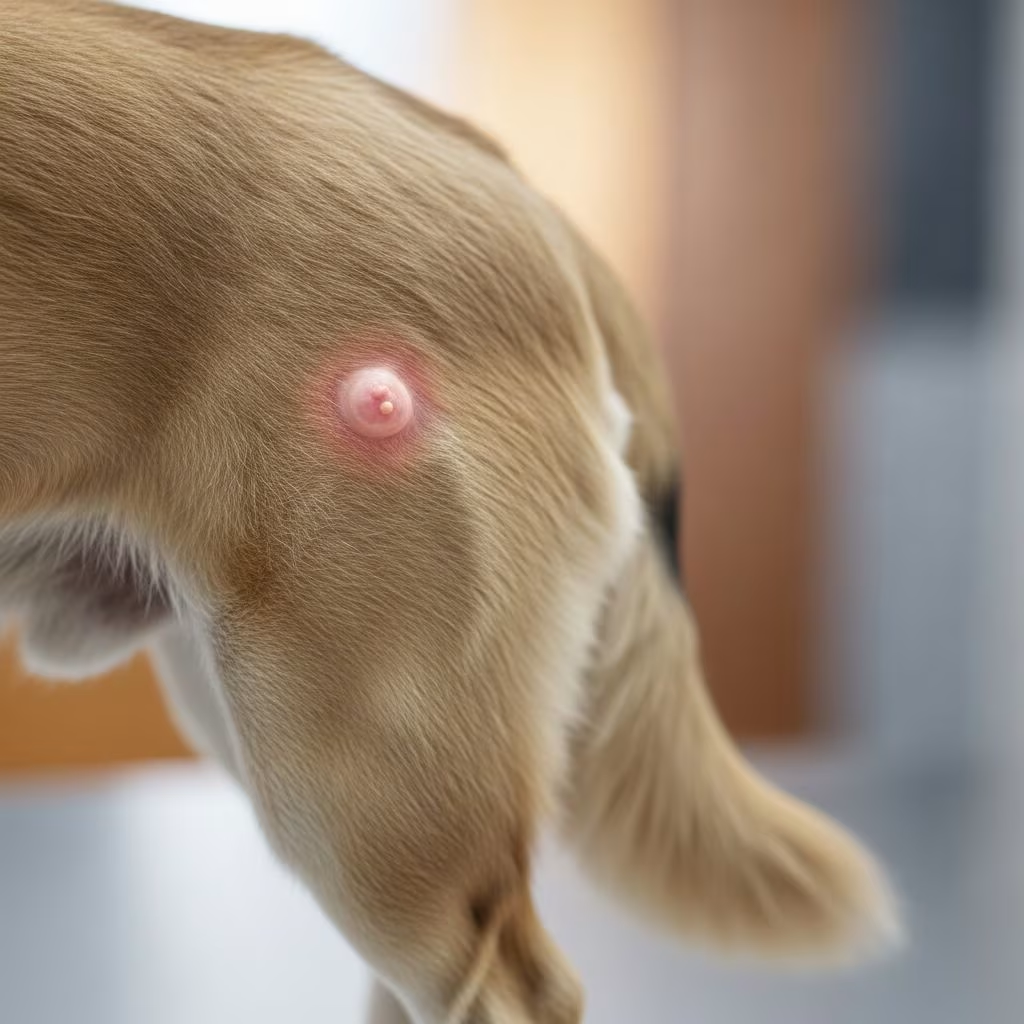
Understanding Anal Gland Tumors in Dogs
Anal gland tumors, also known as anal sac adenocarcinoma or apocrine gland anal sac adenocarcinoma (AGASACA), are malignant tumors that develop in the anal glands of dogs. These tumors originate from cells within the glands of the anal sac and typically grow quickly with a moderate to aggressive rate of spread. The anal sacs are small, pouch-like structures located between the external and internal anal sphincter muscles on either side of the anus. These glands produce a characteristic smelly fluid that dogs naturally expel during defecation, which is believed to play a role in territorial marking. While anal gland tumors are not extremely common, representing approximately 2% of skin tumors in dogs, they are considered highly malignant and require prompt medical attention.
Characteristics of Anal Gland Tumors
Anal gland tumors are composed of specialized cells originating in the glands lining the anal sacs. These tumors tend to be aggressive, growing rapidly and invading surrounding tissue. One significant characteristic of anal gland adenocarcinoma is its tendency to metastasize early, spreading to other parts of the body. The regional lymph nodes are the most commonly affected sites, followed by the liver and lungs. Additionally, approximately 25% of dogs with anal gland adenocarcinoma develop elevated blood calcium levels, a condition called hypercalcemia, which can have serious health consequences if left untreated.
Risk Factors and Breed Predisposition
While the exact cause of anal gland tumors in dogs remains unknown, several risk factors have been identified. Certain dog breeds show a higher predisposition to developing these tumors than others. Spaniels, particularly English Cocker Spaniels, Springer Spaniels, and Cavalier King Charles Spaniels, are among the most commonly affected breeds. Other breeds at increased risk include Alaskan Malamutes, Dachshunds, German Shepherds, and Golden Retrievers.
Age is a significant factor in the development of anal gland tumors. These tumors typically occur in older dogs, with an average age of diagnosis around 10 to 11 years old. However, dogs ranging from 3 to 19 years of age have been diagnosed with anal sac adenocarcinoma. While some reports suggest that female dogs may be more likely to develop anal sac tumors, other studies have concluded that there is no significant difference in occurrence between males and females, making gender a less consistent risk factor than breed and age.
Recognizing Symptoms of Anal Gland Tumors
Detecting anal gland tumors can be challenging because early-stage tumors may not present obvious symptoms. However, as tumors grow and progress, various clinical signs may become apparent. Pet owners should be alert to the following symptoms:
- Scooting across the floor or ground
- Excessive licking or chewing around the anal area
- Anal discharge or bloody stool
- Straining during defecation or urination
- Constipation or difficulty passing stool
- Discomfort in the perianal region (area around the anus)
- Ribbon-shaped or narrowed stool
- Vomiting or decreased appetite
- Lethargy or reduced energy levels
- Increased thirst and urination (if hypercalcemia is present)
- Visible swelling in the anal region
In many cases, anal gland tumors are discovered incidentally during routine veterinary examinations or when a groomer attempts to express the anal glands. If a tumor is large enough, visible swelling in the anal region may be noticed. The tumor can interfere with normal defecation, sometimes resulting in ribbon-shaped stools or constipation. When elevated calcium levels are present, dogs may display signs of systemic illness, including decreased appetite, lethargy, increased thirst, and increased urination.
Diagnostic Procedures for Anal Gland Tumors
Proper diagnosis is essential for developing an effective treatment plan. Veterinarians employ several diagnostic methods to identify and assess anal gland tumors:
Physical Examination
The initial step in diagnosis typically involves a thorough digital rectal examination. During this procedure, the veterinarian inserts a gloved finger into the rectum to palpate the anal glands and surrounding tissue. This allows the veterinarian to detect any masses, assess their size, and determine the extent of the tumor. The mass may be felt during a routine rectal exam, or visible swelling may be noted in the anal region.
Fine Needle Aspirate
To confirm the diagnosis, a fine needle aspirate is typically performed. During this minimally invasive procedure, a thin needle is inserted into the affected gland or mass to collect a small sample of cells. These cells are then examined under a microscope to determine whether the mass is cancerous and to confirm the diagnosis of adenocarcinoma.
Biopsy
A biopsy may be performed after surgical removal of the mass to provide a definitive diagnosis and determine the aggressiveness of the tumor. Histopathological examination helps confirm whether the tumor is malignant and guides treatment decisions.
Laboratory Tests
Blood work and urinalysis are performed to assess your dog’s overall health and organ function. These tests can reveal elevated calcium levels (hypercalcemia) and provide information about kidney function and other organ systems.
Imaging Studies
Three-view chest radiographs (X-rays) and abdominal ultrasound are essential for staging the cancer and determining whether metastasis has occurred. These imaging studies help identify whether the cancer has spread to regional lymph nodes, lungs, liver, or other organs, which is critical information for treatment planning and prognosis assessment.
Treatment Options for Anal Gland Tumors
The treatment approach for anal gland tumors depends on several factors, including the size of the tumor, extent of disease, whether metastasis has occurred, and the overall health status of the dog. Several treatment options are available, often used in combination for optimal outcomes.
Surgical Removal
Surgery is the primary treatment recommendation for anal gland tumors. Surgical removal of the affected anal gland and sac is recommended in most cases and has been shown to improve survival times and minimize clinical signs associated with the tumor. Complete excision can be challenging, especially when tumors are large or invasive. If the cancer has spread to local lymph nodes, these may also be removed during surgery to reduce the tumor burden. In cases where hypercalcemia is present or constipation is a significant clinical sign, removal of internal lymph nodes may also be recommended. Referral to a board-certified veterinary surgeon is often recommended to discuss the surgical approach and potential complications given the tumor’s location and the complexity of the procedure.
Even if the cancer has already metastasized to distant organs, surgery may still be performed to remove the primary tumor mass to improve comfort and quality of life, though this may not extend the overall survival time.
Chemotherapy
Chemotherapy is typically recommended if the tumor is confirmed to be malignant, particularly if there is evidence that the cancer has spread. Chemotherapy may be used in combination with surgical excision to target cancer cells that may have spread beyond the primary tumor site. Unlike in humans, most dogs do not lose their hair and typically experience only mild side effects from chemotherapy, which may include transient loss of appetite and occasional vomiting. Dogs generally tolerate chemotherapy well, and treatment protocols can be adjusted to maintain quality of life.
Radiation Therapy
Radiation therapy may be recommended in specific situations. Definitive radiation therapy is used for incompletely excised anal gland tumors or those affecting regional lymph nodes. Stereotactic radiation, a more focused form of treatment, may be used for non-resectable tumors or metastatic lymph nodes. Palliative radiation therapy can provide comfort care for dogs with advanced disease. Radiation therapy costs typically range from $1,000 to $12,000 depending on the type and extent of treatment required.
Prognosis and Survival Rates
The prognosis for anal gland tumors is highly variable and depends on multiple factors. Key variables affecting prognosis include the biopsy report and tumor aggressiveness, the size of the tumor at diagnosis, the extent of disease and whether metastasis has occurred, the presence of hypercalcemia, the ability to achieve complete surgical removal of the disease, and the intensity and type of treatment pursued.
Some dogs with well-differentiated tumors that are caught early can be cured with surgery alone. However, dogs with more aggressive tumors treated with a combination of surgery, radiation therapy, and chemotherapy have an average survival of more than 2.5 years. When less intensive treatment plans are pursued, the prognosis is typically shorter. Dogs with widespread metastases may still live many months with their disease when appropriate palliative care is provided. Anal gland adenocarcinoma is recognized as one of the most challenging tumor types to predict survival accurately, as individual responses to treatment vary considerably.
Managing Complications
One serious complication associated with anal gland adenocarcinoma is hypercalcemia (elevated blood calcium). This condition can cause increased thirst, increased urination, decreased appetite, and lethargy. If high calcium levels are not medically addressed, dogs are at risk of kidney failure or permanent kidney damage. Treatment of hypercalcemia may include intravenous fluid therapy, medications to lower calcium levels, and addressing the underlying tumor through surgery or chemotherapy.
Importance of Veterinary Oncology Consultation
Consultation with a board-certified veterinary oncologist is strongly recommended to determine the optimal therapeutic options for your dog. An oncologist can provide specialized expertise in cancer treatment planning, discuss the benefits and risks of various treatment approaches, and help establish a personalized treatment protocol based on your dog’s specific tumor characteristics and overall health status.
Frequently Asked Questions About Anal Gland Tumors
Q: How common are anal gland tumors in dogs?
A: Anal gland tumors are not extremely common, representing approximately 2% of skin tumors in dogs. However, they are serious when they do occur and require prompt veterinary attention.
Q: What is the difference between anal gland problems and anal gland tumors?
A: Anal gland problems typically involve impaction, infection, or inflammation of the anal sacs. Anal gland tumors are malignant growths originating from the gland cells. While anal gland problems are common and usually manageable, tumors are more serious and require oncologic treatment.
Q: Can anal gland tumors be prevented?
A: Since the exact cause of anal gland tumors is unknown, there is no proven prevention method. Regular veterinary checkups, especially for older dogs and at-risk breeds, can help with early detection.
Q: Is surgery always necessary for anal gland tumors?
A: Surgery is the primary recommended treatment for anal gland tumors. However, in dogs with advanced metastatic disease or those unable to tolerate anesthesia, palliative care options may be discussed with your veterinarian.
Q: What should I expect after my dog’s anal gland tumor surgery?
A: Post-operative recovery typically includes pain management, activity restriction, and careful monitoring of the surgical site. Your veterinarian will provide specific post-operative care instructions and may recommend follow-up chemotherapy or radiation therapy.
Q: Can anal gland tumors recur after treatment?
A: Recurrence is possible, particularly if the tumor was not completely removed or if metastasis had already occurred at the time of diagnosis. Regular follow-up examinations and imaging studies help monitor for recurrence.
References
- Anal Gland Cancer in Dogs (Anal Sac Adenocarcinoma) — PetMD. 2024. https://www.petmd.com/dog/conditions/cancer/c_multi_adenocarcinoma_anal
- Canine Apocrine Gland Anal Sac Adenocarcinoma (AGASACA) — North Carolina State University College of Veterinary Medicine. 2024. https://hospital.cvm.ncsu.edu/services/small-animals/cancer-oncology/oncology/agasaca/
- Anal Sac Adenocarcinoma — Cornell University College of Veterinary Medicine, Riney Canine Health Center. 2024. https://www.vet.cornell.edu/departments-centers-and-institutes/riney-canine-health-center/canine-health-information/anal-sac-adenocarcinoma
- Anal Gland Tumors in Dogs — PetCure Oncology. 2024. https://petcureoncology.com/anal-gland-tumors-in-dogs/
- Anal Sac Cancer in Dogs — BluePearl Pet Hospital. 2024. https://bluepearlvet.com/medical-articles-for-pet-owners/anal-sac-cancer-in-dogs/
- Anal Sac Tumors — VCA Animal Hospitals. 2024. https://vcahospitals.com/know-your-pet/anal-gland-tumors
- Disorders of the Rectum and Anus in Dogs — Merck Veterinary Manual. 2024. https://www.merckvetmanual.com/dog-owners/digestive-disorders-of-dogs/disorders-of-the-rectum-and-anus-in-dogs



