

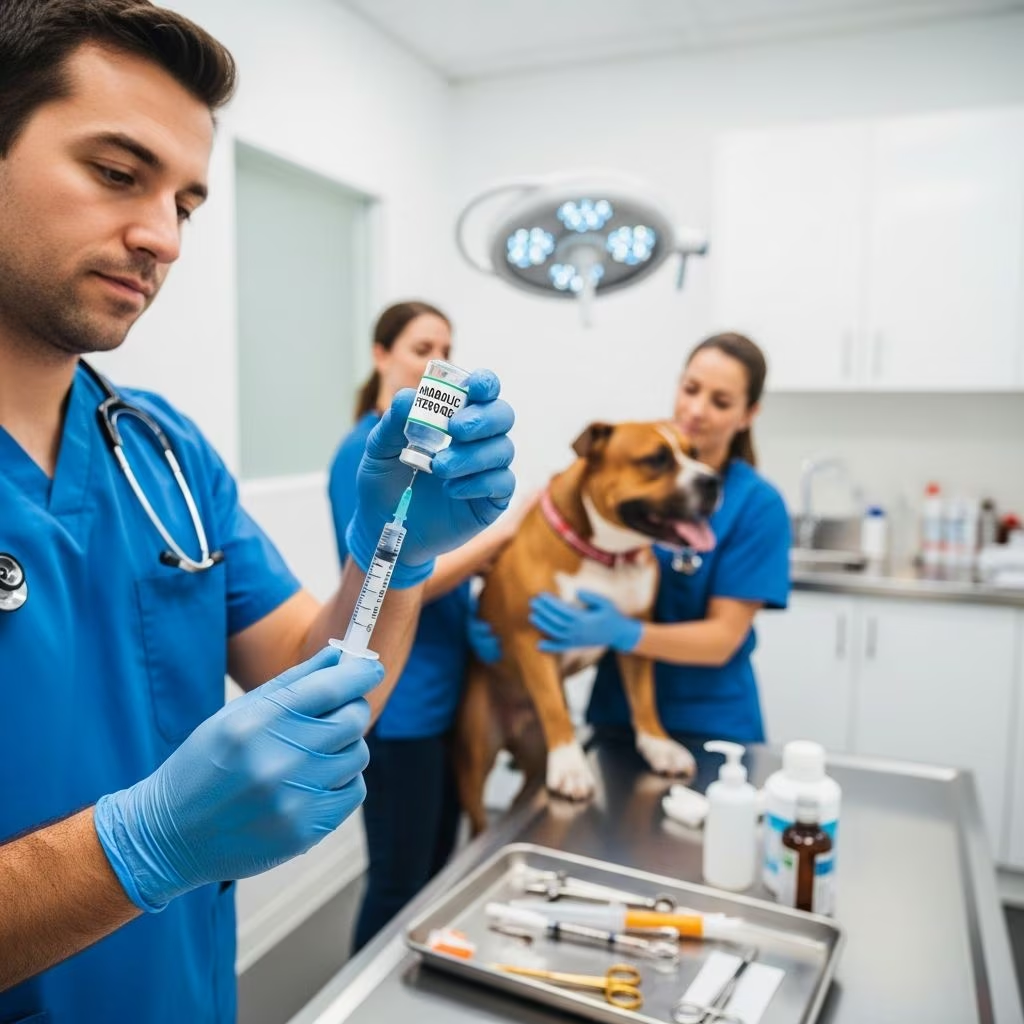
Anabolic steroids, synthetic derivatives of testosterone, play a significant role in veterinary medicine by promoting protein synthesis and muscle growth while minimizing androgenic effects. These compounds are employed to aid recovery in debilitated animals, enhance growth in livestock, and support therapeutic needs in performance animals like horses.
Understanding the Pharmacology of Anabolic Agents
Anabolic steroids function by binding to androgen receptors in muscle cells, triggering increased protein production and nitrogen retention. This leads to enhanced muscle mass, improved appetite, and faster tissue repair, particularly beneficial after illness, surgery, or malnutrition.
Common examples include nandrolone, boldenone, stanozolol, and testosterone derivatives. These are modified to amplify anabolic properties over androgenic ones, achieving a higher anabolic-to-androgenic ratio.
- Nandrolone: Often used in horses for anemia and debilitation.
- Boldenone: Promotes lean muscle in equine recovery.
- Stanozolol: Supports weight gain and vigor post-stress.
In ruminants, estradiol, progesterone, and testosterone implants deliver sustained release, boosting growth rates by 8-15% in bulls and lambs.
Therapeutic Applications Across Animal Species
In clinical settings, anabolic steroids address conditions involving muscle wasting, poor appetite, and slow recovery. They are particularly valuable in horses experiencing prolonged anorexia or post-surgical stress.
Equine Medicine Focus
Horses benefit from these agents during marked tissue breakdown from disease or injury. They stimulate appetite, increase muscle mass, and accelerate healing. However, use is restricted to therapeutic contexts under veterinarian supervision, avoiding performance enhancement.
Geldings may show testosterone-like behavioral changes, while mares can exhibit stallion-like aggression at high doses, suppressing reproduction temporarily.
Livestock Production Enhancement
In cattle and sheep, steroid implants improve feed efficiency and carcass quality. Bulls treated with estradiol grow faster with leaner meat, though testicular suppression reduces aggression for easier handling.
| Species | Common Steroid | Primary Benefit | Delivery Method |
|---|---|---|---|
| Cattle | Estradiol + Testosterone | 10-15% growth increase | Ear implants |
| Sheep | Trenbolone Acetate | Improved feed efficiency | Subcutaneous pellets |
| Horses | Nandrolone | Appetite stimulation | Injection |
Withdrawal periods are mandatory: at least 3 months before slaughter in food animals to ensure residue-free meat.
Mechanisms Driving Growth and Recovery
These steroids elevate plasma hormone levels, with estradiol implants causing initial spikes followed by stable elevation. Testosterone requires high concentrations (1-5 ng/mL) for efficacy but has a short half-life, often combined with others.
In young, underfed animals, they enhance protein synthesis, countering parasitism or pneumonic debilitation. Post-bone surgery, they promote callus formation.
Potential Risks and Side Effects
Despite benefits, anabolic steroids carry risks. Prolonged use may cause carcinogenic effects, like with diethylstilbestrol, and reverse sex behaviors due to residual androgenicity.
In horses, stallions may experience testicular atrophy, impairing fertility. Mares develop aggressive, mounting behaviors, delaying return to estrus.
- Reproductive suppression in females and intact males.
- Behavioral changes mimicking intact stallions in geldings.
- Potential for misuse in racing, banned by bodies like HISA.
Veterinarians must prescribe only for diagnosed conditions, preventing diversion to human use.
Regulatory Guidelines and Best Practices
Regulatory bodies emphasize therapeutic-only use. In equine sports, anabolic steroids are controlled substances, with adherence to jurisdiction rules required.
For food animals, implants are approved for growth but demand strict withdrawal. Misuse in racing horses is common historically, prompting stricter oversight.
Comparative Efficacy in Different Contexts
Studies show variable responses: high-concentrate fed lambs gain 10-15% more daily weight, mirroring cattle results. Equine benefits are more anecdotal for performance, solid for recovery.
FAQs
What are the main uses of anabolic steroids in veterinary medicine?
They treat debilitation, promote weight gain post-surgery, enhance appetite in horses, and boost livestock growth via implants.
Are anabolic steroids safe for breeding animals?
No, they can suppress reproduction, cause testicular issues in stallions, and induce stallion-like behavior in mares and geldings.
How are anabolic steroids administered in farm animals?
Typically as subcutaneous pellets or ear implants for sustained release over 100 days.
What is the withdrawal period for treated livestock?
Minimum 3 months before slaughter to clear residues.
Can anabolic steroids improve racing performance in horses?
Evidence is anecdotal; they are banned in competitions and recommended only therapeutically.
Future Directions in Veterinary Use
Ongoing research refines safer formulations with reduced side effects. 2025 AAEP revisions stress client-vet relationships for prescriptions. Balancing growth promotion with animal welfare remains key.
References
- Anabolic Steroids Lecture — University of Nairobi, College of Agriculture and Veterinary Sciences. 2014. https://phpt.uonbi.ac.ke/sites/default/files/cavs/vetmed/phpt/Anabolic%20steroids%202014.pdf
- Position on the Use of Anabolic Steroids — American Association of Equine Practitioners (AAEP). 2025. https://aaep.org/resource/position-on-the-use-of-anabolic-steroids/
- Anabolic Steroids – Uses and Abuses — dvm360. N/A. https://www.dvm360.com/view/anabolic-steroids-uses-and-abuses
- Anabolic Steroids — U.S. Department of Justice, DEA Diversion Control Division. N/A. https://www.deadiversion.usdoj.gov/drug_chem_info/anabolic.pdf
- A review of current chemistry, pharmacology, and regulation of anabolic androgenic steroids — PubMed/NCBI. 2023-05-29. https://pubmed.ncbi.nlm.nih.gov/37264491/
- Use of Steroid Hormones in Animals — MSD Veterinary Manual. N/A. https://www.msdvetmanual.com/pharmacology/growth-promotants-and-production-enhancers/use-of-steroid-hormones-in-animals



