

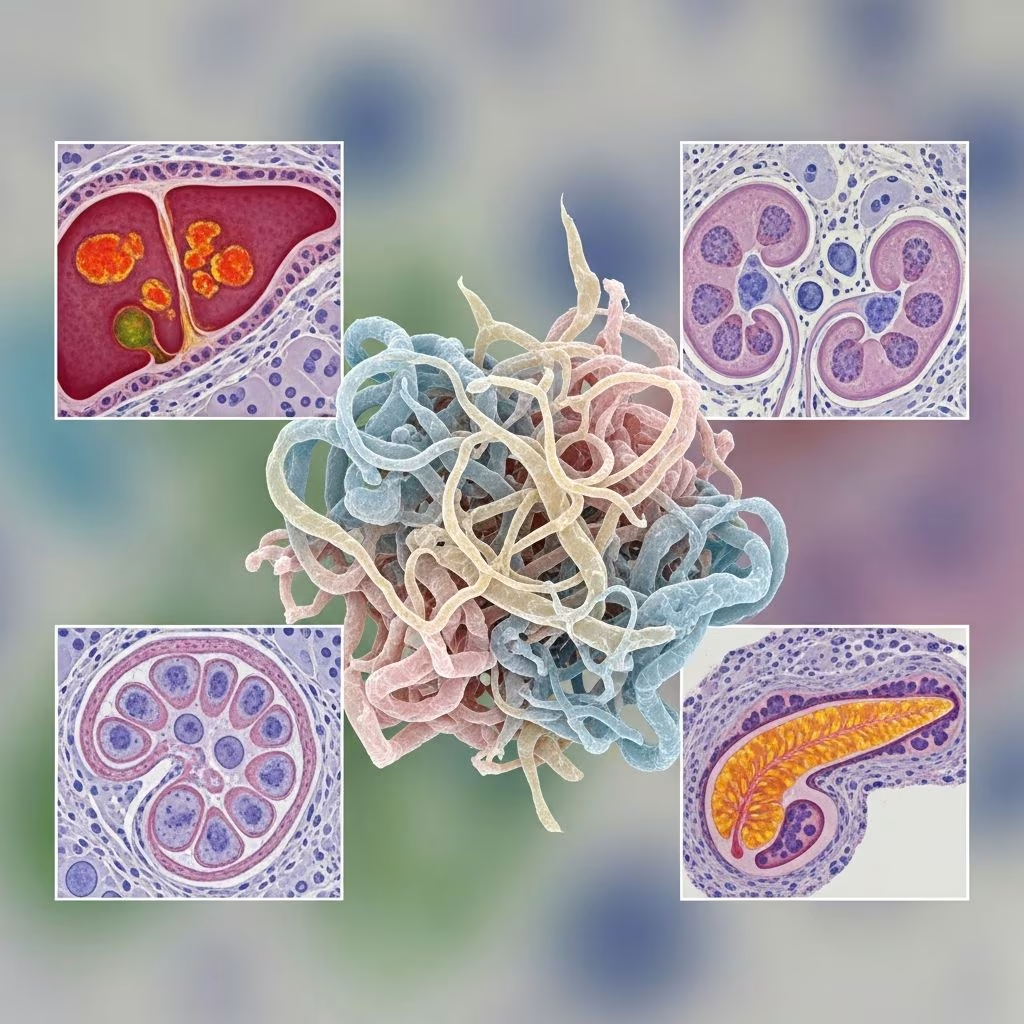
Amyloidosis represents a group of serious pathological conditions affecting numerous animal species, characterized by the abnormal deposition of misfolded protein fibrils in various tissues and organs. This disease occurs when amyloid, a substance composed of abnormally structured protein, accumulates outside of cells throughout the body, progressively disrupting normal organ function and leading to significant health complications. The condition spans multiple disease mechanisms, varying considerably in presentation and severity depending on the underlying cause, affected organ systems, and species involved.
The Biology of Amyloid Formation and Protein Misfolding
Amyloid deposition results from fundamental disturbances in protein folding and metabolism. The abnormal proteins aggregate into insoluble fibrillar structures that resist normal enzymatic degradation and accumulate progressively within tissues. These fibrillar deposits physically interfere with normal cellular architecture and physiological processes, creating mechanical obstruction and triggering inflammatory responses that accelerate organ dysfunction. The process occurs gradually over time, often remaining undetected until significant organ damage has already occurred.
The body’s normal protein quality control mechanisms fail to prevent amyloid formation in affected animals. Unlike properly folded proteins that integrate seamlessly into cellular structures and perform their intended functions, misfolded amyloid proteins resist degradation and instead polymerize into characteristic beta-sheet structures. These insoluble fibrils then deposit extracellularly, forming the pathological hallmark of amyloidosis across all affected tissues.
Classification of Amyloidosis: Different Disease Types
Amyloidosis classifications vary based on the specific protein composition involved and the underlying disease mechanisms driving accumulation. Understanding these distinctions proves essential for determining disease etiology and guiding management strategies.
AA-Amyloidosis: The Inflammatory Form
AA-amyloidosis represents the most prevalent amyloidosis type in domestic animals, occurring across mammals and birds. This form develops when chronic inflammatory conditions, persistent bacterial infections, or malignant neoplasms trigger sustained elevation of serum amyloid-A (SAA), an acute phase reactant protein. As part of the body’s inflammatory response, SAA production increases dramatically during infection or inflammation, and under certain circumstances, this protein misfolds and deposits as amyloid in various organs.
The liver, kidneys, spleen, and arterial walls typically accumulate amyloid deposits in AA-amyloidosis, though the pattern varies by species. Waterbirds particularly suffer from AA-amyloidosis, characterized by hepatic amyloid deposition. The disease develops insidiously, often causing no observable clinical signs until substantial organ damage has accumulated. Progressive renal or hepatic failure frequently represents the first clinical manifestation, occurring after months or years of silent amyloid accumulation.
AL-Amyloidosis: The Immunoglobulin Form
AL-amyloidosis occurs less frequently than AA-amyloidosis and develops through different mechanisms involving immunoglobulin light chain misfolding. This form typically emerges in association with plasma cell dyscrasia or certain malignant conditions, where plasma cells overproduce immunoglobulin light chains. These proteins become resistant to normal enzymatic degradation and aggregate into amyloid deposits.
AL-amyloidosis demonstrates distinct organ tropism compared to AA-amyloidosis, preferentially affecting nerve tissue and joint structures. Local cutaneous deposits may develop in dogs, appearing as nodular lesions on the skin surface. Systemic AL-amyloidosis associated with multiple myeloma or plasma cell tumors can affect virtually any organ system, with gastrointestinal, splenic, and bone marrow involvement reported in affected animals.
Familial Amyloidosis: Genetic Predisposition
Certain animal breeds demonstrate genetic susceptibility to amyloidosis, developing the disease through hereditary mechanisms independent of inflammatory triggers. Abyssinian and Somali cats exhibit familial amyloidosis predominantly affecting kidney tissue, while Siamese and Oriental cat breeds develop amyloidosis primarily in liver tissue. Shar Pei dogs experience familial amyloidosis with renal medullary deposits, often preceded by Shar Pei Fever, a periodic inflammatory syndrome that may predispose affected animals to amyloid formation.
These breed-specific forms demonstrate predictable organ involvement patterns, suggesting genetic determination of amyloid deposition sites. The hereditary nature of these conditions means affected animals should not participate in breeding programs, as transmission of susceptibility genes perpetuates disease occurrence in subsequent generations.
Clinical Presentations Across Organ Systems
The clinical manifestations of amyloidosis depend fundamentally on which organs accumulate amyloid deposits and the extent of functional disruption. Disease presentation varies dramatically between species and individuals.
Renal Amyloidosis and Kidney Dysfunction
Renal involvement represents the most common manifestation of amyloidosis in dogs and certain cat breeds, occurring when amyloid deposits accumulate within glomerular structures or the renal medulla. Progressive amyloid accumulation disrupts normal filtration mechanisms, leading to proteinuria (abnormal protein loss in urine), azotemia (elevated blood nitrogen compounds), and eventual renal failure. Animals with renal amyloidosis typically present with advanced kidney disease, as extensive damage must occur before clinical signs become apparent.
The kidney’s compensatory mechanisms mask progressive disease during early accumulation phases, allowing substantial pathological changes before functional decline becomes detectable through standard laboratory parameters. By the time owners recognize clinical abnormalities such as increased thirst, polyuria (excessive urination), or weight loss, renal function is often severely compromised.
Hepatic Amyloidosis and Liver Involvement
When amyloid deposits concentrate in hepatic tissue, animals may develop weakness, pale mucous membranes, abdominal distention, rapid heart rate, rapid breathing, and abdominal pain. Hepatic amyloidosis frequently causes bleeding complications due to disrupted liver synthetic function and structural deterioration. Siamese and Oriental cat breeds particularly experience hepatic amyloidosis, which can progress to severe hepatic dysfunction.
Systemic Manifestations and Multiorgan Involvement
Widespread amyloid deposition may affect multiple organ systems simultaneously, producing diverse clinical signs. Mouth ulceration, extreme weight loss, persistent vomiting, and dehydration may occur with systemic disease. Up to 40 percent of affected dogs develop thromboembolic complications (blood clots), potentially causing difficulty breathing or rear limb weakness depending on clot location.
Diagnostic Evaluation and Identification
Amyloidosis presents substantial diagnostic challenges due to its insidious progression and variable clinical presentations. Veterinarians must maintain high suspicion in animals with chronic inflammatory conditions or infections that develop progressive organ dysfunction.
Physical Examination Findings: General physical examination may reveal nonspecific abnormalities such as weight loss, dehydration, or enlarged organs (hepatomegaly, splenomegaly, or renomegaly when significant amyloid accumulation occurs).
Laboratory Analysis: Bloodwork often reveals azotemia, hyperproteinemia (elevated blood proteins), and hypoalbuminemia (reduced albumin) consistent with kidney or liver dysfunction. Urinalysis typically demonstrates significant proteinuria in animals with renal involvement.
Blood Pressure Monitoring: Many amyloidosis patients develop secondary hypertension (high blood pressure), which contributes to ongoing organ damage and requires detection and treatment.
Imaging Studies: Ultrasound examination may reveal organ enlargement or altered echotexture consistent with amyloid deposition, though imaging changes lack specificity for definitive diagnosis.
Definitive Diagnosis: Tissue biopsy remains the only method providing definitive amyloidosis diagnosis. Renal biopsies represent the standard approach in suspected cases, allowing histopathological examination and confirmation of amyloid deposits using special staining techniques that identify characteristic amyloid protein structures.
Management Strategies and Therapeutic Approaches
Unfortunately, amyloidosis lacks curative treatments that reverse protein deposition or prevent disease progression. Management focuses on supportive care, symptom control, and addressing underlying conditions contributing to amyloid formation.
Addressing Underlying Inflammatory Conditions
When chronic inflammation, infection, or malignancy drives AA-amyloidosis development, aggressive identification and treatment of these primary conditions may slow disease progression. Treating underlying bacterial infections, managing inflammatory diseases, or pursuing cancer treatment potentially reduces serum amyloid-A production and may limit further amyloid accumulation.
Supportive Care for Organ Failure
Animals developing kidney failure require hospitalization with intravenous fluid therapy to stabilize electrolyte balance and improve perfusion. Following stabilization, outpatient management focuses on kidney support through appropriate dietary modification and targeted medications. Phosphate binders, potassium-sparing agents, and other medications optimize remaining kidney function and extend survival duration.
Blood Pressure Management
Secondary hypertension develops in many amyloidosis patients and requires specific treatment to prevent further organ damage. Antihypertensive medications help protect remaining kidney function and reduce proteinuria.
Experimental and Adjunctive Therapies
Colchicine administration has shown promise in Shar Pei dogs affected by amyloidosis, potentially reducing harmful amyloid deposition effects. This medication requires careful monitoring due to potential drug interactions and side effects.
Antioxidant supplementation with vitamin C, lecithin granules, and glucosamine may provide supportive benefits, though evidence for their specific efficacy in amyloidosis remains limited. These agents may help reduce inflammation and support tissue function but do not prevent disease progression.
Transplantation Considerations
Kidney transplantation has been attempted in amyloidosis patients, but outcomes typically prove unsuccessful as amyloid deposits eventually accumulate in transplanted organs, resulting in graft failure.
Prognosis and Survival Outcomes
Amyloidosis carries a poor prognosis in most affected animals, primarily because diagnosis typically occurs after substantial organ damage has developed. Survival times vary considerably depending on disease severity, underlying cause, and response to supportive care, ranging from months to approximately two years in renal amyloidosis cases. The progressive nature of amyloid accumulation ensures continued deterioration despite therapeutic interventions.
Prevention and Breeding Considerations
Preventing amyloidosis requires different strategies depending on disease type. For AA-amyloidosis, prompt identification and treatment of chronic inflammatory conditions or infections may slow disease development in susceptible animals. Maintaining regular veterinary examinations, appropriate vaccinations, and rapid treatment of infectious or inflammatory processes optimizes early disease detection.
Familial amyloidosis prevention focuses on responsible breeding practices. Animals with confirmed amyloidosis should not be used in breeding programs, as genetic susceptibility passes to offspring. Breed registries and breeders in susceptible breeds should prioritize health screening and maintain detailed genetic records to identify and eliminate carrier animals from breeding populations.
Importantly, amyloidosis is not contagious and cannot spread between animals through direct contact, airborne transmission, or other infectious mechanisms.
Monitoring and Long-term Management
Animals diagnosed with amyloidosis require ongoing veterinary monitoring to detect emerging complications early. Regular assessment of organ function through periodic bloodwork, urinalysis, and blood pressure monitoring allows timely intervention for secondary complications such as hypertension or electrolyte imbalances.
Special Considerations for Affected Breeds
Breed-specific amyloidosis manifestations warrant tailored management approaches. Shar Pei owners should recognize that Shar Pei Fever episodes may increase amyloidosis risk and merit aggressive management. Abyssinian cat owners should monitor for early signs of renal dysfunction. Siamese cat owners require vigilance for hepatic dysfunction manifestations. Breed-specific awareness enables earlier detection and potentially extends survival duration through proactive monitoring.
References
- Amyloidosis in Dogs — VCA Animal Hospitals. https://vcahospitals.com/know-your-pet/amyloidosis-in-dogs
- A Concise Review of Amyloidosis in Animals — National Center for Biotechnology Information (PMC3329740). https://pmc.ncbi.nlm.nih.gov/articles/PMC3329740/
- Amyloidosis in Dogs — Merck Veterinary Manual, Dog Owners Edition. https://www.merckvetmanual.com/dog-owners/disorders-affecting-multiple-body-systems-of-dogs/amyloidosis-in-dogs
- Renal Amyloidosis — Cornell University College of Veterinary Medicine. https://www.vet.cornell.edu/departments-centers-and-institutes/cornell-feline-health-center/health-information/feline-health-topics/renal-amyloidosis
- Amyloidosis — University of Missouri College of Veterinary Medicine, Feline Genetics and Comparative Medicine Laboratory. https://cvm.missouri.edu/research/feline-genetics-and-comparative-medicine-laboratory/feline-research-projects/amyloidosis/



