Amphibians In Lab Research: Essential Protocols And Ethics
Exploring the vital role of frogs, toads, and salamanders in advancing scientific discovery through ethical laboratory studies.
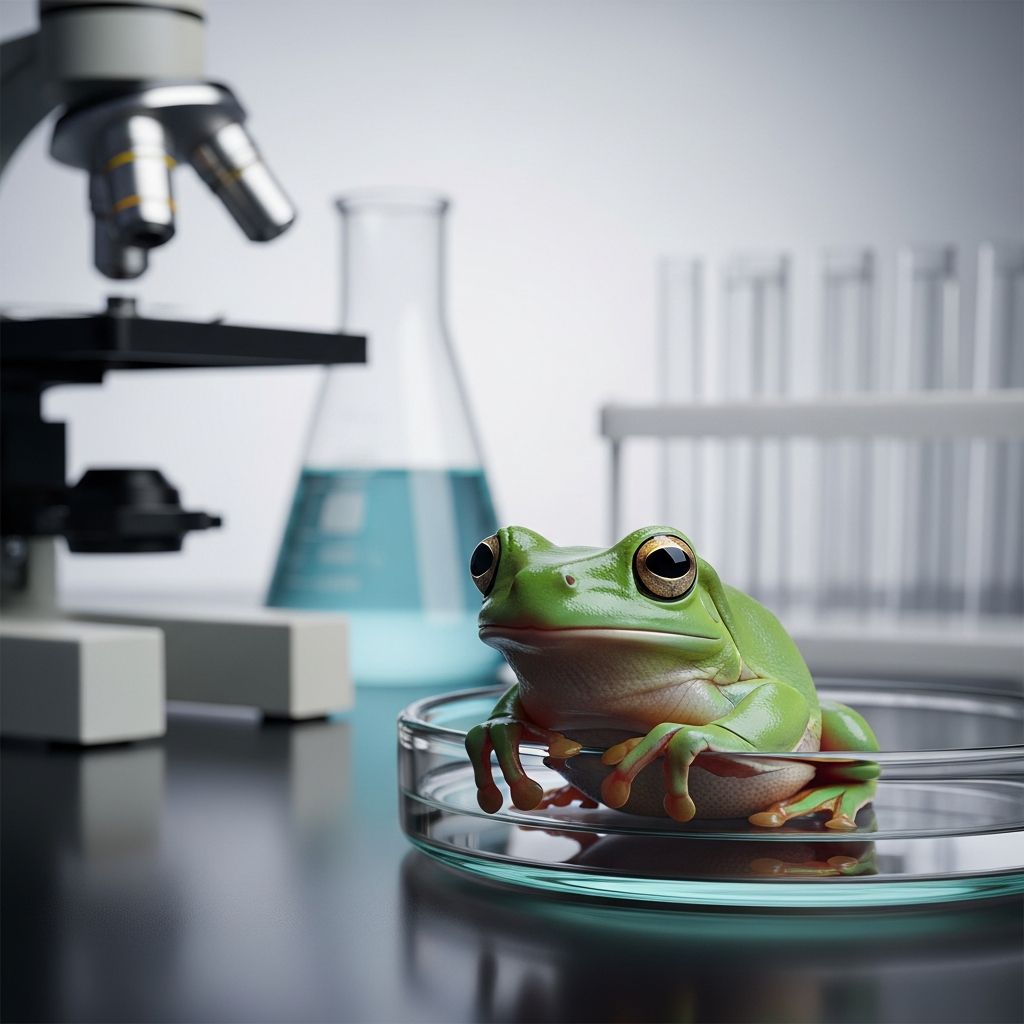
Amphibians, including frogs, toads, and salamanders, have long been indispensable in laboratory settings, offering unique biological traits that bridge evolutionary gaps and illuminate complex physiological processes. Their permeable skin, remarkable regenerative abilities, and adaptability to varied environments make them ideal for studies spanning developmental biology, toxicology, and neuroscience. This article delves into their selection, maintenance, experimental applications, and ethical considerations, drawing from established veterinary and research guidelines to ensure both scientific rigor and animal welfare.
Why Choose Amphibians for Experimental Work?
Amphibians stand out due to their physiological similarities to higher vertebrates, including humans, while possessing simpler systems that facilitate detailed investigations. Species like the African clawed frog (Xenopus laevis) are favored for their external fertilization, rapid embryonic development, and genetic tractability, enabling breakthroughs in embryology and transgenics. Northern leopard frogs (Rana pipiens) and bullfrogs (Rana catesbeiana) excel in cardiovascular and renal research, tolerating environmental fluctuations better than mammals.
Taxonomic diversity allows comparative analyses; for instance, urodeles (salamanders) demonstrate limb regeneration, informing regenerative medicine, while anurans (frogs and toads) model air-breathing evolution. Their lower metabolic rates reduce maintenance costs, and they require less space than rodents, making them economical for large-scale studies.
Popular Species and Their Unique Advantages
Laboratory amphibians are sourced from captive colonies or regulated wild collections to minimize ecological impact. Key species include:
- African Clawed Frog (Xenopus laevis): Aquatic, fully understood metabolically, ideal for systems biology and ‘omics’ research. Produces large egg clutches for IVF and cryopreservation.
- Bullfrog (Rana catesbeiana): Robust for physiology; used in neurology and endocrine studies due to large size.
- Northern Leopard Frog (Rana pipiens): Versatile for sensory and reproductive research; historically prominent in Nobel-winning work.
- Tiger Salamander (Ambystoma tigrinum): Models hormone-induced reproduction and cryopreservation for conservation.
- Cane Toad (Rhinella marina): Hardy, suited for toxicology and environmental disruptor studies.
Captive breeding programs, such as those at universities and zoos, supply consistent, disease-free stock, reducing variability in experiments.
Optimal Housing and Environmental Management
Maintaining amphibians demands precise replication of their natural habitats to prevent stress and disease. Terrestrial species need moist substrates like coconut fiber or sphagnum moss, with hides and climbing structures. Aquatic forms require dechlorinated water at 18–25°C, filtered systems, and hiding spots.
| Species Type | Temperature (°C) | Humidity (%) | Water Quality | Photoperiod |
|---|---|---|---|---|
| Aquatic (Xenopus) | 20–24 | N/A | pH 6.5–8, <1 ppm ammonia | 12L:12D |
| Semi-aquatic (Rana) | 18–22 | 70–90 | Filtered, oxygenated | 14L:10D |
| Terrestrial (Bufo) | 22–28 | 80–100 | Moist substrate | 12L:12D |
Regular monitoring of water parameters is crucial; ammonia spikes can lead to skin ulcers. Quarantine new arrivals for 30 days to screen for pathogens like chytrid fungus. UVB lighting supports vitamin D synthesis in some species, though needs vary.
Feeding Strategies for Health and Growth
Diet must match life stage and species. Juveniles thrive on high-protein invertebrates like crickets and mealworms, dusted with calcium and multivitamins weekly. Adults may receive earthworms, fish pellets, or commercial amphibian chow. Feeding occurs 2–5 times weekly to avoid obesity.
- Gut-load prey 24–48 hours prior with nutritious greens for optimal nutrition.
- Monitor body condition scores; underfeeding stunts growth, overfeeding causes fatty liver.
- Aquatic species benefit from floating foods to prevent substrate fouling.
Supplements prevent metabolic bone disease; calcium:phosphorus ratio should be 2:1.
Health Surveillance and Common Diseases
Amphibians are sentinel species for environmental toxins due to skin absorption. Routine exams include weight checks, skin inspections for redness or sloughing, and oral swabs for Batrachochytrium dendrobatidis (Bd). Ranavirus causes lethargy and hemorrhages; PCR testing confirms.
Parasites like lungworms require fecal floats; bacterial dermatitis from Aeromonas needs antibiotics like enrofloxacin. Euthanasia criteria include non-feeding >2 weeks or severe ulceration.
Handling Techniques to Minimize Stress
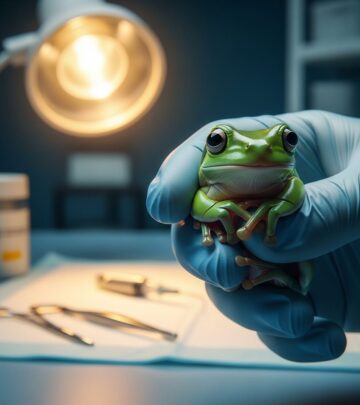
Gentle handling preserves mucus layers, preventing desiccation and infection. Use wet nets for aquatics; support body weight for terrestrials. Anesthetize with MS-222 (50–200 mg/L) for procedures >5 minutes. Pain assessment relies on behaviors like escape attempts or cloacal gaping.
Blood Collection and Surgical Protocols
Non-lethal sampling limits to 1% body weight volume. Sites: cardiac (terminal), ventral tail vein, or lingual plexus in frogs. Use heparinized syringes; apply pressure post-puncture.
Surgery employs sterile techniques; analgesics like butorphanol (0.5 mg/kg) post-op. Amphibians regenerate well but require analgesia based on nociceptor evidence.
Key Research Applications and Contributions
Physiological Investigations
Amphibians model musculoskeletal, cardiovascular, and renal functions. Xenopus reveals insulin signaling; Rana studies lung evolution.
Reproductive and Conservation Technologies
Hormone therapies induce spawning; cryopreservation banks genetics for endangered species like Mississippi gopher frogs.
Environmental and Toxicological Studies
Skin permeability detects endocrine disruptors; sentinels for pollution.
Ethical Frameworks and Regulatory Compliance
IACUC oversight ensures minimization of distress, statistical justification of numbers, and alternatives search. Field collections follow permits; 3Rs (Replacement, Reduction, Refinement) guide protocols.
FAQs
What makes Xenopus ideal for labs?
Its large embryos, ease of microinjection, and genetic tools support developmental studies.
How to prevent chytrid in colonies?
Quarantine, itraconazole baths, and biosecure facilities.
Are amphibians sentient?
Evidence suggests pain perception via opioid systems; analgesia recommended.
Can amphibians be used in teaching?
Yes, for basic biology, with humane endpoints.
What is the future of amphibian models?
Integration with genomics and conservation ART.
References
- Amphibians as animal models for laboratory research in physiology — Burggren W, Warburton S. 2007-06-27. https://pubmed.ncbi.nlm.nih.gov/17592189/
- Amphibian Care & Handling – FIU Research — Florida International University. 2024. http://research.fiu.edu/documents/iacuc/animalCareDocuments/guidelinesAmphibiansReptilesLab.pdf
- Guidelines for Use of Live Amphibians and Reptiles in Field and Laboratory Research — American Society of Ichthyologists and Herpetologists. 2024-06. https://cdn.wou.edu/iacuc/files/2024/06/Guidelines-for-Use-of-Live-Amphibians-and-Reptiles-in-Field-and-Laboratory-Research.pdf
- Amphibian Conservation Research — Mississippi State University Conservation Physiology Lab. 2024. https://conservationphys.msstate.edu/amphibian-art.php
- Amphibians as Laboratory Animals — Merck Veterinary Manual. 2024. https://www.merckvetmanual.com/exotic-and-laboratory-animals/amphibians/amphibians-as-laboratory-animals
Similar Articles








Read full bio of medha deb