Amphibians Essentials: Biology, Care, And Health Guide
Comprehensive guide to amphibian biology, care, health, and conservation for pet owners and enthusiasts.
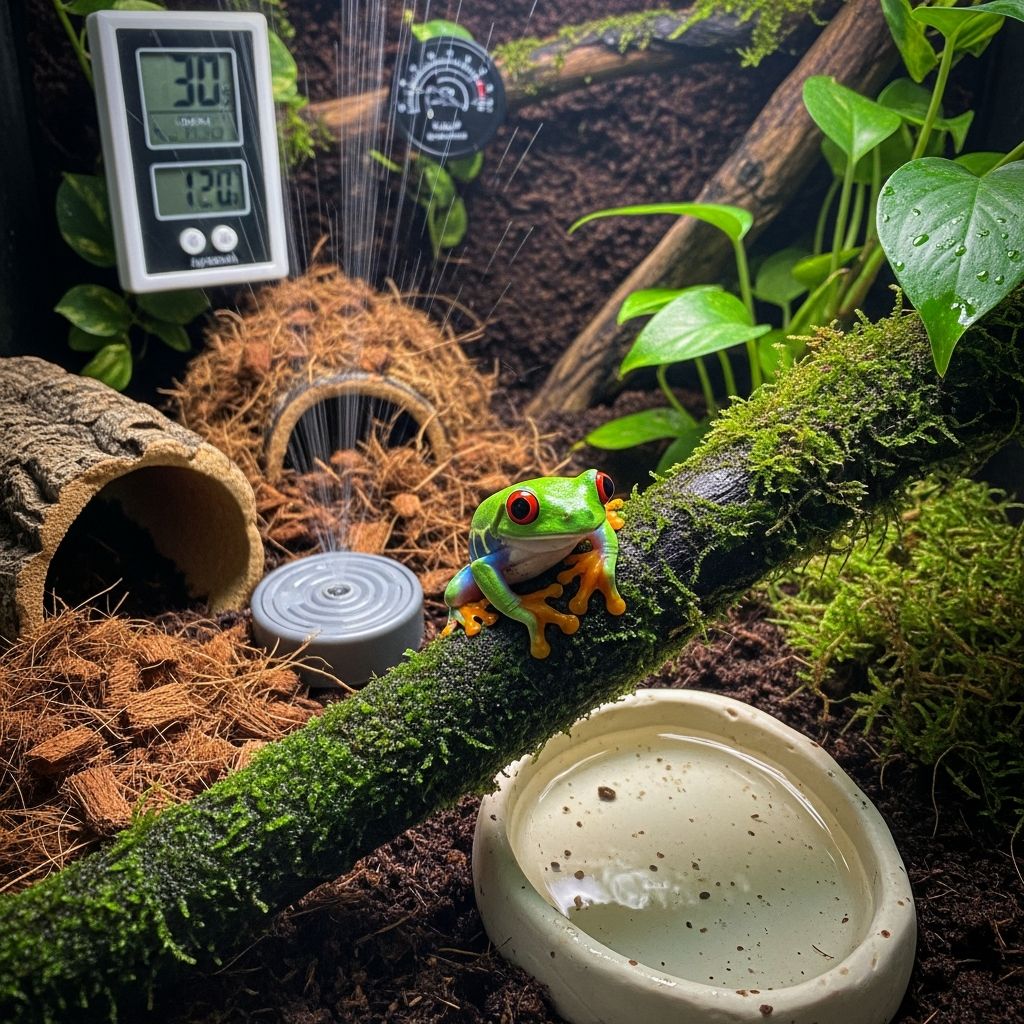
Amphibians represent a fascinating group of vertebrates that bridge aquatic and terrestrial environments, making them popular yet challenging pets. Understanding their unique biology and care requirements is crucial for ensuring their well-being.
Biological Foundations of Amphibians
Amphibians, classified under the class Amphibia, are ectothermic vertebrates whose body temperatures fluctuate with their surroundings. This cold-blooded nature influences their metabolism, activity levels, and habitat preferences. They possess moist, permeable skin devoid of scales, which serves multiple functions including respiration, hydration, and defense.
Key anatomical features include a three-chambered heart with two atria and one ventricle, facilitating efficient circulation in variable environments. Most species feature four limbs, though some like caecilians are limbless and worm-like. Gaseous exchange occurs via gills in larvae, lungs in adults, and significantly through the skin—a process known as cutaneous respiration.
Diversity Across Amphibian Orders
- Anura (Frogs and Toads): Characterized by long hind legs for jumping, these species dominate amphibian pet trade with over 6,000 varieties worldwide.
- Urodela (Salamanders and Newts): Retain larval features like tails into adulthood; known for regeneration abilities.
- Gymnophiona (Caecilians): Burrowing, limbless forms adapted to soil environments, less common in captivity.
Life Cycle and Metamorphosis
The hallmark of amphibian development is metamorphosis, transforming aquatic larvae into terrestrial or semi-terrestrial adults. Eggs, typically laid in clutches of hundreds in water, hatch into tadpoles with external gills and finned tails. Thyroxine hormones trigger changes: gills regress, lungs develop, limbs emerge, and tails may be resorbed.
This process varies; some species bypass free-living larvae, hatching as mini-adults (direct development). Environmental factors like temperature and water quality profoundly impact survival rates.
| Stage | Key Features | Habitat | Respiration |
|---|---|---|---|
| Egg | Jelly-coated, laid in water | Aquatic | None (embryonic) |
| Larva (Tadpole) | Gills, tail, herbivorous | Aquatic | Gills |
| Metamorphosis | Limb growth, lung development | Transitional | Gills to lungs/skin |
| Adult | Legs, lungs, carnivorous | Semi-terrestrial | Lungs and skin |
Housing and Environmental Needs
Replicating natural habitats is paramount for pet amphibians. Most require high humidity (70-100%), clean water sources, and secure enclosures to prevent escapes. Terrariums should include substrates like moss or coconut fiber for burrowing species, live plants for climbing frogs, and temperature gradients (20-30°C daytime, cooler nights).
- Water quality: Use dechlorinated water; test for pH (6.5-8.0), ammonia (0 ppm), nitrites (0 ppm).
- UVB lighting: Optional for some, aids vitamin D synthesis.
- Ventilation: Essential to avoid mold, but maintain humidity.
Aquatic species like African clawed frogs need spacious aquariums with filtration; terrestrial ones like fire-bellied toads prefer paludariums combining land and water.
Nutrition and Feeding Strategies
Amphibians are opportunistic feeders. Larvae often graze algae or detritus, while adults are predatory, consuming insects, worms, or small vertebrates. Gut-loading prey with nutritious foods enhances vitamin intake.
Feeding schedules vary: juveniles daily, adults 2-3 times weekly. Dust food with calcium and multivitamin supplements to prevent metabolic bone disease.
| Species Group | Primary Diet | Supplements Needed |
|---|---|---|
| Frogs/Toads | Crickets, mealworms | Calcium, Vitamin D3 |
| Salamanders | Earthworms, waxworms | Vitamin A, Calcium |
| Aquatic Larvae | Algae, boiled lettuce | None typically |
Common Health Challenges
Amphibians’ permeable skin makes them susceptible to environmental toxins, infections, and nutritional deficiencies. Signs of illness include lethargy, skin discoloration, bloating, or refusal to eat.
- Chytridiomycosis: Fungal disease devastating wild populations; symptoms include sloughing skin.
- Red Leg (Bacterial Dermatosepticemia): Caused by Aeromonas; treat with antibiotics.
- Metabolic Bone Disease: From poor calcium; results in deformed limbs.
- Parasites: Internal (nematodes) or external (flies); fecal exams recommended.
Quarantine new arrivals for 30-90 days. Annual veterinary check-ups by exotic pet specialists are advised.
Reproduction in Captivity
Most amphibians reproduce externally in water, with males grasping females (amplexus). Provide shallow breeding pools, cooler temperatures to induce spawning, and gentle water flow. Success rates improve with species-specific cues like rainfall simulation.
Conservation and Ethical Pet Ownership
Global declines threaten over 40% of species due to habitat loss, pollution, and disease. Choose captive-bred specimens from reputable sources to avoid wild collection pressures. Support conservation via organizations like the Amphibian Ark.
Frequently Asked Questions (FAQs)
Can amphibians live fully terrestrial lives?
No, most require access to water for breeding and skin hydration, though some like certain toads tolerate drier conditions.
How do I handle my pet amphibian safely?
Minimize handling; use wet gloves to protect their skin. Wash hands before and after.
What is the lifespan of common pet amphibians?
Frogs/toads: 5-20 years; salamanders: 10-30 years with proper care.
Are amphibians good for beginners?
Some like African dwarf frogs yes; advanced species like dart frogs require expertise.
How to prevent obesity in amphibians?
Feed appropriately sized prey; avoid overfeeding, monitor body condition.
References
- Amphibians Characteristics, Life Cycle & Examples – Lesson — Study.com. Accessed 2026. https://study.com/academy/lesson/amphibian-life-cycle.html
- Amphibian — Wikipedia. Accessed 2026. https://en.wikipedia.org/wiki/Amphibian
- Amphibian Biology and Husbandry — ILAR Journal, Oxford Academic. 2007-09-17. https://academic.oup.com/ilarjournal/article/48/3/203/663160
- 29.3: Amphibians — Bio LibreTexts. Accessed 2026. https://bio.libretexts.org/Bookshelves/Introductory_and_General_Biology/General_Biology_1e_(OpenStax)/5:_Biological_Diversity/29:_Vertebrates/29.3:_Amphibians
- Amphibian | Characteristics, Life Cycle, & Facts — Britannica. Accessed 2026. https://www.britannica.com/animal/amphibian
Similar Articles








Read full bio of medha deb