Amphibian Nutrition Guide: Essential Feeding Tips
Master the essentials of feeding pet amphibians for optimal health, growth, and longevity in captivity.
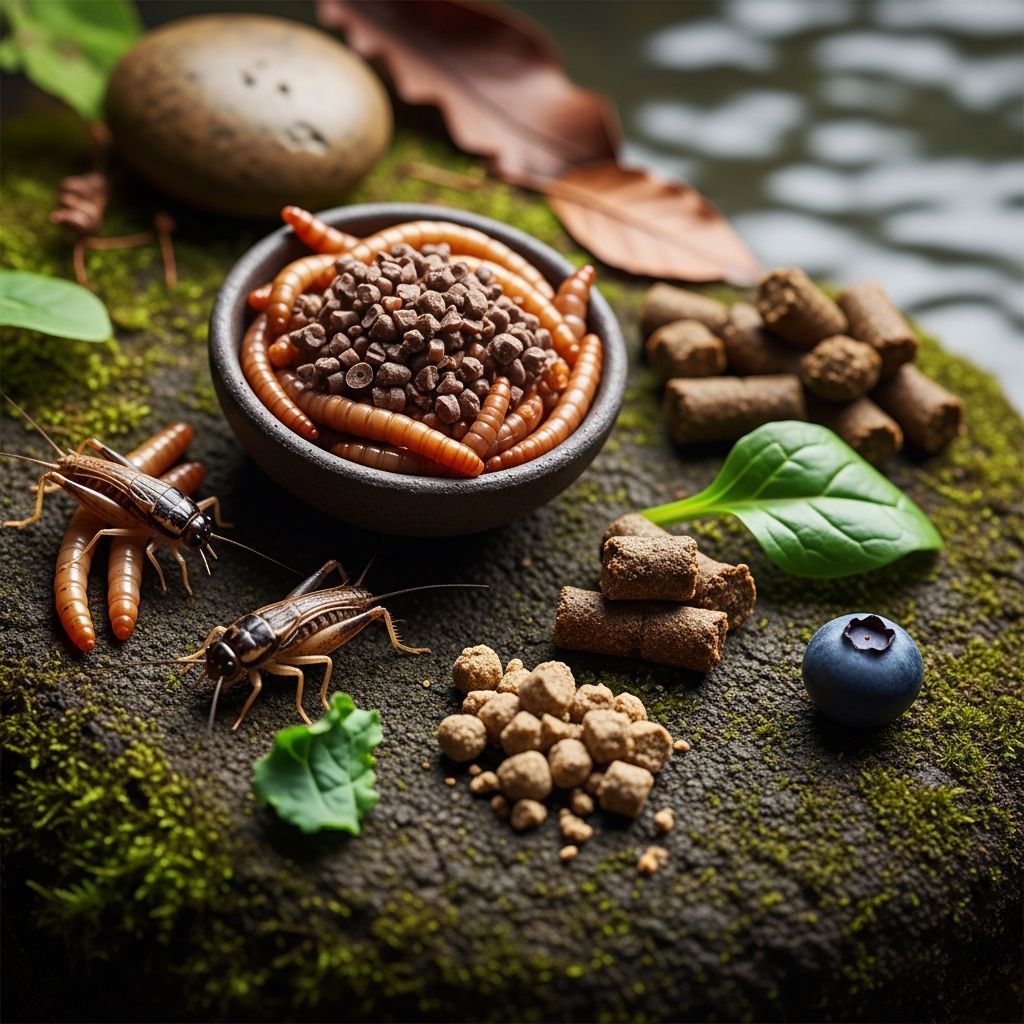
Providing the right diet is crucial for pet amphibians like frogs, toads, salamanders, and newts to thrive in captivity. These animals have diverse dietary needs based on species, age, and life stage, ranging from protein-rich insects for carnivores to plant-based foods for herbivores. Proper nutrition supports growth, reproduction, immune function, and prevents common issues like metabolic bone disease.
Understanding Amphibian Dietary Diversity
Amphibians exhibit varied feeding habits influenced by their natural habitats. Most adult frogs and toads are carnivorous, preying on live insects, while some salamanders include small vertebrates or worms. Tadpoles often shift from herbivorous or omnivorous diets to carnivory post-metamorphosis. Herbivorous species, though rarer, rely on greens and fruits. Water quality and skin absorption play key roles in overall nutrient uptake, as amphibian skin is permeable to electrolytes and water-soluble compounds.
Species-specific requirements must guide feeding. For instance, arboreal frogs need fast-moving prey, while aquatic newts prefer slower swimmers. Overlooking these can lead to malnutrition, obesity, or starvation.
Carnivorous Amphibians: Insect-Based Diets
The majority of pet amphibians are carnivores, requiring high-protein diets from live prey. Common choices include crickets, mealworms, waxworms, earthworms, roaches, fruit flies, and hornworms. These should mimic wild diets, providing essential amino acids like arginine and glycine, which are vital for uricotelic species.
- Crickets: Staple food; gut-load with high-calcium diets 24-72 hours prior for better nutrition.
- Mealworms/Waxworms: Treats only due to high fat; limit to 10-20% of diet.
- Earthworms: Excellent for burrowing species like salamanders; source from pesticide-free areas.
- Roaches/Dubia roaches: Nutritious, less likely to escape; breed colonies for sustainability.
Feed prey items up to the width of the amphibian’s head to prevent impaction. Juveniles need daily meals, adults every 2-3 days. Variety prevents nutritional gaps; rotate 3-5 insect types weekly.
Omnivorous and Herbivorous Amphibians
Some amphibians, like certain tadpoles or adult species such as African clawed frogs, are omnivorous. Herbivores include specific frogs or caecilians needing plant matter. Offer dark leafy greens like collards, mustard greens, turnip greens, dandelion greens, and escarole. Avoid high-oxalate foods like spinach or goitrogens like kale in excess, as they bind calcium or affect thyroid function.
- Vegetables: Squash, green beans, peas, carrots (grated), bell peppers.
- Fruits: Berries, melon, apples (sparingly, due to sugar).
- Fiber sources: For high-fiber needs, include hay or grass clippings from untreated lawns.
Commercial pellets for herbivores should comprise no more than 50% of the diet; soak to soften. Combine with veggies for balance.
Essential Nutritional Supplements
Wild amphibians get nutrients from diverse sources and UVB exposure, but captives need supplementation. Key deficiencies include calcium, vitamin A, and D3.
| Nutrient | Role | Supplementation Method | Frequency |
|---|---|---|---|
| Calcium | Bone health, prevents MBD | Dust prey or veggies; gut-load insects | Every feeding |
| Vitamin A | Skin/eye health | Dietary pre-formed vitamin A or beta-carotene | 2-3x/week |
| Vitamins/Minerals (multi) | Overall balance | Reptile-specific powders | 1-2x/week |
| D3 | Calcium absorption | UVB lighting + supplements | As needed |
Gut-loading insects with calcium-rich diets 24-72 hours before offering maximizes transfer. Dust lightly to avoid excess. Store supplements cool and dark. Vitamin A via diet ensures consistency across species.
Hydration and Water Quality in Nutrition
Amphibians absorb water and electrolytes through skin, making substrate and water osmolarity critical. Maintain dechlorinated water at species-specific pH and hardness. Calcium uptake occurs via skin in many species, supplementing dietary sources. Moist hides and misting aid hydration without drowning risk.
Feeding Techniques and Schedules
Tailor schedules by life stage:
- Tadpoles: Algae wafers, boiled spinach, fish flakes; daily.
- Juveniles: Frequent small meals for growth.
- Adults: Every other day; monitor body condition.
Use tongs for picky eaters; remove uneaten food to prevent mold. Weigh monthly; adjust if under/overweight. Breeding females need extra calcium.
Common Nutrition Mistakes to Avoid
Errors can cause health issues:
- Single prey type: Leads to imbalances.
- Wild-caught insects: Pesticide risk.
- Over-fruiting herbivores: Obesity, diarrhea.
- Skipping supplements: MBD, skin problems.
- Poor gut-loading: Phosphorus excess.
Consult vets for symptoms like lethargy or deformities.
Special Considerations for Popular Species
Dart Frogs
Fruit flies dusted with supplements; microfauna like springtails for cleanup.
Fire-Bellied Toads
Crickets, worms; group feeding stimulates appetite.
Axolotls
Earthworms, pellets, bloodworms; no live fish (risk of injury).
Tree Frogs
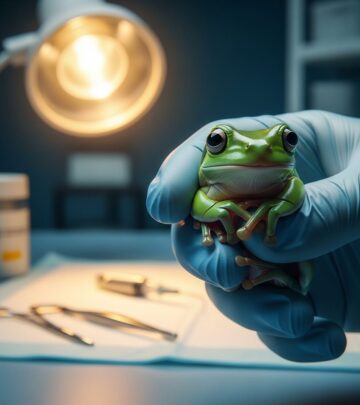
Small crickets, flies; vertical enclosure aids hunting.
Monitoring Health Through Diet
Observe for bright eyes, active hunting, firm stools. Shedding issues signal low vitamin A. Shedding issues signal low vitamin A. Annual vet checkups with fecal exams ensure parasite-free prey.
FAQs
How often should I feed my pet frog?
Juveniles daily, adults 2-3 times weekly, depending on size and activity.
Can amphibians eat mealworms daily?
No, limit to treats; high fat content risks obesity.
What’s gut-loading and why is it important?
Feeding insects nutrient-dense food beforehand transfers vitamins/minerals to your pet.
Do all amphibians need calcium supplements?
Yes, especially insectivores; dust every meal.
Can I feed wild insects to my amphibian?
Avoid; pesticides and parasites pose risks.
Sustainable Feeding Practices
Raise colonies of roaches or crickets. Use gel feeders for flightless fruit flies. Opt for farmed worms. This cuts costs and ensures quality.
References
- Reptiles & Amphibians | Proper Nutrition — Animal House of Chicago. Accessed 2026. https://animalhouseofchicago.com/news/reptile-amphibian-herbivore-nutrition
- Nutrition and Health in Amphibian Husbandry — PMC – NIH. 2015-11-19. https://pmc.ncbi.nlm.nih.gov/articles/PMC4685711/
- Reptile and Amphibian Nutrition — DVM360. Accessed 2026. https://dvm360storage.com/cvc/proceedings/sd/Exotic%20Animal%20Medicine/de%20la%20Navarre/de%20la%20Navarre,%20Byron_Reptile_amphibian_nutrition.pdf
- How To Feed Your Bearded Dragon — NC State Veterinary Hospital. Accessed 2026. https://hospital.cvm.ncsu.edu/services/small-animals/nutrition/how-to-feed-your-bearded-dragon/
- Reptiles & Amphibians, Part II: Diet & Lighting — Rhinebeck Animal Hospital. Accessed 2026. https://rhinebeckanimalhospital.com/blog/46874-reptiles-amp-amphibians-part-ii-diet-amp-lighting
Similar Articles








Read full bio of Sneha Tete