Amphibian Health Challenges: Complete Care Guide For Owners
Comprehensive guide to identifying and managing common health issues in captive amphibians
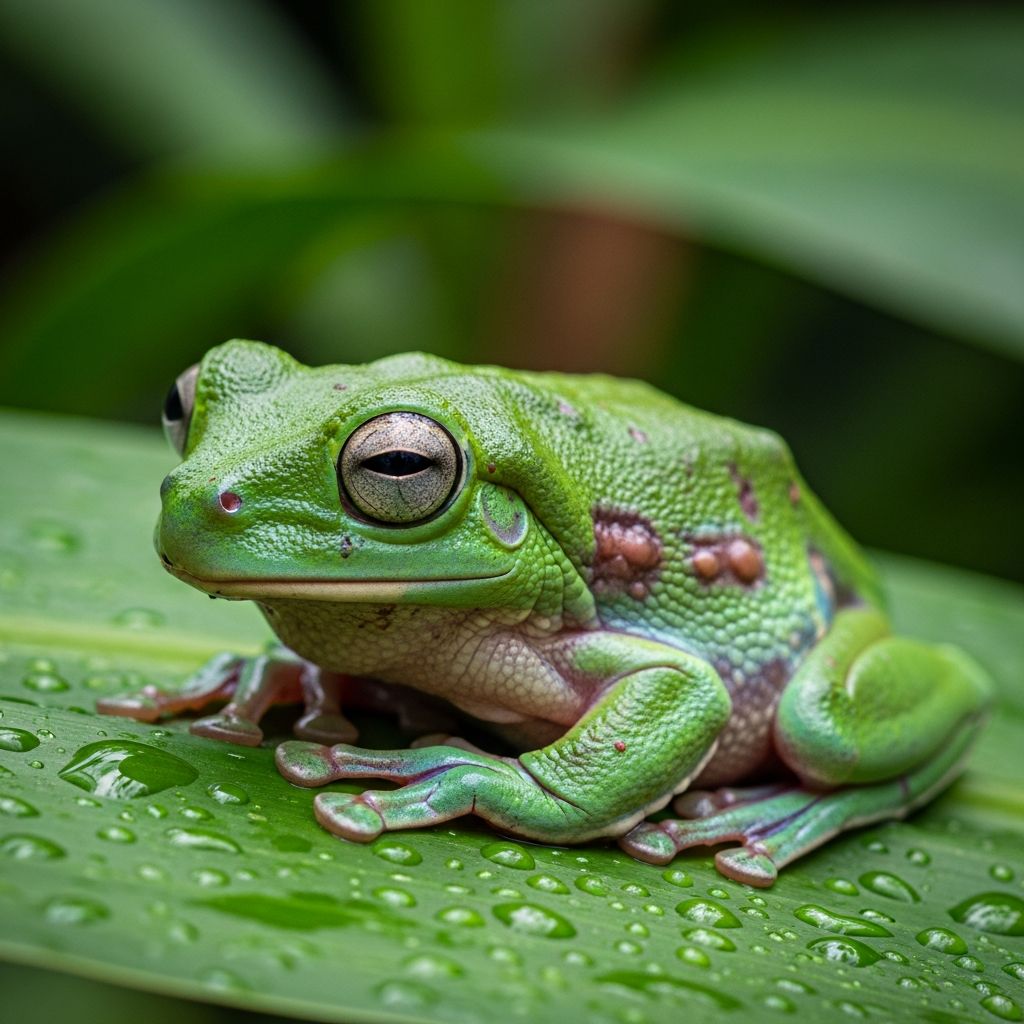
Amphibians kept in captivity face numerous health threats that differ significantly from those encountered by their wild counterparts. Environmental stressors, improper husbandry practices, and exposure to pathogens create a complex landscape of potential diseases. Understanding these health challenges and recognizing early warning signs is essential for anyone responsible for the care of frogs, salamanders, newts, or other amphibian species. This comprehensive guide explores the major disease categories affecting captive amphibians and provides insight into prevention and management strategies.
Bacterial Infections and Their Complications
Bacterial pathogens represent one of the most significant threats to captive amphibian populations. These infections often develop when environmental conditions deteriorate or when animals experience physiological stress. The severity of bacterial infections can range from localized skin problems to life-threatening systemic disease.
Red leg syndrome stands as one of the most recognizable bacterial conditions in amphibians. This condition manifests as reddening of the ventral surfaces, typically affecting the limbs and abdomen. Infected animals display lethargy, loss of appetite, and progressive weight loss. The underlying cause involves various bacterial species that penetrate the skin barrier, often when amphibians are housed in poor-quality water or exposed to stress. Early identification through bacterial culture and sensitivity testing proves crucial for successful treatment. Veterinarians typically recommend broad-spectrum antibiotics administered through injection, as this route delivers higher therapeutic concentrations than oral medications.
Another significant bacterial concern involves mycobacterial infections, which develop gradually and prove particularly challenging to treat. These infections cause granulomatous skin lesions, weight loss, and neurologic complications. The slow progression of mycobacterial disease means animals may appear clinically normal while harboring significant infection. Diagnosis typically requires histologic examination of affected tissues, and treatment involves prolonged courses of antimicrobial agents such as doxycycline or oxytetracycline.
Prevention of bacterial diseases begins with maintaining pristine water conditions and appropriate environmental parameters. Animals susceptible to bacterial infections include recently acquired specimens and those maintained in inadequate conditions. Regular water changes, proper filtration, and maintaining water temperature within species-appropriate ranges significantly reduce bacterial disease risk.
Fungal Diseases and Skin Infections
Fungal pathogens affect amphibians through various mechanisms, with some fungi attacking the skin surface while others establish systemic infections. The challenge in diagnosing fungal diseases lies in the similarity of clinical presentations across different fungal species.
Chytrid fungus infection represents a particularly devastating fungal disease affecting amphibians worldwide. This pathogen, *Batrachochytrium dendrobatidis*, colonizes the skin and disrupts normal integumentary function. Early signs include appetite loss and lethargy, progressing to excessive skin shedding with opaque, gray-white appearance. Affected animals display reddening of the belly similar to bacterial dermatosepticemia, along with abnormal posturing and poor coordination. When chytrid infection combines with concurrent bacterial infection, the outcome becomes even more grave, requiring aggressive simultaneous treatment with antibiotics and antifungals.
Treatment approaches for chytridiomycosis involve medicated baths and environmental modifications. Itraconazole baths administered at 0.01% concentration for five minutes daily over ten to eleven days show promise, particularly when combined with temperature management within the animal’s normal thermal range. Terbinafine applied as a buffered bath solution or voriconazole spraying represents alternative therapeutic options. Environmental temperatures above 23°C may help suppress the infection when appropriate for the species.
Saprolegniasis occurs as a secondary fungal infection, particularly in animals with compromised skin integrity or those housed in suboptimal conditions. This infection appears as cotton-like growths on the skin and oral tissues of aquatic species. The underlying cause typically involves poor water quality, inadequate temperature control, or excessive organic debris in the enclosure. Treatment requires correcting environmental deficiencies while applying topical antifungals or raising water temperature above 20°C to facilitate natural lesion resolution. Localized infections may benefit from surgical debridement followed by daily application of high-salinity saltwater baths.
Chromomycosis presents as pigmented fungal nodules on the skin, appearing as light-tan to dark-gray growths. This infection tends to establish systemically, eventually affecting the central nervous system. Once the infection becomes widely disseminated, survival rates drop dramatically even with aggressive antifungal therapy. Early recognition and treatment provide the best chance for successful outcomes.
Parasitic Infestations and Their Management
Parasites commonly affect captive amphibians, with multiple parasite classes capable of causing clinical disease. The stress of captivity often allows parasites to proliferate beyond levels tolerated in wild populations.
Roundworm infections, particularly those caused by Rhabdias species (lungworms), represent the most frequently encountered parasitic problems. These parasites appear as small white worms visible beneath the mucus layer on the skin. Wild amphibians often carry light parasite burdens without clinical disease, but captive conditions and stress promote heavy infestations resulting in mortality. Diagnosis involves microscopic examination of skin scrapings performed immediately after collection. Treatment with anthelmintic medications such as fenbendazole or ivermectin requires careful dosing and repeated administration at two-week intervals. Additionally, frequent water changes and removal of shed skin help prevent reinfection and spread to cage mates.
Protozoal infections encompass various parasitic threats, including amoebiasis caused by *Entamoeba ranarum*. While ciliated protozoans are commonly observed during fecal examinations, they rarely cause significant gastrointestinal disease. However, higher parasite loads correlate with poor water quality and inadequate filtration, indicating that environmental management directly influences parasite burden. When clinical disease is present, metronidazole or tetracycline antibiotics provide treatment options. For amoebic infections specifically, metronidazole administered orally for three to five days shows efficacy, often requiring concurrent supportive care including fluid therapy and nutritional supplementation.
Viral Infections and Rapid Disease Progression
Ranavirus infections develop rapidly and typically affect multiple animals within a population simultaneously. This highly contagious virus causes nonspecific clinical signs that may resemble bacterial or fungal infections, complicating diagnosis. Affected animals display abnormal swimming behavior, limb swelling, body edema, and fluid accumulation within the coelomic cavity. Ventral skin hemorrhaging, particularly in the rear abdomen, and occasional skin ulcerations provide additional diagnostic clues. The rapid onset of signs in multiple cohorts should immediately raise suspicion for ranavirus infection.
Unfortunately, no specific antiviral treatment exists for ranavirus. Management focuses on supportive care, strict isolation protocols to prevent transmission to other animals, and accepting that mortality rates remain high even with optimal care. Prevention relies entirely on quarantine procedures for new animals and maintaining rigorous sanitation protocols.
Nutritional and Metabolic Disorders
Environmental conditions and dietary deficiencies combine to create metabolic diseases that affect bone health and overall function. Nutritional metabolic bone disease results from improper lighting, inadequate calcium supplementation, or imbalanced calcium-to-phosphorus ratios in the diet. Affected animals display tetany, tremors, and eventual inability to move normally. Successful treatment requires immediate correction of husbandry deficiencies while administering systemic calcium supplementation for severely affected individuals. Even with complete environmental correction, permanent skeletal deformities may persist throughout the animal’s life.
Thiamine deficiency causes neurologic complications including loss of balance, disorientation, and poor coordination. This condition responds well to thiamine therapy when caught early, with veterinary injection followed by dietary supplementation. Prevention involves routine dietary thiamine supplementation at 250 mg per kilogram of food consumed.
Water Quality and Environmental Factors
The condition of the amphibian’s environment directly influences susceptibility to numerous diseases. Multiple water quality parameters require regular monitoring and maintenance to prevent disease development.
| Water Parameter | Impact on Health | Correction Method |
|---|---|---|
| Ammonia | Causes skin damage and secondary infections | Fresh water baths or sodium thiosulfate treatment |
| Chlorine | Toxicity affecting respiratory and integumentary systems | Fresh water baths or sodium thiosulfate baths |
| Nitrate/Nitrite | Chronic toxicity leading to disease susceptibility | Methylene blue baths and water changes |
| pH | Affects bacterial and fungal populations | Gradual adjustment to species-appropriate range |
| Dissolved Oxygen | Insufficient oxygen causes respiratory stress | Aeration and water circulation improvement |
| Temperature | Outside optimal ranges suppresses immune function | Temperature adjustment to species requirements |
Poor water quality creates the foundation for disease development. Malnourished animals, recently acquired specimens, and those in inadequate environmental conditions face elevated disease risk. Daily water container cleaning and sanitization, frequent water changes, and maintenance of appropriate temperatures form the cornerstone of disease prevention.
Diagnostic Approaches for Common Diseases
Accurate diagnosis requires specific examination techniques tailored to suspected diseases. Skin scrapings examined immediately under microscopic magnification reveal parasites and fungal hyphae. Fecal examinations identify internal parasites and protozoal infections. Bacterial culture and sensitivity testing direct antibiotic selection for bacterial infections. Histologic examination of affected tissues may be necessary for definitive diagnosis of mycobacterial or chromycotic infections.
Veterinarians should obtain samples carefully to avoid contamination and submit them promptly to laboratories. The timing of sample collection relative to disease onset significantly influences diagnostic success.
Prevention and Husbandry Best Practices
Disease prevention depends primarily on optimal environmental management and proper husbandry protocols:
- Maintain water temperature within species-appropriate ranges with minimal fluctuation
- Perform water changes at least 25-50% weekly, or more frequently if water quality testing indicates problems
- Provide appropriate lighting (including UVB for terrestrial species) for species-specific requirements
- Feed varied, nutritionally complete diets with regular calcium and vitamin supplementation
- Quarantine new animals for minimum 30 days before introducing them to established colonies
- Implement strict sanitation protocols including daily enclosure cleaning
- Monitor all animals daily for early signs of disease or behavioral changes
- Maintain separate feeding and cleaning equipment for each enclosure to prevent cross-contamination
- Immediately isolate any animal showing clinical signs of illness
Treatment Considerations and Prognosis
Once disease develops, treatment success varies significantly depending on the disease type, stage of infection, and individual animal factors. Early intervention dramatically improves outcomes for most conditions. However, some infections such as advanced chromomycosis or widespread ranavirus infections carry poor prognosis despite aggressive treatment.
Amphibians respond differently to medications than mammals, and dosing requires careful calculation based on individual body weight. Treatment compliance proves challenging because amphibians cannot be medicated through standard methods, necessitating baths, injections, or oral administration with feeding.
Common Questions About Amphibian Health
Q: Can I treat sick amphibians at home without veterinary care?
A: Some conditions may respond to environmental correction and supportive care, but most diseases require professional veterinary diagnosis and treatment. Attempting home treatment without proper diagnosis often delays necessary care and worsens outcomes.
Q: How quickly do amphibian diseases progress?
A: Disease progression varies widely. Ranavirus causes rapid deterioration within days, while mycobacterial and fungal infections develop gradually over weeks. Early recognition of any clinical signs should prompt immediate veterinary consultation.
Q: Are amphibian diseases contagious to other pets?
A: Most amphibian diseases do not transmit to mammals or birds. However, ranavirus, chytrid fungus, and parasites readily spread between amphibian species, making strict quarantine essential.
Q: What is the most important factor in preventing amphibian disease?
A: Optimal environmental management surpasses all other considerations. Proper temperature, water quality, lighting, and nutrition create the foundation for strong immune function and disease resistance.
References
- Infectious Diseases of Amphibians — MSD Veterinary Manual. 2024. https://www.msdvetmanual.com/exotic-and-laboratory-animals/amphibians/infectious-diseases-of-amphibians
- How To Recognize And Prevent Medical Ailments In Amphibians — Reptiles Magazine. 2024. https://reptilesmagazine.com/how-to-recognize-and-prevent-medical-ailments-in-amphibians/
- Chytridiomycosis — Cornell Wildlife Health Lab. 2024. https://cwhl.vet.cornell.edu/resource/chytridiomycosis
- Disorders and Diseases of Amphibians – All Other Pets — Merck Veterinary Manual. 2024. https://www.merckvetmanual.com/all-other-pets/amphibians/disorders-and-diseases-of-amphibians
- Diseases of Amphibians — Amphibian Ark. 2018. https://www.amphibianark.org/wp-content/uploads/2018/07/Diseases-of-amphibians.pdf
- Amphibian Diseases — U.S. Geological Survey. 2024. https://www.usgs.gov/diseases-of-aquatic-organisms/amphibian-diseases
Similar Articles








Read full bio of medha deb