
Amphibian Handling and Restraint: Safe Techniques
Master safe amphibian handling with evidence-based restraint techniques and protective measures.
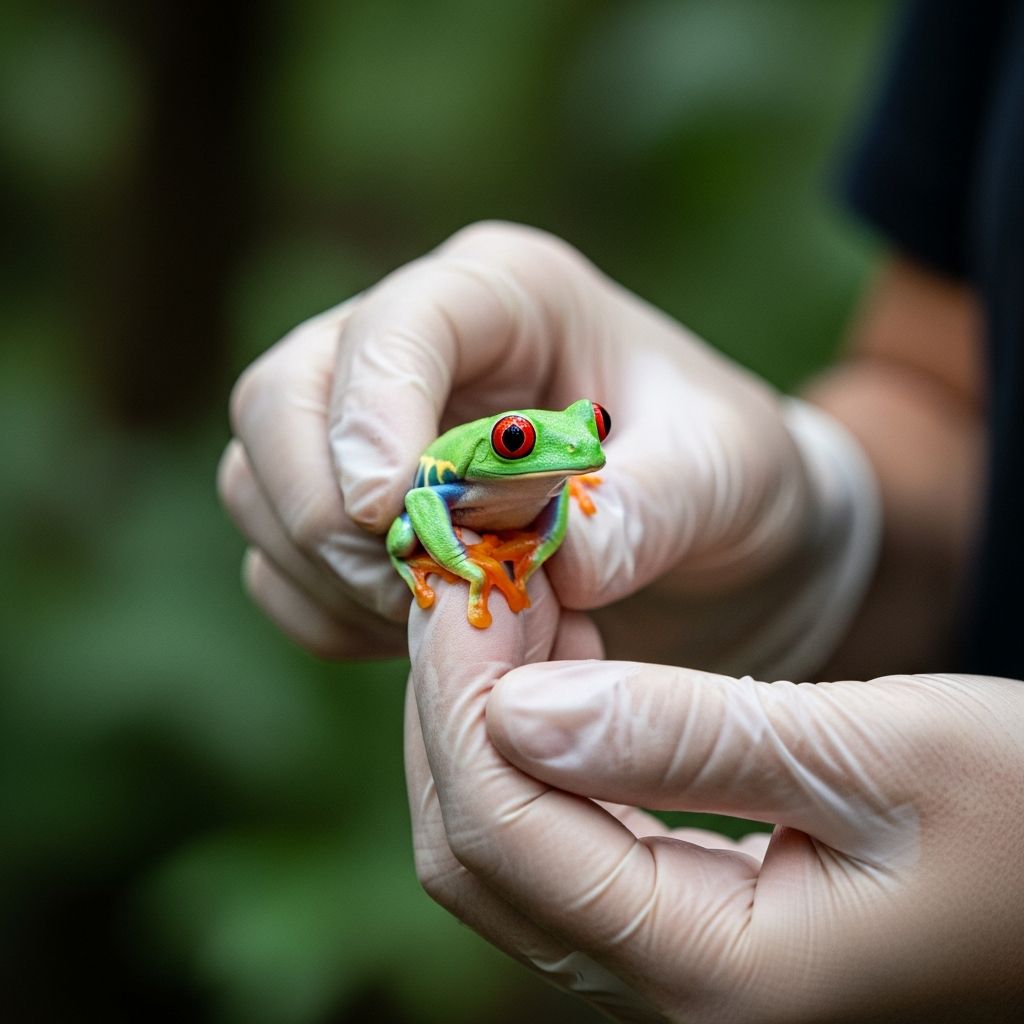
Amphibian Handling and Restraint: Essential Techniques for Veterinary Practice
Amphibians represent a diverse group of over 8,000 extant species belonging to three distinct orders: Anura (frogs and toads), Caudata or Urodela (salamanders, newts, and sirens), and Gymnophiana or Apoda (caecilians). Proper handling and restraint of these delicate animals is fundamental to their care in veterinary and clinical settings. This comprehensive guide addresses the essential techniques, equipment, and considerations necessary for safe amphibian management, emphasizing the importance of minimizing stress and preventing injury to both the patient and handler.
Fundamentals of Amphibian Handling
The cornerstone of amphibian handling practice is the principle of minimization. Both handling time and frequency should be kept to the absolute minimum to reduce stress on the patient. Amphibians possess sensitive physiology that responds negatively to prolonged or frequent manipulation. Prior to any physical handling, a thorough visual examination should be performed. This examination can be significantly aided by placing the amphibian in a clear container or plastic bag, allowing for detailed assessment without direct contact. This approach provides valuable diagnostic information while protecting the animal from unnecessary stress.
The delicate nature of amphibian skin requires specialized protective measures. The use of moistened, disposable gloves is essential during handling and restraint procedures, as these gloves substantially reduce the risk of trauma to the amphibian’s delicate skin. Latex, nitrile, and to a lesser extent vinyl gloves have been associated with mortalities in some amphibian species, particularly tadpoles. Therefore, careful selection of glove materials is critical when working with sensitive species. Moistening these gloves creates a barrier that prevents the direct removal of the protective mucus layer that covers amphibian skin.
Understanding Amphibian Defense Mechanisms
Many amphibian species possess multiple defensive mechanisms that can prove hazardous to handlers and must be understood before capture and restraint. These mechanisms include developed parotid gland toxins in toads, toxic skin secretions, thickened mucoid secretions, aggressive biting behavior, death feigning, body inflation, and micturition (urination). Some salamander species are particularly notable for their capability to undergo tail autotomy, dropping their tails when handled as a defense mechanism. Understanding these defense strategies is not only important for handler safety but also for minimizing unnecessary stimulation of these behaviors, which can injure or stress the animal.
Larval Amphibian Management
Larval amphibians present unique challenges in handling and require special attention. These organisms should be handled at the absolute minimum, as larvae begin to dry as soon as they are removed from water and will die quickly if they are not returned to water or moistened regularly. The critical nature of water contact for larval survival cannot be overstated. Any handling of tadpoles or other larval forms must be brief and purposeful, with immediate return to appropriate aquatic conditions. Additionally, the sensitivity of larvae to glove materials necessitates careful consideration of which materials are used during any necessary handling procedures.
Specific Handling Techniques for Different Amphibian Groups
Frogs and Toads (Anura)
Many medium-sized and large frogs and toads can be safely gripped around the pectoral or pelvic girdle. This technique provides secure restraint while minimizing pressure on vital organs. However, small anurans weighing less than 5 grams present particular challenges and require specialized approaches. To minimize the risk of traumatic injury, chemical restraint may be necessary for small specimens. Alternatively, a small specimen may be secured between the handler’s thumb and forefinger so that it lies across the handler’s palm, creating a secure but gentle hold that prevents escape while avoiding crushing pressure.
Salamanders and Newts (Caudata/Urodela)
Salamanders require careful handling due to their delicate bodies and the potential for tail autotomy. These animals should be supported along their entire body length, with handlers being extremely gentle during any manipulation. The risk of tail loss means that restraint should be gentle and minimize stress that might trigger this defense response. Never grasp a salamander by the tail, as this will almost certainly result in tail loss.
Caecilians (Gymnophiana/Apoda)
Caecilians are among the most specialized amphibians and should receive handling appropriate to their burrowing nature. These animals are generally best left undisturbed when possible, with visual examination prioritized over physical restraint whenever feasible.
Transport Considerations
Proper transport of amphibians is critical to maintaining their health and minimizing stress. Amphibians should be transported in containers that maintain appropriate moisture levels without allowing excessive water exposure. Clear, breathable containers allow for visual monitoring while preventing unnecessary disturbance. Temperature regulation during transport is also important, as amphibians are ectothermic and sensitive to environmental temperature changes. Transport containers should be insulated to prevent rapid temperature fluctuations.
Equipment and Personal Protective Equipment
Proper equipment is essential for safe amphibian handling. The following items should be considered standard:
– Moistened, disposable gloves (avoiding latex and nitrile when possible)- Clear containers or plastic bags for visual examination- Appropriate restraint devices depending on species and size- Personal protective equipment for handlers, including protective eyewear when toxins may be involved- Supplies for maintaining appropriate moisture levels- Temperature control equipment for transport and examination areas
Zoonotic Disease Transmission Prevention
Amphibians can harbor zoonotic pathogens that pose risks to handlers and other animals. Measures to reduce the risk of zoonotic disease transmission are paramount in professional settings. These measures include proper hand hygiene before and after amphibian handling, use of disposable gloves and other barriers, and careful management of equipment that contacts multiple amphibians. Handlers should be aware of common pathogens associated with amphibians and understand routes of transmission. After handling amphibians, thorough hand washing with soap and warm water is essential, even when gloves have been worn.
Minimizing Patient Stress and Injury
The physiological stress response in amphibians to capture and restraint can be significant. Several strategies help minimize this response and its associated risks. Slow, deliberate movements during capture are preferable to rapid or aggressive approaches. Minimizing visual disturbance before capture can reduce anxiety. Once captured, maintaining appropriate environmental conditions including temperature and moisture is essential. Procedures should be performed as quickly and efficiently as possible to minimize handling time. Recovery periods between procedures should be provided when feasible, allowing the amphibian to return to baseline conditions before additional manipulation.
Examination Procedures
Visual examination should always precede physical examination when possible. Observers should look for signs of illness, injury, or abnormal behavior from a distance before approaching the animal. Detailed visual assessment can often provide significant diagnostic information without requiring physical restraint. When physical examination becomes necessary, it should be conducted systematically and efficiently. Palpation should be gentle and purposeful, with handlers using moistened gloves to reduce skin trauma. Oral examination, if necessary, should be performed carefully with appropriate instruments to avoid injury to delicate oral tissues.
Special Considerations for Different Sizes
Amphibian size significantly influences appropriate handling techniques. Large specimens generally tolerate more robust restraint techniques and can withstand firmer gripping. Medium-sized amphibians should be restrained with moderate pressure, supporting the body adequately while preventing escape. Small specimens require the most delicate approach, often necessitating chemical restraint or extremely gentle manual techniques. Very small specimens are best examined visually whenever possible, with physical examination limited to brief periods when absolutely necessary.
Capture Techniques
Proper capture technique sets the stage for successful restraint and examination. Captures should be planned and executed with deliberate movements rather than sudden grabs. When possible, herding the amphibian into a small container or corner may be preferable to direct physical capture. Once the animal is cornered or contained, the actual capture should be swift and decisive to minimize the stress of a prolonged approach. The initial grip is critical—improper initial capture can stress the animal and make subsequent restraint more difficult.
Common Mistakes in Amphibian Handling
Several common errors should be avoided in amphibian handling. Excessive handling time is the most frequent mistake, as it causes unnecessary stress and increases injury risk. Using inappropriate glove materials can result in mortality or significant skin damage. Grasping animals in ways that restrict breathing or exert pressure on vital organs can cause serious injury or death. Failing to maintain appropriate moisture levels during handling can result in dehydration and death. Rapid temperature changes during capture, transport, or examination can cause physiological stress. Inadequate visual examination before restraint can result in unnecessary physical contact and stress.
Training and Competency
Veterinarians and veterinary technicians working with amphibians should receive appropriate training in handling and restraint techniques specific to amphibian species. This training should include understanding amphibian biology, recognizing signs of stress and illness, understanding defense mechanisms, and practicing proper restraint techniques. Continuing education in amphibian medicine and husbandry is valuable for maintaining and updating competency in this specialized area. Practical experience under supervision is invaluable for developing the intuitive understanding necessary for safe amphibian handling.
Post-Handling Care
After examination or procedures requiring restraint, amphibians require appropriate recovery care. They should be returned to appropriate environmental conditions as quickly as possible. Water temperature should be appropriate for the species, and aquatic species should be returned to water promptly. A quiet recovery period should be provided, free from disturbance or further manipulation. Monitoring should continue after return to enclosure to ensure recovery is proceeding normally and no complications are developing. Signs of distress such as abnormal behavior, difficulty breathing, or lack of responsiveness should prompt immediate veterinary evaluation.
Frequently Asked Questions
Q: Why is minimizing handling time so important for amphibians?
A: Amphibians experience significant physiological stress during capture and restraint. Prolonged handling increases stress hormone levels, suppresses immune function, and increases injury risk. Minimizing handling time protects animal welfare and improves outcomes.
Q: Can I use standard latex gloves for amphibian handling?
A: No. Latex gloves have been associated with mortalities in amphibians, particularly tadpoles. Moistened, non-latex gloves or nitrile alternatives are preferable, though even these carry some risk with sensitive species.
Q: What should I do if an amphibian is very small?
A: Small anurans under 5 grams may require chemical restraint or extreme gentleness. They can be secured between thumb and forefinger across the palm. Visual examination should be prioritized over physical handling.
Q: How do I safely examine a tadpole?
A: Tadpoles should not be removed from water unless absolutely necessary. Visual examination through the water or in a clear container is preferred. If removal is necessary, it should be extremely brief, and the tadpole must be kept moist.
Q: What are the main defense mechanisms of amphibians I should be aware of?
A: Common defenses include toxic skin secretions, parotid gland toxins in toads, thickened mucoid secretions, biting, death feigning, body inflation, and urination. Some salamanders can drop their tails when threatened.
Q: How should I handle a salamander to prevent tail loss?
A: Never grasp salamanders by the tail. Support their entire body length gently, and minimize handling stress. Gentle, purposeful restraint reduces the likelihood of tail autotomy.
Q: What temperature considerations are important during amphibian handling?
A: Amphibians are ectothermic and sensitive to temperature changes. Maintain appropriate ambient temperature, minimize exposure to temperature extremes, and insulate during transport to prevent stress and physiological complications.
Q: How can I reduce zoonotic disease transmission risk?
A: Use appropriate personal protective equipment including gloves and eye protection when necessary. Wash hands thoroughly before and after handling. Use separate equipment for different animals and maintain proper sanitation protocols.
References
- Amphibian Handling and Restraint — LafeberVet. 2024. https://lafeber.com/vet/amphibian-handling-and-restraint/
- Herptile Handling Teaching Module — LafeberVet. 2024. https://lafeber.com/vet/herptile-handling/
- Low-Stress Veterinary Visits for Reptiles — Today’s Veterinary Nurse. 2024. https://todaysveterinarynurse.com/behavior/low-stress-veterinary-visits-for-reptiles/
- Exotic Animal Handling in Clinical Practice — Veterinary Medical Association. 2024. https://www.wavma.org/
Similar Articles








Read full bio of Sneha Tete


