Amphibian Emergency Care Guide: Stabilization Checklist
Essential protocols for handling crises in frogs, salamanders, and other amphibians to improve survival rates.
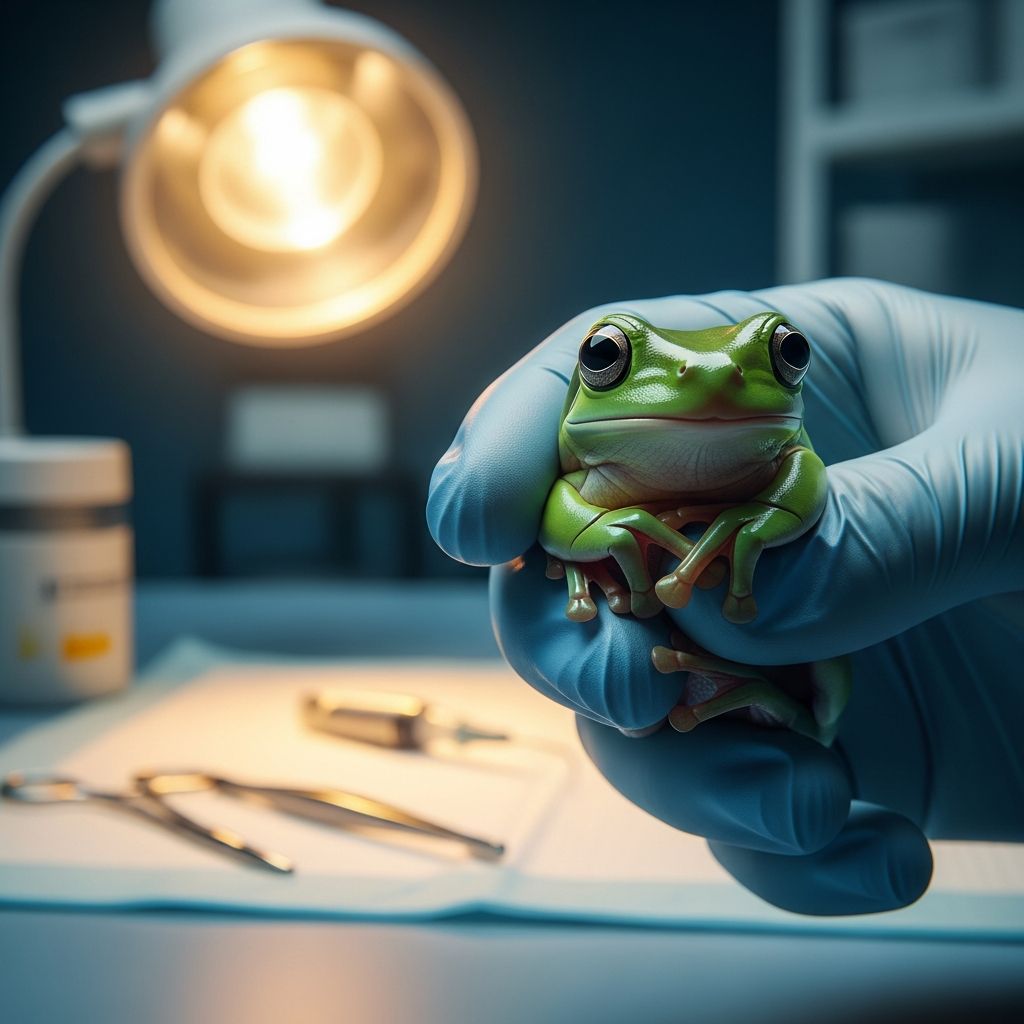
Amphibians like frogs, toads, salamanders, and newts demand prompt and precise intervention during health crises due to their unique physiology and sensitivity to environmental shifts. This guide outlines critical steps for stabilizing these animals, drawing from established veterinary practices to boost recovery chances.
Recognizing Distress Signals in Amphibians
Early detection of problems can mean the difference between life and death. Common indicators include lethargy, where the animal fails to respond to stimuli; abnormal respiration like gaping mouths or rapid breathing; skin discoloration ranging from pallor to unusual reddening; and buoyancy issues in aquatic species, such as floating unnaturally or sinking to the bottom.
- Lethargy: Reduced movement or failure to right oneself when flipped.
- Respiratory distress: Open-mouth breathing or exaggerated abdominal efforts.
- Skin abnormalities: Dryness, lesions, or unexpected pigmentation changes.
- Appetite loss: Refusal of food over several days.
- Swelling or prolapse: Visible protrusions from cloaca or other orifices.
These signs often stem from infections, trauma, poor husbandry, or toxins. Immediate isolation prevents disease spread in multi-animal setups.
Initial Stabilization Techniques
Upon spotting distress, prioritize a stable microenvironment. Amphibians are ectothermic, relying on external heat, so hypothermia frequently complicates emergencies. Transfer to an incubator set at 28-29°C (82-85°F) for most species, adjusting based on natural habitat—tropical frogs may need 30°C, temperate salamanders slightly lower.
Maintain hydration by misting terrestrial species or ensuring dechlorinated water for aquatics. Avoid tap water; use conditioners to neutralize chlorine and heavy metals. For dehydrated individuals, offer shallow soaks in electrolyte solutions like lactated Ringer’s, but never submerge non-ambulatory patients to prevent drowning.
| Condition | Immediate Action | Target Parameter |
|---|---|---|
| Hypothermia | Incubator warming | 28-30°C |
| Dehydration | Shallow soak or SC fluids | 10-30 mL/kg/day |
| Respiratory distress | Oxygen at 30-40% | Monitor effort |
| Trauma | Clean wound, isolate | Moist environment |
Essential Emergency Supplies Checklist
Prepare a dedicated kit for rapid response. Stock waterproof containers with items tailored to amphibian needs, ensuring a two-week supply for disasters.
- Dechlorinator and sterile saline for rinsing.
- Antibiotic ointment, povidone-iodine (10% solution), gauze, tweezers, scissors.
- Thermometer, hygrometer, heat packs, spray bottle.
- Small carriers with secure lids, hide boxes, substrate samples.
- Frozen prey backups, tongs, calcium supplements.
- Extension cords, bleach for disinfection, paper towels.
Rotate perishables like pelleted food quarterly. Include vet contacts, both local and regional, for referrals.
Safe Handling and Restraint Methods
Improper handling exacerbates stress. Always wear latex-free gloves moistened with tank water to prevent skin drying and toxin absorption through their permeable epidermis. Rinse glove powder thoroughly.
For restraint, use one hand over the head and another supporting the body gently. Avoid tail gripping in salamanders to prevent autotomy. Fragile species benefit from clear containers for observation. Keep animals damp via drips or sprays during out-of-water time, using home tank water preferentially.
Fluid Therapy and Rehydration Protocols
Dehydration manifests as sunken eyes, wrinkled skin, or weight loss. Calculate needs at 10-30 mL/kg/day, warmed to body temperature. Preferred routes: cloacal soaking for absorption, subcutaneous for mild cases (limited volume), or intraosseous in tibias for severe deficits over 48-96 hours.
Avoid overhydration; monitor for bloating. Soaks should allow head elevation to prevent aspiration.
Addressing Thermal Extremes
Hyperthermia from sun exposure can onset in minutes. Cool gradually with room-temperature fluids subcutaneously or intracoelomically, avoiding ice-cold baths. Suspect cerebral edema if coma-like; consider steroids per vet guidance.
Hypothermia demands slow rewarming to evade shock. Incubators with humidity control (70-90%) mimic ideal conditions.
Wound Management and Trauma Care
Common injuries include burns, shell cracks (in rare shelled forms), or tail loss. Clean with povidone-iodine diluted; skip harsh antiseptics like chlorhexidine that damage skin. Apply cornstarch to staunch minor bleeds, antibiotic ointment to wounds.
For exposed bone in amputations, sedate and trim under guidance. Prolapses require gentle cleaning and lubrication; surgical reduction may be needed.
Anesthesia and Sedation Essentials
Procedures causing pain necessitate anesthesia. MS-222 (tricaine methanesulfonate) immersion induces within 30 minutes: watch for skin reddening, righting reflex loss, respiratory pause. Maintain surgical plane 45-80 minutes; topically reapply if recovery starts.
Isoflurane gel (0.025-0.035 mL/g) offers topical alternative in fume hoods. Monitor depth: no corneal reflex signals deep plane. Recovery demands 15-minute checks until ambulatory; delay aquatic submersion.
Surgical Site Prep and Procedures
Prep involves saline rinses for debris removal, keeping skin moist. Disinfection optional with 10% povidone-iodine; avoid soaps. Use non-abrasive, damp surfaces. Post-op, house in clean, humid setups with hides for security.
Amphibians tolerate hypoxia well; confirm death only after resuscitation fails and rigor sets in.
Infection Control and Zoonotic Precautions
Salmonella risks handling amphibians; wash hands post-contact, wear gloves for immersions or wounds. Disinfect enclosures with diluted bleach. Isolate sick individuals.
Respiratory and Metabolic Emergencies
Pneumonia shows as open-mouth breathing or ventral erythema. Limit oxygen to 30-40% humidified to avoid respiratory suppression. Room air ventilation via bag-valve mask suits many.
Metabolic issues from poor diet/husbandry: supplement calcium, ensure varied prey nutrition.
Post-Emergency Recovery and Monitoring
Observe every 15 minutes post-anesthesia. Provide quiet, species-appropriate housing: semi-aquatic for some, terrestrial hides for others. Gradually reintroduce feeding with soft foods like baby food sans additives.
Track weight, behavior, feces. Seek vet for non-recovery within 48 hours.
Preventive Strategies for Long-Term Health
Daily checks, optimal husbandry (UVB if needed, clean water, balanced diet) avert crises. Emergency drills prepare owners. Partner with exotic vets for tailored plans.
Frequently Asked Questions
What temperature should I use for a sick frog?
Aim for 28-30°C in an incubator, matching its origin.
Can I use tap water for soaking?
No; dechlorinate first to avoid toxicity.
How do I know if my amphibian is dehydrated?
Look for skin tenting, sunken eyes, lethargy.
Is surgery safe for amphibians?
Yes, with proper anesthesia like MS-222; recovery is robust.
What if my salamander loses its tail?
Clean, monitor regeneration; no intervention if clean break.
References
- Emergency Preparedness for Reptiles and Amphibians — NJVOAD. 2024-05. https://www.njvoad.org/wp-content/uploads/2024/05/emergency-preparedness-reptiles-amphibians.pdf
- Guidelines on Amphibian Anesthesia Analgesia and Surgery — University of Michigan ULAM. Accessed 2026. https://az.research.umich.edu/animalcare/guidelines/guidelines-amphibian-anesthesia-analgesia-and-surgery/
- Care and Use of Amphibians — UC Davis Safety Services. Accessed 2026. https://safetyservices.ucdavis.edu/units/occupational-health/surveillance-system/zoonotic-diseases/amphibians
- Reptile Emergency & Critical Care Summary Page — LafeberVet. Accessed 2026. https://lafeber.com/vet/reptile-emergency-critical-care-summary-page/
- Caring for your pet amphibian — Agriculture Victoria. Accessed 2026. https://agriculture.vic.gov.au/livestock-and-animals/animal-welfare-victoria/other-pets/caring-for-your-pet-amphibian
Similar Articles








Read full bio of Sneha Tete