

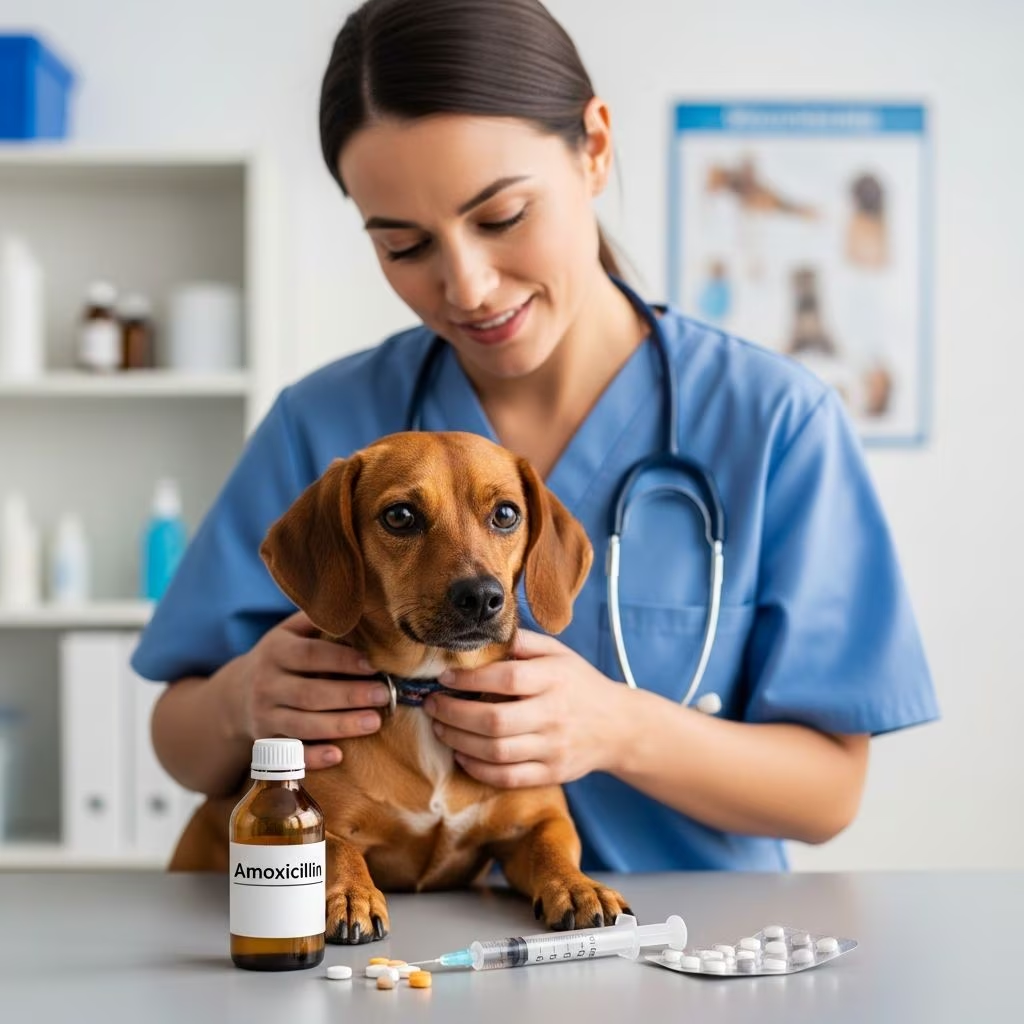
Bacterial infections are among the most common health concerns affecting dogs and cats. Veterinarians frequently turn to amoxicillin as a trusted solution because it has demonstrated effectiveness across multiple species and infection types. This antibiotic has remained a cornerstone of veterinary medicine for decades, offering pet owners an affordable and reliable treatment option. Understanding how amoxicillin works, when it’s appropriate, and how to administer it safely can help you partner more effectively with your veterinarian in your pet’s healthcare journey.
How Amoxicillin Functions as an Antibiotic
Amoxicillin operates through a straightforward but effective mechanism. This semi-synthetic penicillin-type antibiotic targets bacterial cell walls and damages them, ultimately destroying the bacteria responsible for infection. What makes amoxicillin particularly valuable is its broad-spectrum nature, meaning it can combat many different bacterial species. This versatility explains why veterinarians reach for it frequently when treating various conditions.
The antibiotic belongs to a class of medications called beta-lactams, which share similar mechanisms of action. It’s most effective against anaerobic bacteria—organisms that thrive without oxygen—provided these bacteria haven’t developed resistance to this class of drugs. In some cases, veterinarians enhance amoxicillin’s effectiveness by combining it with other antibiotics. For instance, combining amoxicillin with clavulanic acid creates formulations like Clavamox, which expands the range of treatable infections.
Medical Conditions Treatable with Amoxicillin
Amoxicillin addresses numerous bacterial infections across different body systems in both dogs and cats. Understanding which conditions respond to this medication helps explain why your veterinarian might recommend it.
Primary Infection Types
- Skin and soft tissue infections: These include bite wounds, abscesses, and general dermatological bacterial infections
- Respiratory infections: Upper respiratory tract infections respond well to amoxicillin therapy
- Urinary tract infections (UTIs): Bacterial cystitis and other urinary infections are commonly treated with this antibiotic
- Gastrointestinal infections: Intestinal bacterial infections and certain stomach bacteria can be addressed with amoxicillin
- Bone infections: Osteomyelitis and other skeletal infections may respond to amoxicillin therapy
It’s important to note that amoxicillin doesn’t treat viral infections or every bacterial species. Some bacteria have developed resistance to this antibiotic class, which is why bacterial culture and sensitivity testing can be valuable before starting treatment.
Dosing Guidelines for Dogs and Cats
Proper dosing is crucial for both treatment efficacy and safety. Your veterinarian calculates the appropriate dose based on your pet’s body weight and the specific infection being treated.
Canine Dosing
Dogs typically receive amoxicillin doses ranging from 4 to 11 mg per kilogram of body weight, administered twice daily through oral capsules. Some conditions may require three daily doses depending on the severity of infection and your veterinarian’s clinical judgment. The medication should be given exactly as prescribed—never adjust the dosage without veterinary guidance.
Feline Dosing
Cats require more varied dosing depending on the infection type. For gram-positive bacterial infections, the dose is approximately 10 mg/kg given two to three times daily. Gram-negative infections may require higher doses of 10-22 mg/kg with similar frequency. For urinary tract infections specifically, doses typically range from 11-15 mg/kg administered every 8-12 hours for 3-5 days. Special conditions like Helicobacter eradication require higher doses of 20 mg/kg twice daily for 14 days combined with other antibiotics.
Injectable Forms
Injectable amoxicillin suspension is available for situations requiring parenteral administration. Typical injectable doses range from 2 to 7 mg per kilogram once daily for both species, usually given for three to five days.
Available Formulations and Administration Methods
Amoxicillin comes in multiple formulations to accommodate different treatment scenarios and pet preferences:
| Formulation Type | Description | Best For |
|---|---|---|
| Tablets | Solid form for oral administration | Pets that can swallow pills easily |
| Capsules | Encapsulated powder form | General oral treatment in dogs |
| Liquid suspension | Liquid form for oral dosing | Cats, young animals, or those difficult to pill |
| Injectable suspension | Aqueous solution for injection | Severe infections or animals unable to take oral medication |
Most pet owners administer amoxicillin twice daily, meaning every 12 hours. Some conditions may warrant three daily doses. Administering amoxicillin with food can help minimize stomach upset, though your veterinarian may have specific instructions based on the infection type.
Potential Side Effects and Safety Considerations
Amoxicillin is generally well-tolerated in dogs and cats, with most pets experiencing no adverse effects. However, like all medications, some animals may experience side effects.
Common Side Effects
When side effects do occur, they’re typically mild and manageable. The most frequently reported reactions include:
- Loss of appetite or decreased food consumption
- Diarrhea or loose stools
- Vomiting or nausea
- Stomach upset or digestive discomfort
These symptoms often resolve once treatment concludes. If they persist or worsen, contact your veterinarian for guidance.
Allergic Reactions
Some pets may have allergic sensitivities to penicillin-based antibiotics. Signs of allergic reaction can include facial swelling, hives, difficulty breathing, or severe itching. If you notice any of these symptoms, seek immediate veterinary attention.
Drug Interactions
Amoxicillin has no known harmful interactions with other medications, making it a safe choice for pets taking multiple drugs. However, always inform your veterinarian about all prescription medications, over-the-counter drugs, and supplements your pet receives. This ensures comprehensive medical oversight and prevents potential complications.
Important Distinctions: Pet vs. Human Amoxicillin
While human and veterinary amoxicillin contain the same active ingredient, they are not interchangeable. Dosing differs significantly between species and even individual pets based on weight and condition. Additionally, veterinary formulations may include different inactive ingredients or concentrations optimized for animal metabolism.
Never administer human-prescribed antibiotics to your pet without explicit veterinary authorization. Your pet deserves a prescription tailored to their specific needs, weight, and health status. Your veterinarian will ensure the correct formulation, dose, and duration for optimal results.
Off-Label Use in Veterinary Medicine
Veterinarians frequently prescribe amoxicillin for conditions and in animal species beyond FDA-labeled indications. This “off-label” or “extra-label” use is standard in veterinary medicine and doesn’t indicate inappropriate treatment. When your veterinarian uses amoxicillin off-label, they’re applying their clinical expertise to conditions where they believe the medication will be beneficial. Follow their specific instructions carefully, as off-label dosing may differ substantially from labeled recommendations.
What to Expect During Treatment
Most pets show clinical improvement within 3-5 days of starting amoxicillin, though complete recovery may take longer depending on infection severity. Continue administering the medication for the entire prescribed duration, even if your pet appears better. Stopping treatment prematurely can allow bacteria to regrow and potentially develop antibiotic resistance.
If your pet shows no improvement after several days or develops worsening symptoms, contact your veterinarian. They may perform additional testing, adjust the dosage, or recommend alternative antibiotics if resistance is suspected.
Frequently Asked Questions
Can I give my pet amoxicillin without a prescription?
No. Amoxicillin is a prescription medication requiring veterinary supervision. Your veterinarian needs to diagnose the infection, determine the appropriate dose, and monitor your pet’s response to treatment.
What should I do if I miss a dose?
Give the missed dose as soon as you remember, unless it’s nearly time for the next scheduled dose. Never double-dose to make up for a missed administration.
How long does amoxicillin treatment typically last?
Treatment duration varies depending on infection type and severity, typically ranging from 5-14 days. Your veterinarian will specify the exact duration for your pet’s condition.
Can amoxicillin be used in pregnant or nursing pets?
Consult your veterinarian about amoxicillin use in pregnant or nursing animals. They’ll weigh potential benefits against any risks specific to your pet’s situation.
Are there alternatives to amoxicillin?
Yes. Other antibiotics are available if amoxicillin is ineffective, your pet is allergic, or resistance is present. Your veterinarian can recommend appropriate alternatives based on culture results and clinical assessment.
Conclusion: Partnering with Your Veterinarian
Amoxicillin remains a valuable tool in veterinary medicine due to its safety profile, broad-spectrum effectiveness, and affordability. Understanding how this medication works, what it treats, and proper administration techniques empowers you to provide optimal care for your pet. Always follow your veterinarian’s instructions precisely, complete the full course of treatment, and report any concerning symptoms promptly. When used appropriately under professional guidance, amoxicillin can effectively resolve bacterial infections and restore your pet to health.
References
- Amoxycillin: Clinical Trials in Dogs and Cats — National Center for Biotechnology Information (PubMed). 1975. https://pubmed.ncbi.nlm.nih.gov/644834/
- Amoxicillin for Dogs: Uses, Dosage, Side Effects — GoodRx. https://www.goodrx.com/pet-health/dog/amoxicillin-for-dogs
- Amoxicillin for Cats: Dosage and Safety — SingleCare. https://www.singlecare.com/blog/amoxicillin-for-cats/
- Amoxicillin — VCA Animal Hospitals. https://vcahospitals.com/know-your-pet/amoxicillin
- Amoxicillin for Dogs and Cats: Uses and Safety — Remedy Vets. https://www.remedyvets.com/amoxicillin
- Amoxicillin/Clavulanate — Seattle Animal Shelter. https://www.seattle.gov/documents/Departments/AnimalShelter/Clavamox%20Info%20Sheet.pdf



