

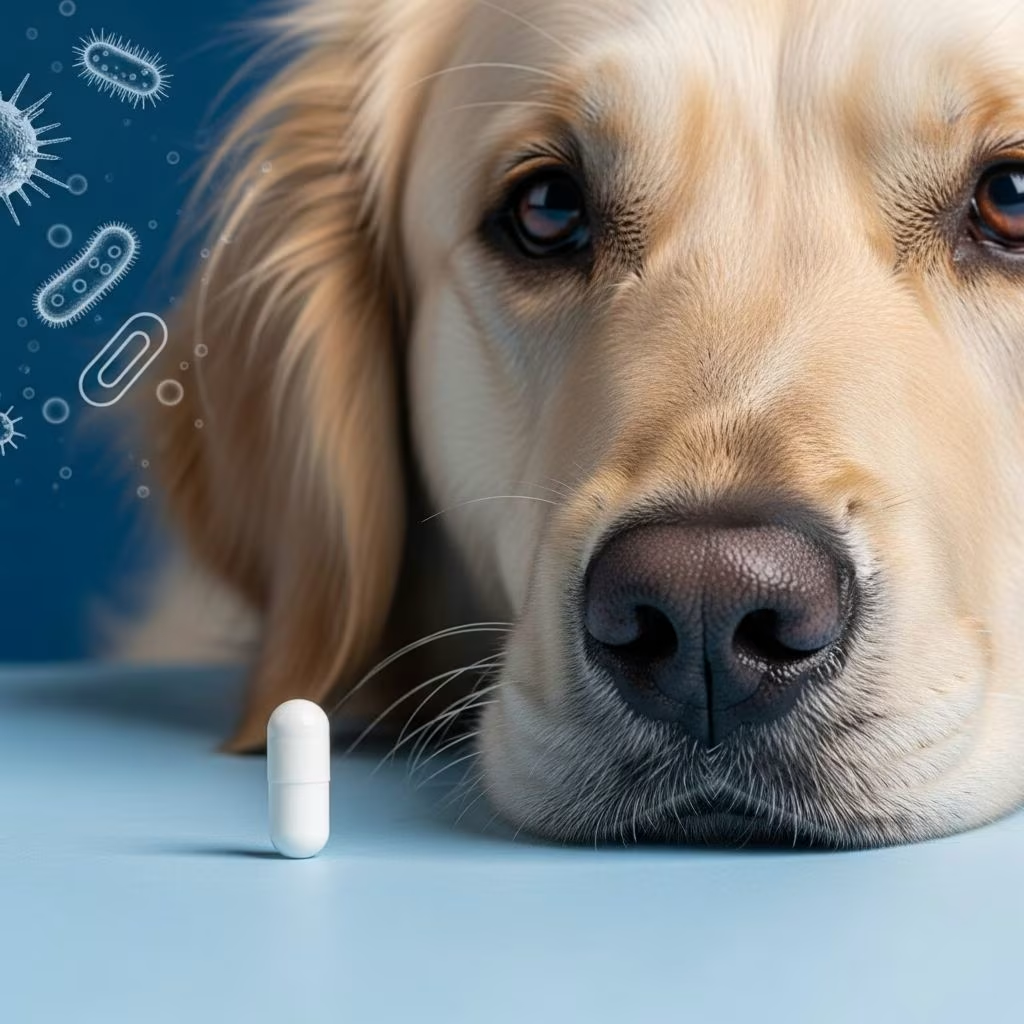
Amoxicillin stands as a cornerstone antibiotic in veterinary care for dogs, targeting a wide array of bacterial threats that can compromise your pet’s health. This broad-spectrum medication works by disrupting bacterial cell walls, leading to their destruction and preventing further infection spread. Veterinarians frequently prescribe it for conditions ranging from skin wounds to urinary tract issues, ensuring dogs recover swiftly when used correctly.
Understanding Bacterial Infections in Canines
Dogs encounter bacterial infections through various means, including environmental exposure, injuries, or underlying health vulnerabilities. Common culprits include gram-positive and gram-negative bacteria that invade skin, respiratory systems, urinary tracts, and gastrointestinal areas. Early detection is crucial, as untreated infections can escalate to severe complications like abscesses or systemic illness.
- Skin and Soft Tissue: Bite wounds, lacerations, and dermatitis often harbor bacteria, leading to painful swelling and pus buildup.
- Respiratory Tract: Pneumonia and bronchitis manifest as coughing, lethargy, and breathing difficulties.
- Urinary System: Frequent urination, blood in urine, and discomfort signal UTIs that require prompt intervention.
- Gastrointestinal: Diarrhea and vomiting may stem from bacterial overgrowth in the gut.
Recognizing symptoms empowers owners to seek veterinary help promptly, where diagnostics like cultures confirm bacterial involvement over viral causes.
How Amoxicillin Targets Bacterial Foes
Amoxicillin belongs to the penicillin family, functioning by inhibiting enzymes bacteria use to build protective cell walls. Without this barrier, bacteria burst under internal pressure, halting infection progression. Its broad-spectrum nature covers many strains, making it versatile for monotherapy or combination therapies.
Absorption occurs rapidly post-oral administration, peaking in blood within 1.5 to 2 hours and distributing to tissues like skin, lungs, and kidneys. This pharmacokinetics profile ensures therapeutic levels where needed, though full efficacy may require several days of consistent dosing.
Standard Dosage Guidelines for Dogs
Veterinarians tailor amoxicillin doses to a dog’s weight, infection severity, and health status, typically ranging from 5 to 10 mg per pound of body weight, administered every 12 hours. For a 20-pound dog, this equates to roughly 100-200 mg twice daily.
| Dog Weight (lbs) | Approximate Dose (mg, twice daily) | Common Form |
|---|---|---|
| 10 | 50-100 | Liquid suspension or 50 mg tablet |
| 25 | 125-250 | 125 mg or 250 mg capsule |
| 50 | 250-500 | 250 mg tablet or combo product |
| 75+ | 375-750 | Vet-prescribed capsules |
Always adhere to the prescribed course—often 7-14 days—even if symptoms vanish early, to avert resistance. Forms include tablets, capsules, and oral suspensions for easy administration with or without food.
Conditions Where Amoxicillin Shines
Beyond basics, amoxicillin proves invaluable in specific scenarios:
- Post-Bite Prophylaxis: Following dog fights, it prevents wound infections from Staphylococcus or Streptococcus.
- Lyme Disease Support: Aids in managing early Borrelia stages alongside other treatments.
- Dental Infections: Tackles abscesses from periodontal bacteria.
- Respiratory Support: Effective against susceptible pneumonia pathogens.
When combined with clavulanic acid (as in Clavamox), it overcomes beta-lactamase resistance, broadening efficacy against tougher strains.
Potential Side Effects and Monitoring
Most dogs tolerate amoxicillin well, with low side effect incidence. Common mild reactions include:
- Loss of appetite or nausea.
- Vomiting or soft stools.
- Lethargy during initial doses.
Severe signs demand immediate vet attention: hives, facial swelling, labored breathing, or seizures indicate anaphylaxis, rare but possible in penicillin-sensitive dogs. Monitor closely in the first 24 hours, as the drug clears the system within that window.
Puppies, seniors, or those with kidney/liver issues may need adjusted protocols. Probiotics can mitigate gut flora disruption.
Drug Interactions and Precautions
Amoxicillin pairs safely with most canine meds but warrants caution with:
- Other antibiotics to avoid redundancy.
- Immunosuppressants, potentially altering efficacy.
- Probenecid, which prolongs amoxicillin levels.
Disclose full medication histories to vets. Human formulations pose risks due to inconsistent dosing; opt for veterinary-grade products. Never self-medicate, as misuse fosters superbugs like MRSA.
Administering Amoxicillin Effectively
Success hinges on technique:
- Hide tablets in pill pockets or soft food if fussy.
- Shake suspensions well; use syringes for precision.
- Maintain 12-hour intervals for steady levels.
- Store at room temperature, away from light.
Improvement typically shows in 48-72 hours; lack thereof signals resistance or misdiagnosis—revisit the vet. Completing therapy curbs relapse and resistance.
When to Seek Veterinary Guidance
Consult professionals for:
- Persistent or worsening symptoms.
- Suspected allergies or unusual behaviors.
- Pregnant/lactating dogs or those with chronic conditions.
- Overdose suspicions (e.g., doubled doses).
Diagnostic tools like bloodwork or cultures guide precise therapy, avoiding guesswork.
Frequently Asked Questions (FAQs)
Can I use human amoxicillin for my dog?
No—differing concentrations risk under- or overdosing. Veterinary versions ensure safety and accuracy.
How long until amoxicillin works in dogs?
Therapeutic levels hit in 1-2 hours, but clinical relief may take days. Follow full course.
Is amoxicillin safe for puppies?
Yes, with weight-based dosing, but consult vets for those under 8 weeks.
What if my dog vomits after a dose?
Redose if within 30 minutes; otherwise, skip and continue schedule. Contact vet if recurrent.
Does amoxicillin treat viral infections?
No—it targets bacteria only. Vets differentiate via tests.
Preventing Bacterial Infections in Dogs
Proactive steps reduce reliance on antibiotics:
- Vaccinate against preventable diseases.
- Maintain hygiene post-outdoor play.
- Inspect wounds immediately.
- Boost immunity via balanced diet and exercise.
Regular check-ups catch issues early.
References
- Is amoxicillin safe for dogs? – SingleCare — SingleCare. 2023. https://www.singlecare.com/blog/amoxicillin-for-dogs/
- Amoxicillin for Dogs: Uses, Dosage, Side Effects – GoodRx — GoodRx. 2023. https://www.goodrx.com/pet-health/dog/amoxicillin-for-dogs
- AMOXICILLIN (Generic) Capsules for Dogs & Cats — Chewy. 2023. https://www.chewy.com/amoxicillin-generic-capsules-dogs/dp/173377
- BIOMOX® (amoxicillin) Tablets — Virbac. 2023. https://us.virbac.com/products/antibiotics/biomox-amoxicillin-tablets
- Treating Your Cat or Dog – Using Amoxicillin — Wisconsin DHS. 2023. https://www.dhs.wisconsin.gov/publications/p03601j.pdf
- Human Amoxicillin for Dogs: Emergency Risks — GSVS. 2023. https://gsvs.org/blog/human-amoxicillin-for-dogs-emergency-dangers/
- Amoxicillin | VCA Animal Hospitals — VCA. 2023. https://vcahospitals.com/know-your-pet/amoxicillin



