

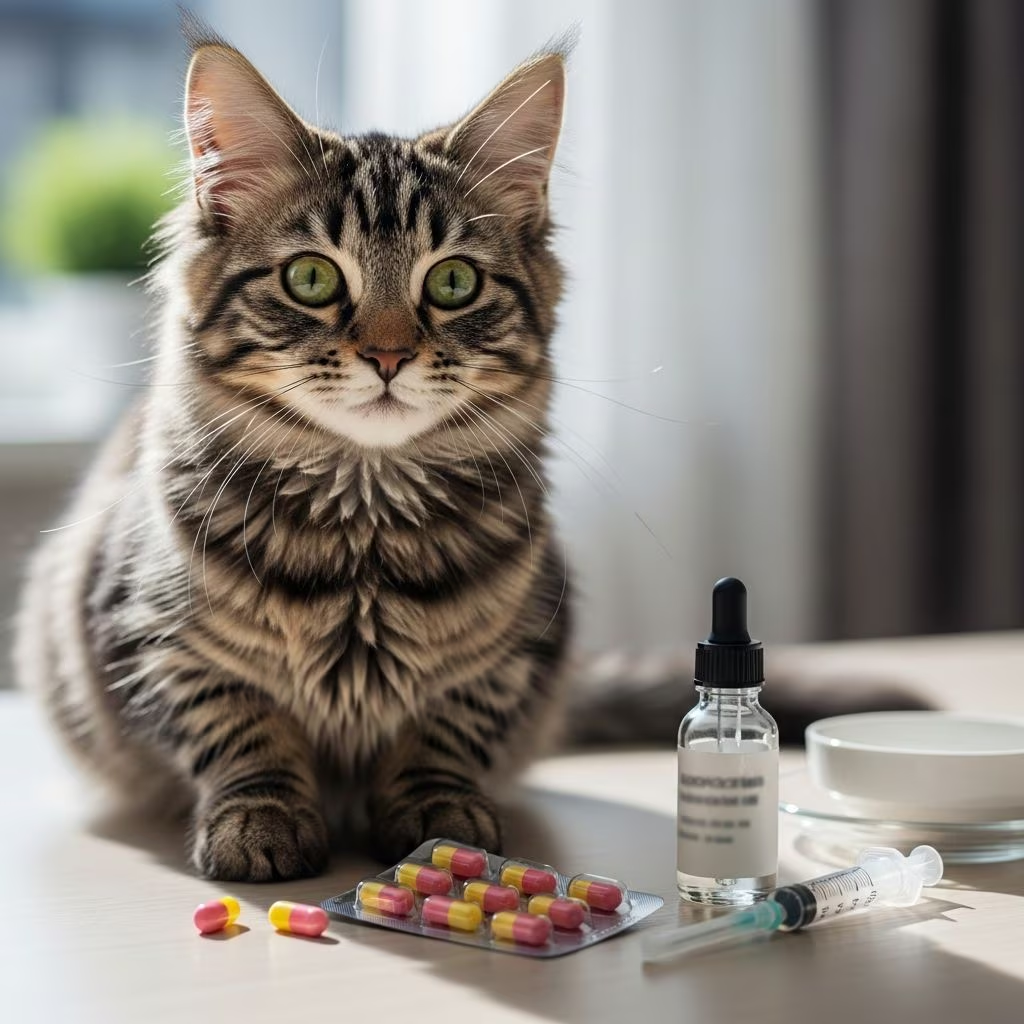
Amoxicillin serves as a widely prescribed antibiotic for cats, targeting various bacterial infections effectively when administered correctly under veterinary supervision. This medication belongs to the penicillin family and works by disrupting bacterial cell wall formation, leading to the elimination of harmful pathogens.
Understanding Amoxicillin as a Feline Antibiotic
Amoxicillin is a beta-lactam antibiotic that excels in treating infections caused by both gram-positive and gram-negative bacteria in cats. Unlike some antibiotics, it demonstrates good absorption through the gastrointestinal tract, allowing for reliable oral administration. Veterinary professionals frequently select it due to its broad-spectrum activity against common feline pathogens, including those responsible for upper respiratory infections, urinary tract issues, and skin conditions.
The drug’s mechanism involves inhibiting the synthesis of bacterial cell walls, which is particularly effective against anaerobic bacteria that thrive without oxygen. This makes it suitable for deep tissue infections like abscesses often seen in cats from fights or injuries. However, its efficacy depends on the bacteria’s susceptibility; resistance can develop in some strains, necessitating culture and sensitivity testing in persistent cases.
Common Infections Treated with Amoxicillin in Cats
Veterinarians commonly prescribe amoxicillin for a range of feline bacterial infections. Key applications include:
- Upper Respiratory Tract Infections: Effective against pathogens like Pasteurella multocida, a frequent cause of sneezing, nasal discharge, and coughing in cats.
- Urinary Tract Infections (UTIs): Targets gram-negative bacteria in the bladder and kidneys, with specific dosing protocols for optimal results.
- Skin and Soft Tissue Infections: Ideal for abscesses, wounds, and lacerations from bites or scratches, resolving infections in over 95% of cases in clinical studies.
- Gastrointestinal Infections: Helps combat bacterial diarrhea caused by organisms like Salmonella or Clostridium.
- Dental and Oral Issues: Addresses gingivitis and mouth infections associated with bacterial overgrowth.
According to FDA approvals and veterinary formularies, amoxicillin handles infections from Staphylococcus aureus, Streptococcus spp., E. coli, and Proteus mirabilis.
Recommended Dosage Guidelines for Cats
Dosing for amoxicillin in cats varies based on the infection type, bacterial classification, and the cat’s weight. Standard protocols from veterinary references include:
| Infection Type | Dosage (mg/kg) | Frequency | Duration |
|---|---|---|---|
| Gram-Positive Bacteria | 10 | 2-3 times daily (PO) | 3-5 days or as prescribed |
| Gram-Negative Bacteria | 10-22 | 2-3 times daily (PO) | 5-14 days |
| Urinary Tract Infections | 11-15 | Every 8-12 hours (PO) | 3-5 days |
| Skin Wounds/Abscesses | 11-22 | Every 12 hours (PO) | 7-10 days |
| Sepsis (severe cases) | 22-30 | Every 8 hours (PO or injection) | As needed |
Always calculate based on body weight: for a 4 kg cat, a 10 mg/kg dose equals 40 mg per administration. Complete the full course to prevent resistance, even if symptoms improve early.
Forms of Amoxicillin Available for Feline Use
Amoxicillin comes in several convenient forms tailored for cats:
- Oral Suspension (e.g., Amoxi-Drops): Liquid form requiring refrigeration and shaking before use. Mix powder with water if provided as a concentrate; discard after 14 days.
- Tablets or Capsules (e.g., Amoxi-Tabs): Easy to dose precisely, often flavored for palatability.
- Oral Paste: Useful for hard-to-pill cats, applied directly to the mouth.
- Injectable: Reserved for hospitalized cats with severe infections.
Liquid suspensions are most common for home administration due to accurate dosing with syringes.
Administering Amoxicillin Safely to Your Cat
Proper technique ensures efficacy and minimizes stress:
- Measure the exact dose using a provided syringe or dropper.
- Shake suspensions vigorously before drawing up the medication.
- Administer directly into the side of the mouth, followed by a treat or favorite food to encourage swallowing.
- Store liquids in the refrigerator; tablets at room temperature away from light.
- Monitor for the full treatment duration, typically 3 days to 2 weeks.
For picky eaters, hide tablets in pill pockets or wet food, but ensure full ingestion. Never crush extended-release forms without vet approval.
Potential Side Effects and Monitoring
While generally well-tolerated, amoxicillin can cause:
- Gastrointestinal Upset: Vomiting, diarrhea, or appetite loss (most common).
- Allergic Reactions: Rare but serious—swelling, hives, difficulty breathing, or facial itching. Stop use immediately if observed.
- Other: Lethargy or yeast overgrowth from disrupted gut flora.
Contact your vet if symptoms persist beyond 48 hours or worsen. Probiotics may help mitigate digestive issues.
Contraindications and Precautions
Avoid amoxicillin in cats with:
- Known penicillin allergies or history of reactions to beta-lactams.
- Severe kidney or liver disease, requiring dose adjustments.
- Pregnancy or lactation, unless benefits outweigh risks.
Do not use human formulations without vet guidance due to concentration differences. Off-label combinations like with clavulanate (Clavamox) enhance spectrum against resistant bacteria.
When Amoxicillin Might Not Be Enough
If no improvement after 3-5 days, resistance or viral co-infection may be factors. Diagnostic tools like cultures guide alternatives such as cephalexin or broader-spectrum drugs. Empirical use is common for abscesses due to predictable pathogens like Pasteurella, with success rates exceeding 95%.
Frequently Asked Questions (FAQs)
Can I give my cat amoxicillin without a prescription?
No. Always obtain from a licensed veterinarian after diagnosis to ensure appropriateness and correct dosing.
How long does it take for amoxicillin to work in cats?
Improvement often seen within 24-48 hours for mild infections; full resolution may take the entire course.
Is amoxicillin safe for kittens?
Yes, with adjusted pediatric dosing; consult vet for cats under 4 weeks.
What if my cat vomits after a dose?
Redose if within 30 minutes; otherwise, skip and continue schedule. Inform vet if recurrent.
Can amoxicillin treat cat dental abscesses?
Yes, often first-line, but may require drainage or dental cleaning for complete resolution.
Preventing Bacterial Infections in Cats
Proactive measures reduce antibiotic needs:
- Keep cats indoors to avoid fights and wounds.
- Maintain vaccinations and parasite control.
- Provide clean litter boxes and fresh water to prevent UTIs.
- Regular dental hygiene with brushing or treats.
Early vet visits for symptoms like lethargy or discharge prevent escalation.
References
- Amoxicillin for cats: Dosage and safety — SingleCare. 2023. https://www.singlecare.com/blog/amoxicillin-for-cats/
- Amoxicillin for Cats: Usage, Dosage, and Side Effects — GoodRx. 2023. https://www.goodrx.com/pet-health/cat/amoxicillin-for-cats
- Amoxicillin for Cats — Wag!. 2023. https://wagwalking.com/cat/treatment/amoxicillin-for-cats
- Common Antibiotics for Dogs and Cats — Wedgewood Pharmacy. 2023. https://www.wedgewood.com/blog/common-antibiotics-for-dogs-and-cats/
- Clinical and in vitro efficacy of amoxicillin against bacteria associated with feline skin wounds or abscesses — NIH (PMC). 2007-09-01. https://pmc.ncbi.nlm.nih.gov/articles/PMC1876187/
- Amoxi-Tabs (amoxicillin tablets), USP — Zoetis. 2023. https://www.zoetisus.com/content/_assets/docs/vmips/package-inserts/amoxi-tabs-prescribing-information.pdf



