

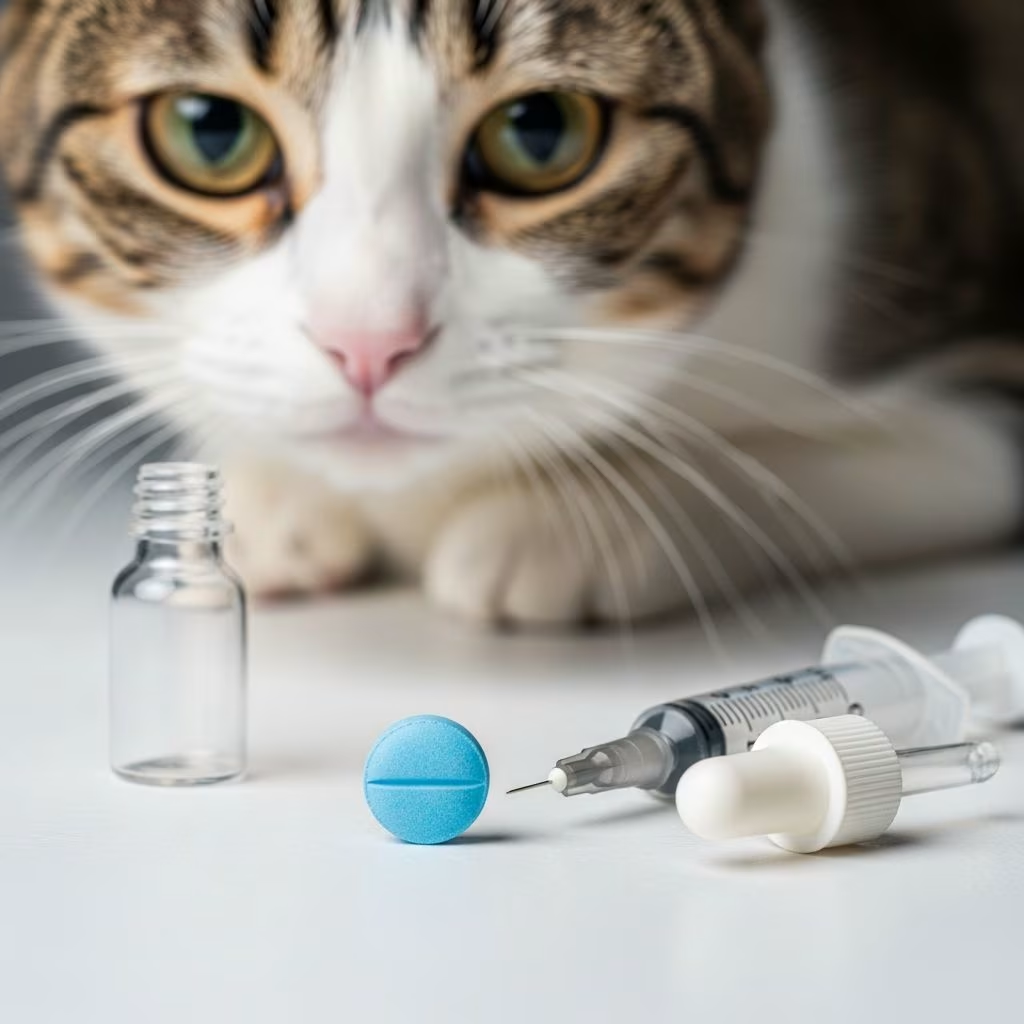
Amoxicillin stands as one of the most frequently prescribed antibiotics for cats, targeting a range of bacterial infections effectively. This penicillin derivative works by disrupting bacterial cell wall formation, leading to the death of susceptible pathogens. Cat owners often encounter it for issues like urinary tract infections, respiratory problems, and skin wounds. Understanding its applications, proper use, and precautions ensures optimal outcomes while minimizing risks.
Understanding How Amoxicillin Targets Bacterial Threats in Cats
At its core, amoxicillin belongs to the beta-lactam class of antibiotics, which interfere with peptidoglycan synthesis essential for bacterial survival. In felines, it excels against both gram-positive and certain gram-negative bacteria, making it versatile for common infections. Unlike viral illnesses, which it cannot treat, amoxicillin shines in bacterial cases confirmed by veterinary diagnosis.
Veterinarians favor it due to high absorption rates in the gastrointestinal tract and prolonged activity in tissues. The U.S. Food and Drug Administration (FDA) approves it for specific feline conditions, though off-label uses expand its utility under professional guidance.
Primary Infections Treated with Amoxicillin in Felines
- Urinary Tract Infections (UTIs): Highly effective against pathogens in the bladder and kidneys, often resolving symptoms within days.
- Respiratory Infections: Targets upper respiratory bacteria, aiding cats with coughs or nasal discharge from non-viral sources.
- Skin and Soft Tissue Issues: Ideal for abscesses, wounds, and bite injuries common in outdoor cats.
- Gastrointestinal Problems: Manages certain bacterial diarrheas and intestinal infections.
- Dental and Mouth Infections: Helps with abscessed teeth or gum diseases when prescribed appropriately.
These applications stem from its broad-spectrum action, though resistance patterns necessitate culture tests for chronic cases.
Standard Dosage Guidelines for Feline Patients
Dosage varies by infection severity, cat weight, and bacterial type. General ranges include 10-22 mg/kg every 8-12 hours orally, though specifics differ:
| Infection Type | Dosage (mg/kg) | Frequency | Duration |
|---|---|---|---|
| Gram-Positive | 10 | 2-3 times daily | 5-14 days |
| Gram-Negative | 10-22 | 2-3 times daily | Variable |
| UTIs | 11-15 | Every 8-12 hours | 3-5 days |
| Skin Wounds/Abscesses | 11-22 | Every 12 hours | 10 days |
Always administer under vet direction; the labeled FDA dose is around 50 mg per cat or 11-22 mg/kg once daily, but modern practice often uses more frequent dosing for efficacy.
Forms of Amoxicillin Available for Cats
Cats receive amoxicillin primarily as oral suspensions (requiring refrigeration and shaking), tablets, or pastes. Suspensions suit finicky eaters, flavored to improve palatability. Injectable forms exist for severe cases like sepsis, at higher doses up to 30 mg/kg.
Storage is crucial: keep liquids cool and discard after 14 days. Measure precisely with syringes to avoid under- or overdosing.
Administering Medication: Tips for Success
- Pill pockets or tuna-mixed suspensions encourage voluntary intake.
- Give with food to reduce stomach upset.
- Complete the full course, even if symptoms improve, to prevent resistance.
- Monitor weight changes; adjust doses for kittens or obese cats.
Consistency prevents treatment failure, with studies showing 95% resolution in skin infections after proper courses.
Recognizing and Managing Side Effects
Most cats tolerate amoxicillin well, but gastrointestinal reactions dominate: vomiting, diarrhea, and appetite loss affect up to 10-20% of patients. Rare issues include allergic responses like facial swelling, hives, or anaphylaxis—stop immediately and seek emergency care.
- Common (Mild): Loose stools, nausea—often resolve with probiotics.
- Serious (Rare): Breathing difficulty, seizures—indicate allergy.
- Long-Term: Potential gut flora disruption leading to yeast overgrowth.
Hydration and bland diets mitigate mild effects. Never use in penicillin-allergic cats.
Critical Contraindications and Precautions
Avoid in cats with known beta-lactam allergies, severe kidney disease, or concurrent viral infections. Pregnant or nursing queens require vet approval due to limited safety data. Drug interactions with bacteriostatics like tetracyclines can reduce efficacy—discuss all medications.
Kittens under 4 weeks and dehydrated cats need adjusted protocols.
Amoxicillin vs. Enhanced Combinations Like Clavulanate
For resistant bacteria, vets pair amoxicillin with clavulanate (e.g., Clavamox), inhibiting beta-lactamase enzymes. This combo treats gum disease, stubborn skin infections, and UTIs more broadly. FDA-approved for cats, it offers similar dosing but broader coverage.
| Aspect | Amoxicillin Alone | Amoxicillin/Clavulanate |
|---|---|---|
| Spectrum | Susceptible bacteria | Resistant + beta-lactamase producers |
| Uses | Basic infections | Complex wounds, dental |
| Side Effects | GI mainly | Similar, slightly higher diarrhea |
The Importance of Veterinary Diagnosis Before Treatment
Self-medicating risks misuse, fostering superbugs. Vets perform cultures, sensitivity tests, and exams to confirm bacterial etiology—essential since viruses mimic bacterial signs in respiratory cases. Empirical use at 11-22 mg/kg proves effective for abscesses per clinical studies.
Preventing Infections to Reduce Antibiotic Reliance
- Indoor living minimizes fights and bites.
- Vaccinations curb respiratory bacteria.
- Regular dental care prevents mouth abscesses.
- Clean litter boxes reduce UTI risks.
Probiotics post-treatment restore gut balance.
Frequently Asked Questions (FAQs)
Can I use human amoxicillin for my cat?
No—doses differ, and human formulations may contain unsafe additives. Vet-prescribed versions ensure purity.
How long until amoxicillin works in cats?
Improvement often within 48-72 hours; full effects in 3-5 days.
What if my cat vomits after a dose?
Redose if within 30 minutes; otherwise, skip and consult vet to avoid overload.
Is amoxicillin safe for kittens?
Yes, with weight-based dosing; avoid in neonates without guidance.
Does amoxicillin treat ear infections?
Only if bacterial; vets may prefer topical alternatives.
Monitoring Your Cat During Treatment
Track appetite, stool quality, energy, and symptoms daily. Report lethargy, worsening fever, or jaundice promptly. Bloodwork pre- and post-treatment assesses organ function in chronic cases.
Post-antibiotic, observe for secondary infections like candidiasis.
Future Trends in Feline Antibiotic Therapy
With rising resistance, vets emphasize stewardship: shorter courses, narrow-spectrum drugs, and phage therapy alternatives. Research into feline pharmacokinetics refines dosing for better outcomes.
References
- Amoxicillin for cats: Dosage and safety — SingleCare. 2023. https://www.singlecare.com/blog/amoxicillin-for-cats/
- Amoxicillin for Cats: Usage, Dosage, and Side Effects — GoodRx. 2023. https://www.goodrx.com/pet-health/cat/amoxicillin-for-cats
- Amoxicillin for Cats: Dosage, Safety & Side Effects — Cats.com. 2023. https://cats.com/amoxicillin-for-cats
- Amoxicillin/Clavulanate for Dogs and Cats — WebMD. 2023. https://www.webmd.com/pets/pet-meds/amoxicillin-clavulanate-for-dogs-and-cats
- Amoxicillin for Cats — WagWalking. 2023. https://wagwalking.com/cat/treatment/amoxicillin-for-cats
- Clinical and in vitro efficacy of amoxicillin against bacteria associated with feline skin wounds and abscesses — PMC (PubMed Central). 2007-01-01. https://pmc.ncbi.nlm.nih.gov/articles/PMC1876187/



