

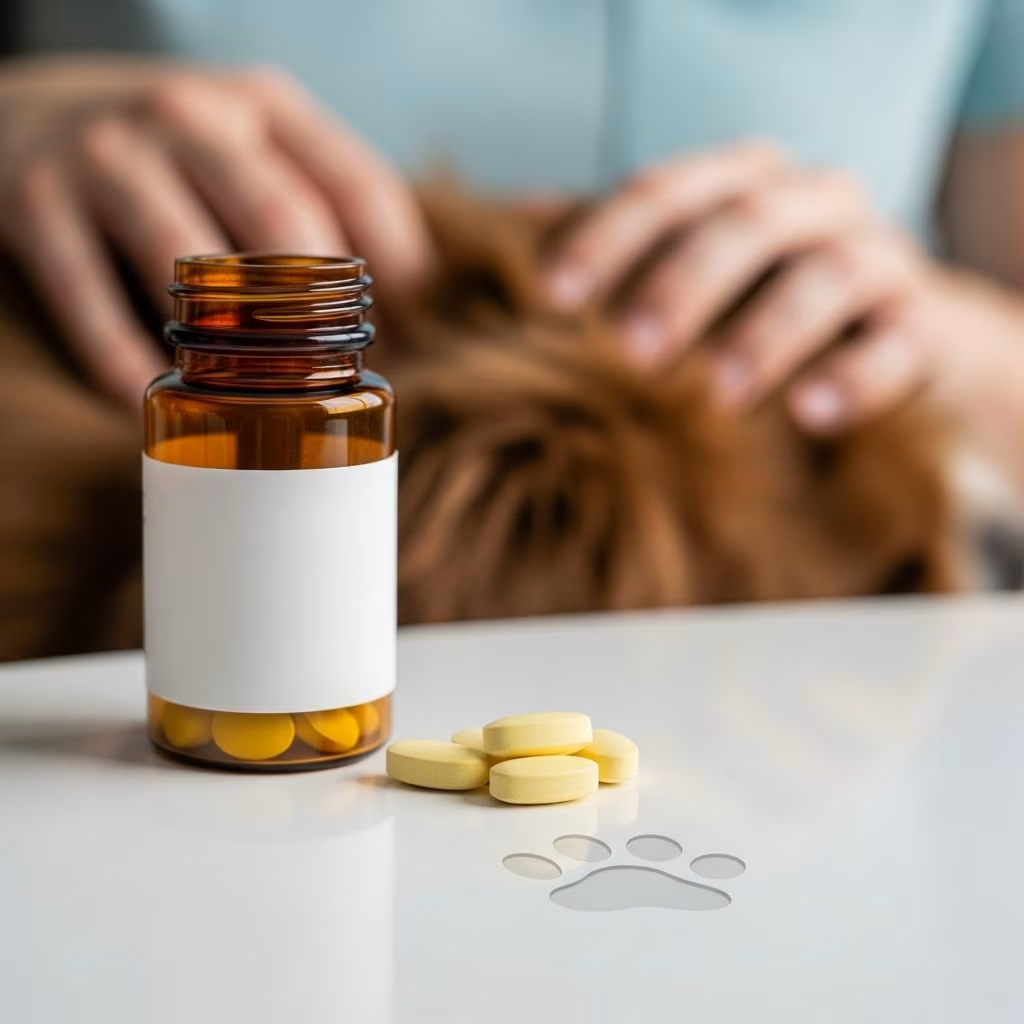
Amoxicillin-Clavulanic Acid for Dogs and Cats
Amoxicillin-clavulanic acid is a widely prescribed antibiotic combination used in veterinary medicine to treat a variety of bacterial infections in dogs and cats. This medication combines two active ingredients that work synergistically to provide enhanced antimicrobial effectiveness. Understanding how this medication works, its proper use, and potential side effects is essential for pet owners whose veterinarians recommend this treatment.
What Is Amoxicillin-Clavulanic Acid?
Amoxicillin-clavulanic acid is a combination antibiotic medication that consists of two components: amoxicillin and clavulanic acid. Amoxicillin is a penicillin-based antibiotic that kills susceptible bacteria by disrupting their cell wall formation. Clavulanic acid, on the other hand, does not directly kill bacteria. Instead, it works as a beta-lactamase inhibitor, protecting amoxicillin from an enzyme that certain bacteria produce to resist the antibiotic’s effects.
The combination of these two drugs is more effective than amoxicillin alone because it overcomes bacterial resistance mechanisms. When bacteria attempt to neutralize amoxicillin through beta-lactamase production, clavulanic acid blocks this defensive strategy, allowing amoxicillin to work effectively against a broader spectrum of bacterial species. This synergistic action makes amoxicillin-clavulanic acid particularly valuable in treating infections where resistance might otherwise develop.
Common Brand Names
Amoxicillin-clavulanic acid is marketed under several brand names in veterinary medicine. The most common brand names include Clavamox®, Augmentin®, and Clavacillin. Clavamox® is specifically formulated for veterinary use and has been trusted by veterinarians for more than 30 years. While Augmentin® is primarily a human medication, it can be prescribed off-label for pets under veterinary supervision. Pet owners should always verify the brand name and prescription details with their veterinarian.
How Amoxicillin-Clavulanic Acid Works
Understanding the mechanism of action helps pet owners appreciate why this medication is so commonly prescribed. The amoxicillin component kills bacteria by inhibiting peptidoglycan synthesis, which is essential for maintaining bacterial cell wall integrity. When amoxicillin penetrates bacterial cells, it prevents cross-linking of peptidoglycan strands, leading to cell wall weakening and bacterial death.
However, many bacteria have evolved a defense mechanism by producing an enzyme called beta-lactamase. This enzyme breaks down the beta-lactam ring structure of amoxicillin, rendering it ineffective. Clavulanic acid is a beta-lactamase inhibitor that irreversibly binds to this bacterial enzyme, preventing it from destroying amoxicillin. By neutralizing this resistance mechanism, clavulanic acid allows amoxicillin to remain active against bacteria that would otherwise resist treatment with amoxicillin alone.
FDA-Approved Uses for Pets
Amoxicillin-clavulanic acid has received FDA approval for specific uses in dogs and cats. Understanding approved uses versus off-label uses helps pet owners make informed decisions about their pet’s treatment.
Approved Indications Include:
Skin Infections: Amoxicillin-clavulanic acid is FDA-approved for treating bacterial skin infections in both dogs and cats. These infections may include pyoderma, bacterial dermatitis, and infected wounds.
Soft Tissue Infections: This medication effectively treats soft tissue infections such as abscesses and traumatic wound infections in dogs and cats. Soft tissue infections can occur following injuries, surgical procedures, or bite wounds.
Periodontal Disease: In dogs, amoxicillin-clavulanic acid is specifically approved for treating periodontal (gum) disease. Dental infections are common in older dogs and can lead to serious complications if left untreated.
Urinary Tract Infections: In cats, the medication is FDA-approved for treating urinary tract infections caused by susceptible bacteria.
Off-Label Uses
Veterinarians commonly prescribe amoxicillin-clavulanic acid off-label or extra-label for additional conditions. Off-label use means the medication is prescribed for an indication not specifically approved by the FDA, but clinical evidence supports its safety and effectiveness. Common off-label uses include respiratory tract infections, additional urinary tract infections in dogs, and various other bacterial infections. When your veterinarian prescribes this medication off-label, follow their directions carefully and discuss any concerns about off-label use.
Bacteria Susceptibility
Amoxicillin-clavulanic acid is typically effective against most strains of common pathogenic bacteria including E. coli, Klebsiella, Haemophilus, Salmonella, Pasteurella, Staphylococcus, and Streptococcus species. However, not all bacterial strains are susceptible to this medication. Some bacteria may have developed resistance mechanisms that even clavulanic acid cannot overcome.
If your pet’s infection does not respond to treatment, your veterinarian may recommend a bacterial culture and sensitivity test. This test identifies the specific bacteria causing the infection and determines which antibiotics will be most effective. This targeted approach helps your veterinarian select the most appropriate antibiotic for your pet’s specific infection.
How to Give Amoxicillin-Clavulanic Acid to Your Pet
Proper administration ensures your pet receives the full therapeutic benefit of this medication. Amoxicillin-clavulanic acid is available in multiple formulations to accommodate different pets’ needs and preferences.
Available Formulations:
Tablets: Tablets come in various strengths and are given orally. Tablets should be swallowed whole or can be hidden in food if your veterinarian approves.
Chewable Tablets: Many veterinary formulations include pork liver-flavored chewable tablets that pets readily accept. Keep these tablets out of reach of children and other pets to prevent accidental ingestion or overdose.
Liquid Suspension: The liquid suspension form is particularly useful for cats, small dogs, or pets that have difficulty swallowing tablets. The suspension allows for more precise dosing adjustments based on your pet’s weight.
Administration Guidelines:
This medication should always be given with food. Administering amoxicillin-clavulanic acid with food reduces the risk of gastrointestinal upset and may improve absorption in some cases. If using the liquid suspension form, shake the bottle thoroughly before measuring each dose to ensure even distribution of medication throughout the liquid.
Measure the liquid dose carefully using the dropper or syringe provided with the medication. Do not use household spoons, which may not provide accurate dosing. Your veterinarian will specify the exact dose based on your pet’s weight and the specific infection being treated.
Give the medication for the entire duration prescribed by your veterinarian, even if your pet appears to be feeling better. Stopping the medication prematurely can allow remaining bacteria to recover and may lead to treatment failure or the development of antibiotic resistance.
Dosing Information
Amoxicillin-clavulanic acid is dosed according to the amoxicillin content of the formulation because the ratio of amoxicillin to clavulanic acid varies among different preparations. The veterinary formulation typically contains a 5:1 ratio of amoxicillin to clavulanic acid. Human formulations such as Augmentin® may have different ratios ranging from 2:1 to 7:1.
Your veterinarian will calculate the appropriate dose based on your pet’s weight and the specific infection being treated. Dosing typically occurs every 12 hours (twice daily). The duration of treatment varies depending on the type and severity of infection, your pet’s response to therapy, and the development of any adverse effects. Most courses of treatment last 7 to 14 days, but your veterinarian may recommend longer or shorter durations based on your individual pet’s situation.
Possible Side Effects
While amoxicillin-clavulanic acid is generally safe and well-tolerated when prescribed by a veterinarian, some pets may experience side effects. Being aware of potential adverse reactions helps you recognize when to contact your veterinarian.
Common Side Effects:
Gastrointestinal Upset: The most frequently reported side effect is gastrointestinal disturbance, which may occur in approximately 10% of dogs. Signs may include vomiting, diarrhea, loss of appetite, or nausea. Vomiting may occur shortly after administration. If gastrointestinal upset develops, try giving the medication with food or a small snack. If vomiting persists despite food administration, contact your veterinarian. Your veterinarian may adjust the dosing schedule or recommend an alternative medication.
Allergic Reactions: Amoxicillin-clavulanic acid should not be used in animals with known hypersensitivity or allergy to the drug or other penicillin-based antibiotics. Allergic reactions may range from mild to severe and could include rash, facial swelling, difficulty breathing, or anaphylaxis in severe cases. If you suspect an allergic reaction, discontinue the medication and contact your veterinarian immediately or seek emergency veterinary care if severe signs develop.
When to Contact Your Veterinarian:
Contact your veterinarian if your pet experiences severe or persistent vomiting, diarrhea, loss of appetite, lethargy, or any signs of allergic reaction. Additionally, inform your veterinarian of any other medications, supplements, or herbal therapies your pet is taking, as drug interactions may occur. If your pet’s condition does not improve within a few days of starting treatment, or if it worsens, contact your veterinarian to discuss potential resistance or alternative treatment options.
Precautions and Contraindications
Certain situations warrant special consideration before administering amoxicillin-clavulanic acid. Pets with known penicillin or beta-lactam antibiotic allergies should not receive this medication. If your pet has a history of severe allergic reactions to antibiotics, discuss this thoroughly with your veterinarian before treatment.
Pets with severe renal (kidney) disease may require dose adjustments because the medication is primarily eliminated through the kidneys. Inform your veterinarian about any pre-existing medical conditions, particularly kidney disease, liver disease, or gastrointestinal disorders, before starting treatment.
Pregnant or nursing animals should only receive this medication if the benefits clearly outweigh potential risks. Discuss pregnancy or nursing status with your veterinarian before treatment initiation.
Drug Interactions
While amoxicillin-clavulanic acid has a favorable safety profile, certain drug interactions may occur. Probenecid can decrease the renal excretion of amoxicillin, potentially leading to increased drug levels. Methotrexate levels may be affected by concurrent amoxicillin-clavulanic acid use. Inform your veterinarian about all medications and supplements your pet is currently taking to identify potential interactions.
Storage and Handling
Store amoxicillin-clavulanic acid according to package instructions. Most formulations should be stored at room temperature away from moisture and direct sunlight. Liquid suspensions may require refrigeration after reconstitution; follow your pharmacy’s specific instructions. Check the expiration date before administering the medication, and discard expired medication appropriately. Do not flush medications down the toilet or drain unless instructed to do so; contact your pharmacy for proper disposal methods.
Frequently Asked Questions
Q: Can amoxicillin-clavulanic acid be used in both dogs and cats?
A: Yes, amoxicillin-clavulanic acid is approved for use in both dogs and cats. However, specific FDA-approved indications may vary between species. For example, it is specifically approved for periodontal disease in dogs but not cats.
Q: What should I do if I miss a dose?
A: If you miss a dose, administer it as soon as you remember, unless it is nearly time for the next scheduled dose. Do not double the dose to make up for a missed dose. Maintain consistent spacing between doses whenever possible.
Q: Can I stop giving the medication once my pet feels better?
A: No. You must complete the entire course of treatment as prescribed by your veterinarian, even if your pet appears to be fully recovered. Stopping treatment prematurely may allow remaining bacteria to survive and develop resistance to the antibiotic.
Q: Is amoxicillin-clavulanic acid effective for viral infections?
A: No. Amoxicillin-clavulanic acid is effective only against bacterial infections. It does not treat viral infections, parasitic infections, or fungal infections. Your veterinarian will determine whether your pet’s condition is bacterial before prescribing this medication.
Q: What is the difference between on-label and off-label use?
A: On-label use refers to FDA-approved indications specifically tested and approved for that medication. Off-label or extra-label use refers to prescribing the medication for conditions not specifically approved by the FDA, but for which clinical evidence supports safety and effectiveness. Many veterinary medications are commonly prescribed off-label.
Q: Can I use my own amoxicillin-clavulanic acid prescription for my pet?
A: Do not give your pet your personal medications without explicit veterinary approval. While some human formulations like Augmentin® may be safe for animals, the dosing, formulation, and ratios may differ from veterinary-approved products. Always obtain medication from your veterinarian or by valid veterinary prescription.
Q: How quickly does amoxicillin-clavulanic acid work?
A: Amoxicillin-clavulanic acid typically begins working within 1 to 2 hours of administration. However, visible improvement in your pet’s condition may take several days, depending on the severity of the infection and your pet’s individual response to therapy.
Q: Are there any alternatives if my pet cannot tolerate this medication?
A: Yes. If your pet experiences intolerable side effects or allergic reactions to amoxicillin-clavulanic acid, your veterinarian can recommend alternative antibiotics based on the specific infection and your pet’s medical history. A bacterial culture and sensitivity test may help identify the most effective alternative.
References
- Amoxicillin + Clavulanate for Dogs and Cats — PetPlace. 2025. https://www.petplace.com/article/drug-library/drug-library/library/amoxicillin-clavulanate-clavamox-augmentin-for-dogs-and-cats
- Amoxicillin/Clavulanate for Dogs and Cats — WebMD Pets. 2025. https://www.webmd.com/pets/pet-meds/amoxicillin-clavulanate-for-dogs-and-cats
- Clavamox® for Dogs and Cats: Medication — PetMD. 2025. https://www.petmd.com/pet-medication-clavamox-dogs-cats
- Clavamox® | For Animal Healthcare Professionals — Zoetis. 2025. https://www.zoetisus.com/products/petcare/clavamox/
- Amoxicillin Clavulanate – StatPearls — National Center for Biotechnology Information (NCBI). 2023. https://www.ncbi.nlm.nih.gov/books/NBK538164/



