

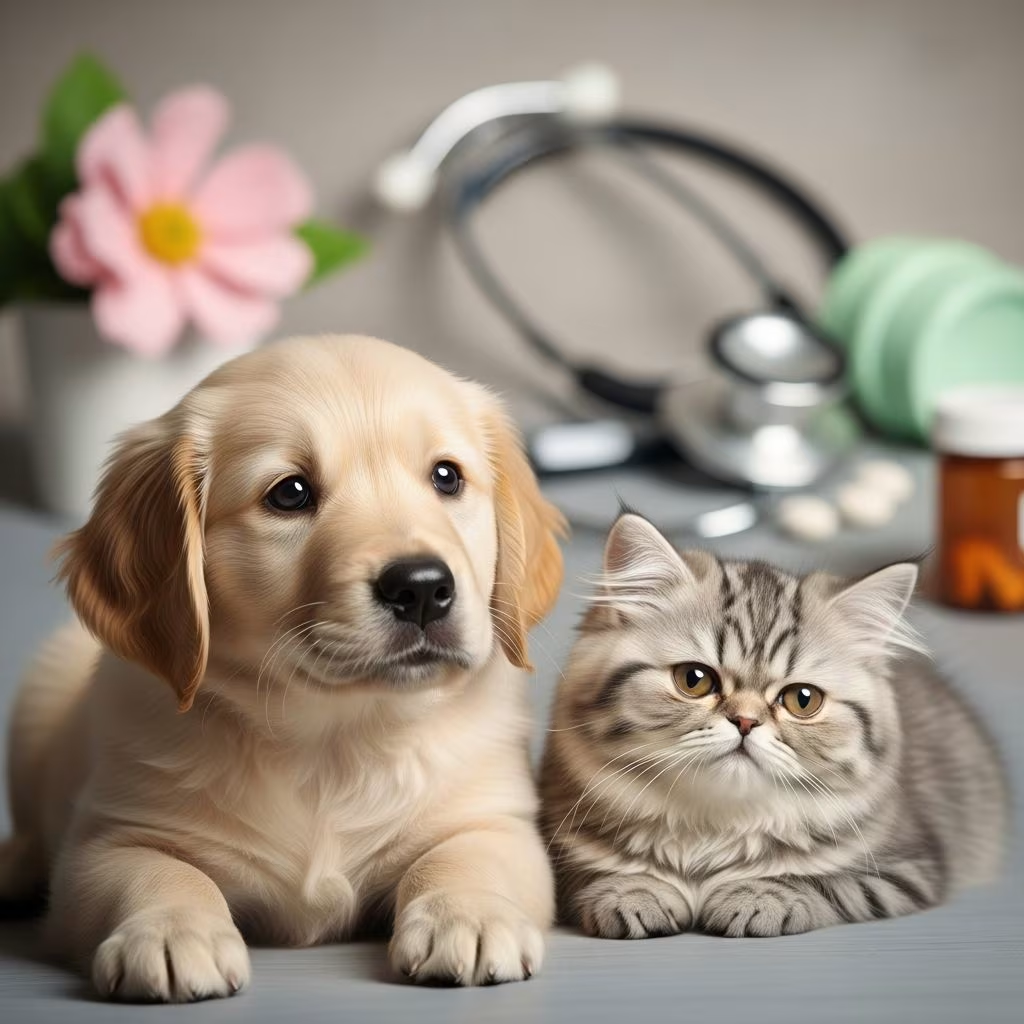
Understanding Amlodipine Besylate for Pets
Amlodipine besylate is a widely prescribed medication in veterinary medicine used to manage hypertension, or high blood pressure, in both cats and dogs. This calcium channel blocker works by relaxing the smooth muscle in blood vessel walls, allowing arteries to dilate and reducing overall blood pressure. Understanding how this medication works, proper dosing, potential side effects, and when it’s appropriate can help pet owners make informed decisions about their animal’s cardiovascular health.
What Is Amlodipine Besylate?
Amlodipine besylate is a calcium channel blocker that functions as a potent peripheral arterial dilator. It is primarily used in veterinary practice for the long-term management of high blood pressure in many species, including dogs, cats, and birds. The medication is marketed under human brand names such as Norvasc and Istin, though no specific veterinary formulations currently exist.
The mechanism of action involves blocking calcium channels in vascular smooth muscle, which prevents the contraction of arterial walls. This relaxation of the arterial muscles allows them to dilate, thereby decreasing peripheral vascular resistance and lowering blood pressure throughout the body. The half-life of amlodipine in dogs is approximately 30 hours, though the half-life in cats remains unknown.
Medical Uses for Cats and Dogs
Amlodipine besylate serves several important therapeutic purposes in veterinary medicine:
Primary Indications
Treatment of Systemic Hypertension: The primary use of amlodipine is to treat high blood pressure in both cats and dogs. Hypertension can be brought on by several underlying conditions, including hyperthyroidism, chronic kidney disease, hypertrophic cardiomyopathy, and heart failure.
Congestive Heart Failure Management: Amlodipine is also used as a vasodilator in the treatment of congestive heart failure in dogs. By lowering blood pressure, the medication makes it easier for the heart to pump blood throughout the body, reducing the workload on this vital organ.
Acute Kidney Injury: Recent clinical applications include use in patients with acute kidney injury and those undergoing dialysis, where blood pressure management is critical to preserving remaining kidney function.
Dosage Guidelines for Dogs and Cats
Proper dosing is essential for the safe and effective use of amlodipine besylate. Dosages differ between species and depend on individual patient factors, underlying conditions, and concurrent medications.
Dosage for Dogs
The effective dosage range for dogs is 0.1 to 0.5 mg per kilogram of body weight, administered orally once daily. For twice-daily dosing, the range is typically 0.1 to 0.2 mg/kg every 12 hours, or 0.2 to 0.4 mg/kg every 24 hours. Veterinarians typically recommend starting at the lower end of the dosing range and gradually increasing the dose while monitoring blood pressure response.
For dogs with systemic hypertension requiring more aggressive treatment, dosages tend to be on the higher end of the recommended range. In cases of congestive heart failure, initial dosages should begin at the lower end of the range and be carefully titrated to effect with appropriate monitoring for adverse effects.
Dosage for Cats
Cats typically receive 0.625 to 1.25 mg of amlodipine besylate once daily. Alternatively, the dose can be calculated as 0.125 to 0.25 mg per kilogram of body weight administered once daily. For cats with systolic blood pressure greater than 200 mm Hg, an initial starting dose of 1.25 mg orally once daily is recommended. The maximum daily dose should not exceed 2.5 mg per cat.
Amlodipine demonstrates a rapid mode of action in cats, and blood pressure reassessment should occur within 3 to 5 days of initiating therapy to evaluate treatment effectiveness.
Available Forms and Administration
Amlodipine besylate is available in multiple pharmaceutical forms to accommodate different pet preferences and medical situations:
Tablet Forms: The most common formulation, available in 2.5 mg, 5 mg, and 10 mg tablets. Tablets can be given whole or, when necessary, split for appropriate dosing.
Oral Solutions: Liquid formulations allow for more precise dose adjustment and are particularly useful for cats or small dogs requiring smaller doses. When using oral solutions, careful measurement of the prescribed dose is essential.
Soft Chews: Some formulations are available as flavored soft chews, which may improve compliance in pets resistant to traditional tablets.
Transdermal Gel: A transdermal gel formulation provides an alternative route of administration for pets with difficulty swallowing or those sensitive to oral medications.
Administration Instructions
Amlodipine besylate should be administered by mouth as directed by your veterinarian, typically once or twice daily. The medication can be given with or without food, though administering it with food can decrease the risk of digestive upset. If your pet experiences vomiting or nausea on an empty stomach, future doses should be given with a meal.
It is critically important to administer amlodipine besylate exactly as prescribed. Do not skip doses or discontinue the medication without veterinary guidance, as abruptly stopping this medication can result in a drastic rise in blood pressure, which can have serious health consequences.
Efficacy and Monitoring
While amlodipine begins to take action within hours of administration, visible results are typically not immediately apparent. Your veterinarian will need to monitor your pet regularly to ensure the medication is working effectively.
Clinical studies demonstrate strong efficacy for amlodipine in managing hypertension. One study examining amlodipine efficacy in dogs with acute kidney injury showed a significant decrease in systolic blood pressure after use. Approximately 90 percent of treated dogs experienced correction of severe systemic high blood pressure.
For cats with partially or uncontrollable hypertension despite amlodipine therapy, several troubleshooting steps should be considered. First, assess medication compliance to ensure doses are being given as prescribed. Second, review dosage calculations to confirm appropriate dosing. If blood pressure remains uncontrolled, additional medications such as telmisartan or benazepril may be required, as approximately 0 to 40 percent of patients need combination therapy for optimal control.
Potential Side Effects and Adverse Reactions
Like all medications, amlodipine besylate can produce side effects in some animals. Understanding these potential adverse reactions helps pet owners recognize when veterinary attention is needed.
Gastrointestinal Effects: Nausea and vomiting may occur, particularly when the medication is given on an empty stomach. These effects can typically be minimized by administering the dose with food.
Gingival Hyperplasia: Gum tissue overgrowth has been reported as an adverse effect of amlodipine in both dogs and cats. This side effect requires monitoring by both the veterinarian and pet owner, with attention to oral hygiene.
Hypotension: In some cases, particularly when combined with other blood pressure-lowering medications, amlodipine can cause blood pressure to drop excessively. This risk is heightened when amlodipine is combined with other drugs that have arterial dilatory effects.
Contraindications and Precautions
Amlodipine besylate should not be given to pets with certain medical conditions or circumstances:
Amlodipine is contraindicated in animals with known allergy or hypersensitivity to the medication, liver failure, aortic stenosis, or shock. The medication should be used with extreme caution in pets with liver disease, heart disease, or any condition that places them at greater risk of low blood pressure.
Breeding males and breeding, pregnant, or lactating females should not take amlodipine besylate, as safety in these populations has not been established. Additionally, dose adjustments may be necessary when amlodipine is combined with other drugs that have arterial dilatory effects to prevent excessive hypotension.
Drug Interactions
When prescribing amlodipine besylate, veterinarians must consider potential interactions with other medications your pet may be receiving. The most significant interactions occur with other blood pressure-lowering agents and vasodilators.
Combined use of amlodipine with other cardiovascular medications such as enalapril requires careful monitoring. In normal adult dogs, combined use of high-dose amlodipine (0.57 mg/kg orally twice daily) and enalapril (0.57 mg/kg orally twice daily) has been shown to mildly affect blood pressure management.
Pet owners should always inform their veterinarian of all medications, supplements, and over-the-counter products their pet is taking before amlodipine is prescribed.
What to Do If You Miss a Dose
If you forget to give a dose of amlodipine, contact your veterinarian for guidance. In many cases, your veterinarian may instruct you to give the missed dose when you remember it. However, if it is almost time for your pet’s next scheduled dose, skip the missed dose and resume your normal dosing schedule. Never give extra or double doses to make up for a missed administration.
Frequently Asked Questions About Amlodipine Besylate
Q: How long does it take for amlodipine to work in pets?
A: Amlodipine begins to act within hours of administration. However, the visible effects on blood pressure may take several days to become apparent. Your veterinarian will monitor your pet’s response and may adjust the dose based on blood pressure readings taken 3 to 5 days after starting treatment.
Q: Can amlodipine be stopped suddenly?
A: No, amlodipine should never be stopped abruptly without veterinary guidance. Discontinuing this medication suddenly can cause blood pressure to rise dramatically, which can have serious health consequences including stroke or heart attack.
Q: What conditions cause high blood pressure in pets?
A: High blood pressure in cats and dogs can result from several underlying conditions, including chronic kidney disease, hyperthyroidism (particularly in cats), hypertrophic cardiomyopathy, heart failure, obesity, and certain hormonal disorders.
Q: Is amlodipine safe for long-term use in pets?
A: Yes, amlodipine is considered safe for long-term management of hypertension in pets when prescribed and monitored appropriately by a veterinarian. Regular blood pressure checks and veterinary follow-ups help ensure continued safety and effectiveness.
Q: What should I do if my pet experiences side effects?
A: Contact your veterinarian immediately if your pet experiences signs of adverse reactions such as severe vomiting, excessive lethargy, or signs of low blood pressure (weakness, fainting, or collapse). Your veterinarian may adjust the dose, modify the administration method, or recommend alternative medications.
Q: Can amlodipine be given with food?
A: Yes, amlodipine can be given with or without food. If your pet experiences nausea or vomiting on an empty stomach, giving the dose with food often resolves these gastrointestinal side effects.
References
- Amlodipine Besylate — Wag! Pet Health. Accessed November 2025. https://wagwalking.com/treatment/amlodipine-besylate
- Amlodipine Besylate (Norvasc, Istin) for Dogs and Cats — Pet Place. Accessed November 2025. https://www.petplace.com/article/drug-library/drug-library/library/amlodipine-besylate-norvasc-istin-for-dogs-and-cats
- Vasoactive Drugs for Use in Animals — Merck Veterinary Manual. 2024. https://www.merckvetmanual.com/pharmacology/systemic-pharmacotherapeutics-of-the-cardiovascular-system/vasoactive-drugs-for-use-in-animals
- Treatment – Hypertension Toolkit — American Association of Feline Practitioners (AAFP). 2025. https://catvets.com/resource/hypertension-toolkit-treatment/
- Amlodipine Besylate for Dogs and Cats — PetMD. Accessed November 2025. https://www.petmd.com/pet-medication/amlodipine-besylate-dogs-and-cats
- Dosing Amlodipine and Blood Pressure Control in Cats — Every Cat. Accessed November 2025. https://everycat.org/cat-health/dosing-amlodipine-and-blood-pressure-control-in-cats/



