

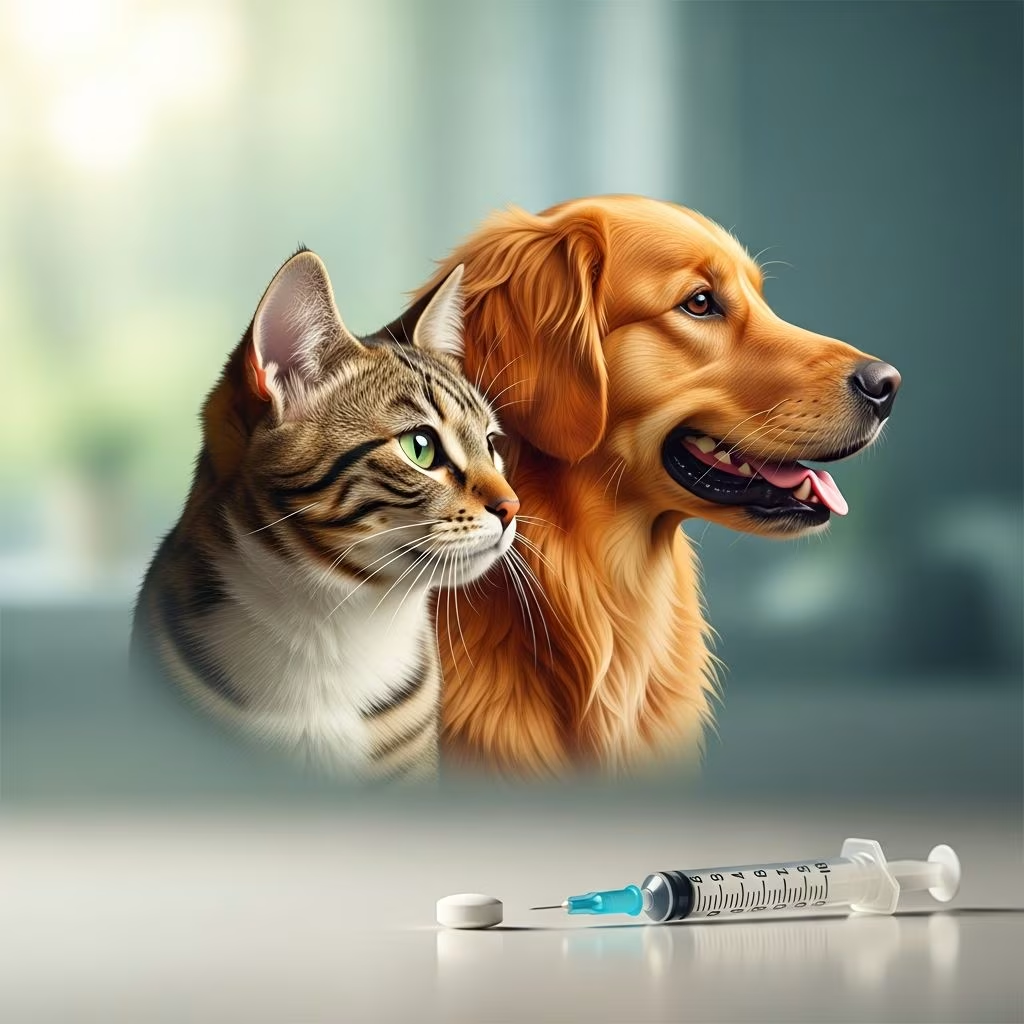
Understanding Amitriptyline for Pets
Amitriptyline is a tricyclic antidepressant medication that has been adapted for veterinary use to help manage behavioral and emotional issues in companion animals. Originally developed for human use, this medication has proven effective in treating various conditions in dogs and cats when prescribed and monitored by a veterinarian. Pet owners considering amitriptyline for their furry companions should understand its uses, proper dosing, potential side effects, and important safety precautions.
What Is Amitriptyline?
Amitriptyline belongs to a class of medications known as tricyclic antidepressants. In veterinary medicine, it is commonly prescribed under the brand name Elavil, though generic versions are also widely available. The medication works by affecting neurotransmitter activity in the brain, helping to regulate mood and behavior. This mechanism of action makes it particularly useful for managing anxiety-related conditions and behavioral disorders in both dogs and cats.
The drug has been utilized in veterinary practice for many years and has established a track record of efficacy when used appropriately. However, amitriptyline is not a standalone solution and works best when combined with behavioral modification techniques and environmental adjustments tailored to your pet’s specific needs.
Uses of Amitriptyline in Dogs
Veterinarians prescribe amitriptyline for dogs experiencing a variety of behavioral and emotional challenges. The most common applications include:
– Separation Anxiety: One of the primary uses of amitriptyline in dogs is managing separation anxiety, a condition where dogs become distressed when separated from their owners. The medication helps reduce the anxiety response that triggers destructive behavior, excessive barking, or other stress-related actions.- Generalized Anxiety: Beyond separation anxiety, amitriptyline can help manage generalized anxiety in dogs that may be triggered by various stimuli, such as loud noises, thunderstorms, fireworks, or unfamiliar situations.- Obsessive-Compulsive Behaviors: The medication is effective in controlling repetitive, obsessive behaviors in dogs, helping reduce compulsive actions that may cause physical harm or behavioral disturbances.- Itching and Acral Lick Dermatitis: Amitriptyline has been successfully used to manage itching and a condition known as acral lick dermatitis, where dogs obsessively lick specific areas of their body, often resulting in skin damage.- Nerve Pain: The medication can be prescribed to manage chronic nerve pain and other types of neuropathic pain in dogs, improving their quality of life and mobility.
Uses of Amitriptyline in Cats
Cats present unique behavioral and medical challenges that amitriptyline can help address. Common feline applications include:
– Inappropriate Urination and Urine Spraying: Amitriptyline is frequently prescribed to manage urine spraying and inappropriate urination in cats, behaviors that often stem from anxiety or territorial marking.- Excessive Grooming: Some cats engage in excessive grooming behaviors, sometimes resulting in hair loss and skin problems. Amitriptyline can help reduce these compulsive grooming habits.- Anxiety: Cats experiencing general anxiety or stress-related behaviors may benefit from amitriptyline therapy, which helps stabilize their emotional responses.- Feline Lower Urinary Tract Disease (FLUTD): The use of amitriptyline in cats with interstitial cystitis (a component of FLUTD) is based on research showing the condition’s association with stress and increased central nervous system activity. Frequent and painful urination caused by this disorder can trigger anxiety, which amitriptyline helps alleviate.
How Amitriptyline Works
Amitriptyline functions by modulating the levels of certain neurotransmitters in the brain, particularly serotonin and norepinephrine. These neurotransmitters play crucial roles in mood regulation, anxiety response, and pain perception. By affecting their activity, amitriptyline helps reduce anxiety, stabilize mood, and decrease pain sensitivity. The medication’s tricyclic structure allows it to interact with multiple receptor sites in the nervous system, contributing to its broad range of therapeutic applications in veterinary medicine.
Dosing Information for Dogs and Cats
Proper dosing of amitriptyline is essential for achieving therapeutic benefits while minimizing the risk of adverse effects. Dosage requirements vary based on species, weight, health status, and the specific condition being treated.
Dog Dosage Guidelines
For dogs, veterinarians typically prescribe amitriptyline at the following dosages:
– Standard dose: 0.5 to 2 mg per pound of body weight (equivalent to 1 to 4 mg/kg)- Frequency: Given every 12 to 24 hours, usually once or twice daily- Typical range: 0.5 to 1 mg per pound once or twice daily for most cases- Administration: Given orally
Veterinarians often start with a lower dose to assess tolerance and minimize potential side effects. The dose may be adjusted over time based on the dog’s response to treatment and any observed adverse effects. It can take 7 to 10 days at the proper dose for amitriptyline to reach full therapeutic effect, though the medication may begin working within 30 minutes of administration.
Cat Dosage Guidelines
For cats, the dosing protocol differs from that used in dogs:
– Standard dose: 2 to 10 mg per cat, most commonly 5 to 10 mg per cat- Frequency: Given once daily- Administration: Given orally
The lower frequency of dosing in cats compared to dogs reflects differences in feline metabolism and pharmacokinetics. As with dogs, veterinarians may adjust the dose based on individual response and tolerance.
How Amitriptyline Is Supplied
Amitriptyline is available in several pharmaceutical forms to accommodate different treatment needs and patient sizes:
Oral Tablets: Available in multiple strengths including 10 mg, 25 mg, 50 mg, 75 mg, 100 mg, and 150 mg tablets. Tablets can often be split in halves or quarters if a specific dose requires a smaller tablet than commercially available.Injectable Form: Available as a 10 mg/ml injectable solution for situations where oral administration is not feasible.Compounded Formulations: Veterinary compounding pharmacies can prepare amitriptyline in various forms, including oral liquids and flavored chews, which can be particularly helpful for pets that have difficulty taking tablets.
Administration Tips and Best Practices
Proper administration of amitriptyline ensures maximum effectiveness and minimizes gastrointestinal upset. Consider the following guidelines:
– Timing with Food: Amitriptyline can be given with or without food; however, administering it with a small meal may improve absorption and reduce potential stomach upset.- Tablet Division: If your pet requires a dose that doesn’t correspond to available tablet strengths, consult your veterinarian about dividing tablets or obtaining a compounded liquid version.- Palatability Enhancement: If your dog refuses the tablet or shows signs of nausea, try wrapping the tablet in a small piece of meat or cheese to encourage consumption.- Consistency: Administer the medication at the same time(s) each day to maintain consistent blood levels and therapeutic effect.- Hand Hygiene: After handling amitriptyline tablets or injectable forms, wash your hands thoroughly to prevent accidental absorption through skin.
Duration of Treatment
The length of time your pet will need to take amitriptyline depends on several factors, including the condition being treated, your pet’s response to the medication, and any adverse effects that may develop. It is essential to complete the full prescription as directed by your veterinarian, even if your pet appears to be improving. Completing the entire treatment plan helps prevent relapse or the development of medication resistance. Your veterinarian will provide specific guidance on treatment duration and may recommend periodic evaluations to assess ongoing need for the medication.
Potential Side Effects and Safety Considerations
While amitriptyline is generally considered safe for dogs and cats when prescribed appropriately, pet owners should be aware of potential side effects and important safety precautions.
Common Side Effects
Most side effects associated with amitriptyline are mild and may diminish as the pet’s body adjusts to the medication. These may include:
– Drowsiness or sedation- Dry mouth- Constipation- Urinary retention- Increased appetite- Weight gain
Serious Side Effects and Overdose
In high doses or in cases of accidental overdose, amitriptyline can cause serious and potentially fatal effects, particularly involving cardiac function:
– Cardiac arrhythmias- Seizures (which can be fatal in dogs)- Severe hypotension- Respiratory depression
If your pet accidentally ingests a large overdose of amitriptyline—for example, consuming several tablets—immediate veterinary attention is essential. Failure to provide prompt medical care in the event of overdose can be fatal. Always store amitriptyline securely where pets cannot access it.
Safety Guidelines and Precautions
To ensure safe use of amitriptyline, follow these important guidelines:
– Never Self-Prescribe: Always consult your veterinarian before giving amitriptyline to your pet. Never use your own prescription medication for your pet, as dogs and cats metabolize drugs very differently than humans and require different dosages based on their weight.- Medication Interactions: Inform your veterinarian of all other medications your pet is currently taking, as amitriptyline may interact with certain drugs.- Health Conditions: Disclose your pet’s complete medical history, including any existing heart conditions, urinary problems, or other health issues, as these may affect amitriptyline safety.- Gradual Discontinuation: If your pet has been taking amitriptyline for an extended period, it is best to taper the medication gradually rather than stopping abruptly, unless your veterinarian directs otherwise. Abrupt discontinuation can lead to withdrawal symptoms.- Monitoring and Lab Testing: Your veterinarian may recommend periodic physical examinations and laboratory testing while your pet is taking amitriptyline to ensure continued safety and efficacy.
Combining Amitriptyline with Behavioral Modification
Amitriptyline is most effective when used as part of a comprehensive treatment approach that includes behavioral modification and environmental management. Medication alone addresses the neurochemical components of anxiety and behavioral disorders, but behavioral training and environmental adjustments address the underlying triggers and patterns. Your veterinarian may recommend working with a certified animal behaviorist to develop a tailored behavior modification plan that complements the medication therapy. This multimodal approach typically yields better long-term outcomes than medication or behavior modification alone.
Frequently Asked Questions About Amitriptyline for Pets
Q: How long does it take for amitriptyline to work in pets?
A: Amitriptyline can begin working within 30 minutes to a few hours after administration, but it typically requires 7 to 10 days at the proper dose to reach full therapeutic effect. Behavioral changes may take several weeks to become fully apparent, so patience and consistent administration are important.
Q: Can I give my pet my own amitriptyline prescription?
A: No. Dogs and cats metabolize medications very differently than humans, requiring different dosages based on their weight and species. Using your own prescription for your pet can result in toxic overdose or insufficient therapeutic effect. Always obtain a separate prescription from your veterinarian.
Q: What should I do if I miss a dose?
A: If you miss a dose, do not give a double dose to make up for the missed one. Simply resume the regular dosing schedule. Do not exceed the total stated dose in any 24-hour period.
Q: Is amitriptyline safe for long-term use in pets?
A: Amitriptyline is generally considered safe for long-term use in pets when prescribed appropriately by a veterinarian and when the pet is monitored regularly. However, treatment duration should be determined by your veterinarian based on your pet’s specific condition and response to therapy.
Q: Can amitriptyline be used in combination with other medications?
A: Amitriptyline can potentially interact with other medications. Always inform your veterinarian of all medications and supplements your pet is currently taking before starting amitriptyline therapy.
Q: What are the signs of amitriptyline toxicity?
A: Signs of amitriptyline toxicity include seizures, cardiac arrhythmias, severe lethargy, tremors, and respiratory distress. If you suspect your pet has ingested an overdose or is showing signs of toxicity, seek immediate veterinary emergency care.
References
- Amitriptyline HCl (Elavil) for Dogs and Cats — PetPlace.com. Accessed November 2025. https://www.petplace.com/article/drug-library/drug-library/library/amitriptyline-hcl-elavil-for-dogs-and-cats
- Amitriptyline for Dogs: Uses, Dosage, and Side Effects — SingleCare. Accessed November 2025. https://www.singlecare.com/blog/amitriptyline-for-dogs/
- Amitriptyline for Dogs — Wag!. Accessed November 2025. https://wagwalking.com/treatment/amitriptyline
- Amitriptyline for Dogs: Uses, Dosage, and Side Effects — GoodRx. Accessed November 2025. https://www.goodrx.com/pet-health/dog/amitriptyline-for-dogs
- Amitriptyline Hydrochloride — PetMD. Accessed November 2025. https://www.petmd.com/pet-medication/amitriptyline-hydrochloride
- Amitriptyline — VCA Animal Hospitals. Accessed November 2025. https://vcahospitals.com/know-your-pet/amitriptyline
- Psychotropic Drugs Used for Skin Disorders — MSD Veterinary Manual. Accessed November 2025. https://www.msdvetmanual.com/multimedia/table/psychotropic-drugs-used-for-skin-disorders



