

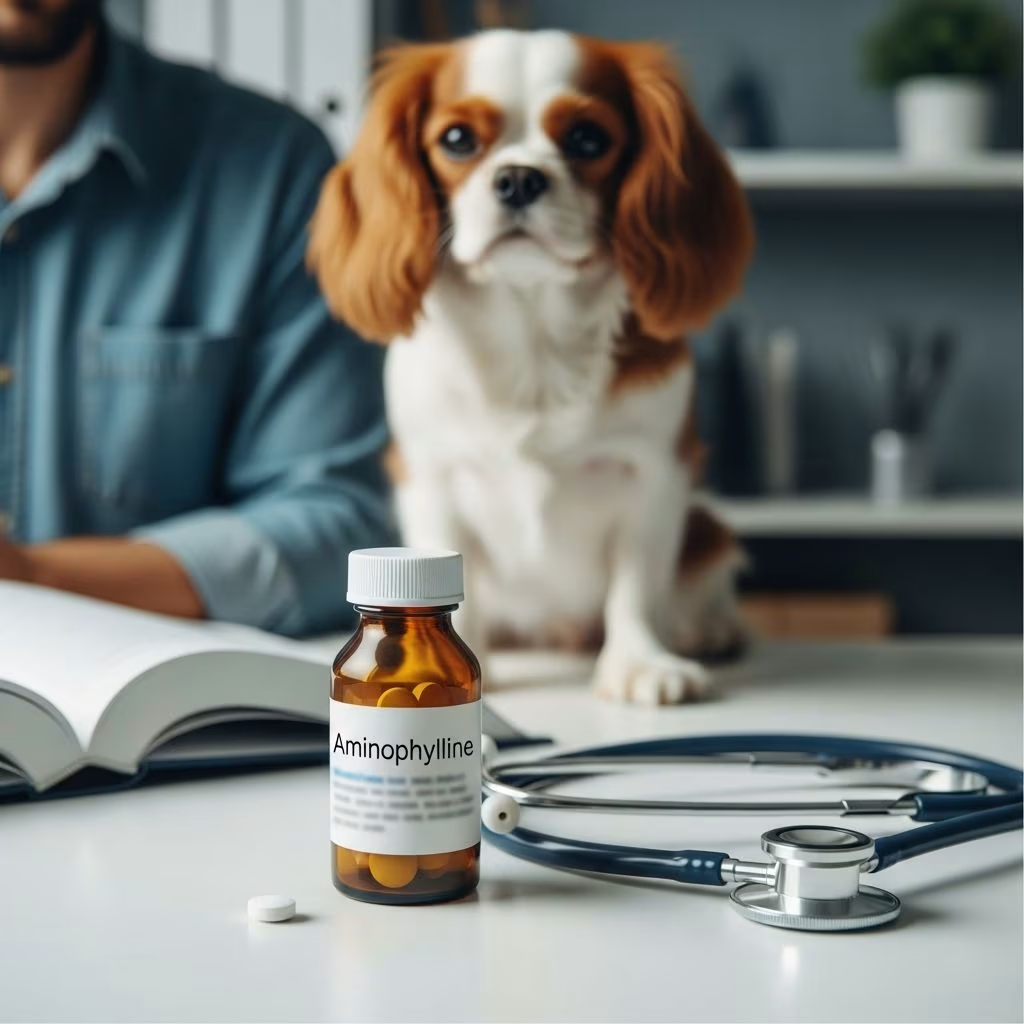
Understanding Aminophylline and Its Role in Canine Medicine
Aminophylline is a prescription bronchodilator medication commonly prescribed by veterinarians to treat various respiratory and cardiac conditions in dogs. This medication belongs to a class of drugs known as methylxanthine bronchodilators, which work by relaxing the smooth muscles that line the airways in the lungs and respiratory tract. When these muscles contract involuntarily—a condition called bronchospasm—airflow becomes restricted, causing difficulty breathing and chronic coughing. Aminophylline addresses this problem by expanding the airways and improving oxygen delivery throughout the body.
The medication is particularly valuable in veterinary practice because it serves multiple therapeutic functions beyond simple airway relaxation. In addition to its bronchodilatory effects, aminophylline can stimulate heart function, enhance nervous system activity, reduce inflammatory responses in the lungs, and help eliminate excess fluid from the body. This multi-faceted action makes it suitable for treating complex conditions that involve both respiratory and cardiovascular components.
How Aminophylline Works at the Cellular Level
Aminophylline functions as a phosphodiesterase inhibitor, which means it prevents the breakdown of certain chemical messengers within cells. When aminophylline is absorbed into the bloodstream, it travels to the smooth muscle cells surrounding the airways. These cells normally contract in response to various triggers, including allergens, inflammation, or disease processes. By inhibiting phosphodiesterase, aminophylline increases the concentration of cyclic adenosine monophosphate (cAMP) within these cells, leading to relaxation of the smooth muscle fibers.
It is important to note that aminophylline is converted to theophylline in a dog’s body after absorption. This conversion explains why aminophylline and theophylline produce virtually identical therapeutic effects and are often considered interchangeable in clinical practice. The conversion process occurs naturally during metabolism, making the two drugs functionally equivalent for treating canine conditions.
Primary Therapeutic Applications in Dogs
Veterinarians prescribe aminophylline for several distinct medical conditions in dogs, each characterized by either airway obstruction or cardiac dysfunction.
Bronchitis and Chronic Cough Management
Bronchitis represents one of the most common indications for aminophylline therapy in dogs. This condition involves inflammation of the bronchial tubes—the airways that carry air to the lungs. When inflammation develops, the surrounding smooth muscle contracts, reducing airflow and triggering persistent coughing. Aminophylline addresses both components of this problem: it relaxes the contracted smooth muscle while simultaneously reducing the inflammatory response. Dogs treated with aminophylline for bronchitis typically experience improved breathing comfort and reduced cough frequency within days of starting the medication.
Asthma in Canine Patients
Canine asthma, though less common than in cats, does occur in dogs and presents similar challenges to bronchitis. Asthma involves reversible airway obstruction triggered by allergens, exercise, stress, or other environmental factors. During an asthmatic episode, the smooth muscles in the airways contract severely, dramatically restricting airflow. Aminophylline provides rapid relief by relaxing these muscles and opening the airways, allowing affected dogs to breathe more easily. The medication can be used both for acute symptom management and as part of long-term control strategies.
Cardiac-Related Conditions
Heart failure in dogs sometimes involves pulmonary edema—an accumulation of fluid in the lungs that impairs oxygen exchange. Aminophylline addresses this complication through multiple mechanisms: it stimulates heart contractility (improving pumping efficiency), promotes diuresis (elimination of excess fluid through the kidneys), and improves blood oxygen levels. Additionally, the medication’s ability to relax airway smooth muscle prevents the secondary bronchospasm that often accompanies cardiac disease in dogs.
Dosing Protocols for Canine Patients
Proper dosing of aminophylline requires careful consideration of multiple factors to ensure therapeutic effectiveness while minimizing adverse effects.
Standard Dosage Guidelines
| Route of Administration | Dosage | Frequency |
|---|---|---|
| Oral (tablets or suspension) | 10 mg/kg body weight | Every 8 hours |
| Intravenous injection (slow) | 10 mg/kg body weight | Once, as needed |
| Intramuscular injection | 10 mg/kg body weight | As determined by veterinarian |
These dosages represent standard recommendations based on extensive clinical experience; however, individual dogs may require adjustments based on their specific condition, age, weight, and concurrent medications. A dog weighing 50 pounds (approximately 23 kg), for example, would typically receive approximately 230 mg of oral aminophylline every 8 hours, though the exact dose should be determined by the attending veterinarian.
Factors Affecting Dosage Decisions
Veterinarians consider several variables when establishing the appropriate aminophylline dose for an individual dog:
- Body weight: The primary determinant of dosage, calculated on a per-kilogram or per-pound basis
- Severity of condition: More severe respiratory or cardiac disease may warrant higher doses or more frequent administration
- Age and health status: Older dogs or those with concurrent health issues may require dose reduction
- Concurrent medications: Certain drugs interact with aminophylline and may necessitate dose adjustments
- Liver and kidney function: Impaired organ function slows aminophylline metabolism, requiring lower doses
- Individual sensitivity: Some dogs show greater therapeutic response at lower doses, while others require higher amounts
Veterinary consultation is essential before administering aminophylline; pet owners should never adjust doses without professional guidance.
Available Formulations and Administration Methods
Aminophylline is available in multiple pharmaceutical formulations, allowing veterinarians to select the most appropriate option for each patient’s needs and clinical situation.
Oral Formulations
The majority of dogs with chronic respiratory conditions receive aminophylline via oral tablets or liquid suspension. Tablets offer convenience for owners and can be given with food to minimize gastrointestinal upset. Oral suspension (liquid) formulations prove particularly useful for small dogs, puppies, or dogs with difficulty swallowing tablets. Both tablet and suspension forms require administration every 8 hours for optimal therapeutic effect.
Injectable Forms
Injectable aminophylline—available as intravenous or intramuscular preparations—provides rapid therapeutic action in emergency situations or for dogs unable to take oral medications. Intravenous administration must be performed slowly to avoid cardiovascular complications. Injectable formulations are typically reserved for acute exacerbations of respiratory disease or for hospitalized dogs requiring intensive management.
Potential Side Effects and Adverse Reactions
While aminophylline is generally well-tolerated in dogs, pet owners should be aware of possible adverse effects that may develop during treatment.
Gastrointestinal Side Effects
The most frequently reported side effects of aminophylline in dogs involve the digestive system. These effects include reduced appetite, nausea, vomiting, and diarrhea. The incidence and severity of gastrointestinal disturbance can be significantly reduced by administering aminophylline with a complete meal or food. This practice buffers the medication’s effect on the stomach lining and slows its absorption, minimizing irritation while maintaining therapeutic efficacy.
Cardiovascular and Metabolic Effects
Because aminophylline stimulates cardiac function, dogs receiving this medication may experience increased heart rate, increased appetite, elevated thirst, and increased urination. These effects reflect the medication’s systemic stimulatory properties and typically resolve after treatment is discontinued. Pet owners should monitor water intake and urination frequency and report any significant changes to their veterinarian.
Nervous System Effects
As a central nervous system stimulant, aminophylline can cause behavioral changes including restlessness, excitability, or irritability in some dogs. These effects are usually mild and manageable; however, they should be monitored and reported to the veterinarian if they become pronounced or distressing to the dog.
Serious and Rare Adverse Events
Though uncommon, aminophylline can trigger serious side effects in certain dogs. Muscle tremors represent the most notable serious adverse reaction. Additionally, seizures are a rare but significant concern, particularly in dogs with a pre-existing history of epilepsy or seizure disorders. Dogs prone to seizures may not be suitable candidates for aminophylline therapy, though some veterinarians may still recommend the medication if the therapeutic benefits outweigh the seizure risk. Any dog experiencing muscle tremors, convulsions, or other neurological changes should receive immediate veterinary evaluation.
Drug Interactions and Contraindications
Aminophylline interacts with various medications and may be contraindicated in certain medical conditions. Pet owners must inform their veterinarian of all supplements, medications, and prior diagnoses before starting aminophylline therapy.
Dogs with seizure disorders, severe cardiac arrhythmias, uncontrolled hyperthyroidism, or severe gastrointestinal ulceration may not be suitable candidates for aminophylline. Similarly, certain medications—including some antibiotics, antifungals, and cardiovascular drugs—can interact with aminophylline and alter its effectiveness or increase the risk of adverse effects. The veterinarian will review the dog’s complete medical history and medication list to identify any potential conflicts before prescribing aminophylline.
Regulatory Status and Off-Label Use Considerations
It is important for pet owners to understand that no aminophylline products are specifically labeled for veterinary use in the United States. Dogs receiving aminophylline are given human-formulated medication prescribed off-label by the veterinarian. This off-label use is legal and commonplace in veterinary medicine, and aminophylline has been extensively tested in dogs and cats, demonstrating safety and efficacy. The veterinarian’s judgment regarding appropriate dosing and monitoring applies to these off-label uses, and owners should feel confident in this treatment approach when recommended by their veterinary professional.
Monitoring and Follow-Up During Treatment
Dogs receiving aminophylline require ongoing monitoring to ensure the medication remains effective and that side effects do not develop or escalate. Pet owners should maintain regular contact with their veterinarian and report any changes in the dog’s condition, appetite, behavior, or urinary/fecal output. The veterinarian may recommend periodic blood work or physical examinations to assess organ function and medication tolerance, particularly in dogs receiving long-term therapy or those with concurrent health conditions.
Comparing Aminophylline to Alternative Treatments
While aminophylline provides valuable therapeutic benefits for many dogs with respiratory disease, alternative medications exist. Glucocorticoids such as prednisone often prove more effective than aminophylline alone for managing canine bronchitis and asthma. Modern veterinary practice frequently combines aminophylline with corticosteroids or other medications to achieve optimal therapeutic outcomes. Some veterinarians also incorporate environmental management strategies, allergen avoidance, and specialized inhalers—similar to those used in human asthma treatment—as part of comprehensive respiratory disease management.
Special Considerations for Specific Patient Populations
Certain groups of dogs require modified approaches to aminophylline therapy. Geriatric dogs often have reduced liver and kidney function, necessitating lower doses or longer intervals between doses. Puppies and very small dogs may require suspension formulations for accurate dosing. Dogs with liver disease, kidney disease, or cardiac conditions require careful veterinary assessment before aminophylline initiation, as the medication’s metabolism and safety profile may be significantly altered in these populations.
Frequently Asked Questions About Aminophylline for Dogs
How quickly does aminophylline work in dogs?
Oral aminophylline typically begins working within 30 minutes to 2 hours of administration, though maximum therapeutic effect may take several days of consistent dosing. Injectable formulations work more rapidly, with effects noticeable within minutes.
Can aminophylline be used long-term in dogs?
Yes, aminophylline can be used for extended periods in dogs with chronic respiratory disease. However, long-term use requires periodic veterinary monitoring to ensure continued efficacy and safety.
What should I do if I miss a dose?
If a dose is missed, administer it as soon as remembered unless the next scheduled dose is approaching. Never double-dose to compensate for a missed dose. Contact your veterinarian for specific guidance.
Can aminophylline be combined with other medications?
Many dogs receive aminophylline alongside other medications. However, the veterinarian must be aware of all concurrent medications to avoid harmful interactions.
Is aminophylline safe for all dogs?
While generally safe, aminophylline is not appropriate for dogs with certain medical conditions, particularly seizure disorders or severe cardiac arrhythmias. Veterinary assessment is essential before starting treatment.
Conclusion: Making Informed Treatment Decisions
Aminophylline represents a valuable tool in veterinary medicine for managing canine respiratory and cardiac conditions. Understanding how this medication works, recognizing potential side effects, and maintaining open communication with your veterinarian ensures the best possible outcomes for your dog. While aminophylline can significantly improve quality of life for dogs suffering from asthma, bronchitis, or certain heart conditions, treatment should always be individualized based on your dog’s specific medical needs, concurrent medications, and overall health status. Work closely with your veterinary professional to develop a comprehensive treatment plan that maximizes therapeutic benefits while minimizing risks and side effects.
References
- Aminophylline for Dogs and Cats — PetPlace.com. https://www.petplace.com/article/drug-library/drug-library/library/aminophylline-for-dogs-and-cats
- Aminophylline for Dogs: Uses and Side Effects to Watch For — GoodRx. https://www.goodrx.com/pet-health/dog/aminophylline-for-dogs
- Systemic Treatment of Inflammatory Airway Disease in Animals — Merck Veterinary Manual. https://www.merckvetmanual.com/pharmacology/systemic-pharmacotherapeutics-of-the-respiratory-system/systemic-treatment-of-inflammatory-airway-disease-in-animals
- Treatment of diaphragmatic fatigue with inhaled aminophylline therapy in an experimental canine model — National Institutes of Health. https://pmc.ncbi.nlm.nih.gov/articles/PMC4053058/



