

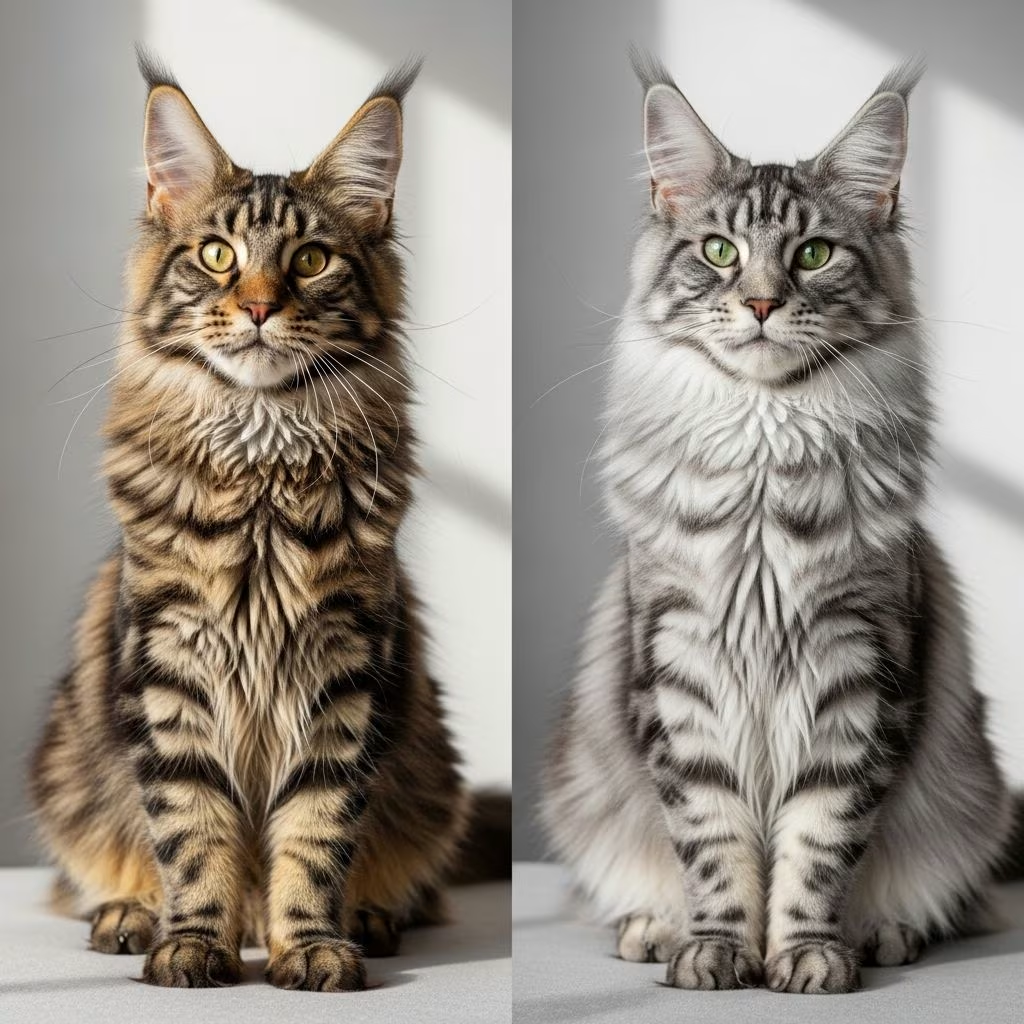
The Maine Coon stands out as one of the largest domestic cat breeds, celebrated for its impressive stature, sociable nature, and striking appearance. Within this breed, two main lines emerge: the American Maine Coon and the European Maine Coon. These variants differ primarily in physical traits shaped by distinct breeding standards, influencing their overall look and maintenance needs. While both share core characteristics like intelligence and affection, understanding these nuances helps prospective owners select the right match.
Origins and Breeding Standards Shaping the Variants
Maine Coons trace their roots to the northeastern United States, particularly Maine, where they developed as rugged farm cats adept at hunting rodents in harsh winters. Over time, breeding programs diverged. American lines, governed by associations like the Cat Fanciers’ Association (CFA), emphasize a refined, gentle aesthetic. In contrast, European lines, aligned with bodies such as The International Cat Association (TICA) and Fédération Internationale Féline (FIFE), prioritize a bolder, more feral expression reminiscent of wild felines.
These standards dictate selective breeding: American breeders favor softer profiles, while European ones enhance dramatic features. The result? Cats that embody the breed’s essence but with tailored visuals. No genetic divide exists; differences stem purely from human-guided aesthetics.
Physical Appearance: Refined Grace vs Wild Majesty
Visual distinctions define these lines most clearly. American Maine Coons present a \”sweet type\” look with rounded heads, gentler expressions, and a straighter nose bridge, evoking approachable house cats. Their ears are moderately sized with subtle tufts, and eyes slant obliquely for a milder gaze.
European Maine Coons, dubbed \”wild type,\” boast square muzzles, high cheekbones, and lynx-like ears with prominent tufts. Almond-shaped eyes add intensity, complemented by bushier tails and thicker manes for a lion-esque vibe. Heads appear broader and more triangular, amplifying their imposing presence.
| Feature | American Maine Coon | European Maine Coon |
|---|---|---|
| Head Shape | Rounded | Triangular/Broader |
| Muzzle | Gentle, rounded | Square, strong |
| Eyes | Oblique | Almond-shaped |
| Ears | Moderate tufts | Tall, prominent lynx tufts |
| Tail | Long | Longer, bushier |
Size and Build: Towering Gentle Giants
Both lines qualify as giants, with rectangular bodies, heavy bones, and muscular frames. Adults typically measure 10-16 inches tall at the shoulder, weighing 13-18 pounds on average, though males exceed females. European variants may edge larger in length (up to 30 inches) and weight (up to 25 pounds), but professional breeding equalizes potential; myths of vast European superiority persist unfounded.
Large, rounded paws—often snowshoe-like—equip them for snowy terrains, a nod to heritage. Growth spans 4-5 years, far beyond typical cats’ one-year maturity, demanding patience from owners.
Coat Variations: Texture and Grooming Demands
Maine Coons sport water-repellent, shaggy double coats: longer on ruffs, belly, and tail; shorter on head and shoulders. American coats feel silkier, flatter-lying, and less prone to matting, easing grooming. European fur is denser, cottony, and fluffier, heightening tangle risks and shedding.
Weekly brushing suits both, but Europeans need more vigilance. Neither mats excessively if maintained, and their coat resists dramatic seasonal sheds.
- American Coat: Silky, low-maintenance, minimal brushing.
- European Coat: Thick, fluffy, requires frequent detangling.
Temperament and Personality Traits
Dubbed \”gentle giants,\” both lines shine in sociability. Loyal and dog-like, they bond deeply, often shadowing owners. Playful into adulthood, they fetch toys and enjoy water. Vocalizations range from chirps to meows, expressing needs articulately.
Intelligence facilitates training, ideal for indoor life. They thrive in families, tolerating children, dogs, and fellow cats without aggression. Europeans’ wilder look belies identical sweetness—no temperament gap exists.
Health Considerations and Lifespan
Expect 12-15 years of vitality. Common issues include hip dysplasia, hypertrophic cardiomyopathy (HCM), and spinal muscular atrophy (SMA). Reputable breeders screen via genetic tests. Size predisposes joint strains, so monitor weight.
Hypertrophic cardiomyopathy, a thickening heart condition, affects Maine Coons; annual ultrasounds aid early detection. No line-specific vulnerabilities noted, but diverse pedigrees bolster resilience.
Care Essentials for Thriving Maine Coons
Nutrition and Diet
Fuel their frames with high-protein, calorie-dense food supporting slow growth. Kibble or wet formulas for large breeds prevent obesity. Fresh water is vital; many fancy fountains.
Exercise and Environment
Daily play—1+ hours—curbs boredom. Tall cat trees, interactive toys, and perches mimic wilderness. Indoor-only suits most, with leashed walks possible.
Grooming Routine
Brush 2-3 times weekly, more for Europeans. Nail trims biweekly, baths rarely. Dental care via brushing or treats wards plaque.
Choosing Your Maine Coon: American or European?
Preference drives selection. Favor refinement and easy grooming? Opt American. Crave wild drama? Choose European. Visit catteries, review pedigrees, and meet parents for temperament insight. Budget $1,000-$3,000+ for kittens from ethical sources emphasizing health testing.
Training Tips for Smart Maine Coons
Harness intellect with positive reinforcement. Teach tricks like high-fives or leash manners. Puzzle feeders engage minds, preventing mischief.
- Start young for best results.
- Use treats sparingly to avoid weight gain.
- Socialize early for pet harmony.
Pros and Cons Comparison
| Aspect | American Pros | American Cons | European Pros | European Cons |
|---|---|---|---|---|
| Appearance | Soft, approachable | Less dramatic | Fierce, majestic | Intimidating to some |
| Grooming | Low-maintenance coat | Still sheds | Ultra-fluffy look | Prone to mats |
| Size | Ample but balanced | Large home needed | Potentially grander | Space demands |
Frequently Asked Questions (FAQs)
Are European Maine Coons bigger than American ones?
They can appear larger due to fluffier coats and bolder builds, but standard breeding yields similar sizes.
Which is easier to groom?
American coats are silkier and less tangle-prone, demanding less effort.
Do they get along with dogs?
Yes, their friendly nature fosters harmony with pets and kids.
How long do Maine Coons live?
12-15 years with proper care.
Are they good for apartments?
With ample vertical space and play, yes—despite size.
Final Thoughts on Selecting Your Feline Companion
American and European Maine Coons offer timeless appeal as loving giants. Prioritize health-tested lineages over aesthetics alone. Their blend of playfulness, loyalty, and grandeur enriches homes, promising years of joy.
References
- American vs. European Maine Coon—is there a difference? — Untamed. 2023. https://untamed.com/blogs/cat-breeds/european-maine-coon
- American vs European Maine Coon: Key Differences! — LM Coon Cattery. 2023. https://www.lmcooncattery.com/american-maine-coon-vs-european-maine-coon
- European Maine Coon vs. American Maine Coon — Catster. 2023. https://www.catster.com/lifestyle/european-vs-american-maine-coon-cat/
- European Maine Coon’s vs. American – YouTube — YouTube. 2023. https://www.youtube.com/watch?v=2a7xJcOl_gY
- European VS American Breeds – Comparison — Dynasty Maine Coons. 2023. https://dmcmainecoons.com/maine-coon-breeds-european-american/
- European vs American Maine Coons: Size, Features & Prices — Maine Coon Size. 2023. https://www.mainecoonsize.com/european-maine-coons



