

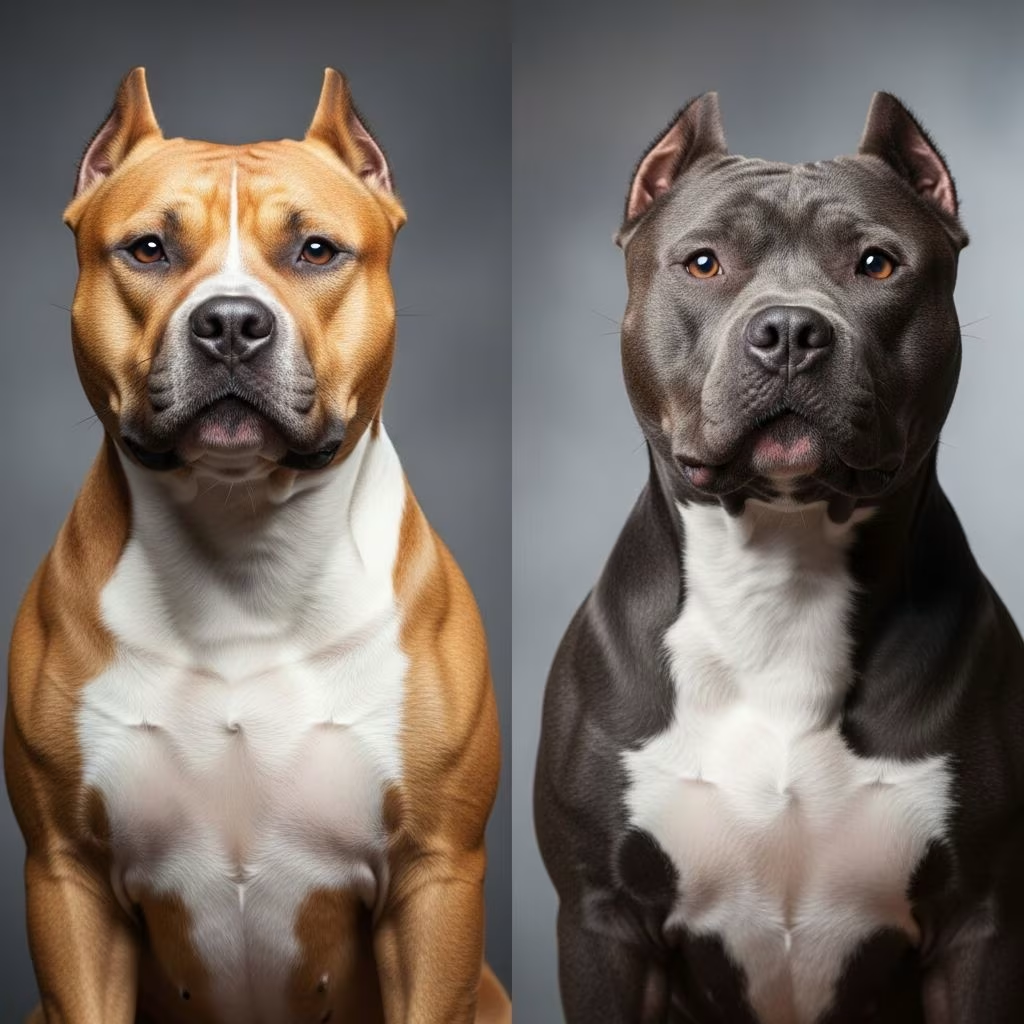
American Staffordshire Terrier vs. Pit Bull: Understanding Two Iconic Breeds
The American Staffordshire Terrier (affectionately called “AmStaff”) and the Pit Bull (often nicknamed “Pittie”) are two of the most misunderstood dog breeds today. While they share a fascinating and complex history, these breeds have evolved into distinct types with unique characteristics. Understanding the differences between them is essential for potential dog owners who want to make an informed decision about which breed might be right for their family.
One of the most important distinctions to understand is that according to the American Kennel Club (AKC), every American Staffordshire Terrier is technically classified as an American Pit Bull Terrier, but not every Pit Bull is an AmStaff. This nuance highlights the complicated relationship between these closely related breeds and explains why comparing them requires a deeper look into their history, appearance, and temperament.
A Shared and Complex History
The story of the American Staffordshire Terrier and the Pit Bull begins in 19th-century England, where bulldogs and terrier breeds were crossed to create dogs that combined the bulldogs’ strength with the terriers’ agility and speed. As dog training expert Ettel Edshteyn, CBDC, owner of Poodles to Pit Bulls Dog Training in New York City, explains: “They bred those bulldogs with terrier breeds because they’re more agile, they’re faster. [From] that bull and terrier mix, we get a lot of these different bully breed types.”
Originally bred for dog fighting and bull baiting—brutal blood sports that were eventually banned—these dogs were shaped by their violent past. However, their story didn’t end there. By the 1930s, selective breeding had transformed these breeds into distinct lines with different purposes. The American Staffordshire Terrier emerged as a breed specifically developed for companionship and later for showing in the ring, while other lines remained closer to their original working heritage.
Today, these breeds have transcended their troubled past and are recognized as loyal, affectionate family companions when properly socialized and trained.
Physical Appearance: Key Differences
While American Staffordshire Terriers and Pit Bulls share many physical characteristics, there are several notable differences that distinguish them:
Size and Build
Height: American Pit Bull Terriers are typically slightly taller and more slender than American Staffordshire Terriers. Pit Bulls can reach up to 21 inches tall at the shoulder, while AmStaffs generally measure between 17 and 19 inches in height.
Weight: American Staffordshire Terriers tend to be stockier and more muscular despite their shorter stature. AmStaffs typically weigh between 40 and 70 pounds, while Pit Bulls generally weigh between 30 and 60 pounds. This weight difference reflects decades of selective breeding for different purposes—the AmStaff was bred to have a more compact, powerful build, while the Pit Bull maintains a more athletic, balanced physique.
Head and Facial Features
American Staffordshire Terriers typically possess a broader head with well-defined, pronounced cheek muscles that give them a distinctive appearance. Their skulls are generally more blocky and muscular. In contrast, Pit Bulls often have a more streamlined head shape with a narrower muzzle, reflecting their heritage as working dogs designed for agility and speed.
Nose: According to AKC breed standards, an American Staffordshire Terrier’s nose must always be black, whereas a Pit Bull’s nose can be any color. This is one of the clearer defining characteristics in breed standards.
Ears
Both breeds have ears set high on the head. However, many American Staffordshire Terriers have cropped ears (though this controversial practice is opposed by the American Veterinary Medical Association), while Pit Bulls typically have natural, uncropped ears. This difference often stems from showing traditions, as AmStaffs were more commonly shown in ring competitions.
Coat and Colors
Both breeds have short, glossy coats that are moderately stiff to the touch. They come in various color combinations, with common patterns including white and brown or white and black combinations. Both breeds are considered equally striking and athletic in appearance.
Personality and Temperament
Despite their intimidating appearance, both American Staffordshire Terriers and Pit Bulls are known for their loving and affectionate personalities. However, there are subtle differences in how these breeds interact with people and their environment.
Social Tendencies
Socialization is especially important for American Staffordshire Terriers, who might be shy and anxious around new people they haven’t been introduced to. With proper socialization from puppyhood, they can become wonderful family companions, but they may always be slightly more reserved with strangers.
American Pit Bull Terriers, by contrast, tend to be more outgoing and ready to mingle with new people. They typically display a friendlier demeanor toward strangers, making them excellent choices for pet parents who regularly host guests or live in social environments. This breed’s natural confidence and sociability make them well-suited to community interactions.
Loyalty and Family Bonds
Both breeds are exceptionally loyal and people-oriented dogs. They form strong bonds with their families and thrive in homes where they receive plenty of attention and affection. Aggressive behavior toward humans is uncharacteristic of both breeds, and they are known for their enthusiastic, wagging tails and eager-to-please attitudes.
Energy Levels
While both breeds are energetic and active, they may differ slightly in their overall drive and intensity. American Pit Bull Terriers tend to have a stronger drive and may be slightly more energetic and explosive in their movements, reflecting their heritage as working dogs. American Staffordshire Terriers, bred for decades in the show ring, tend to be somewhat calmer and less driven, though they remain highly active dogs that require substantial exercise.
Exercise Needs and Activity Requirements
Both American Staffordshire Terriers and Pit Bulls are active breeds that thrive on physical activity and mental stimulation. However, their exercise requirements differ slightly:
American Staffordshire Terriers need approximately one hour of exercise every day to stay healthy and happy. This can include structured activities combined with regular outdoor time.
American Pit Bull Terriers might do adequately with slightly less exercise, around 45 minutes daily, though many individuals will benefit from the full hour like their AmStaff cousins.
Recommended Activities
Both breeds excel in various activities that channel their athleticism and intelligence:
– Dock diving- Barn hunting- Running and jogging- Flyball competitions- Agility courses- Scent work- Tug-of-war games- Fetch and retrieval games
These dogs have inquisitive minds and seemingly inexhaustible energy. With their longer legs, American Pit Bull Terriers can be particularly excellent jogging partners. Both breeds do remarkably well in performance events such as obedience, rally, and lure coursing due to their natural agility, high intelligence, and eager-to-please personalities.
Grooming and Coat Care
Fortunately, grooming requirements for both American Staffordshire Terriers and Pit Bulls are relatively straightforward due to their short coats. Regular brushing helps maintain their coat’s health and shine, and occasional baths keep them clean. Neither breed requires extensive grooming, making them manageable for most dog owners in terms of coat maintenance.
Health Considerations
Understanding the health issues that can affect these breeds is crucial for responsible ownership. Both American Staffordshire Terriers and Pit Bulls share several common health concerns due to their shared ancestry:
Common Health Issues
These breeds are susceptible to various eye conditions, including cataracts and progressive retinal atrophy (PRA), which can affect vision and quality of life. Additionally, both breeds can experience hip dysplasia and elbow dysplasia—joint disorders that can cause pain and mobility issues as the dogs age.
Breed-Specific Health Concerns
The American Staffordshire Terrier can also inherit cerebellar ataxia, a neurological disorder that specifically affects balance, gait, and coordination. This condition is less commonly associated with Pit Bulls and represents a breed-specific health consideration that potential AmStaff owners should be aware of.
Prospective owners should work with reputable breeders who conduct health testing on their breeding dogs and can provide documentation of health clearances. Regular veterinary care, a balanced diet, appropriate exercise, and early detection of health issues are essential for maintaining these dogs’ well-being throughout their lives.
Understanding Breed Standards and Recognition
One critical distinction between these breeds relates to official recognition and breed standards. The American Staffordshire Terrier is a specific breed with clearly established AKC standards that define acceptable physical characteristics, temperament traits, and other breed specifications.
“Pit Bull,” on the other hand, functions as an umbrella term rather than a formally recognized breed with a standardized breed standard across all kennel clubs. It’s often used as a catch-all descriptor for several bully breed types, including the American Staffordshire Terrier, American Pit Bull Terrier (recognized by the United Kennel Club), American Bully, American Bulldog, and Staffordshire Bull Terrier. This distinction explains much of the confusion surrounding these breeds.
American Staffordshire Terrier vs. American Pit Bull Terrier: Which Is the Breed for You?
Choosing the Right Breed for Your Lifestyle
Selecting between an American Staffordshire Terrier and an American Pit Bull Terrier depends on your lifestyle, experience level, and preferences:
Choose an American Staffordshire Terrier if: You appreciate a stockier, more compact build; you’re willing to invest in thorough socialization for a dog that may be reserved with strangers; you want a dog bred specifically for companionship and showing; you’re comfortable with the possibility of cropped ears; you prefer a slightly calmer energy level while still having an active companion.
Choose an American Pit Bull Terrier if: You prefer a taller, more slender athletic build; you want a naturally outgoing dog that’s typically friendly with strangers; you regularly host guests or live in social environments; you’re looking for an excellent jogging or running partner; you want a dog with strong drive and explosive energy; you appreciate working dog heritage and characteristics.
Both breeds require responsible ownership, proper training, early socialization, and a commitment to providing adequate exercise and mental stimulation. They are not ideal for first-time dog owners who lack experience managing powerful, athletic dogs. However, for experienced dog owners prepared to meet their substantial needs, both breeds can be incredibly rewarding, loving, and loyal companions.
Frequently Asked Questions
Q: Is every American Staffordshire Terrier technically a Pit Bull?
A: According to the AKC, yes—every American Staffordshire Terrier is technically classified as an American Pit Bull Terrier. However, not every dog called a “Pit Bull” is an officially recognized American Staffordshire Terrier breed.
Q: What is the main physical difference between these breeds?
A: The primary physical difference is size and build. American Staffordshire Terriers are shorter (17-19 inches) and stockier (40-70 pounds), while American Pit Bull Terriers are taller (up to 21 inches) and more slender (30-60 pounds).
Q: Are these breeds aggressive?
A: No. Despite their intimidating appearance, both breeds are loving, affectionate, and people-oriented. Aggressive behavior toward humans is uncharacteristic of both breeds when properly socialized and trained.
Q: Which breed is better with strangers?
A: American Pit Bull Terriers tend to be more outgoing and friendly with strangers. American Staffordshire Terriers might be shyer and require more socialization to be comfortable with new people.
Q: How much exercise do these breeds need?
A: American Staffordshire Terriers need about one hour of daily exercise, while American Pit Bull Terriers might do well with slightly less (around 45 minutes), though most benefit from a full hour of activity.
Q: What health issues should I be aware of?
A: Both breeds are susceptible to eye conditions (cataracts, progressive retinal atrophy), hip dysplasia, and elbow dysplasia. American Staffordshire Terriers can also inherit cerebellar ataxia, a neurological disorder affecting balance and coordination.
Q: Do these breeds require extensive grooming?
A: No. Both breeds have short coats requiring only regular brushing and occasional baths. They are relatively low-maintenance in terms of grooming.
References
- American Staffordshire Terrier vs. Pit Bull — American Kennel Club. Accessed 2025. https://www.akc.org
- American Staffordshire Terrier Breed Standard — American Kennel Club Official Breed Standards. https://www.akc.org/dog-breeds/american-staffordshire-terrier/
- American Pit Bull Terrier Information — United Kennel Club. https://www.ukcdogs.com/american-pit-bull-terrier
- Canine Health and Genetic Disorders — Orthopedic Foundation for Animals (OFA). https://ofa.org/
- Dog Breed Characteristics and Behavior — American Veterinary Medical Association (AVMA). https://www.avma.org



