

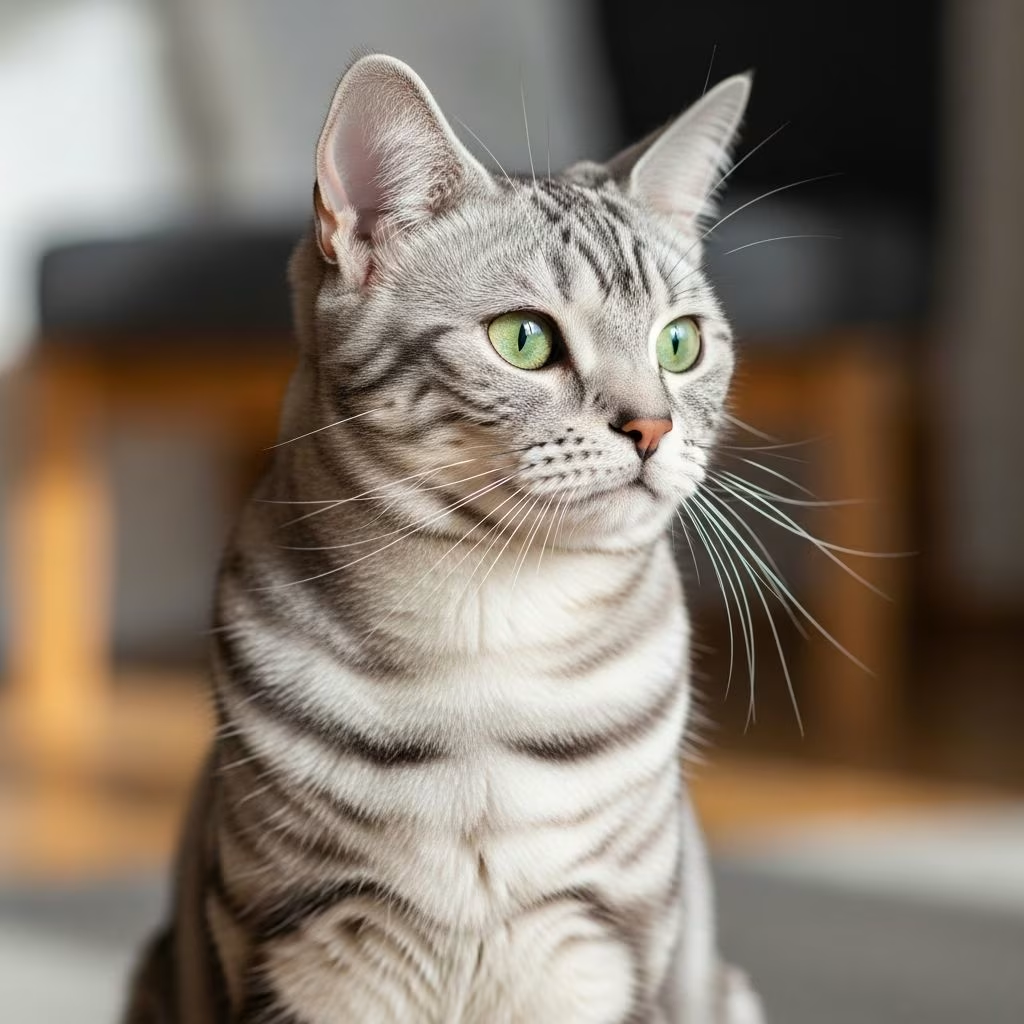
The American Shorthair stands out as one of the most popular domestic cat breeds in the United States, prized for its robust build, adaptable nature, and affectionate demeanor. Originating from hardy working cats brought by European settlers, this breed has evolved into a beloved family companion known for its strength, intelligence, and low-maintenance coat.
Historical Roots and Evolution
American Shorthairs trace their lineage back to the early colonial era when Europeans imported tough, rodent-hunting cats to protect food supplies on ships and in new settlements. These felines, often called “Shorthairs” or “Domestic Shorthairs,” were selectively bred starting in the late 19th century to refine their traits while preserving their natural vigor. By the 20th century, breed standards were established by organizations like the Cat Fanciers’ Association (CFA), emphasizing power, balance, and endurance without exaggeration.
Unlike more delicate breeds, American Shorthairs retained their practical, farm-cat heritage, making them resilient adapters to modern homes. Their history of survival in harsh conditions contributes to their reputation as healthy, long-lived pets with lifespans often reaching 15 to 20 years.
Physical Characteristics and Breed Standards
American Shorthairs exhibit a medium-to-large, muscular frame designed for agility and strength. Males typically weigh 11 to 15 pounds, while females range from 8 to 12 pounds, with a stocky build featuring a broad chest, thick neck, and powerful legs. The head is large and slightly oblong, with full cheeks, a square muzzle, and medium-sized ears rounded at the tips. Eyes are wide-set, golden, green, or copper, conveying a sweet, alert expression.
Their short, dense coat is a hallmark feature, thickest in winter for protection against cold and minor injuries. It lies close to the body, requiring minimal grooming. This breed showcases over 80 color variations and patterns, including solids like white, black, and red; tabbies in silver, brown, or blue; and unique shades such as smoke or shaded silver.
| Feature | Description |
|---|---|
| Size | Medium-large; males 11-15 lbs, females 8-12 lbs |
| Coat | Short, dense, plush; thickens in winter |
| Head | Broad, full-cheeked, square muzzle |
| Eyes | Large, wide; gold, green, or copper |
| Tail | Medium length, thick at base |
Temperament and Personality Traits
Renowned for their even-tempered and sociable nature, American Shorthairs make excellent family pets. They are intelligent, moderately active, and enjoy interactive play like chasing toys or solving puzzles, echoing their hunting ancestry. These cats are affectionate without being demanding, often preferring to sit nearby rather than being held, and they communicate softly with chirps or “silent meows” rather than loud meows.
- Family-Friendly: Gentle with children and tolerant of other pets, including dogs
- Independent Yet Loving: Balances solitude with cuddles and lap time
- Playful Hunter: Retains instincts for stalking insects or toys
- Adaptable: Thrives in apartments, homes, or farms
- Low Aggression: Rarely scratches or shows hostility
Their docility, high intelligence, and energy levels make them ideal for households seeking a calm yet engaging companion.
Grooming and Daily Care Essentials
American Shorthairs require straightforward care due to their short coat. Weekly brushing removes loose fur and reduces shedding, while their hardy constitution minimizes bathing needs. Check ears weekly for wax buildup, trim nails bi-monthly, and provide regular dental care to prevent tartar.
Encourage daily play sessions of 15-20 minutes to satisfy their moderate exercise needs and prevent obesity. scratching posts and climbing trees support their natural behaviors. Keep litter boxes clean, as they are fastidious.
Nutrition and Feeding Guidelines
A balanced diet supports their muscular build and longevity. High-quality commercial cat food formulated for their life stage—kitten, adult, or senior—provides essential proteins, fats, and nutrients. Aim for 200-300 calories daily for adults, divided into 2-3 meals, adjusting for activity and weight.
- Fresh water always available
- Avoid free-feeding to control portions
- Incorporate wet food for hydration
- Supplements only under vet guidance
Monitor weight, as their sturdy frame can lead to overweight issues if overfed.
Health Considerations and Wellness Tips
Generally robust, American Shorthairs face risks like hypertrophic cardiomyopathy (HCM), a heart condition common in cats, and polycystic kidney disease (PKD) in some lines. Regular vet check-ups, including annual exams and screenings, catch issues early. Vaccinations, flea/tick preventives, and spaying/neutering are crucial.
Lifespan averages 15-20 years with proper care. Watch for signs of dental disease, obesity, or urinary issues. Genetic testing for breeding stock helps maintain breed health.
Training and Enrichment Activities
Smart and eager, American Shorthairs excel at learning tricks like fetch, high-fives, or walking on a leash. Use positive reinforcement with treats and praise. Puzzle feeders and treat-dispensing toys stimulate their minds, preventing boredom.
Establish routines for playtime to build anticipation and strengthen bonds. Their tolerance makes them great for multi-pet homes or training with children.
Choosing and Bringing Home an American Shorthair
Select from reputable breeders adhering to CFA or TICA standards, or adopt from shelters where many purebreds await homes. Kittens should be socialized early. Prepare with essentials: litter box, bed, toys, and scratching post. Introduce gradually to new environments.
Common Myths and Facts
| Myth | Fact |
|---|---|
| They are lazy couch potatoes | Moderately active hunters who need playtime |
| High-maintenance grooming | Easy weekly brush suffices |
| Not good with kids | Patient and gentle family companions |
| Short lifespan | Often live 15-20 healthy years |
Frequently Asked Questions (FAQs)
Are American Shorthairs good for first-time owners?
Yes, their adaptability, low demands, and friendly nature make them perfect for beginners.
How often do they shed?
Moderately; short coat sheds seasonally but brushes easily.
Do they get along with dogs?
Typically yes, with proper introductions, due to their tolerant temperament.
What is the best food for American Shorthairs?
High-protein kibble or wet food suited to age and activity; consult a vet.
Are they vocal cats?
No, they prefer quiet chirps over meowing.
Why Choose an American Shorthair?
This breed combines historical resilience with modern companionship qualities, offering loyalty, playfulness, and ease. Whether for a bustling family or quiet apartment, their versatility shines. Invest in routine care for years of joy from these powerhouse pets.
References
- American Shorthair Personality and Care — Vet Amerikan. 2023. https://www.vetamerikan.org/our-best-friends/cat-types/american-shorthair
- American Shorthair Cat Breed Information — Purina. 2024-01-15. https://www.purina.com/cats/cat-breeds/american-shorthair
- American Shorthair Breed Standard — Cat Fanciers’ Association (CFA). 2025-06-01. https://cfa.org/breed/american-shorthair/
- American Shorthair Cat Breeds — VCA Animal Hospitals. 2024. https://vcahospitals.com/know-your-pet/cat-breeds/american-shorthair
- American Shorthair — Wikipedia (referencing CFA standards). 2025. https://en.wikipedia.org/wiki/American_Shorthair
- American Shorthair Cat Breed — Hill’s Pet. 2024-03-20. https://www.hillspet.com/cat-care/cat-breeds/american-shorthair
- American Shorthair Breed — The International Cat Association (TICA). 2025-02-10. https://tica.org/breed/american-shorthair/



