

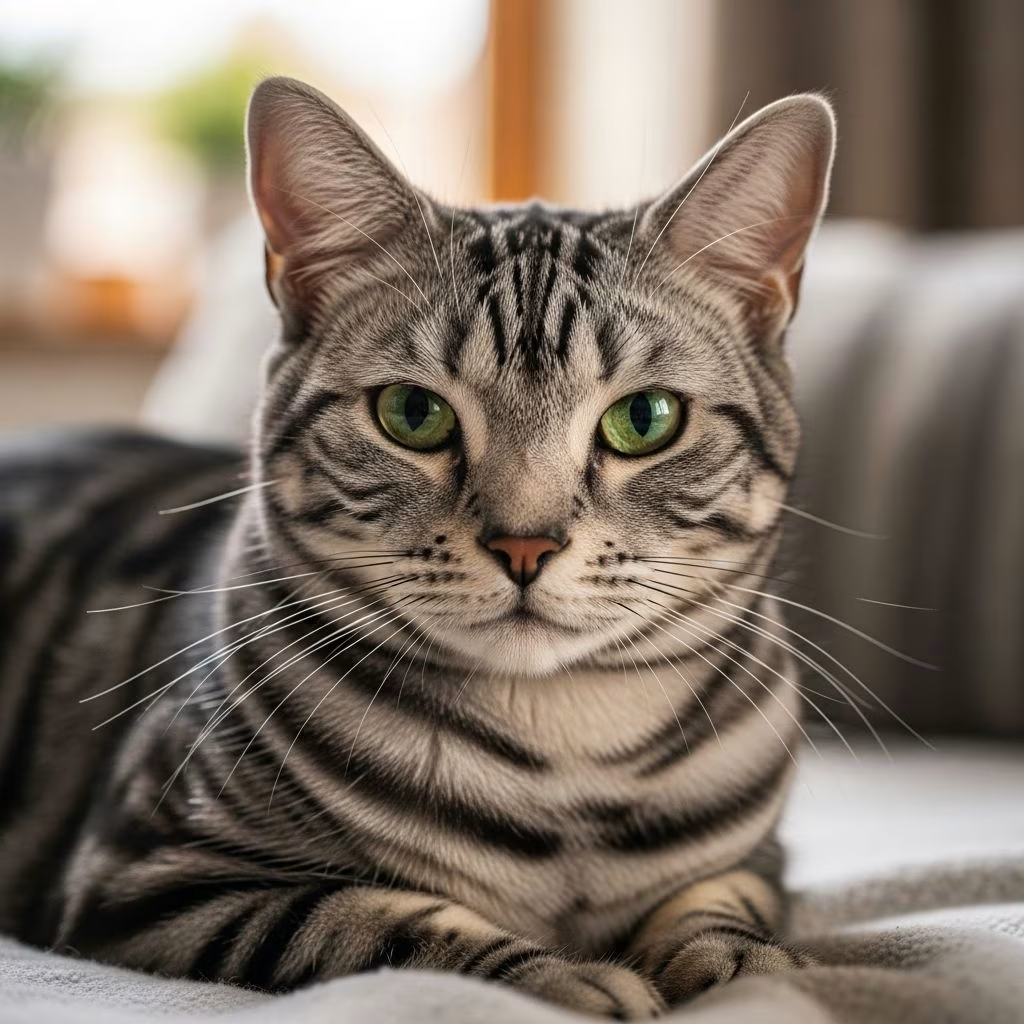
The American Shorthair, a robust and adaptable domestic cat breed, typically enjoys a lifespan ranging from 15 to 20 years with proper care. This impressive longevity stems from their hardy genetics and low predisposition to many hereditary diseases common in other purebreds.
Understanding the Typical Longevity of American Shorthairs
American Shorthairs stand out among cat breeds for their durability. Unlike more fragile purebreds, these cats often reach senior status without major interventions. Studies on companion cats indicate purebreds like the American Shorthair average around 12.5 years, but breed-specific data points to higher figures for this variety, often exceeding 15 years indoors.
Factors such as genetics play a pivotal role. Mixed-breed cats, which share genetic diversity with early American Shorthair lines, tend to outlive purebreds by about 1-2 years due to reduced risks of inherited conditions. For American Shorthairs, this translates to a median lifespan where many surpass 17 years under ideal conditions.
Genetic Foundations and Breed Comparisons
Originating from European working cats brought to America, American Shorthairs developed strong constitutions suited for survival. Their short, dense coat and muscular build contribute to resilience against environmental stressors.
Compared to other breeds:
| Breed | Average Lifespan (Years) | Key Notes |
|---|---|---|
| American Shorthair | 15-20 | Hardy, low hereditary risks |
| Siamese | 15-20 | Long-lived purebred |
| Burmese | 14-15 | Top longevity in UK studies |
| Sphynx | 6-9 | Shortest among analyzed breeds |
| Mixed Breed | 13-14 | Genetic diversity advantage |
This table highlights how American Shorthairs compete favorably with top long-lived breeds while outperforming those prone to genetic issues.
Environmental Impacts on Lifespan
A cat’s surroundings profoundly affect its years. Indoor American Shorthairs live 10-17 years on average, far outpacing outdoor counterparts at 2-5 years due to reduced trauma, infections, and predation risks.
- Indoor Living: Protects from traffic accidents, fights, and diseases; UC Davis data shows 10-12 years baseline for indoors vs. drastically shorter outdoors.
- Stress Reduction: Stable homes with enrichment like toys and perches promote mental health, indirectly extending life.
- Hazard Avoidance: Toxins, extreme weather, and predators shorten outdoor lives significantly.
Transitioning outdoor cats indoors requires gradual adaptation with interactive play to mimic hunting instincts.
Influence of Neutering and Gender
Neutering dramatically boosts longevity. UK life table data reveals neutered cats live 1.07 years longer than intact ones on average. For American Shorthairs, spaying females prevents reproductive cancers, while neutering males curbs roaming and fights.
Gender differences persist: females average 12.51 years vs. males at 11.18 years at birth. Neutered males close this gap, reaching near-female spans by avoiding injuries. Spayed females average 10.5 years, neutered males 9.8, but intact drop to 3.7-4.7 years—emphasizing early sterilization.
Nutrition and Weight Control Strategies
Diet is foundational to longevity. Balanced nutrition tailored to life stages prevents obesity, a key lifespan reducer. Each 100g deviation from ideal breed/sex median body weight shortens life by 0.02 years.
- Kitten Phase: High-protein growth formulas support development.
- Adult Maintenance: Calorie-controlled kibble or wet food maintains lean mass.
- Senior Adjustment: Joint-supportive formulas with glucosamine for aging bodies.
Obesity links to diabetes, heart disease, and arthritis. Studies show cats at ideal body condition scores (4-5/9 or 6-8/9 scales) live longest. Portion control, puzzle feeders, and daily activity keep American Shorthairs trim and vital.
Common Health Risks and Prevention
Though robust, American Shorthairs face breed-typical issues manageable with vigilance.
- Hypertrophic Cardiomyopathy (HCM): Heart muscle thickening; annual echoes for early detection.
- Polycystic Kidney Disease (PKD): Rare but screened via ultrasound.
- Obesity-Related Conditions: Diabetes, hypertension; monitored via vet checkups.
- Dental Disease: Gingivitis from plaque; daily brushing or dental diets.
Routine care includes vaccinations, parasite prevention, and bi-annual senior exams post-age 7.
Exercise Routines for Optimal Health
Active American Shorthairs maintain muscle tone and heart health. Aim for 20-30 minutes daily of play mimicking hunt-chase dynamics.
- Wand toys for sprinting.
- Laser pointers for agility.
- Vertical spaces like cat trees for climbing.
Obese cats benefit from hydrotherapy or vet-guided weight loss plans. Exercise combats age-related mobility loss, supporting 20-year lifespans.
Veterinary Care Milestones
Proactive vet visits extend life. Schedule:
| Age Group | Recommended Checkups | Focus Areas |
|---|---|---|
| Kitten (0-1 yr) | Every 3-4 weeks until 16 weeks, then annually | Vaccines, deworming, growth tracking |
| Adult (1-7 yrs) | Annually | Wellness exams, dental checks |
| Senior (7-11 yrs) | Every 6 months | Bloodwork, kidney/thyroid screening |
| Geriatric (12+ yrs) | Every 3-6 months | Full geriatric panels, mobility aids |
Early detection via bloodwork catches issues like renal disease, common in seniors.
Daily Lifestyle Tips for Longevity
Beyond basics, enrich life:
- Hydration: Multiple fountains encourage drinking, preventing crystals.
- Grooming: Weekly brushing reduces hairballs.
- Socialization: Human and cat bonds reduce stress hormones.
- Sleep Hygiene: 12-16 hours daily in quiet spots.
Pet insurance covers unexpected costs, ensuring timely interventions.
FAQs
How long do American Shorthair cats usually live?
Typically 15-20 years with indoor living and good care.
Do male or female American Shorthairs live longer?
Females average slightly longer, but neutering equalizes outcomes.
Can American Shorthairs live over 20 years?
Yes, with optimal care; some reach 25+.
What’s the biggest threat to their lifespan?
Outdoor access and obesity.
How often should I take my senior American Shorthair to the vet?
Every 3-6 months for comprehensive checks.
Maximizing Your American Shorthair’s Golden Years
As cats age, adapt care: softer foods, heated beds, and pheromone diffusers ease transitions. Monitor for arthritis signs like reluctance to jump, addressing with ramps and supplements. Cognitive health via puzzle toys prevents boredom-related decline.
Owners report American Shorthairs remain playful into teens, rewarding lifelong bonds. By prioritizing indoor safety, nutrition, and vet care, you enable these companions to enjoy extended vitality.
References
- Life tables of annual life expectancy and risk factors for mortality in cats born in the UK between 2009 and 2012 — O’Neill DG et al. Journal of Feline Medicine and Surgery. 2024. https://pmc.ncbi.nlm.nih.gov/articles/PMC11156239/
- How Long Do Cats Live? 5 Factors That Affect Longevity — Snappy Tom. 2023. https://www.snappytom.com/post/how-long-do-cats-live-5-factors-that-affect-longevity
- The Average Lifespan of a Cat: Breed by Breed Chart — PetCareRx. 2023. https://www.petcarerx.com/article/the-average-lifespan-of-a-cat-breed-by-breed-chart/1698
- American Shorthair Cat Breed Health and Care — PetMD. 2024. https://www.petmd.com/cat/breeds/american-shorthair
- American Shorthair Personality and Care — VetAmerikan. 2023. https://www.vetamerikan.org/our-best-friends/cat-types/american-shorthair
- American Shorthair Cat Facts — ASPCA Pet Health Insurance. 2023. https://www.aspcapetinsurance.com/resources/american-shorthair-cat/



