

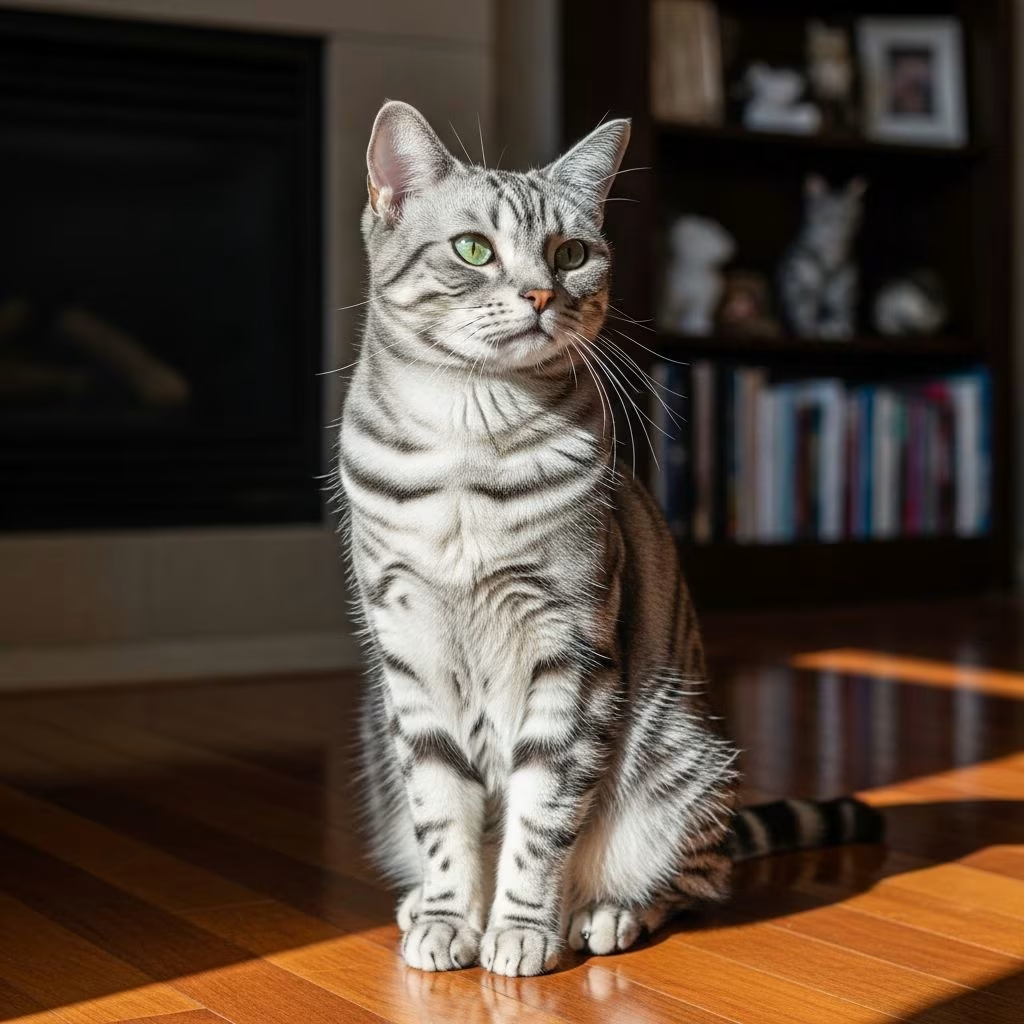
The American Shorthair stands out as a resilient and versatile cat breed, prized for its muscular physique, short dense coat, and balanced temperament that suits various households. Originating from working cats brought by early settlers, this breed combines hunting prowess with modern companionship qualities, offering a lifespan of 15 to 20 years with proper care.
Historical Roots of the American Shorthair
Tracing back to the 17th century, American Shorthairs descended from European shorthaired cats transported by Pilgrims and colonists to control rodent populations on ships and in new settlements. These hardy felines proved essential in protecting food stores from pests, earning them the nickname “working cats.” Over time, selective breeding refined their traits, leading to recognition by cat fancier organizations in the early 20th century. Unlike more exotic breeds, their development emphasized functionality, power, and endurance, shaping a cat well-suited for both farm life and home environments.
By the mid-1900s, the breed gained popularity through shows and pedigrees, with the Cat Fanciers’ Association establishing standards that highlight symmetry and strength. Today, they remain one of America’s most beloved native breeds, blending historical utility with affectionate domesticity.
Physical Characteristics and Build
American Shorthairs exhibit a medium to large frame, with males typically weighing 11 to 15 pounds and females 8 to 12 pounds. Their body is strongly built, featuring a broad chest, muscular neck, and well-developed limbs that convey agility and power without exaggeration. The head is large and slightly oblong, with full cheeks, wide-set medium ears rounded at the tips, and prominent eyes that are often golden or green.
Their short, thick coat provides protection and requires minimal upkeep, thickening in winter for insulation. This dense fur structure repels dirt and sheds moderately, making grooming straightforward. Legs are sturdy and muscular, supporting excellent balance and endurance, while the tail remains medium-length and tapered.
Size and Weight Comparison
| Gender | Weight Range (lbs) | Average Length | Build Type |
|---|---|---|---|
| Male | 11-15 | Medium-Large | Muscular, Broad |
| Female | 8-12 | Medium | Proportional, Sturdy |
This table illustrates the breed’s sexual dimorphism, with males generally larger to support their historical roles.
Diverse Coat Colors and Patterns
One of the breed’s most striking features is its variety, boasting over 80 colors and patterns. Common shades include white, black, blue, red, cream, silver, and gold, often in tabby, solid, or shaded forms. Silver tabby remains especially popular, featuring bold markings on a shimmering background.
- Solid Colors: Pure white with pink nose leather and blue or gold eyes; dense black free of rust.
- Tabby Patterns: Classic, mackerel, or spotted in brown, blue, red, or silver.
- Shaded/Smoke: Black smoke with white undercoat tipped black; silver shades with sparkling effect.
- Parti-Colors: Calico or tortoiseshell with white underparts.
Disqualifications in shows include Siamese-like markings or long fur, preserving the breed’s distinct short-coated appearance.
Temperament and Personality Traits
American Shorthairs are easygoing, intelligent, and moderately active, excelling as family pets due to their patience with children and tolerance of other animals. They communicate subtly with chirps or “silent meows” rather than excessive vocalizing, and enjoy interactive play like chasing toys or puzzles.
While affectionate and cuddly, they maintain independence, preferring to sit nearby rather than being held constantly. Their adaptability shines in apartments or homes with dogs, though hunting instincts may target small pets like birds.
| Trait | Level | Description |
|---|---|---|
| Playfulness | High | Loves hunting games and tricks |
| Affection | High | Bonds deeply with family |
| Independence | Moderate | Enjoys alone time |
| Child-Friendly | Excellent | Gentle and tolerant |
| Energy | Moderate | Balanced activity needs |
Health and Lifespan Expectations
Renowned for robustness, American Shorthairs often live 15-20 years, resisting many genetic issues common in specialized breeds. Key concerns include hypertrophic cardiomyopathy (HCM), obesity from overfeeding, and occasional hip dysplasia, but regular vet checks mitigate risks. Their strong constitution stems from diverse ancestry, promoting overall vitality.
Maintain health through balanced diet, exercise, and annual exams. Avoid obesity by monitoring portions, as their sturdy build can hide weight gain.
Grooming and Daily Care Essentials
Low-maintenance defines this breed’s coat: brush weekly to reduce shedding and distribute oils, more during seasonal changes. Bathing is rare, as their fur self-cleans effectively.
- Nail trimming every 2-3 weeks.
- Dental care with brushing or treats to prevent tartar.
- Ear cleaning if wax builds up.
- Litter box kept spotless daily.
Provide scratching posts to protect furniture and support claw health.
Nutrition and Feeding Guidelines
Fuel their muscular frame with high-quality, protein-rich food suited to age and activity. Kittens need frequent meals for growth; adults twice daily; seniors lower calories to prevent fat gain. Fresh water always available.
Portion control is crucial: about 1/2 to 1 cup kibble daily for adults, adjusted by weight. Wet food aids hydration, especially for older cats.
Exercise and Enrichment Activities
Moderately energetic, they thrive on 20-30 minutes daily play, mimicking hunts with wand toys or laser pointers. Puzzle feeders challenge intelligence, preventing boredom. Vertical spaces like cat trees encourage climbing, aligning with their agile nature.
Ideal Living Environments
Versatile adapters, they flourish in apartments, houses, or multi-pet homes. Indoor living recommended to protect from dangers, with ample windows for bird-watching. They handle solitude well but appreciate evening routines.
Bringing Home an American Shorthair
Select from reputable breeders or rescues emphasizing health testing. Kittens should be socialized; adults often come litter-trained. Prepare with essentials: food bowls, litter setup, toys, and carrier.
Initial vet visit for vaccines, spay/neuter, and microchip. Gradual introductions to family and pets ensure smooth transitions.
Frequently Asked Questions (FAQs)
Are American Shorthairs good with kids?
Yes, their gentle, patient nature makes them excellent with children.
How often do they shed?
Moderately, with peaks seasonally; weekly brushing helps.
Do they get along with dogs?
Often yes, if introduced properly, though supervise with small animals.
What’s the best food for them?
High-protein, age-appropriate kibble or wet food in controlled portions.
Are they vocal cats?
No, they prefer quiet chirps or silent meows.
American Shorthairs offer enduring companionship through their blend of strength, smarts, and sociability, making them a timeless choice for pet lovers.
References
- American Shorthair Personality and Care — Vet American. 2023. https://www.vetamerikan.org/our-best-friends/cat-types/american-shorthair
- American Shorthair Cat Breed Information — Purina US. 2024-01-15. https://www.purina.com/cats/cat-breeds/american-shorthair
- American Shorthair — Cat Fanciers’ Association. 2025. https://cfa.org/breed/american-shorthair/
- American Shorthair — VCA Animal Hospitals. 2024. https://vcahospitals.com/know-your-pet/cat-breeds/american-shorthair
- American Shorthair Cat Breed — Hill’s Pet Nutrition. 2024. https://www.hillspet.com/cat-care/cat-breeds/american-shorthair
- American Shorthair — Wikipedia (referencing primary breed standards). 2025-01-20. https://en.wikipedia.org/wiki/American_Shorthair
- American Shorthair — TICA. 2024. https://tica.org/breed/american-shorthair/



