

American Shorthair Cat Breed: A Complete Guide
The American Shorthair is one of the most beloved and recognizable cat breeds in North America, celebrated for its balanced temperament, athletic build, and adaptability to family life. Once valued for their mousing abilities on farms and ships during colonial times, these versatile felines have evolved into cherished house pets while retaining many of their original working qualities. Their combination of intelligence, independence, and affectionate nature makes them an ideal choice for families seeking a well-rounded companion that can entertain itself while also enjoying interactive playtime with their human families.
Physical Appearance and Build
American Shorthairs are medium to large cats with a distinctly muscular and sturdy physique designed for functionality and endurance. Males typically weigh between 11 to 15 pounds, while females are generally smaller at 8 to 12 pounds. Their body structure reflects their heritage as working cats, with a strong, well-balanced frame that conveys power and agility without any exaggerated features that might compromise their health or mobility.
Head and Facial Features
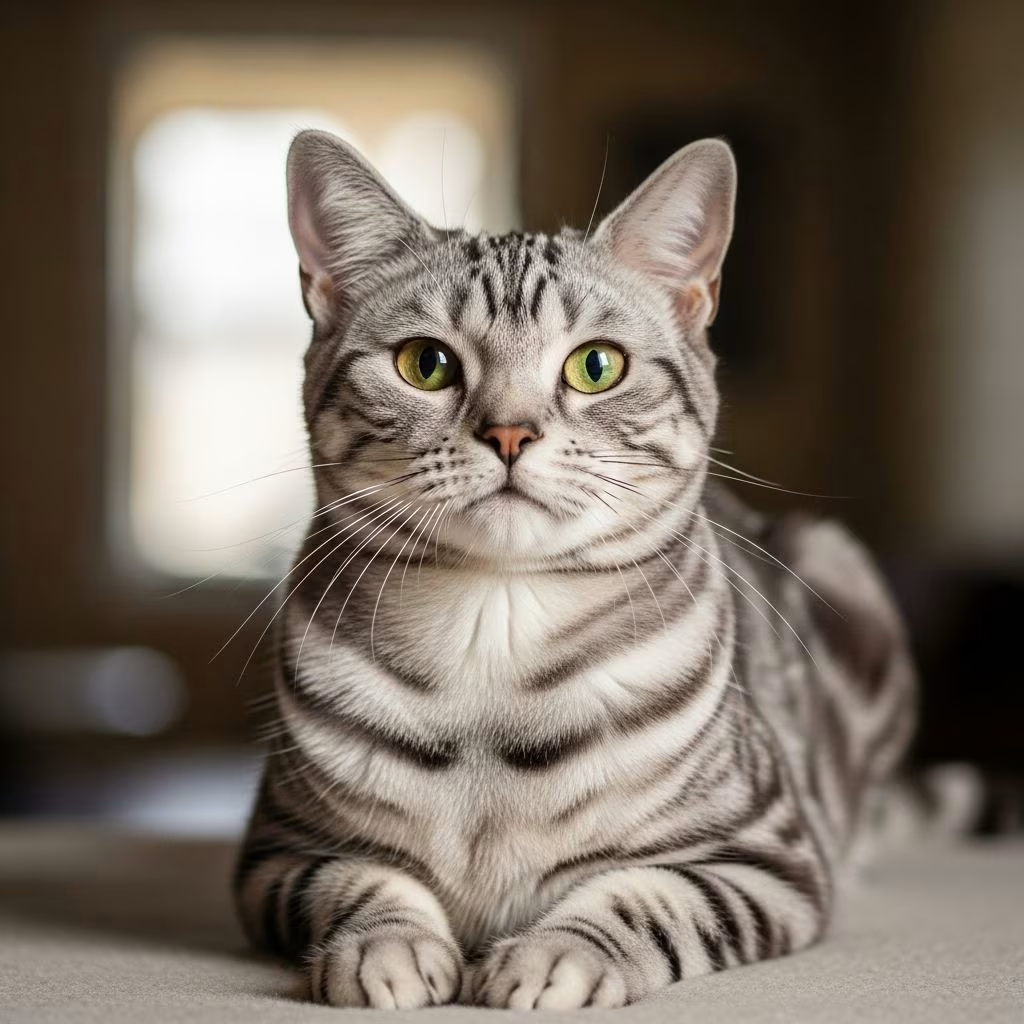
The head of an American Shorthair is notably large and full-faced, giving them a distinctive appearance that sets them apart from other breeds. Their large, wide-set eyes are typically golden or green in color, providing excellent vision for spotting prey and observing their environment. The ears are medium-sized and slightly rounded at the tips, positioned strategically to aid in their hunting heritage. They possess powerful jaws and a square muzzle, along with full cheeks that contribute to their characteristic friendly expression.
Body Structure and Coat
The breed’s muscular legs provide exceptional agility and endurance, enabling them to move swiftly and gracefully. Their coat is short, thick, and dense, with a relatively hard texture designed to protect against moisture, cold, and superficial skin injuries. The coat naturally becomes thicker and longer during winter months, providing additional insulation. This low-maintenance coat makes grooming straightforward compared to long-haired breeds, requiring only occasional brushing to maintain its health and appearance.
Color Varieties and Patterns
One of the most striking features of American Shorthairs is the incredible diversity of coat colors and patterns available. The breed comes in more than 80 different color combinations and patterns, offering something for nearly every preference. Popular colors include white, black, blue, red, cream, and silver, often appearing in various patterns and shadings. The silver tabby is one of the most iconic and popular patterns, though brown tabby is also extremely common and recognizable. Many American Shorthairs feature white predominance on their underparts, with tabby markings allowed in red or cream patches for certain color variations.
Temperament and Personality
American Shorthairs are renowned for their even temperament and balanced personality, making them exceptional family companions. These cats are extremely intelligent and possess a natural curiosity about their surroundings, enjoying observation and interactive engagement with their environment. Despite their working heritage, they maintain a calm and easygoing demeanor, though they remain playful throughout their lives, even into old age.
Social Behavior and Independence
While American Shorthairs are affectionate and loving, they maintain a healthy independence that distinguishes them from clingy breeds. They appreciate human company and particularly enjoy interactive play with their families, but they are equally content amusing themselves when their owners are away at work. These cats are known for their gentle behavior around children and are exceptionally tolerant of other animals, including cat-friendly dogs. However, their hunting instincts may override their tolerance with pet birds and other small creatures, so careful introductions are recommended.
Communication Style
Unlike some vocal cat breeds, American Shorthairs are notably quiet and not very chatty. They prefer to communicate through chirps or sweet squeaking sounds rather than loud vocalizations. The breed is particularly famous for its distinctive “silent meow” of greeting, where the cat opens its mouth as if to meow but makes no sound—a polite way of requesting attention. This quiet nature makes them suitable for apartment living and households where excessive cat vocalizations might be problematic.
Activity Level and Play Preferences
American Shorthairs are very athletic cats that enjoy regular exercise and mental stimulation. They love hunting games and are particularly excited by interactive play involving feather wands, toys on strings, and objects that simulate prey movements. If you establish a regular playtime schedule, you may notice your American Shorthair appearing excited and eager in anticipation of their play session. Given their high intelligence, these cats are easily trainable and can learn commands, stay off counters, use scratching posts, and even retrieve toys, though they are also clever enough to figure out how to open cupboard drawers and doors to access treats or toys.
Health and Lifespan
American Shorthairs are generally healthy and robust cats with an impressive lifespan of 15 to 20 years, making them long-term companions for families willing to commit to their care. Their strong, sturdy build and lack of exaggerated physical features contribute to fewer breed-specific health problems compared to more specialized breeds. Regular veterinary check-ups, a balanced diet, and appropriate exercise help ensure your American Shorthair maintains optimal health throughout their life.
Care and Maintenance Requirements
The American Shorthair is a relatively low-maintenance breed in terms of grooming needs. Their short, dense coat requires minimal grooming, though regular brushing helps reduce shedding and keeps their coat healthy and lustrous. Unlike long-haired breeds, American Shorthairs do not require frequent bathing or professional grooming services. However, they do benefit from regular nail trimming, ear cleaning, and dental care as part of a comprehensive health maintenance routine.
Environmental Needs
These athletic cats thrive with access to vertical spaces, climbing structures, and window perches where they can observe outdoor activity. Many American Shorthairs enjoy watching birds and other creatures from windowsills, a behavior that satisfies their natural hunting instincts. Providing interactive toys, puzzle feeders, and regular play sessions helps keep their intelligent minds stimulated and prevents boredom-related behavioral issues.
Why American Shorthairs Make Excellent Family Pets
American Shorthairs are particularly well-suited to family living for numerous reasons. Their good-natured temperament, combined with their tolerance of children and other animals, makes them ideal for households with multiple pets or young family members. They are adaptable to various living situations, from spacious houses to smaller apartments, as long as they receive adequate mental and physical stimulation. Their independent streak means they can entertain themselves during the day while owners are at work, yet they still enjoy quality time with their families during evenings and weekends.
The breed’s moderate activity level strikes an ideal balance for families seeking an engaged but not hyperactive companion. Unlike some breeds that demand constant attention, American Shorthairs are content with lap time on their own terms, often choosing to sit alongside their humans rather than being carried or held. This preference for autonomy combined with their affectionate nature creates a rewarding relationship built on mutual respect and genuine connection.
Training and Intelligence
American Shorthairs are intelligent cats that respond well to positive reinforcement training methods. Their natural curiosity and desire to learn make them receptive to teaching basic commands, using scratching posts, and even learning tricks. Consistency and patience combined with rewards like treats and praise yield the best results. Their problem-solving abilities mean they quickly learn household routines and can anticipate regular activities like mealtimes and playtimes.
Comparison with Other Breeds
| Characteristic | American Shorthair | British Shorthair | Maine Coon |
|---|---|---|---|
| Size | Medium to Large | Medium to Large | Large to Very Large |
| Coat Type | Short, Dense | Short, Plush | Long, Thick |
| Temperament | Affectionate, Independent | Calm, Easygoing | Friendly, Sociable |
| Activity Level | Very Athletic | Moderate | Playful |
| Lifespan | 15-20 years | 12-17 years | 12-15 years |
| Grooming Needs | Minimal | Moderate | High |
Hunting Instincts and Prey Drive
Once touted as the all-American mouser, American Shorthairs retain their strong hunting instincts and prey drive. While this makes them excellent at catching insects and maintaining homes free from rodents, it also means that households with pet birds, rabbits, or other small animals require careful management. These cats are naturally skilled hunters with excellent vision and quick reflexes, making them relentless pursuers of anything that moves like prey. This trait should be considered carefully when introducing an American Shorthair to a household with small pets.
Choosing an American Shorthair for Your Family
When considering an American Shorthair as a pet, evaluate your lifestyle and home environment. These cats thrive in homes where they receive regular interactive play, mental stimulation, and companionship without excessive demands for constant attention. They are excellent for working professionals and families because of their ability to entertain themselves while still providing affectionate companionship during personal time. The breed’s adaptability, good health, and reasonable longevity make them an economical choice compared to breeds with higher health risks or grooming requirements.
Frequently Asked Questions About American Shorthairs
Q: Are American Shorthairs good for first-time cat owners?
A: Yes, American Shorthairs are excellent for first-time cat owners. Their easygoing temperament, low grooming requirements, and adaptability make them forgiving and enjoyable companions for those new to cat ownership.
Q: How much exercise do American Shorthairs need daily?
A: American Shorthairs are very athletic and benefit from daily interactive play sessions. Aim for 15-30 minutes of active play per day, using toys, wands, or games that simulate hunting behavior to keep them mentally and physically stimulated.
Q: Do American Shorthairs get along with other pets?
A: American Shorthairs are generally very tolerant of other animals and can coexist peacefully with other cats and cat-friendly dogs. However, their hunting instincts may be triggered by birds, rabbits, and other small pets, so introductions should be carefully supervised.
Q: How often should I groom my American Shorthair?
A: American Shorthairs have low grooming requirements. Brushing once a week helps reduce shedding and maintain coat health. During heavy shedding seasons, more frequent brushing may be beneficial.
Q: Are American Shorthairs prone to specific health problems?
A: American Shorthairs are generally healthy cats with few breed-specific health issues. Their robust build and natural conformation contribute to good overall health, though regular veterinary care is still essential.
Q: Do American Shorthairs like to be held and cuddled?
A: American Shorthairs prefer to interact on their own terms. While they are affectionate and loving, many prefer sitting alongside their humans rather than being picked up and cradled. They will often curl up in your lap on occasion.
Q: What is the average cost of an American Shorthair?
A: American Shorthairs are readily available through shelters and rescue organizations at minimal adoption fees. Purchasing from a breeder typically costs $300-$800, depending on lineage and quality.
References
- American Shorthair Cat Breed Information — Purina US. 2024. https://www.purina.com/cats/cat-breeds/american-shorthair
- American Shorthair Breed Standard — The Cat Fanciers’ Association. 2024. https://cfa.org/breed/american-shorthair/
- American Shorthair Cat Breed Guide — VCA Animal Hospitals. 2024. https://vcahospitals.com/know-your-pet/cat-breeds/american-shorthair
- American Shorthair Breed Information — TICA (The International Cat Association). 2024. https://tica.org/breed/american-shorthair/
- American Shorthair Cat Breed — Hill’s Pet Nutrition. 2024. https://www.hillspet.com/cat-care/cat-breeds/american-shorthair
- American Shorthair Description and Characteristics — Wikipedia. 2024. https://en.wikipedia.org/wiki/American_Shorthair



