

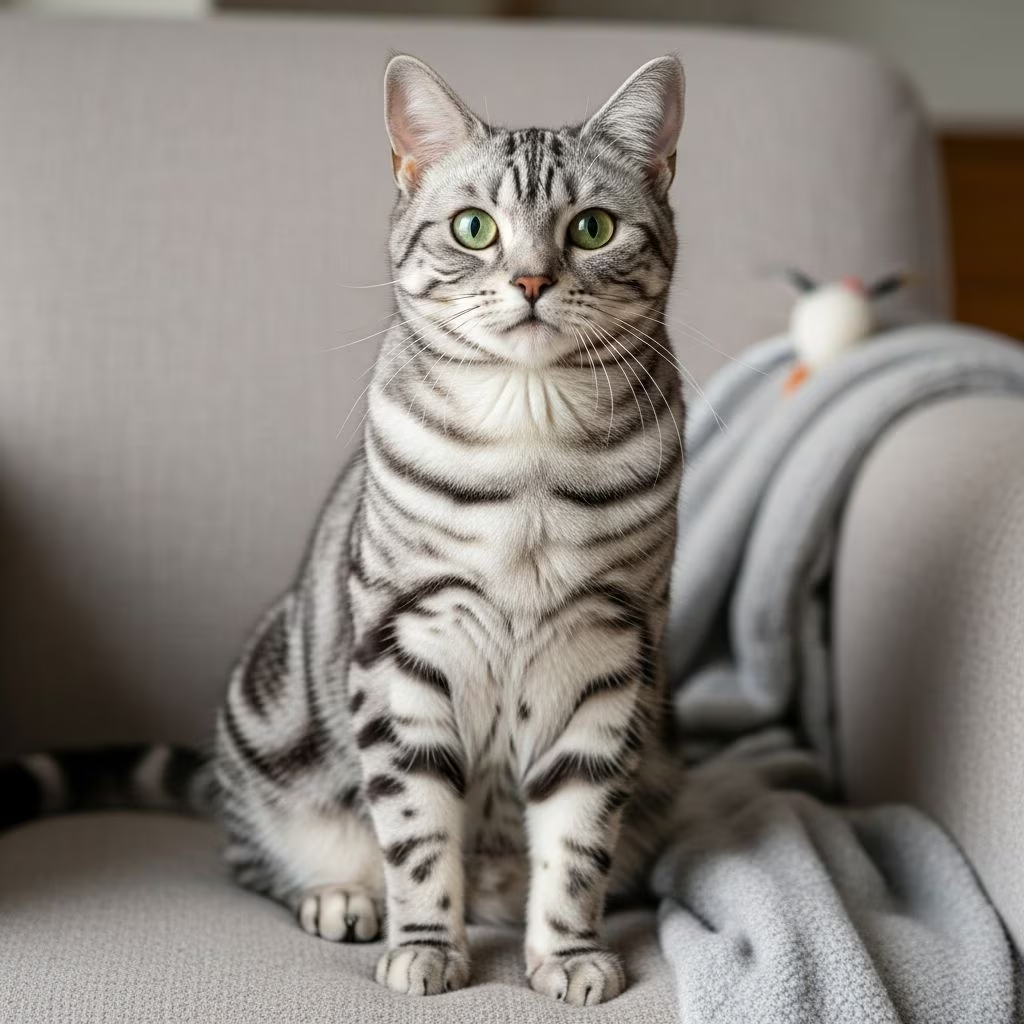
American Shorthair Cat Breed: Behavior, Traits & Care
The American Shorthair stands as one of the most popular and beloved cat breeds in North America, known for its versatility, intelligence, and adaptable nature. Originally brought to America on the Mayflower, these cats served as working animals on farms and in homes, controlling rodents and vermin. Today, they remain cherished companions in millions of households, valued for their easygoing temperament and genuine affection toward their families. Whether you’re considering adopting an American Shorthair or simply want to learn more about this remarkable breed, understanding their unique characteristics and behavioral traits is essential.
Breed History and Origins
The American Shorthair has a fascinating history deeply intertwined with American colonial development. These cats arrived on ships with early European settlers, where they proved invaluable in protecting food stores and grain supplies from rodent infestations. Over centuries, American Shorthairs were selectively bred for their hunting prowess, durability, and adaptability to various climates and living conditions. Unlike many modern cat breeds developed purely for aesthetic purposes, the American Shorthair emerged from practical necessity, resulting in a breed with exceptional physical capabilities and robust health. This working cat heritage continues to influence their behavior and instincts today, making them natural hunters with strong prey drives.
Physical Characteristics
Size and Build
American Shorthairs are medium to large cats with impressive muscular builds designed for their historical role as hunters and working cats. Males typically weigh between 11 to 15 pounds, while females generally range from 8 to 12 pounds. Despite their moderate weight, they appear sturdy and powerful due to their dense musculature and well-developed bone structure. Their stocky frame, broad chest, muscular neck, and strong legs give them an athletic appearance that reflects their capacity for endurance and agility. This powerful physique allows them to pursue prey effectively and maintain excellent balance even as they age.
Coat Characteristics
One of the most distinctive features of the American Shorthair is their short, dense, and thick coat. The texture is relatively hard and weather-resistant, specifically evolved to protect against cold temperatures, moisture, and superficial skin injuries. During winter months, their coat becomes noticeably longer and thicker, providing additional insulation against harsh weather conditions. This natural adaptation made them ideal for outdoor working conditions in earlier times. The coat requires minimal grooming compared to longer-haired breeds, typically needing only weekly brushing to maintain its health and shine. Their coat’s density and texture also make it resistant to matting and tangling, contributing to the breed’s low-maintenance nature.
Head, Face, and Eyes
American Shorthairs possess large, oblong heads with full cheeks and distinctly square muzzles. Their facial structure features powerful jaws capable of hunting and eating whole prey items. The ears are medium-sized and slightly rounded at the tips, set at approximately twice the distance between their eyes. Their large, wide-set eyes are one of their most expressive features, typically colored gold or green. The rounded eye shape, where the upper lid resembles a half-almond and the lower lid forms a fully rounded curve, gives them an alert and intelligent expression. This eye placement and shape provide excellent peripheral vision, an evolutionary advantage for detecting movement and hunting.
Color and Patterns
American Shorthairs display remarkable diversity in coat colors and patterns, with the breed recognized in more than 80 different variations. Common colors include white, black, blue, red, cream, and silver, appearing in solid patterns, tabbies, smokes, calicos, and vans. The silver tabby pattern ranks among the most recognizable and popular colorations. Their diverse palette allows potential owners to find an American Shorthair that appeals to their aesthetic preferences while maintaining the breed’s characteristic build and temperament. This color diversity also reflects their adaptability and successful breeding across different environments and climates throughout North America.
Temperament and Personality
Intelligence and Trainability
American Shorthairs are exceptionally intelligent cats with keen problem-solving abilities and strong observational skills. Their high intelligence makes them easily trainable, capable of learning to respond to commands, use scratching posts, stay off counters, and even retrieve toys like dogs. Many owners find their American Shorthairs quickly figure out how to open cupboard drawers and doors, particularly if treats or toys are stored inside. This intelligence means they thrive with environmental enrichment, interactive toys, and puzzle feeders that challenge their minds. They particularly enjoy learning tricks and engaging with interactive toys that stimulate their mental faculties, preventing boredom and associated behavioral problems.
Hunting Instincts and Play Behavior
The hunting heritage of American Shorthairs remains strongly evident in their behavior today. These cats retain their predatory instincts and enjoy exercising their hunting skills on insects that venture into the home. They are particularly attracted to feather toys, wand toys, and string games that simulate hunting prey. American Shorthairs love watching birds and outdoor activity from windowsills, demonstrating their fascination with potential prey. If you establish regular playtime with your cat at the same time each day, don’t be surprised to find them “fairly dancing in anticipation” as the appointed hour approaches. Their enthusiasm for hunting games reflects their natural disposition and provides important physical exercise and mental stimulation. However, their predatory nature means they should not be trusted around pet birds, small rodents, or other small animals that trigger their hunting instincts.
Social and Family Compatibility
Despite their independent nature, American Shorthairs are fundamentally good-natured and adaptable cats that form genuine attachments to their human families. They appreciate human company and actively enjoy interactive play with family members. American Shorthairs are remarkably tolerant of children, making them excellent family pets. They behave gently around kids and adapt well to the energy and unpredictability of household life with children. The breed is also very tolerant of other animals, getting along fine with cat-friendly dogs and typically coexisting peacefully with other cats. However, owners must ensure children understand how to handle cats respectfully, as American Shorthairs prefer to walk on their own rather than being picked up and cradled for extended periods.
Communication and Vocalization
Interestingly, American Shorthairs are known for their relative quietness compared to more vocal cat breeds. They are skilled communicators but prefer chirps, squeaks, and quiet vocalizations to loud meowing. Many owners note their cats’ “silent meow” of greeting, where the cat opens its mouth as if to meow but produces no sound, politely requesting attention through this unique communication method. This quiet nature makes them ideal for apartment living and households where loud vocalizations might be problematic. When they do vocalize, their sounds are typically sweet and endearing rather than demanding or intrusive.
Independence and Affection Balance
American Shorthairs strike an excellent balance between independence and affection. While they genuinely love and attach themselves to family members, they maintain enough independence to amuse themselves while owners work outside the home. Some American Shorthairs are lap cats who enjoy curling up for extended cuddle sessions, while others prefer sitting alongside their owners rather than directly on their laps. This variability allows different individuals to find their preferred level of physical closeness with their humans. They enjoy attention from their people but are not clingy or demanding, making them suitable for working families who cannot provide constant interaction. Their easygoing and relatively sedate nature means they adapt well to various living situations and owner lifestyles.
Physical Activity and Exercise Needs
American Shorthairs are moderately active cats that require regular exercise to maintain their health and prevent obesity. As naturally athletic cats with strong prey drives, they benefit from interactive play sessions that engage their hunting instincts. Wand toys, feather toys, laser pointers, and ball toys encourage them to chase and pounce, providing cardiovascular exercise and mental stimulation. Many American Shorthairs retain their love of heights and enjoy climbing cat trees or wall-mounted shelves that allow them to survey their territory from elevated vantage points. Window perches are particularly valuable, offering entertainment through bird-watching and outdoor observation. Two to three dedicated play sessions daily, lasting 10-15 minutes each, help maintain their fitness and emotional well-being while preventing destructive behaviors associated with boredom.
Health and Lifespan
American Shorthairs are exceptionally hardy cats with an impressive lifespan typically ranging from 15 to 20 years. This longevity reflects their robust health genetics and lack of extreme physical exaggerations common in some modern breeds. Their working cat heritage means they were bred for durability and functionality rather than exaggerated features that might predispose them to health problems. With proper nutrition, regular veterinary care, appropriate exercise, and mental stimulation, many American Shorthairs live well into their late teens or early twenties. They maintain their playful nature even into old age, though they may require accommodations for aging joints or reduced activity levels. Common health considerations include maintaining healthy weight to prevent obesity-related problems and ensuring regular dental care, as cats of all breeds benefit from preventive dental attention.
Grooming and Care Requirements
American Shorthairs are remarkably low-maintenance compared to long-haired breeds, requiring minimal grooming to maintain coat health. Weekly brushing with a soft slicker brush or grooming glove removes loose hair and distributes natural oils throughout the coat. Despite their short coat length, they do shed, particularly during seasonal transitions when their coat density changes. Regular brushing significantly reduces household shedding and prevents matting in areas of longer winter growth. Nail trimming every 2-3 weeks prevents overgrowth and maintains claw health. Ear cleaning on a weekly or bi-weekly basis prevents wax buildup and potential infections. Dental care should include regular tooth brushing when possible and professional cleanings as recommended by your veterinarian. Their hard coat texture resists matting and tangling, making grooming sessions quick and easy compared to higher-maintenance breeds.
Living Environment Considerations
American Shorthairs adapt well to various living environments, from apartments to large suburban homes. Their moderate activity level means they don’t require enormous spaces, though access to vertical territory like cat trees or shelves enhances their quality of life. They particularly enjoy window perches where they can observe outdoor activity. For apartment dwellers, American Shorthairs prove excellent companions due to their relatively quiet nature and ability to self-entertain. However, they should have access to regular interactive play with their owners for optimal emotional and physical health. If your household includes other pets, American Shorthairs generally coexist peacefully with other cats and cat-friendly dogs, though their hunting instincts mean they shouldn’t be housed with small pets like birds or rodents.
Frequently Asked Questions About American Shorthairs
Q: Are American Shorthairs good family pets?
A: Yes, American Shorthairs make excellent family pets. They are tolerant of children, adaptable to various living situations, and possess gentle, easygoing temperaments. Their intelligence and trainability make them responsive to family members while their independence means they don’t require constant attention.
Q: How much do American Shorthairs cost?
A: American Shorthairs purchased from reputable breeders typically cost between $600 and $1,200, depending on pedigree and color patterns. Many American Shorthairs are available for adoption through shelters and rescue organizations at much lower costs, typically between $50 and $200.
Q: Do American Shorthairs get along with dogs?
A: American Shorthairs typically get along well with cat-friendly dogs, particularly when introduced gradually and properly. Their tolerant nature and lack of excessive fearfulness make them suitable companions for dogs in multi-pet households.
Q: How long do American Shorthairs live?
A: American Shorthairs typically live 15 to 20 years with proper nutrition, veterinary care, and appropriate exercise. Some individuals live into their early twenties with excellent care and good genetics.
Q: Are American Shorthairs prone to specific health problems?
A: American Shorthairs are generally healthy cats with few breed-specific health problems. They may be prone to obesity if overfed and under-exercised, and like all cats, benefit from preventive dental care and regular veterinary checkups.
Q: How often should I groom my American Shorthair?
A: American Shorthairs require weekly brushing to manage shedding and maintain coat health. Nails should be trimmed every 2-3 weeks, ears cleaned weekly or bi-weekly, and teeth brushed regularly when possible.
Q: Can American Shorthairs be trained like dogs?
A: While American Shorthairs cannot be trained with the same scope as dogs, they are highly intelligent and can learn to respond to commands, use scratching posts, retrieve toys, and follow house rules through positive reinforcement.
Q: Are American Shorthairs indoor or outdoor cats?
A: American Shorthairs can be kept as indoor or outdoor cats, though most experts recommend indoor-only lifestyles for safety. If allowed outdoors, they should be supervised or kept in enclosed outdoor spaces to prevent injury or loss.
Conclusion
The American Shorthair represents an exceptional choice for families and individuals seeking a companion cat that combines intelligence, adaptability, and genuine affection with minimal grooming requirements. Their rich history as working cats contributes to their robust health, strong problem-solving abilities, and natural hunting instincts that make them engaging and entertaining household members. Whether you seek an active play partner or a calm companion that maintains its independence while enjoying family time, the American Shorthair delivers remarkable versatility. Their tolerance of children and other animals, combined with their easygoing temperament and moderate activity level, makes them suitable for diverse households and living situations. With a lifespan typically extending 15 to 20 years, an American Shorthair represents a long-term commitment to a rewarding feline relationship that brings joy and companionship to countless homes.
References
- American Shorthair Cat Breed Information — Purina US. 2025. https://www.purina.com/cats/cat-breeds/american-shorthair
- American Shorthair Breed Standards — The Cat Fanciers’ Association (CFA). 2025. https://cfa.org/breed/american-shorthair/
- American Shorthair: VCA Animal Hospitals Pet Information — VCA Animal Hospitals. 2025. https://vcahospitals.com/know-your-pet/cat-breeds/american-shorthair
- American Shorthair Breed Guide — The International Cat Association (TICA). 2025. https://tica.org/breed/american-shorthair/
- American Shorthair Cat Facts — ASPCA Pet Health Insurance. 2025. https://www.aspcapetinsurance.com/resources/american-shorthair-cat/
- American Shorthair Cat Breed — Hill’s Pet Nutrition. 2025. https://www.hillspet.com/cat-care/cat-breeds/american-shorthair



