

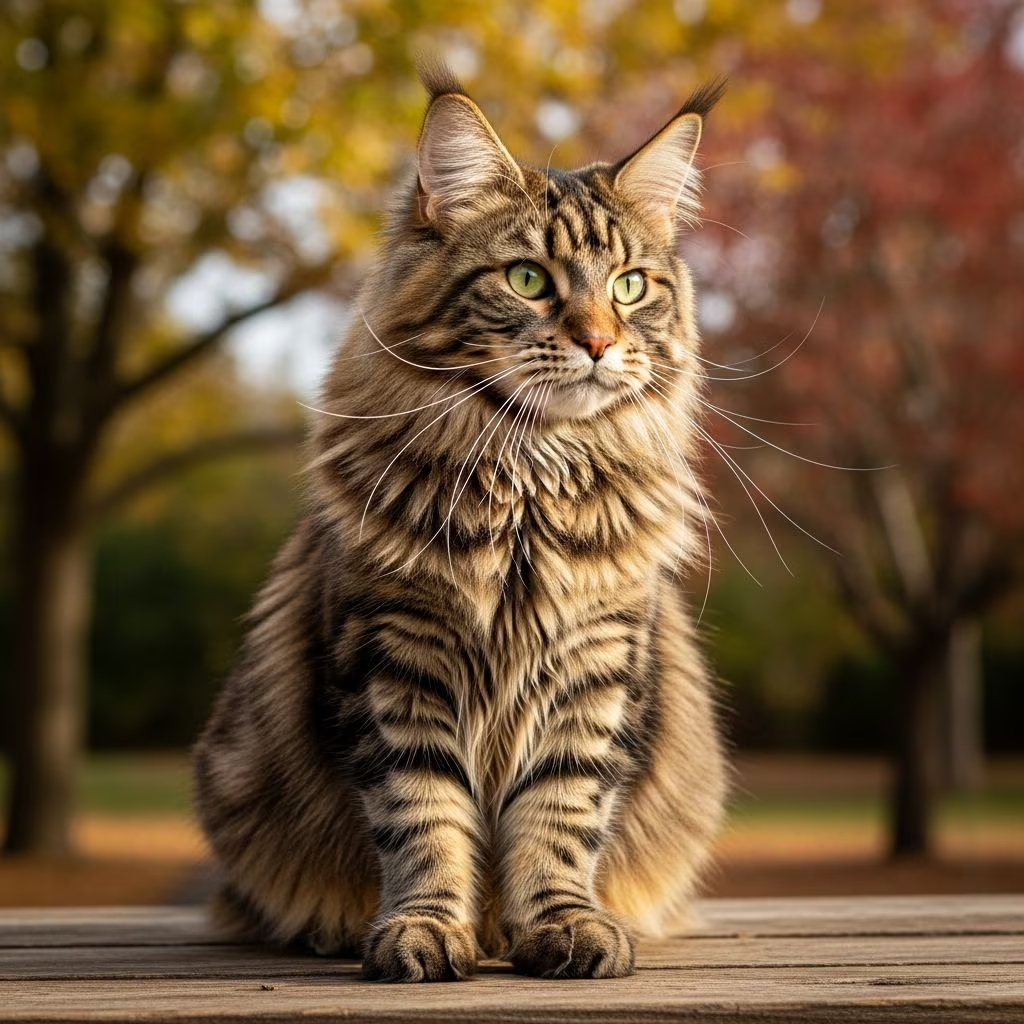
American Polydactyl cats captivate with their extraordinary feet featuring extra toes, setting them apart in the feline kingdom. These sturdy, adaptable companions blend rugged heritage with endearing personalities, making them cherished pets today.
Origins and Historical Significance
The story of American Polydactyl cats traces back to early European settlers who brought these unique felines to North America, particularly New England ports. Sailors prized them for superior climbing and hunting skills, essential for controlling shipboard rodents and safeguarding cargo.
Legends abound of these cats bringing good fortune at sea, though some cultures linked their unusual paws to mysticism. Their population surged along the Atlantic coast, from Massachusetts to the Great Lakes, thriving in harsh maritime environments.
The breed’s fame skyrocketed through author Ernest Hemingway, who received a six-toed kitten named Snow White in 1935. He bred dozens on his Key West estate, dubbing them his “pound for pound the best cats in the world.” Today, over 50 descendants roam there, cementing the nickname “Hemingway cats.”
Physical Characteristics and Unique Features
American Polydactyls boast a medium-to-large frame, with males often reaching 15-20 pounds and females slightly lighter at 10-15 pounds. Standing 8-11 inches tall, they exhibit a muscular, rectangular body with broad chests and straight, sturdy legs.
Their heads are wide with rounded features, medium muzzles, squared chins, and wide-set ears with pointed tips. Expressive eyes in any color tilt at slight angles, enhancing their alert appearance.
| Feature | Description |
|---|---|
| Body Type | Strong, muscular, rectangular with good bone structure |
| Head | Broad, modified stop, squared chin |
| Ears | Wide-set, pointed tips |
| Eyes | Rounded, angled, any color |
| Tail | Usually long; some have natural bobtails |
The Signature Polydactyly Trait
What defines these cats is polydactyly: extra toes beyond the standard five on front paws and four on rear. Counts range from six to seven per paw, sometimes resembling thumbs or mittens, earning nicknames like “mitten cats” or “cats with thumbs.”
Extra digits appear in two forms: preaxial (inner side, mitten-like) or postaxial (outer edge, broader paws). They may affect all paws, just fronts, or rears, aiding grip and balance for climbing.
- Front paws: Often 6-7 toes, mimicking opposable thumbs
- Rear paws: Typically 5-6 toes
- Total possible: Up to 28 toes across all feet
Coat variety is boundless—short, long, silky, or plush—in any color or pattern. Fur lies close to the body; longhaired versions shed moderately.
Temperament and Behavioral Traits
Renowned for sociability, American Polydactyls are affectionate, playful, and even-tempered. They bond deeply with families, showing patience with children over six and tolerance for respectful younger kids by retreating if needed.
These cats adapt seamlessly to indoor, outdoor, or mixed lifestyles, hardy even in cold climates. Owners note their relaxed, mellow vibe, though energy varies—some lounge calmly, others bounce with curiosity.
- Affectionate: Greets strangers warmly, seeks laps
- Playful: Hunter instincts shine in games
- Intelligent: Quick learners, problem-solvers
- Vocal: Soft meows for attention, not excessive
Compatibility with Other Animals
Polydactyls thrive with fellow pets, welcoming dogs, cats, or birds if introductions are gradual. They avoid conflict, diffusing tension with indifference. Spaying/neutering prevents territorial issues in same-sex pairs.
Health, Lifespan, and Wellness
Robust genetics yield few breed-specific issues; they share general cat vulnerabilities like dental disease or obesity. Indoor life boosts lifespan to 12-15 years; outdoor cats average shorter due to risks.
Males mature slower, appearing blockier; females are graceful, sometimes more reserved. Regular vet checks, balanced diet, and play maintain their vitality.
| Aspect | Male | Female |
|---|---|---|
| Size | Larger, blockier | Lighter, graceful |
| Personality | Outgoing, freely affectionate | Reserved, selective bonding |
| Maturity | Slower | Faster |
Care Essentials for Thriving Polydactyls
Grooming suits their coat: weekly brushing for longhairs reduces shedding; shorts need minimal effort. Claw trimming is crucial—their wide paws with extra toes grow fast, preventing snags.
Nutrition mirrors domestic shorthairs: high-protein kibble or wet food portioned for weight. Interactive toys channel hunting prowess; scratching posts protect furniture.
Training and Enrichment
Smart and responsive, they master litter training and tricks like fetch. Puzzle feeders and climbing trees mimic seafaring agility, warding off boredom.
Adoption, Breeding, and Recognition
Not a formal breed by CFA, they’re recognized by TICA in specific categories. Adopt from shelters—many polydactyls await homes—or ethical breeders emphasizing health.
Breeding preserves diversity; outcrossing maintains vigor. Avoid mills; prioritize kittens from tested lines.
Fun Facts and Cultural Impact
Beyond Hemingway, polydactyls star in lore: President Teddy Roosevelt owned one. Their paws enable superior balance, like built-in snowshoes.
- Hemingway’s Key West cats: 50+ six-toed residents
- Sailor superstitions: Luck or curse?
- Paw power: Extra grip for heights
Frequently Asked Questions (FAQs)
Are American Polydactyl cats rare?
Not extremely, but pure examples are less common outside New England origins. Shelters often have them.
Do extra toes cause health problems?
Generally no; they’re functional adaptations without pain.
Can they jump well with big paws?
Yes, enhanced grip aids leaping and climbing.
What’s the difference from Maine Coon polydactyls?
American Polydactyls aren’t tied to one type; Maine Coons may have it but differ in size and tufts.
Are they good for apartments?
Absolutely—adaptable, low-maintenance, content indoors.
References
- American Polydactyl Cat — Dog Breed Info. Accessed 2026. https://www.dogbreedinfo.com/catbreed/americanpolydactyl.htm
- American Polydactyl Cat 101: Breed & Personality — YouTube (Video). 2026. https://www.youtube.com/watch?v=odRIhd2PtHk
- American Polydactyl Cat Breed Info — Catster. 2026. https://www.catster.com/cat-breeds/american-polydactyl/
- American Polydactyl Cat Breed: Size, Appearance & Personality — Cats.com. 2026. https://cats.com/cat-breeds/american-polydactyl
- Polydactyl Cats: What To Know About Cats With ‘Thumbs’ — PetMD. 2026. https://www.petmd.com/cat/general-health/polydactyl-cats
- All About Polydactyl Cats: The Cats With ‘Mitten’ Paws — Rover.com. 2026. https://www.rover.com/blog/polydactyl-cats/



