

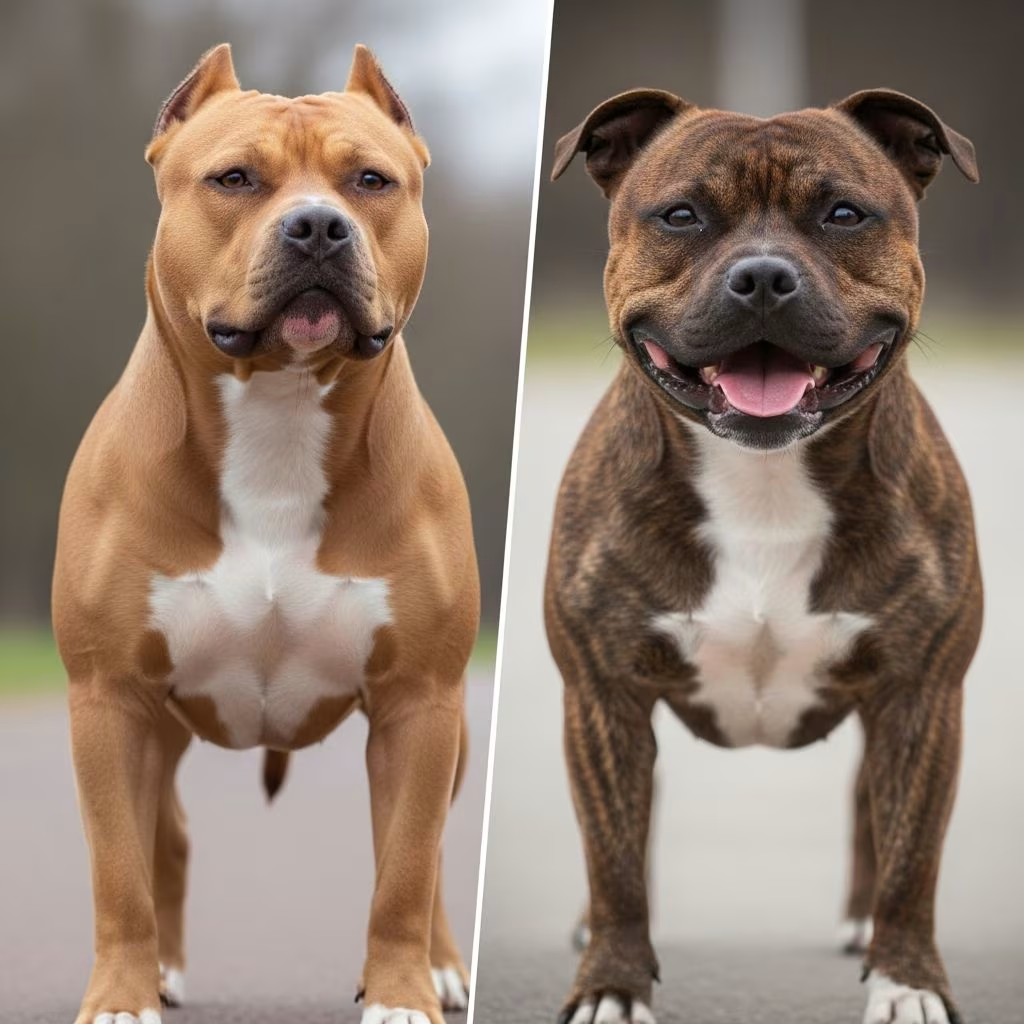
American Pit Bull Terrier vs Staffordshire Bull Terrier: How Are They Different?
The American Pit Bull Terrier and Staffordshire Bull Terrier are two distinct dog breeds that are frequently confused with one another, yet they have significant differences in history, physical characteristics, temperament, and care requirements. While both breeds share a muscular build and are often classified as bully breeds, understanding their unique traits is essential for potential dog owners considering either breed. This comprehensive guide explores the key differences between these two remarkable dogs to help you make an informed decision.
Breed Recognition and History
One of the most fundamental differences between these two breeds lies in their official recognition and breeding history. The American Staffordshire Terrier is recognized by the American Kennel Club (AKC) as an official breed, which means breeders follow strict breed standards established by the organization. The breed has been developed through selective breeding over decades specifically for the show ring, resulting in dogs that are more calm and less driven compared to their Pit Bull counterparts.
In contrast, the American Pit Bull Terrier is primarily recognized by the United Kennel Club (UKC) rather than the AKC. The term “Pit Bull” is often used as a catch-all descriptor for several bully-type dogs rather than a single standardized breed. This distinction is crucial because it explains many of the differences in physical traits and temperament between the two breeds, as Pit Bulls have not undergone the same level of show-ring selective breeding.
Physical Differences
Size and Build
While both breeds are medium-sized dogs, there are notable physical differences between them. The American Staffordshire Terrier is the shorter of the two, with males typically standing 18 to 19 inches tall at the shoulder, while females reach 17 to 18 inches. These dogs weigh between 55 and 70 pounds for males and 40 to 55 pounds for females, creating a stockier, more compact frame.
American Pit Bull Terriers are slightly taller, with males ranging from 18 to 21 inches at the shoulder and females between 17 to 18 inches. Despite their greater height, they often weigh similarly to American Staffordshire Terriers, with males at 35 to 60 pounds and females at 30 to 50 pounds. This difference in proportions means that Pit Bulls tend to be more slender and have longer legs relative to their body length, while Staffordshire Terriers are more compact and stocky.
Head and Facial Features
The head structure represents one of the most distinguishable physical differences between these breeds. American Staffordshire Terriers possess a broader head with well-defined, pronounced cheek muscles, creating a distinctive blocky appearance. Their ears are naturally uncropped, and their overall facial structure is more compact.
American Pit Bull Terriers typically have a more streamlined head shape with a narrower muzzle compared to the Staffordshire Terrier. The breed standard emphasizes balance in the dog’s proportions, ensuring they are neither too rangy and leggy nor overly squat and broad. This results in a more proportionate, athletic appearance.
Coat and Colors
Both breeds have short, glossy coats that are moderately stiff to the touch and require minimal grooming. Monthly grooming sessions are typically sufficient to keep their coats clean and maintained. However, they differ in color variety. American Staffordshire Terriers come in numerous accepted colors, including red, fawn, white, black, blue (a slatey-bluish gray), and various shades of brindle, often with white markings. The most common color combination for this breed is a blue-grey tint.
American Pit Bull Terriers are available in virtually any color combination, though the most common colors are combinations of white with brown or black. This wider color variety reflects the less standardized breeding practices for Pit Bulls compared to their Staffordshire counterparts.
Temperament and Personality
Overall Disposition
Despite their intimidating appearance, both breeds possess loving and affectionate personalities. However, there are subtle differences in their temperament. The American Pit Bull Terrier is known to be more affectionate and friendly towards all people, including strangers, displaying a genuine enthusiasm for human interaction. They have a natural eagerness to please and are extremely friendly, even with individuals they have never met before.
American Staffordshire Terriers are also friendly and loving with family members, good with children, and show friendliness towards strangers when properly socialized. While equally devoted to their families, they may not display the same level of enthusiasm towards all people that Pit Bulls demonstrate. Both breeds benefit significantly from early socialization to develop into well-rounded adult dogs.
Aggression and Dog-to-Dog Interaction
A significant behavioral difference between these breeds involves their compatibility with other pets. American Staffordshire Terriers are generally friendly with other pets when properly socialized early in life, though socialization remains important for expanding the household pet family. They tend to be social dogs that can coexist peacefully with other animals when introduced appropriately.
In contrast, American Pit Bull Terriers are more likely to display aggression towards other dogs, making them less suitable for multi-dog households without careful management and training. This trait stems from their historical breeding practices and drive levels. Because of this tendency, early and extensive socialization is particularly crucial for Pit Bulls to minimize dog-to-dog aggression.
Barking and Vocalization
American Staffordshire Terriers are known to bark or howl more frequently than their Pit Bull counterparts. This vocalization tendency should be considered if you live in close proximity to other people or in areas with noise restrictions. American Pit Bull Terriers, while still vocal, tend to bark less frequently than Staffordshire Terriers.
Exercise and Activity Requirements
Both breeds are highly active dogs with seemingly inexhaustible energy reserves and inquisitive minds. However, their exercise needs differ slightly. American Staffordshire Terriers have moderate to high energy levels and require at least one hour of exercise daily. This can include brief walks of 20 to 30 minutes combined with playtime activities like fetch or other interactive games.
American Pit Bull Terriers have moderate to high energy levels and require 1.5 or more hours of exercise daily. With their longer legs and more slender build, they make excellent jogging partners and can sustain longer periods of activity compared to the stockier Staffordshire Terrier. Both breeds benefit from mentally stimulating activities and engagement to prevent boredom and destructive behaviors.
Training and Intelligence
Both American Staffordshire Terriers and American Pit Bull Terriers are highly intelligent dogs that are relatively easy to train. They both respond exceptionally well to reward-based training methods, showing enthusiasm when treats or positive reinforcement are involved. Their eagerness to please makes them suitable candidates for obedience training, rally competitions, and various performance events.
American Pit Bull Terriers excel in performance events such as obedience, rally, and lure coursing due to their natural agility, high intelligence, and eager-to-please personality. American Staffordshire Terriers similarly demonstrate strong trainability and can participate in various dog sports and competitions. Both breeds require consistent, positive reinforcement-based training methods for optimal results.
Health and Care
Common Health Issues
American Staffordshire Terriers are prone to some health concerns that potential owners should be aware of. Minor health issues include elbow dysplasia and hypothyroidism, while major health concerns, though seldom occurring, include progressive retinal atrophy (PRA) and hip dysplasia. Their stocky build also makes them prone to weight gain, making proper nutrition and exercise essential for maintaining optimal health.
American Pit Bull Terriers, while generally healthy dogs, may also experience similar health issues to other dog breeds. The specific health predispositions can vary depending on the individual dog’s lineage and breeding practices.
Grooming and Maintenance
Both breeds have minimal grooming needs due to their short coats that do not shed excessively. Monthly grooming sessions are sufficient to keep either breed looking clean and well-maintained. Regular grooming helps distribute natural oils throughout their coat and keeps their skin healthy. Both breeds require the standard care routines including nail trimming, ear cleaning, and dental hygiene.
Durable Toys and Chew Items
Both breeds possess strong jaws and enjoy chewing, making durable toys an essential part of their care routine. Standard toys may not withstand the power of their bite, so investing in high-quality, heavy-duty chew toys and toys designed for powerful chewers is important. This not only keeps them entertained but also protects your household items from destruction.
Lifespan
Both American Staffordshire Terriers and American Pit Bull Terriers have similar lifespans, typically living between 12 to 16 years with proper care, nutrition, and health management. This relatively long lifespan means that adopting either breed represents a significant long-term commitment.
Comparison Table
| Characteristic | American Staffordshire Terrier | American Pit Bull Terrier |
|---|---|---|
| Height | 18-19 inches (male) / 17-18 inches (female) | 18-21 inches (male) / 17-18 inches (female) |
| Weight | 55-70 lbs (male) / 40-55 lbs (female) | 35-60 lbs (male) / 30-50 lbs (female) |
| Build | Stocky, compact, broader head | Slender, longer legs, streamlined head |
| Lifespan | 12-16 years | 12-16 years |
| Exercise Needs | 1+ hour daily | 1.5+ hours daily |
| Friendliness to Strangers | Good, friendly when socialized | More affectionate, extremely friendly |
| Dog-to-Dog Friendliness | Mostly friendly with socialization | Less friendly, may show aggression |
| Barking | Tends to bark/howl more | Less vocal |
| Grooming Needs | Mild; monthly grooming | Mild; monthly grooming |
| AKC Recognition | Yes | No (UKC recognized) |
Frequently Asked Questions
Q: Can American Staffordshire Terriers and American Pit Bull Terriers live together?
A: While American Staffordshire Terriers can be friendly with other dogs when properly socialized, American Pit Bull Terriers are more likely to show aggression towards other dogs. Living together would require careful management, training, and supervision.
Q: Which breed is better for families with children?
A: Both breeds can be good with children when properly socialized and supervised. American Staffordshire Terriers are playful and affectionate with children, while American Pit Bull Terriers are loving and friendly. The main consideration is the size difference and the higher exercise requirements of Pit Bulls.
Q: Are both breeds recognized by the AKC?
A: Only the American Staffordshire Terrier is recognized by the American Kennel Club. The American Pit Bull Terrier is recognized by the United Kennel Club (UKC) but not by the AKC.
Q: How much exercise does each breed need?
A: American Staffordshire Terriers need at least one hour of exercise daily, while American Pit Bull Terriers require 1.5 or more hours daily due to their higher energy levels and longer legs.
Q: Which breed is more aggressive?
A: Both breeds are friendly and loving when properly socialized. However, American Pit Bull Terriers are more likely to show aggression towards other dogs, while both breeds are generally friendly with people when socialized early.
Q: What are the main health concerns for each breed?
A: American Staffordshire Terriers may experience elbow dysplasia, hypothyroidism, progressive retinal atrophy, and hip dysplasia. Both breeds require proper nutrition and exercise to prevent weight-related health issues.
Q: Do these breeds require extensive grooming?
A: No, both breeds have short coats and require only monthly grooming sessions to maintain their appearance and coat health.
Conclusion
While American Pit Bull Terriers and American Staffordshire Terriers share many similarities in appearance and temperament, they are distinct breeds with important differences. The American Staffordshire Terrier, recognized by the AKC, tends to be stockier with a broader head and is more suitable for multi-pet households. The American Pit Bull Terrier, recognized by the UKC, is slightly taller and more slender, requires more exercise, and is typically more affectionate with people but less suitable for homes with other dogs.
Both breeds are intelligent, trainable, and loving dogs that thrive with proper socialization, consistent training, and adequate exercise. Prospective owners should carefully consider their living situation, activity level, and ability to manage either breed’s specific needs before making a decision. With the right family and environment, either breed can be an excellent, loyal, and affectionate companion.
References
- American Staffordshire Terrier vs Pit Bull: The Differences — Dogster. 2024. https://www.dogster.com/dog-breeds/american-staffordshire-terrier-vs-pitbull
- Staffordshire Bull Terrier vs. Pit Bull: What’s the Difference? — Rover. 2024. https://www.rover.com/blog/staffordshire-bull-terrier-vs-pit-bull-whats-the-difference/
- Pitbull vs. Staffordshire Terrier – The Main differences — Spark Paws. 2024. https://www.sparkpaws.com/blogs/community/pitbulls-vs-stafford-terriers
- American Pit Bull Terrier vs. American Staffordshire Terrier — Canadian Kennel Club. 2023. https://ckcusa.com/blog/2023/march/american-pit-bull-terrier-vs-american-staffordshire-terrier/



