

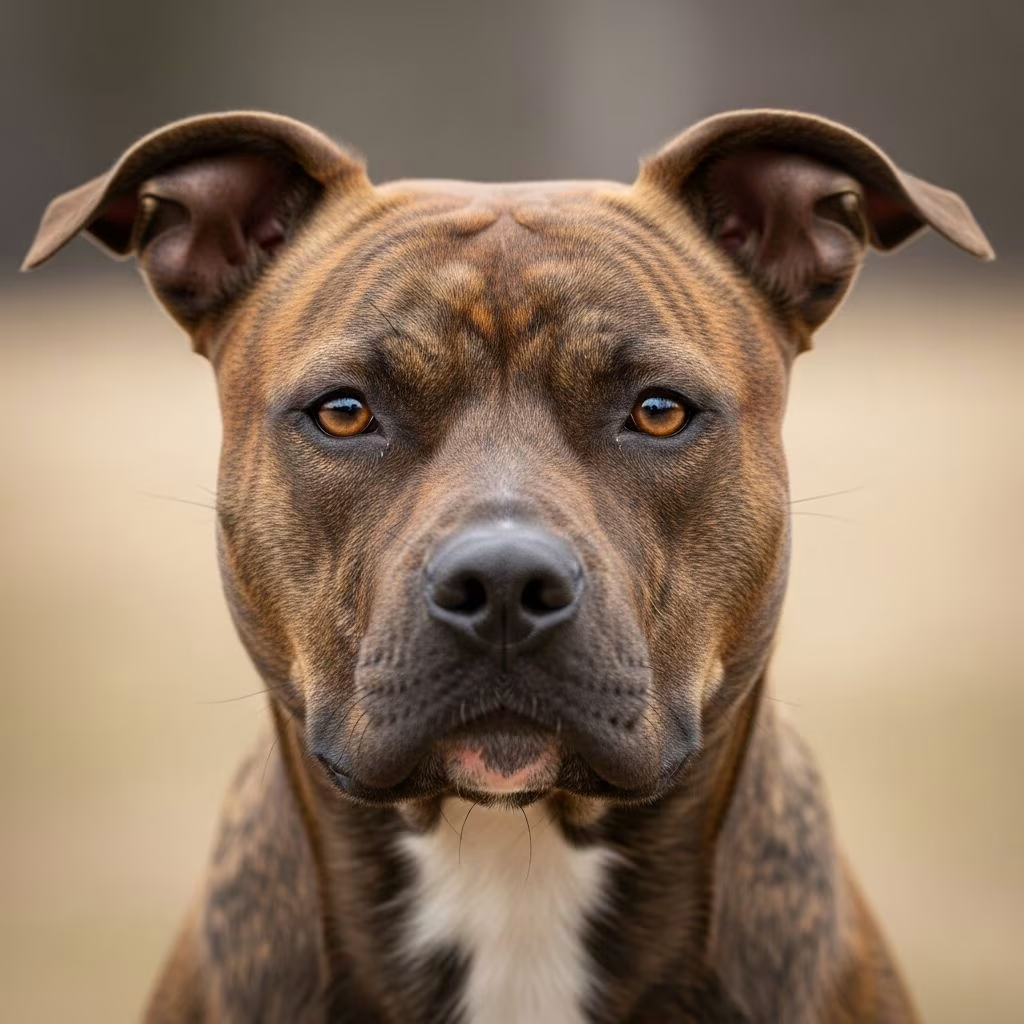
The American Pit Bull Terrier stands as one of the most misunderstood dog breeds in the world. Despite their powerful appearance and athletic build, these dogs possess remarkable loyalty, affection, and enthusiasm that make them exceptional family companions. Understanding the true nature of this breed requires looking beyond stereotypes and examining their actual temperament, physical characteristics, and care requirements.
Breed Overview
The American Pit Bull Terrier is a medium-sized dog that combines strength, athleticism, and grace with an unwavering desire to please their owners. These dogs are characterized by their muscular build, confident demeanor, and remarkable intelligence. The breed was developed with specific working purposes in mind, and those characteristics remain evident in their behavior and physical capabilities today. What makes APBTs particularly special is their zest for life combined with an almost unshakeable loyalty to their families.
Physical Characteristics & Appearance
Size and Build
American Pit Bull Terriers are medium-sized dogs with an impressively muscular and stocky build. They typically weigh between 30 to 65 pounds and stand 18 to 21 inches tall at the shoulder. Despite their substantial muscle mass, they should never appear bulky or disproportionate. The breed combines strength and athleticism with graceful movement, displaying a balanced physique where no single feature dominates. Their athletic frame allows them to move with remarkable agility and coordination, surprising many who encounter them for the first time.
Head and Facial Features
The head of an American Pit Bull Terrier is one of their most distinctive features. It is large and broad, shaped like a blunt wedge when viewed from the front, giving an impression of great power without appearing disproportionate to the body. The skull is flat or slightly rounded, deep, and broad between the ears. The muzzle is wide and deep, joined to the skull by a well-defined, moderately deep stop. When a dog is concentrating, wrinkles form on the forehead, giving them a unique and expressive character. Their eyes are typically round and full of intelligence, while their ears are small to medium in size, set high on the head, and can be either natural or cropped.
Coat and Color
The American Pit Bull Terrier has a short, smooth, and glossy coat that is low-maintenance and lies close to their muscular body. Their coat comes in virtually every color and color pattern imaginable, including solid colors, brindle, fawn, and parti-color combinations. The only color not accepted in breed standards is merle, which features mottled patches of color. This variety in coloring means that no two pit bulls look exactly alike, adding to the breed’s diverse appeal.
Tail and Other Features
The tail is relatively short, set low on the body, thick at the base, and tapers to a point. Docked tails are not accepted by either the United Kennel Club (UKC) or the American Dog Breed Association (ADBA). The forelegs are strong and muscular with elbows set close to the body. The chest is deep and well-sprung, contributing to their impressive athletic appearance and their ability to breathe easily while performing demanding tasks.
Temperament and Personality
Defining Characteristics
The essential characteristics of the American Pit Bull Terrier are strength, confidence, and an infectious zest for life. These dogs are eager to please and brimming over with enthusiasm about virtually everything. They possess a natural friendliness that extends to nearly everyone they meet, including strangers. This outgoing nature might make them poor guard dogs in the traditional sense, as they are simply too friendly to be naturally suspicious of people. However, they can still be protective of their families when they perceive a genuine threat.
Family Compatibility
American Pit Bull Terriers have a long-standing reputation for being excellent with children. They are patient, gentle, and playful with family members of all ages. Their playful nature and desire to interact make them natural companions for active families. However, like all large dogs, supervision is recommended when young children are present, simply due to their size and exuberant energy rather than any inherent danger. These dogs form strong emotional bonds with their families and typically display unwavering loyalty.
Dog-to-Dog Dynamics
While pit bulls excel in human relationships, they can exhibit some level of dog aggression. This natural tendency is important for potential owners to understand and prepare for through careful socialization and training. The breed was historically developed with specific working purposes that sometimes involved dog-to-dog interaction, and these instincts remain part of their genetic makeup. This does not mean they cannot coexist with other dogs, but it requires thoughtful introductions, proper training, and supervision.
Intelligence and Trainability
American Pit Bull Terriers are highly intelligent dogs with a strong willingness to work and please their owners. They excel in performance events, obedience training, and various dog sports. Their intelligence means they can be trained to an exceptional standard when given clear, consistent guidance. However, this intelligence can sometimes manifest as stubbornness, particularly if they perceive their owner as weak or indecisive. A firm but fair hand is essential for successful training.
Training and Socialization
The Importance of Early Socialization
Early and comprehensive socialization is absolutely critical for American Pit Bull Terriers. Exposing puppies to various people, environments, sounds, and experiences during their formative weeks helps shape their behavior and temperament. Proper socialization reduces anxiety, builds confidence, and helps prevent behavioral issues. It also helps address their natural dog-aggressive tendencies by establishing appropriate boundaries and behaviors from an early age.
Obedience Training Requirements
Given their strength and power, obedience training is not optional for this breed—it is essential. A well-trained American Pit Bull Terrier is a joy to own and take into public spaces. Training should emphasize consistency, positive reinforcement, and patience. These dogs respond exceptionally well to reward-based training methods that acknowledge their desire to please. Mental exercise through training helps burn off their considerable energy and keeps their sharp minds engaged.
Managing Behavioral Challenges
While not inherently aggressive toward humans, American Pit Bull Terriers can develop behavioral issues if not properly trained and socialized. Separation anxiety can lead to destructive behavior if they are left alone for extended periods. Their powerful physique means that even playful jumping or pulling can be dangerous without proper management. Working with a professional trainer, especially one experienced with the breed, can help owners navigate these challenges successfully.
Exercise and Activity Needs
American Pit Bull Terriers have high energy levels and require vigorous daily exercise. These dogs thrive with active owners who can provide regular walks, runs, playtime, and mental stimulation. A bored pit bull can become destructive or develop behavioral problems, so consistent physical activity is essential for their well-being. Many excel in dog sports such as agility, flyball, weight pulling, and obedience competitions. Their natural athleticism and agility make them one of the most capable canine climbers, which means secure, high fencing is an absolute must for this breed.
Health and Lifespan
American Pit Bull Terriers typically enjoy a lifespan of 12 to 16 years when properly cared for. Like all breeds, they can be prone to certain health conditions. Common health concerns include hip dysplasia, heart disease, and allergies. Regular veterinary check-ups, appropriate nutrition, and consistent exercise help maintain optimal health. Responsible breeders conduct health testing on their breeding dogs to minimize the risk of hereditary conditions. Potential owners should always inquire about health testing and medical history when acquiring a puppy from a breeder.
Nutritional Needs
Proper nutrition is fundamental to maintaining the health and vitality of an American Pit Bull Terrier. These muscular dogs require high-quality proteins to support their muscle mass and athletic activities. A balanced diet with appropriate calories helps maintain a healthy weight and prevents obesity, which can lead to joint problems and other health issues. Consultation with a veterinarian can help determine the best nutritional plan for individual dogs based on their age, activity level, and any specific health concerns.
Grooming and Coat Care
The American Pit Bull Terrier’s short coat is one of their practical advantages as a pet. Regular brushing removes loose hair and keeps the coat healthy and shiny. Bathing should be done as needed, typically every 4 to 6 weeks or when the dog gets dirty. Their ears should be cleaned regularly, and their nails trimmed approximately every 4 weeks. Dental care is important for overall health, and routine teeth brushing is recommended. Despite their muscular appearance, grooming and maintenance for this breed is relatively straightforward and low-maintenance.
Housing and Environmental Considerations
American Pit Bull Terriers adapt well to various living situations, from apartments to homes with large yards. However, they do require adequate space for exercise and play. One of the most important environmental considerations is fencing. Given their natural agility and climbing ability, secure, high fencing is essential to prevent escape and ensure safety. Their need for human companionship means they should not be relegated to outdoor-only living. These are dogs that thrive when they are part of the family’s daily life and activities.
Frequently Asked Questions
Are American Pit Bull Terriers dangerous?
American Pit Bull Terriers are not inherently dangerous. Like any dog, their behavior depends on breeding, socialization, training, and the treatment they receive from their owners. When properly trained and socialized, they are gentle, affectionate, and excellent family companions. Aggression toward humans is uncharacteristic of the breed and highly undesirable in breeding programs.
Do American Pit Bull Terriers get along with children?
Yes, American Pit Bull Terriers have a long-standing reputation for being excellent with children. They are patient, playful, and gentle with family members. As with any large dog, adult supervision is recommended, but this is true for most powerful breeds. Their affectionate nature and desire to please make them well-suited (continued)
References
- American Pit Bull Terrier — United Kennel Club. 2024. https://www.ukcdogs.com/american-pit-bull-terrier
- American Pit Bull Terrier Health and Care — PetMD. 2024. https://www.petmd.com/dog/breeds/american-pit-bull-terrier
- American Pit Bull Terrier Dog Breed Information — Hill’s Pet Nutrition. 2024. https://www.hillspet.com/dog-care/dog-breeds/american-pit-bull-terrier
- What You Need to Know About the American Pit Bull Terrier’s Temperament — PetScreening. 2024. https://www.petscreening.com/blog/what-you-need-to-know-about-the-american-pit-bull-terriers-temperament
- American Pit Bull Terrier Breed: Characteristics, Care & Photos — Chewy. 2024. https://www.chewy.com/education/dog-breeds/american-pit-bull-terrier



