

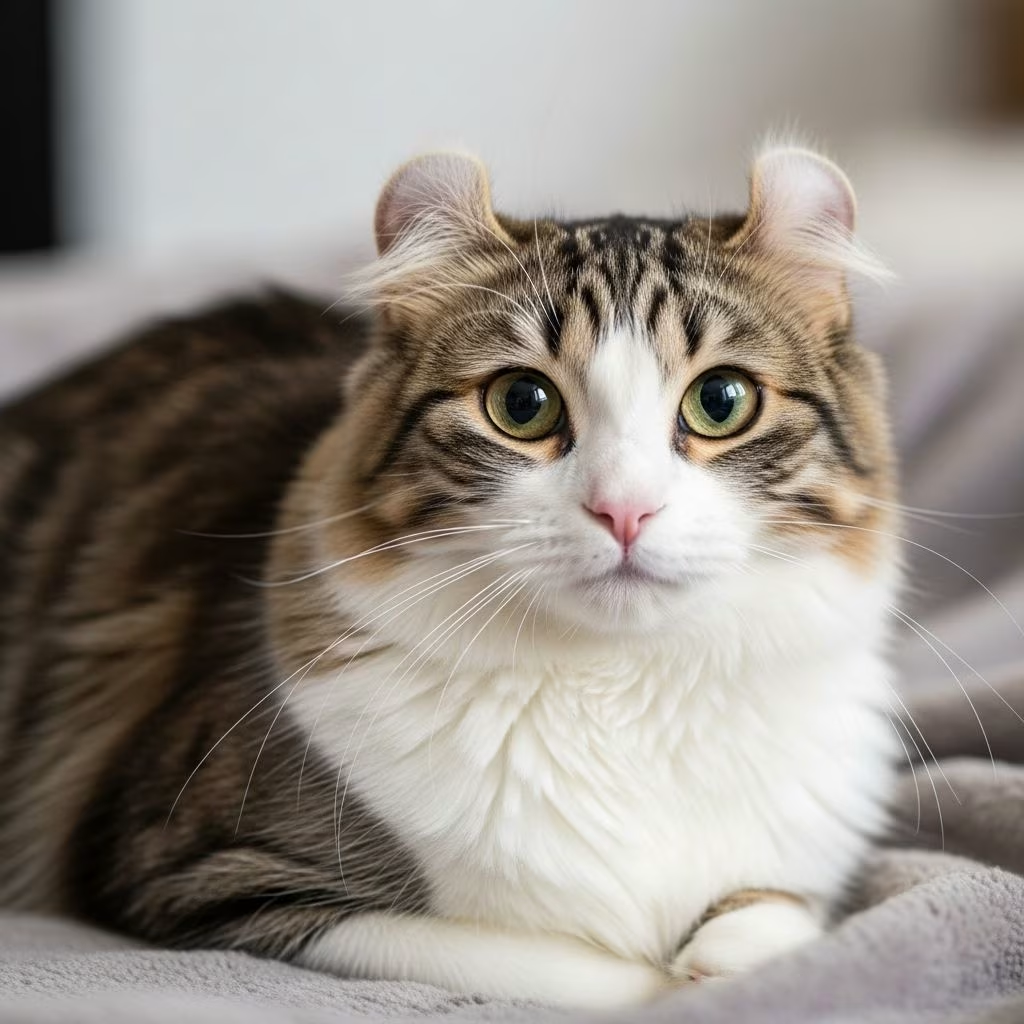
The American Curl Scottish Fold mix represents a captivating blend of two iconic cat breeds known for their extraordinary ear formations. This hybrid emerges from crossing the American Curl, celebrated for its backward-curling ears, with the Scottish Fold, famous for its forward-folding ears. While not a formally recognized breed by major feline associations, this mix intrigues cat enthusiasts with its potential for unique physical traits and engaging temperaments. Originating from experimental breeding, these cats offer a fresh take on designer hybrids, merging athleticism and affection in one package.
Origins and Development of the Hybrid
The story of the American Curl begins in 1981 when a stray kitten named Shulamith appeared in Lakewood, California, sporting ears that curled backward due to a spontaneous genetic mutation. This autosomal dominant trait quickly captivated breeders, leading to the establishment of the breed by The International Cat Association (TICA). Shulamith’s descendants formed the foundation, with genetic analysis by feline expert Roy Robinson confirming the ear-curl gene’s uniqueness and lack of associated defects, paving the way for a healthy new line.
In contrast, the Scottish Fold traces its roots to Scotland in the 1960s, where a barn cat named Susie produced kittens with forward-folding ears from a cartilage-affecting mutation. Selective breeding amplified this feature, but it introduced health challenges. Breeders aiming for hybrids like the American Curl Scottish Fold mix seek to fuse these ear genetics: the Curl’s backward arc (90-180 degrees) with the Fold’s forward tilt, potentially yielding kittens with varied, novel ear shapes.
Hybrid development remains informal, often pursued by boutique breeders to explore aesthetic diversity. Litters from Curl-Fold crosses may produce kittens with straight, partially curled, or uniquely combined ears, reflecting the dominant nature of both genes. Straight-eared offspring retain breed-typical personalities, promoting genetic variety.
Distinctive Physical Characteristics
American Curl Scottish Fold mixes typically exhibit a medium build, weighing 5-10 pounds, with males slightly larger. Their bodies balance elegance and athleticism: a rectangular frame, rounded head, substantial muzzle, and prominent whisker pads. Eyes, often walnut-shaped, sparkle in hues from green to gold, enhancing their alert expression.
The hallmark feature lies in the ears. Pure American Curls are born straight-eared, with curls emerging by 3-5 days and setting by 16 weeks. Scottish Folds fold forward shortly after birth. In mixes, ear outcomes vary: some display a gentle backward sweep, others a forward crease, or hybrid folds creating a ‘sculpted’ look. Fur options include silky shorthair or plush longhair, appearing in countless colors and patterns with minimal undercoat for low shedding.
| Trait | American Curl Influence | Scottish Fold Influence | Hybrid Potential |
|---|---|---|---|
| Ears | Backward curl (90-180° arc) | Forward fold | Varied curls, folds, or combos |
| Body Type | Medium, athletic | Stocky, rounded | Balanced, elegant |
| Coat | Silky, minimal grooming | Dense, soft | Low-shed, easy care |
| Eyes | Walnut-shaped, alert | Round, expressive | Vibrant, varied colors |
Temperament and Behavioral Traits
These hybrids inherit vibrant personalities. American Curls earn the ‘Peter Pan’ moniker for their lifelong playfulness, remaining energetic and inquisitive into seniority. They adore human interaction, following owners like devoted companions, and adapt seamlessly to children, dogs, and new environments with gentle trills rather than meows.
Scottish Folds contribute a calmer demeanor, though less active than Curls. Mixes often lean toward the Curl’s dog-like loyalty and curiosity, tempered by Fold placidity, resulting in affectionate, social cats ideal for families. They thrive on involvement, ‘helping’ with chores via watchful perches, and exhibit intelligence in puzzle toys.
- Playful Energy: High activity levels demand interactive toys and climbing structures.
- Affectionate Nature: Bonds deeply, seeking laps and cuddles without clinginess.
- Social Adaptability: Welcomes multi-pet homes and visitors with curiosity.
- Vocal Style: Soft coos and trills convey needs quietly.
Health Considerations and Genetic Insights
Health profiles hinge on parentage. American Curls boast robust genetics; their ear gene affects only cartilage without malformations. Scottish Folds, however, carry risks from the dominant Fold gene causing osteochondrodysplasia—a painful disorder leading to arthritis, limb deformities, tail fusion, and lameness. Homozygous Folds (Fd/Fd) suffer severely, so ethical breeders avoid them.
In mixes, heterozygous Fold influence (Fd/N) may introduce milder cartilage issues, but Curl dominance could mitigate severity. Prospective owners should demand health screenings: radiographs for skeletal integrity, genetic tests for Fold mutations, and ear cartilage checks. Lifespan averages 12-15 years with vigilant care, prioritizing reputable sources to minimize hereditary risks.
Grooming and Everyday Care Routines
Coats require minimal upkeep. Shorthairs need weekly brushing to distribute oils and curb shedding; longhairs benefit from twice-weekly sessions using slicker brushes. Ears demand gentle weekly cleaning with vet-approved solutions to prevent buildup, avoiding forceful manipulation to protect cartilage.
Bathing is rare, as these cats self-groom efficiently. Dental hygiene via brushing and treats prevents tartar. Nails trim biweekly; litter training succeeds with covered boxes matching their inquisitive nature. Nutrition favors high-quality proteins sans fillers, portioned for weight control given their slender frames.
Nutrition Guidelines for Optimal Wellness
Feed premium kibble or wet food rich in animal proteins, tailored to life stage. Kittens need frequent meals for growth; adults twice daily. Treats sparingly to avoid obesity. Fresh water always; fountains encourage hydration.
- Kitten (to 1 year): High-calorie, DHA-enriched for brain/coat development.
- Adult: Balanced for maintenance, joint-support additives if Fold traits present.
- Senior: Lower calorie, glucosamine for mobility.
Training and Enrichment Strategies
Intelligence shines in training: litter, leash-walking, and tricks via clicker methods. Enrichment includes puzzle feeders, window perches, and vertical spaces. Socialization from 8 weeks fosters confidence.
Ideal Living Environments and Lifestyle Fit
Suited to apartments or homes, they appreciate space for zoomies. Indoor-only recommended for safety. Families, singles, or seniors benefit from their adaptability.
Frequently Asked Questions (FAQs)
Are American Curl Scottish Fold mixes hypoallergenic?
No, but low-shed coats reduce allergens compared to heavy shedders.
What causes the unique ears in this mix?
Dominant genes: Curl for backward cartilage curl; Fold for forward folding.
Do they get along with other pets?
Yes, their sociable Curl heritage promotes harmony.
How often should ears be cleaned?
Weekly, gently, to maintain health.
What’s the average litter size?
3-5 kittens, with varied ear traits.
Adoption and Ethical Breeding Advice
Seek TICA-registered breeders with health guarantees. Rescues occasionally feature mixes. Prioritize parent health testing over rarity. Cost: $800-$2000, reflecting genetics.
This hybrid captivates with aesthetic novelty and companionable charm, rewarding dedicated owners who navigate its genetic nuances thoughtfully.
References
- The American Curl and Scottish Fold Mix: A Unique Blend — CatsLuvUs. 2024-05-15. https://shop.catsluvus.com/2024/05/15/the-american-curl-and-scottish-fold-mix-a-unique-blend/
- 5 Flipped-Up Facts About American Curl Cats — Mental Floss. N/A. https://www.mentalfloss.com/article/81891/5-flipped-facts-about-american-curl-cats
- American Curl — The International Cat Association (TICA). N/A. https://tica.org/breed/american-curl/
- American Curls: Small Ears, Big Personality — ASPCA Pet Health Insurance. N/A. https://www.aspcapetinsurance.com/resources/american-curls/
- American Curl Cat Breed Health and Care — PetMD. N/A. https://www.petmd.com/cat/breeds/american-curl



