

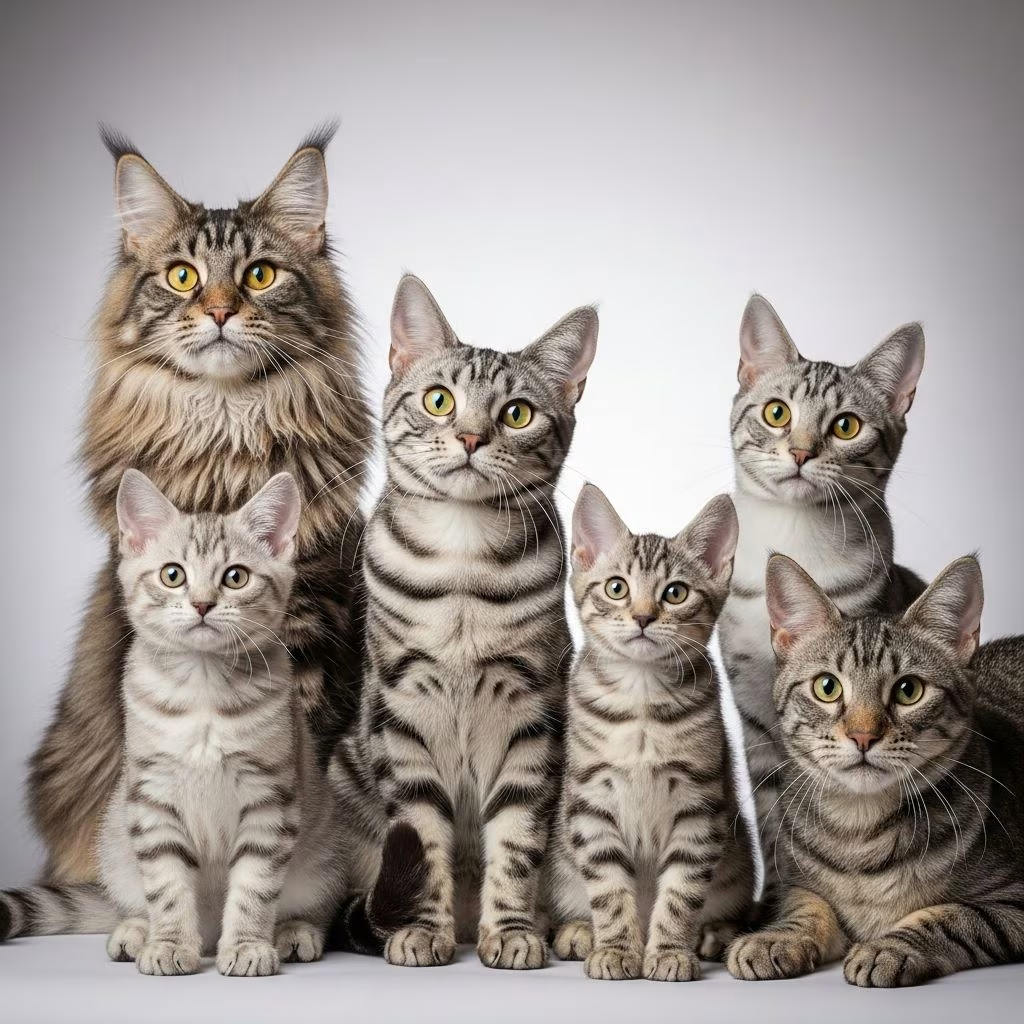
North America has given rise to some of the most distinctive cat breeds in the world, shaped by colonial voyages, natural adaptations, and innovative breeding programs. These breeds reflect the rugged landscapes, working heritage, and creative spirit of the United States, offering everything from hardy farm companions to affectionate lap cats. This guide delves into their origins, physical characteristics, temperaments, and practical ownership tips, helping you find the perfect American feline match.
Historical Foundations of U.S. Cat Breeds
The story of American cat breeds begins with European settlers who brought sturdy felines aboard ships like the Mayflower in 1620 to combat rodents threatening food supplies. These cats adapted to harsh New World climates, interbreeding and evolving traits suited to farms, ships, and wild frontiers. Selective breeding in the 20th century refined these into pedigreed varieties, distinguishing them from random-bred domestic shorthairs. By 1906, early versions were registered with the Cat Fanciers’ Association (CFA), and names like American Shorthair were formalized in 1966 to emphasize their native development.
Genetic studies confirm minimal variation between breeds but highlight mutations for traits like coat patterns and ear shapes, often developed in the British Isles before American innovations took hold. Today, these breeds rank highly in popularity, blending utility with aesthetics.
Key Traits of Prominent American Breeds
American breeds showcase remarkable variety, from massive longhaired giants to compact, curly-eared curiosities. Below, we profile 12 standout examples with essential stats and features.
| Breed | Height | Weight | Coat Length | Lifespan |
|---|---|---|---|---|
| American Shorthair | 8–10 inches | 11–15 lbs | Short | 15–20 years |
| Maine Coon | 10–16 inches | 10–25 lbs | Long | 12–15 years |
| American Curl | 9–10 inches | 5–10 lbs | Short/Long | 14–18 years |
| Ragdoll | 9–11 inches | 10–20 lbs | Long | 12–17 years |
| American Bobtail | 9–12 inches | 7–15 lbs | Short/Long | 13–15 years |
| Exotic Shorthair | 8–11 inches | 9–14 lbs | Short | 12–15 years |
| Selkirk Rex | 9–11 inches | 6–16 lbs | Short/Long | 14–15 years |
| American Wirehair | 8–10 inches | 8–12 lbs | Short | 13–17 years |
| California Spangled | 8–10 inches | 7–10 lbs | Short | 10–15 years |
| American Longhair | 9–11 inches | 10–18 lbs | Medium | 12–16 years |
| American Lynx | 8–12 inches | 9–14 lbs | Short | 14–18 years |
| American Polydactyl | 8–14 inches | 10–20 lbs | Short/Long | 12–15 years |
Spotlight on Classic Working Breeds
American Shorthair: The Versatile Pioneer
Descending from ship’s cats, the American Shorthair boasts over 80 color patterns, including silver tabby with bold black stripes. Their muscular build and dense, weather-resistant coat make them ideal for outdoor life, yet they adapt well indoors. Known for calm, gentle natures, they excel as family pets and hunters. Officially recognized in 1966, they rank among the top pedigreed cats globally.
Maine Coon: Gentle Giants of the North
Native to New England’s harsh winters, Maine Coons are one of the oldest natural breeds, first exhibited in 1895. Their tufted ears, bushy tails, and water-repellent coats mimic wild lynxes. Despite their size—often exceeding 20 pounds—they’re dog-like in loyalty, playful, and sociable. Friendly with children and dogs, they chirp and trill uniquely.
Innovative Mutations and Designer Breeds
American Curl: Ears That Defy Gravity
Discovered in 1981 in California, this breed stems from a stray named Shulamith with a dominant ear-curling gene. Ears curl backward after birth, reaching full curl by four months. Available in short or long coats across many colors, Curls are alert, affectionate, and athletic, thriving in active homes.
Selkirk Rex: The Poodle of Cats
Named after a Montana family, this 1987 discovery features a recessive curl gene affecting fur texture, creating plush, low-shedding coats. Their rounded faces and sturdy bodies pair with sweet, patient personalities, making them great for allergies and families.
American Wirehair: Spiky Resilience
A spontaneous mutation in 1966 New York produced this breed’s crimped, springy coat, denser than the American Shorthair. Quiet and low-maintenance, they hunt instinctively and bond deeply with owners.
Luxurious Longhaired American Favorites
Ragdoll: The Ultimate Cuddler
Bred in 1960s California by Ann Baker, Ragdolls go limp when lifted, earning their name. Their semi-long, silky coats in pointed patterns (seal, blue, chocolate) require moderate grooming. Exceptionally docile, they follow owners like puppies and tolerate handling well.
American Bobtail: Wild at Heart
Developed in the 1960s for a rugged look, their short, pom-pom tails and shaggy coats evoke bobcats. Intelligent and interactive, they shine in agility and love interactive toys.
American Longhair: Elegant Simplicity
A recent hybrid of Persians and Shorthairs, this breed offers flowing coats without extreme flat faces. Balanced and adaptable, they’re low-shedders with friendly vibes.
Exotic and Rare American Creations
Exotic Shorthair: Teddy Bear Charm
Crafted in the 1960s by crossing Persians with Shorthairs, Exotics have plush, short coats, flat faces, and big eyes reminiscent of Garfield. Playful yet relaxed, they need facial cleaning to prevent issues.
California Spangled: Spotted Guardians
Created in the 1980s to raise African wildcat awareness, these spotted, short-tailed cats have athletic builds and alert personalities. Rare today, they’re energetic hunters.
Special Traits: Polydactyl and Lynx
American Polydactyls, famous in Hemingway’s Key West home, sport extra toes for superior grip. American Lynx (a colorpoint variant) adds lynx-like tipping to Shorthair bodies. Both embody quirky American heritage.
Care Essentials for American Breeds
- Grooming: Shorthairs need weekly brushing; longhairs like Maine Coons and Ragdolls require daily sessions to prevent mats.
- Diet and Health: High-protein diets support muscular builds. Watch for breed-specific issues: hypertrophic cardiomyopathy in Maine Coons, polycystic kidney in Exotics.
- Exercise: Provide scratching posts, toys, and perches. Many enjoy leash walks.
- Socialization: Early exposure ensures their sociable natures shine with kids, dogs, and strangers.
Why Choose an American Breed?
These cats blend historical resilience with modern companionship. Whether you seek a low-key lap warmer or an adventurous playmate, American breeds offer proven adaptability. Adoption from rescues boosts their working cat legacy while curbing overpopulation.
Frequently Asked Questions
What is the largest American cat breed?
The Maine Coon holds the title, with males reaching up to 25 pounds and 40 inches in length.
Are American Shorthairs good with children?
Yes, their patient, tolerant demeanor makes them excellent family pets.
How do I groom a Ragdoll’s coat?
Brush 2–3 times weekly; bathe monthly if needed. Their coat resists matting.
What’s unique about the American Curl’s ears?
A dominant gene causes backward curling, fully developing by 4 months.
Do Exotic Shorthairs shed a lot?
No, their dense undercoat sheds minimally with regular brushing.
References
- Exploring the Culture of Pet Cats in America — Oreate AI. 2023. https://www.oreateai.com/blog/exploring-the-culture-of-pet-cats-in-america-from-numerical-advantage-to-development-of-local-breeds/5d7a989d50053f85b934c9fda839bb02
- American Shorthair — Wikipedia. 2023-01-29. https://en.wikipedia.org/wiki/American_Shorthair
- The Secret Lives Of Cats In American History And Folklore — TheCatSite. 2023. https://thecatsite.com/c/american-cats/
- 15 American Cat Breeds (With Info & Pictures) — Catster. 2023. https://www.catster.com/cat-breeds/american-cat-breeds/
- The Taming of the Cat — PMC – PubMed Central – NIH. 2017-12-21. https://pmc.ncbi.nlm.nih.gov/articles/PMC5790555/



