

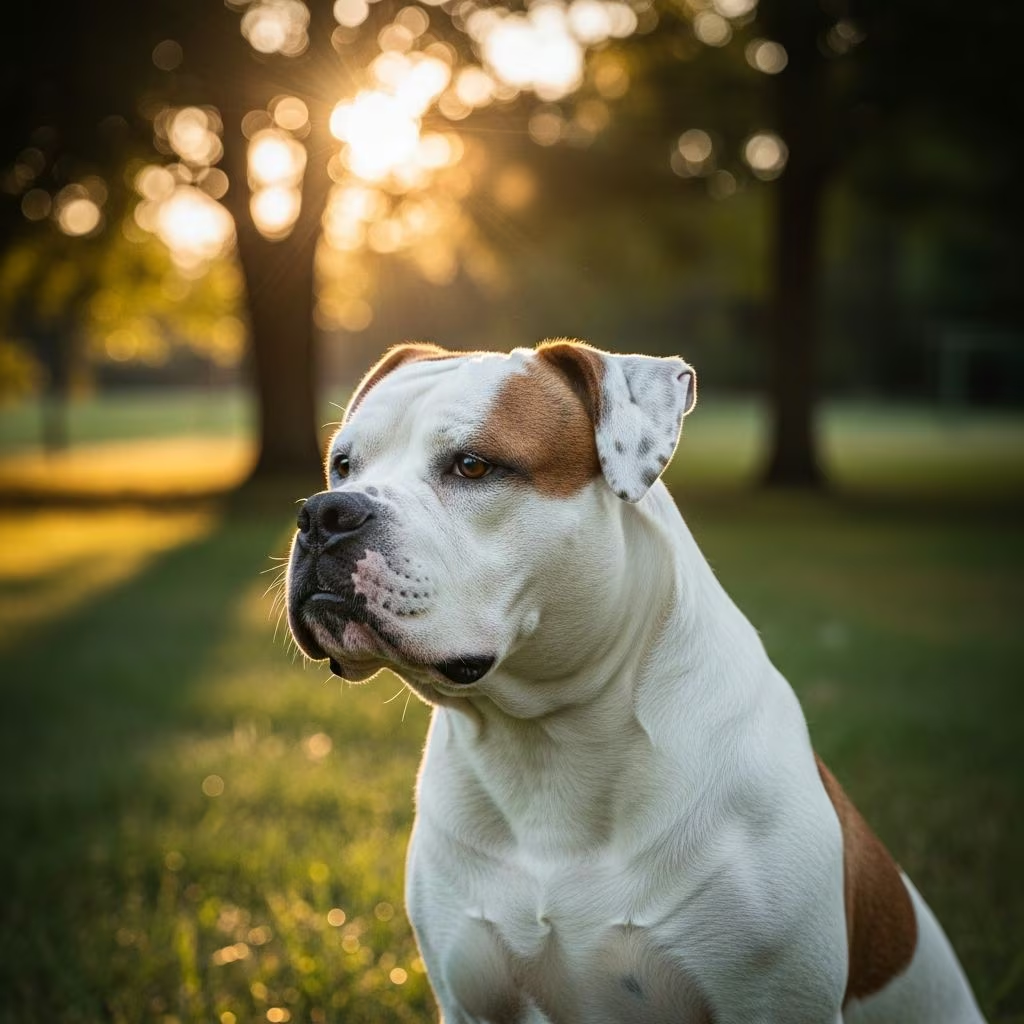
The American Bulldog stands out as a robust, athletic breed renowned for its strength, loyalty, and versatility. Descended from early working dogs brought to America, this mastiff-type canine excels in protection, farm tasks, and family companionship.
Origins and Development of the Breed
Tracing back to 17th-century England, the ancestors of the American Bulldog were Old English Bulldogs bred for livestock handling and protection on farms. These dogs possessed immense strength and tenacity, making them ideal all-purpose workers.
When bull-baiting was outlawed in England in 1835, the athletic traits of these bulldogs diminished there, but immigrants preserved the original type in the American South. Here, they adapted to challenging environments, catching cattle, hogs, and feral hogs while guarding against predators and intruders.
By World War II’s end, the breed neared extinction due to lack of organized breeding. John D. Johnson, a war veteran, spearheaded its revival by sourcing surviving farm dogs from the Southeast. Collaborating with Alan Scott, they established distinct lines emphasizing working ability over appearance.
Unlike formal pedigrees, early American Bulldogs were selected for utility, resulting in regional variations. This pragmatic approach ensured survival amid harsh rural demands.
Main Types and Physical Variations
Two primary types emerged: the Standard (Scott) and Bully (Johnson or Classic). The Standard type is more athletic and agile, suited for active farm work like cattle catching. The Bully type features a bulkier build with a wider head, shorter muzzle, and pendulous lips, prioritizing power.
| Type | Key Traits | Ideal Use |
|---|---|---|
| Standard (Scott) | Taller, leaner, longer legs, athletic build | Cattle work, agility tasks |
| Bully (Johnson/Classic) | Stockier, broader head, more bone mass | Protection, strength-based duties |
Hybrids blending both types are common today, offering balanced traits for family life. The United Kennel Club recognizes the breed, stressing its powerful jaws, confident demeanor, and short coat. Males typically weigh 60-120 pounds and stand 22-28 inches tall, with females slightly smaller.
Temperament and Behavioral Traits
American Bulldogs are confident, courageous, and deeply loyal, forming strong bonds with family. They exhibit a gentle side with children and familiar people but remain wary of strangers, making them excellent guardians.
- Loyalty: Thrives on human interaction; often called \”velcro dogs\” for their attachment.
- Protectiveness: Naturally assertive against threats, with high pain tolerance and gameness from ancestral lines.
- Intelligence: Quick learners responsive to consistent training.
- Energy Level: High-drive workers needing mental and physical outlets to prevent boredom.
Early socialization curbs potential dog aggression, especially among males. They are stable and even-tempered with proper upbringing, excelling as family pets despite their imposing size.
Essential Care and Grooming Needs
Low-maintenance coats require weekly brushing to remove dead hair. Bathe only as needed to preserve natural oils. Check ears regularly for infections and trim nails monthly.
- Nail trimming: Prevents slipping and joint strain.
- Dental care: Brush teeth 2-3 times weekly; provide chews.
- Coat varieties: Short and smooth; occasional brindle, white, or pied patterns.
Diet should be high-protein for muscle maintenance, portion-controlled to avoid obesity. Fresh water is crucial, especially post-exercise.
Exercise and Activity Recommendations
These active dogs demand 60-90 minutes of daily exercise, including walks, runs, or play. Mental stimulation via puzzle toys or training prevents destructive behavior.
- Daily walks: 30-60 minutes brisk pace.
- Play sessions: Fetch, tug-of-war suit their strength.
- Avoid overheating: Short nose limits endurance in heat.
Activities like weight pulling or herding trials channel their heritage. Puppies need controlled exercise to protect developing joints.
Health Considerations and Lifespan
Average lifespan is 10-15 years with responsible care. Common issues include hip dysplasia, elbow dysplasia, and hypothyroidism. Responsible breeders screen for genetic conditions.
| Health Issue | Symptoms | Prevention |
|---|---|---|
| Hip Dysplasia | Limping, reluctance to rise | Weight management, joint supplements |
| Elbow Dysplasia | Front leg lameness | X-rays, early detection |
| Hypothyroidism | Weight gain, lethargy | Annual blood tests |
Regular vet check-ups, balanced nutrition, and exercise mitigate risks. Neuronal ceroid lipofuscinosis is rare but screened in quality programs.
Training Strategies for Success
Firm, positive reinforcement works best for their willful nature. Start obedience early, focusing on commands like sit, stay, and leave-it. Socialize with diverse people and dogs by 12 weeks.
- Use treats and praise over punishment.
- Leash training prevents pulling.
- Advanced training: Protection sports for outlets.
Consistency from all family members ensures good manners. Professional help aids stubborn pups.
Choosing and Living with an American Bulldog
Select breeders who prioritize health testing and temperament. Rescue organizations offer adult dogs. They suit active families with space but adapt to apartments with sufficient exercise.
Legal restrictions in some areas classify them as bully breeds; check local laws. Their protective instincts demand secure fencing.
Frequently Asked Questions
Are American Bulldogs good with kids?
Yes, they are typically gentle and playful with children when socialized, acting as devoted protectors.
How much exercise do they need?
At least 1-2 hours daily, combining physical and mental activities to match their high energy.
Do they drool a lot?
Bully types drool more due to loose jowls; Standard types are drier.
Are they aggressive?
Not inherently; proper training and socialization yield stable, confident dogs.
What’s the best food for them?
High-quality, large-breed formulas with glucosamine for joints.
Why Choose an American Bulldog?
This breed combines historical grit with modern companionship, offering unmatched loyalty and capability. With commitment to training and care, they thrive as cherished family members and vigilant guardians.
References
- American Bulldog | Temperament, Lifespan & History — Pooch and Mutt. 2023. https://www.poochandmutt.co.uk/blogs/by-breed/american-bulldog
- American Bulldog — Wikipedia. 2024-01-15. https://en.wikipedia.org/wiki/American_Bulldog
- American Bulldog Breed Guide: Characteristics, History & Care — Pawlicy Advisor. 2024. https://www.pawlicy.com/blog/american-bulldog-breed/
- American Bulldog History — ABA Bulldogs. 2023. http://www.ababulldogs.com/history.html
- Breed History — Theora American Bulldogs. 2023. https://www.theoraamericanbulldogs.com/breed-history.html
- What Were American Bulldogs Bred For? Vet-Reviewed History — Dogster. 2024-06-10. https://www.dogster.com/lifestyle/what-were-american-bulldogs-bred-for
- Breed Standards: American Bulldog — United Kennel Club. 2024. https://www.ukcdogs.com/american-bulldog



