

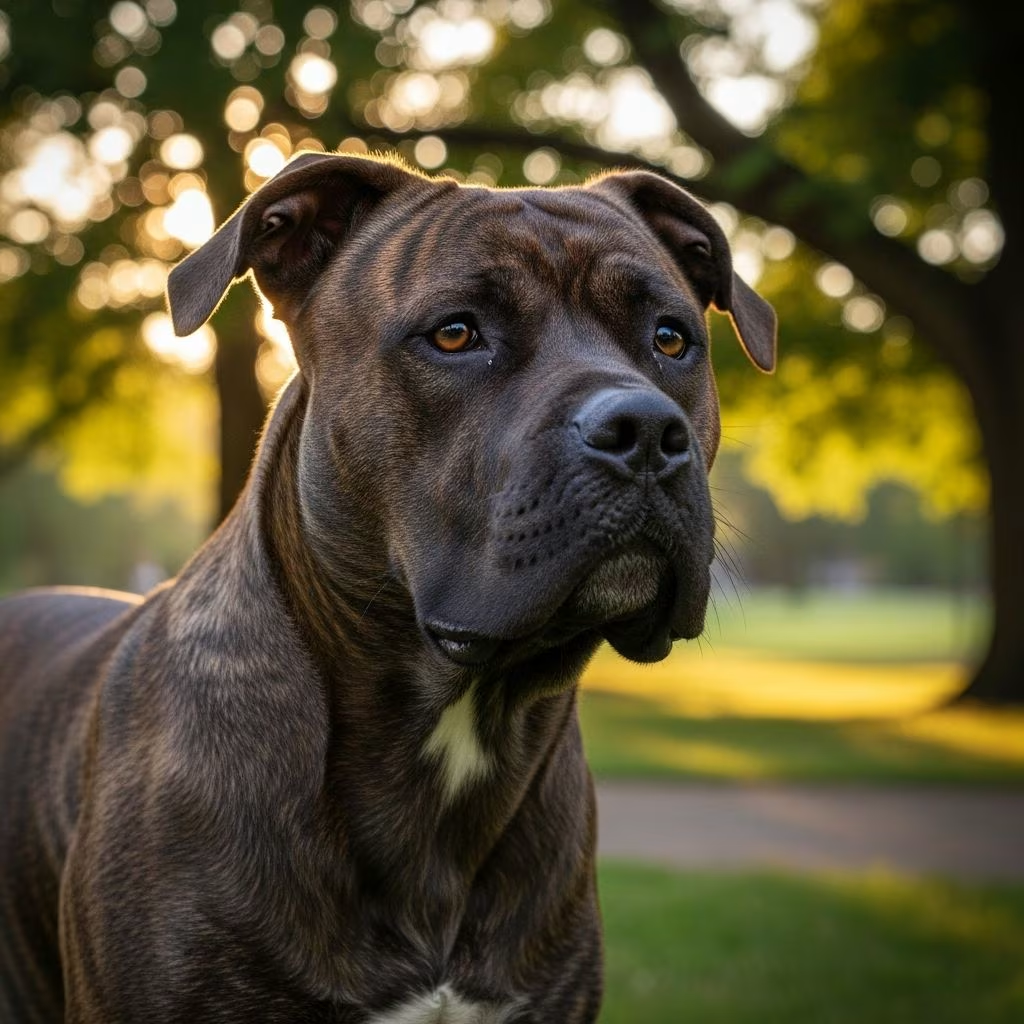
The American Bandogge Mastiff stands out as a formidable yet devoted canine, combining the raw power of mastiff lineage with the tenacity of bulldog heritage. This hybrid breed excels as a protector, offering unwavering loyalty to its family while demanding structured leadership from owners. Known for its athletic build and alert demeanor, the Bandogge thrives in homes where experienced handlers provide firm guidance, ample exercise, and early socialization.
Origins and Development of the Breed
The American Bandogge Mastiff emerged from deliberate crosses aimed at creating a superior working dog. Breeders in the late 20th century selectively paired American Pit Bull Terriers with large mastiff varieties, such as the English or Neapolitan Mastiff, to harness traits like strength, agility, and protectiveness. This fusion traces back to historical “bandog” dogs—chained guardians from medieval England used to safeguard property. Modern iterations prioritize balanced temperament over historical fighting roles, focusing on companionship and security.
Unlike purebreds with rigid standards, the Bandogge represents a type rather than a standardized breed, leading to variations in appearance and behavior based on founding lines. Reputable developers emphasize health testing and working aptitude, producing dogs that are stable and versatile. Today, these mastiffs serve as personal protection companions, excelling in roles requiring vigilance without excessive aggression.
Physical Characteristics and Appearance
Boasting a robust, muscular frame, the American Bandogge Mastiff impresses with its imposing stature. Males typically measure 25 to 29 inches at the shoulder and weigh 100 to 140 pounds, while females are slightly smaller at 85 pounds and up. Their broad heads feature strong jaws, dark eyes, and pendulous ears that may be cropped for a alert look. A thick neck supports a deep chest, transitioning to powerful legs built for speed and endurance.
The short, smooth coat comes in shades like black brindle, blue, fawn, red, or tawny, often with minimal white markings. This low-maintenance fur resists weathering but may drool in hot conditions. Overall, the Bandogge’s athletic angulation conveys readiness—intimidating to intruders yet graceful in motion.
| Trait | Males | Females |
|---|---|---|
| Height | 25-29 inches | 24-27 inches |
| Weight | 100-140 lbs | 85-120 lbs |
| Coat Colors | Black brindle, blue, red | Same |
Temperament and Behavioral Traits
Intelligent and confident, the American Bandogge Mastiff bonds deeply with its pack, displaying docility toward family members. These dogs sense vulnerability, often gentling their play around children, yet remain wary of outsiders. Their protective instincts make them “silent peacekeepers,” relying on presence over barking to deter threats. With proper upbringing, they coexist amicably with household pets introduced early.
- Loyalty: Unwavering devotion to owners, viewing the family as its core pack.
- Protectiveness: Naturally vigilant, excelling as guardians without formal training.
- Intelligence: Quick learners who respond to consistent cues, thriving under dominant leadership.
- Stubbornness: Can test boundaries, requiring firm, experienced handling to prevent dominance issues.
Without mental stimulation or exercise, Bandogges may grow restless, leading to destructive behaviors. They demand owners who establish pack hierarchy early, as indecision can foster anxiety or aggression.
Training Essentials for Success
Training the American Bandogge Mastiff demands patience, consistency, and authority. Begin socialization at 8 weeks, exposing puppies to diverse environments, people, and animals to curb suspicion. Positive reinforcement—praise, treats, and play—works best, paired with clear boundaries to reinforce the owner’s alpha status.
Obedience basics like sit, stay, and recall form the foundation, progressing to advanced protection work if desired. These dogs excel in tasks demanding focus and drive but resist inconsistent commands. Daily sessions of 15-30 minutes suffice, emphasizing mental challenges like puzzle toys over rote repetition. Avoid harsh corrections, as they breed resentment in this sensitive breed.
- Puppy classes for foundational skills and exposure.
- Leash training to manage strength on walks.
- Desensitization to triggers like doorbells or strangers.
Males may exhibit stronger territoriality, necessitating neutering considerations for temperament stability. Professional trainers versed in guardian breeds ensure long-term success.
Exercise and Lifestyle Requirements
High-energy yet moderately active, Bandogges need 60-90 minutes of daily exertion to maintain physical and mental health. Brisk walks, jogging, or yard sprints suit their athleticism, complemented by strength games like tug-of-war. Avoid overexertion in puppies to safeguard developing joints.
A secure, spacious yard with 6-foot fencing is ideal, preventing escapes driven by curiosity or protectiveness. Mental workouts—scent work, agility drills—prevent boredom. They adapt to apartments if exercised rigorously but flourish in suburban settings with room to roam.
Nutrition and Feeding Guidelines
Fuel this powerhouse with high-quality, protein-rich kibble formulated for large breeds (25-30% protein). Divide daily intake—4-6 cups for adults—into two meals to aid digestion and minimize bloat risk. Fresh water access is non-negotiable, especially post-exercise.
Monitor weight to prevent obesity, adjusting portions based on activity. Supplements like glucosamine support joint health, while avoiding fillers ensures optimal muscle tone. Puppies require growth-formulated food until 18 months, transitioned gradually.
Health Considerations and Common Issues
With a lifespan of 10-12 years, Bandogges face breed-typical challenges like hip dysplasia, elbow issues, and heart conditions. Genetic screening of parents mitigates risks, alongside routine vet checks. Maintain dental hygiene to counter gum disease from powerful jaws.
Other concerns include gastric torsion (bloat), allergies, and hypothyroidism. Diligent grooming—weekly brushing, monthly baths—upholds coat and skin health. Spaying/neutering at maturity balances hormones without compromising structure.
| Health Issue | Prevention/Treatment |
|---|---|
| Hip Dysplasia | Weight control, joint supplements, surgery if severe |
| Bloat | Elevated bowls, small meals, no exercise post-feeding |
| Heart Disease | Annual exams, low-fat diet |
Grooming Routines for the Bandogge
Minimalist in upkeep, the Bandogge’s short coat sheds lightly year-round. Weekly brushing with a rubber curry removes loose fur, distributing oils for shine. Bath monthly or as needed, using gentle shampoos to preserve skin barrier.
Trim nails biweekly, clean ears to prevent infections, and brush teeth daily with enzymatic paste. These habits foster bonding and early issue detection, keeping your guardian pristine.
Ideal Living Environment and Family Fit
Best suited for experienced owners in homes with secure perimeters, Bandogges integrate well with families boasting older children. Their size warrants space, but adaptability shines with routine. Not ideal for novice handlers or frequent solo confinement, as separation anxiety may arise.
Compatibility with other dogs hinges on same-sex introductions; cats fare better if raised together. Active lifestyles align perfectly, turning the Bandogge into a devoted adventure partner.
Frequently Asked Questions (FAQs)
Is the American Bandogge Mastiff good with kids?
Yes, when socialized properly, they are gentle and patient with children, sensing the need for restraint.
How much exercise does a Bandogge need?
At least 60-90 minutes daily, blending cardio and strength activities for balance.
Are Bandogges aggressive?
Not inherently; poor training or lack of leadership can amplify protective instincts into issues.
What’s the cost of owning one?
Initial purchase: $1,000-$3,000; annual expenses: $1,500+ for food, vet care, and supplies.
Do they drool a lot?
Moderately, especially after drinking or in heat, typical of mastiff heritage.
Choosing and Bringing Home Your Bandogge
Select from ethical breeders prioritizing health clearances and temperament testing. Rescue organizations offer mature dogs vetted for stability. Prepare with sturdy crates, chew toys, and leadership commitment. The first weeks focus on routine establishment, blending patience with firmness for a lifetime bond.
In summary, the American Bandogge Mastiff rewards dedicated owners with unparalleled loyalty and protection. Its blend of power, smarts, and heart makes it a standout choice for those ready to lead.
References
- American Bandogge Mastiff – IBC — International Bandogge Club. Accessed 2026. https://ibcdogs.org/american-bandogge-mastiff/
- American Bandogge Mastiff Dog Breed Information and Pictures — Dog Breed Info. Accessed 2026. https://www.dogbreedinfo.com/americanbandoggemastiff.htm
- American Bandogge Mastiff | Pet Premium — Pet Premium. Accessed 2026. https://petpremiumproduction-eba7c4djfbg2c8fj.centralus-01.azurewebsites.net/breed/american-bandogge-mastiff/
- American Bandogge Mastiff Dog Breed: Info, Pictures & Care — Dogster. 2023-10-15. https://www.dogster.com/dog-breeds/american-bandogge-mastiff
- American Bandogge Mastiff Breed Overview — US Service Animals. Accessed 2026. https://usserviceanimals.org/blog/american-bandogge-mastiff-breed-overview/
- American Bandogge: A Powerful Breed That Requires Responsible… — YouTube (TDD11). Accessed 2026. https://www.youtube.com/watch?v=_zZwRliSlEM



