

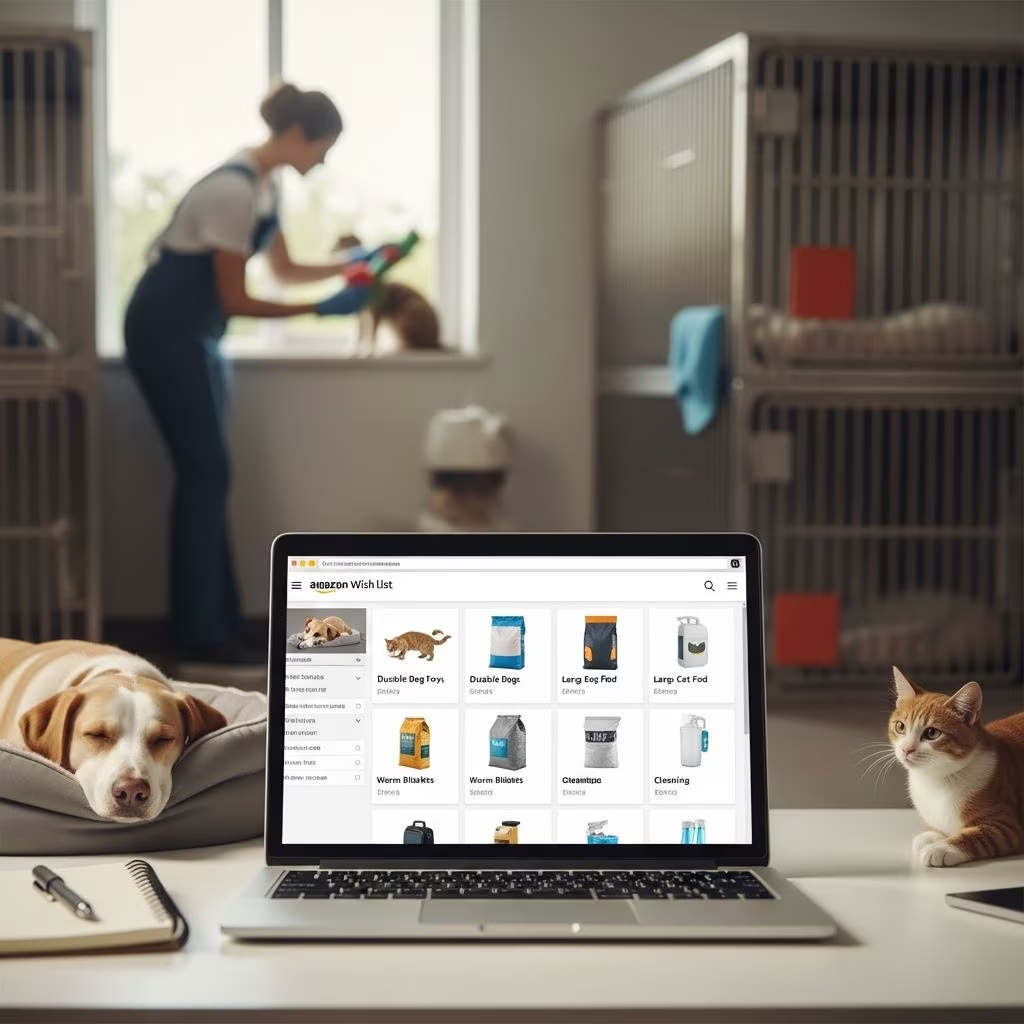
Creating an Amazon Wish List Playbook for Your Animal Shelter
Developing an Amazon wish list allows potential donors to select items your organization needs and have those items shipped directly to your shelter or rescue facility. Similar to a gift registry used for weddings or baby showers, Amazon wish lists provide a streamlined way for supporters to contribute tangible items that benefit the animals in your care. This comprehensive playbook will guide you through establishing, managing, and promoting effective wish lists that maximize donations while minimizing administrative burden.
Why Create an Amazon Wish List?
All donors love convenience, and wish lists work especially well for supporters who want to know exactly what their gifts will support and those who prefer giving tangible items over monetary donations. Since their inception in 1999, Amazon wish lists have generated millions of dollars in donations for shelters, rescue groups, and other nonprofit organizations. They’ve also inspired other vendors to establish similar registry systems.
By creating one or more wish lists, your organization will receive more of what you actually need with significantly less effort. Wish lists eliminate the guesswork for donors while ensuring your shelter receives priority items. This targeted approach to giving increases both donor satisfaction and the effectiveness of community support.
Program Overview: How Amazon Wish Lists Work
After establishing an Amazon account for your organization or agency, you’ll draw on items stocked by Amazon to create one or more wish lists for the public to view. Your supporters—including potential donors, adopters, foster caregivers, volunteers, and the general public—can then browse these lists and purchase items directly.
You’ll promote your wish lists through as many communication channels as your organization has bandwidth to execute: your website, social media platforms, email campaigns, and other methods your public information office may recommend. Supporters will see what you need, buy it, and have it shipped directly to your organization. Shipping may vary by state, particularly to Hawaii, so always verify that you can receive items in your area before launching your campaign.
One of the greatest advantages of wish lists is that they’re generally not high-maintenance tools. While you’ll want to keep your lists updated and can improve results by applying best practices, wish lists require minimal ongoing administration compared to other fundraising methods.
Getting Started: Essential Setup Steps
Before you begin creating your wish lists, follow these foundational steps:
Step 1: Establish Your Amazon Business Account
Create an Amazon business account if your organization doesn’t already have one. If possible, invest in an Amazon Prime account. In most states—be sure to inquire about your specific state’s policies—this account will enable you to qualify for free shipping, which dramatically improves your donation outcomes and reduces recipient burden.
Step 2: Research and Learn From Others
Familiarize yourself with Amazon’s official instructions and explore the wish lists of other organizations, particularly other animal shelters and rescue groups. Start by examining the Amazon wish lists of Best Friends Animal Society by clicking the orange “Shop” button at the end of each location listing. This research will provide valuable insights into how successful organizations structure their lists and what types of items resonate with donors.
Step 3: Assess Your Organizational Needs
Think carefully about what your organization actually needs and gather input from other team members. Assemble your comprehensive needs list in writing so you have a thorough sense of your priorities and can make informed decisions about what to include in each wish list.
Building Your Wish Lists: Structure and Strategy
Creating Your Primary List
Your first wish list should serve as the foundation of your Amazon donation program. Create a primary list containing 6-10 items that are truly critical to your operation—the “must have to operate” consumable items. This list should include:
– Food and food trays- Bowls and feeding supplies- Cleaning agents and disinfectants- Trash bags- Paper products- Other items your facility needs every single day
The primary list represents your most essential operational needs and should become your most heavily promoted list, as these items directly support the animals in your care on a daily basis.
Segmenting Your Lists for Maximum Impact
While you can add all your needs to a single list if time is limited, segmenting your wish lists into specialized categories significantly improves results and donor satisfaction. Here are the recommended list categories:
Facilities and Infrastructure List
Create a second wish list dedicated to facilities-related items and larger-ticket purchases. Include items that enhance your facility’s functionality and safety, such as:
– Dog beds and cat furniture- Commercial janitorial equipment and carts- Fence screening and outdoor enclosures- Garden tools and maintenance supplies- Fans and climate control equipment like swamp coolers- Trash cans and waste management solutions- Equipment dollies and transport aids
These items help create a better, safer environment for the animals and staff while typically requiring more substantial donor investment than consumable items.
Adoption Supplies List
Create a third wish list specifically for adoption supplies—items you provide with every adopted animal. This list should include:
– Bandanas and collar accessories- Toys and enrichment items- Collars and leashes- Starter kits for new pet parents
This specialized list appeals to donors who want to celebrate successful adoptions and support animals transitioning to their new homes. It’s particularly effective for reaching adopters and foster families.
Prioritization and List Management
After creating your segmented lists, prioritize both the lists themselves and the items within each list based on your organization’s needs. Decide which team members should have access to view and edit the account, then use Amazon’s instructions to implement appropriate permission settings. This ensures accountability while allowing multiple staff members to maintain and update content as needed.
Promotion Strategies: Maximizing Your Wish List Impact
Visual Branding and Professional Presentation
Add your organization’s logo to the top of every list. This branding reinforces your nonprofit’s identity and creates a more professional appearance that inspires donor confidence. Your logo also helps donors recognize your lists across different platforms and communications.
Targeted Promotion Approaches
Promote your lists differently to reach various audience segments in your community. Think strategically about which lists appeal to which donor demographics:
– Share your primary list more frequently on social media, targeting broad audiences- Promote your facilities list to corporate partners and major donors- Feature your adoption supplies list to recent adopters and foster families- Rotate offerings to experiment with what resonates best with your specific community
Compelling List Descriptions
Give each list a short, descriptive paragraph at the top of the page. When describing your critical, constant-use items, use powerful language like:
– “These are things that benefit the animals every single day and cost us the most because we use them constantly.”- “If you want your gift to deliver the biggest bang for the buck, five gallons of Rescue is a massive gift!”
These descriptions help donors understand the immediate impact of their contributions and connect their gifts to tangible animal care benefits.
Countdown Motivation Technique
For all lists beyond your primary list, include the quantity of each item you need. Amazon allows you to “count down” as items are purchased, showing potential donors how many remaining items are needed. This countdown feature becomes a powerful motivator for donors who enjoy helping to close out initiatives or reach funding goals. Donors often feel energized about being part of completing a collection or reaching a target number.
Strategic Link Management
Give each wish list a different link on your website and ensure each promotion contains the unique link for the right wish list. Avoid directing people to a generic all-purpose link combining all your lists. Too many choices can overwhelm donors and lead to decision paralysis, actually resulting in fewer purchases.
Bonus Strategy: AmazonSmile Program
While tangible items are excellent gifts to receive, most organizations still need cash for operational expenses. The AmazonSmile program allows customers to designate your organization as their chosen charity. With each qualifying purchase made through AmazonSmile, Amazon donates a percentage of the sale to your nonprofit. Promote this option alongside your wish lists to capture additional funding while customers are already engaging with Amazon.
Maintenance and Ongoing Management
Keeping your lists updated is essential to maintaining donor engagement and ensuring you receive items that remain relevant to your current needs. Set a regular schedule—perhaps monthly—to review and refresh your lists. Remove items that have been fulfilled, adjust quantities based on consumption rates, and add new items as your needs evolve. This maintenance approach keeps your lists fresh and demonstrates to donors that you actively use and appreciate their contributions.
Frequently Asked Questions About Amazon Wish Lists
Q: How long does it take to create an Amazon wish list?
A: Creating a basic wish list typically takes 1-2 hours, depending on how thoroughly you research items and organize your needs. Segmented lists require additional planning but offer significantly better results.
Q: Can we use multiple wish lists?
A: Yes, absolutely. In fact, segmenting into 2-3 specialized lists typically generates better results than one comprehensive list by reducing decision fatigue and targeting specific donor interests.
Q: What if Amazon doesn’t stock a specific item we need?
A: Stick to items Amazon carries. If critical items aren’t available on Amazon, consider requesting those items through alternative channels or direct contact with donors, keeping your wish list focused on what’s readily available.
Q: How often should we update our lists?
A: Review and update your lists monthly at minimum. Remove fulfilled items, adjust quantities, and add seasonal items as appropriate. More frequent updates keep your lists relevant and show donors their contributions matter.
Q: Should we exclude toys from our primary list?
A: Yes. Many donors default to items they believe make animals happy, leaving critical constant needs unmet. For example, donors might choose cat toys over cat litter. Reserve toys for your adoption supplies or a dedicated enrichment list to ensure your primary list focuses on essential operational items.
Q: How do we track which items have been purchased?
A: Amazon’s wish list system automatically tracks purchases and quantities. You’ll see items move to “purchased” status, and countdowns will reflect the remaining items needed.
Key Takeaways for Success
Amazon wish lists represent a low-maintenance, high-return fundraising tool that every animal shelter and rescue organization should leverage. By establishing a well-organized primary list with strategic segmentation, promoting your lists through multiple channels, and maintaining them regularly, you’ll dramatically increase donations while enhancing donor satisfaction and engagement. The convenience and transparency of wish lists align perfectly with modern donor expectations and preferences, making them an essential component of any comprehensive fundraising strategy.
References
- Creating an Amazon Wish List Playbook — Best Friends Animal Society. 2022. https://bestfriends.org/network/resources-tools/amazon-wish-list-playbook
- Training Playbook: Creating an Amazon Wish List (PDF) — Best Friends Animal Society. 2022-08-17. https://bestfriends.org/sites/default/files/inline-files/Amazon%20List%20Playbook-PDF_8.17.2022.pdf
- Digital Fundraising Overview Playbook — Best Friends Animal Society. https://bestfriends.org/network/resources-tools/digital-fundraising-overview-playbook



