
Amazon Parrot Care Guide: Personality, Breeding, 7 Species
Complete guide to Amazon parrot care, personality traits, diet, and breeding information.
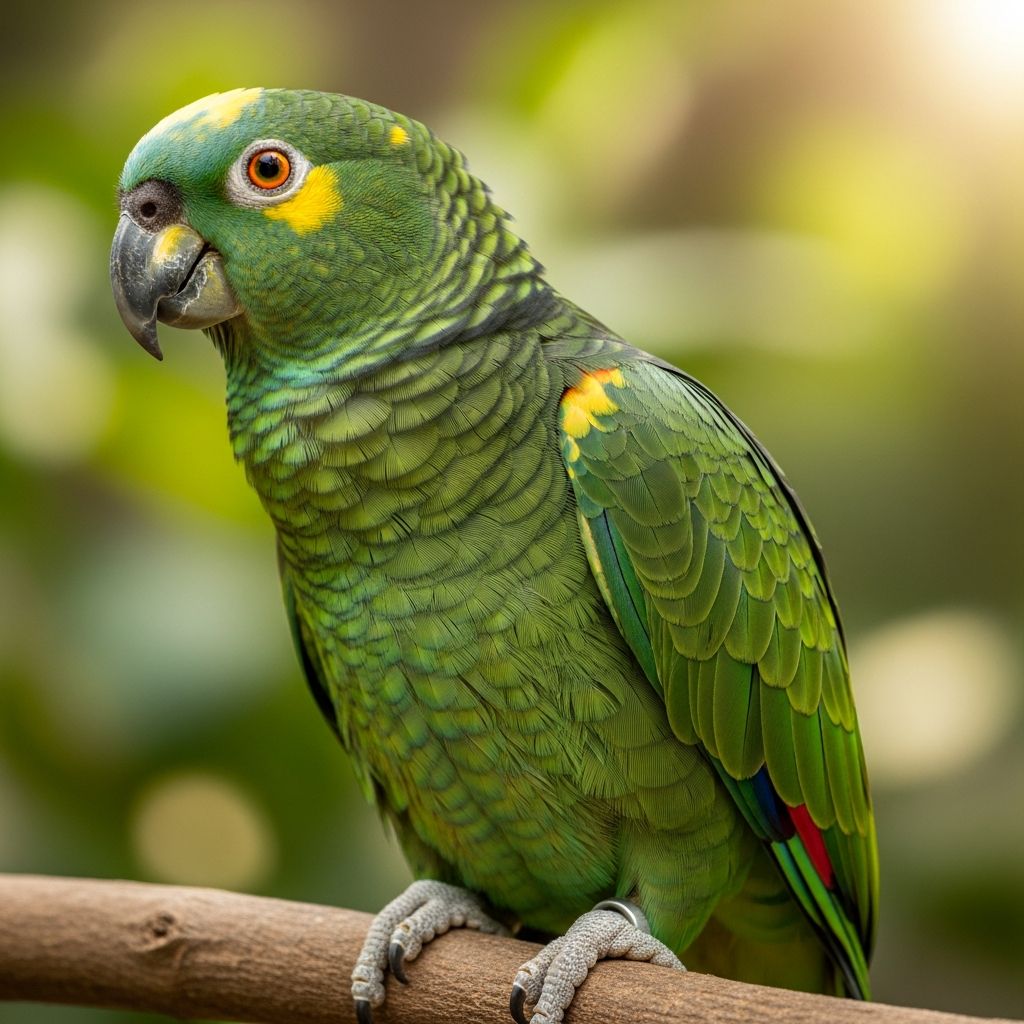
Amazon Parrot: A Complete Guide to Care, Personality, and Breeding
Amazon parrots are among the most popular medium-sized parrot species kept as pets today. These vibrant birds captivate owners with their boisterous personalities, playful demeanor, and outgoing nature. With an estimated 27 species of Amazon parrots existing in the wild, only about 10 to 12 species are commonly kept as companion animals. Whether you’re considering bringing an Amazon parrot into your home or seeking to deepen your understanding of these fascinating birds, this comprehensive guide covers everything you need to know about their personality, care requirements, diet, and breeding.
Understanding Amazon Parrot Personality and Behavior
Amazon parrots are renowned for their engaging and expressive personalities. They are often described as boisterous, playful, and outgoing, with many even enjoying singing. These birds excel at communicating their moods through distinctive body language, making them relatively easy to read compared to other parrot species. Understanding their behavioral patterns is essential for providing appropriate care and creating a harmonious household environment.
Personality Traits
Male Amazon parrots have earned a reputation for exhibiting “macho” behavior, a characteristic that defines their bold personalities. When excited or agitated, male Amazons often perform a distinctive “strut” walk across the floor or tabletop, flaring their tail feathers and pinning their eyes in a display of confidence. This theatrical behavior is part of their charm and reflects their naturally dominant and spirited nature.
Amazon parrots typically play hard, demonstrating high energy levels and enthusiasm for physical activity. They delight in swinging upside down from their cages, destroying wooden toys with gusto, and even wrestling their owner’s hand with their beaks. This playful aggression is not malicious but rather an expression of their vibrant personality and engagement with their environment.
Reading Amazon Parrot Moods
One of the most distinctive features of Amazon parrots is their ability to express themselves clearly through body language. When a parrot is highly excitable or agitated, it displays several tell-tale signs that owners should recognize:
– Pinned eyes (pupils constricted)- Raised head and neck feathers- Fanned tail feathers- Broad, confident stance
These visual cues provide valuable insight into an Amazon parrot’s emotional state, allowing owners to respond appropriately and adjust their interactions accordingly.
Physical Characteristics and Species Varieties
Amazon parrots exhibit remarkable diversity in size and coloration, though they share several distinctive physical features. Understanding these characteristics helps identify different species and appreciate the unique qualities each brings to pet ownership.
Size Range and Physical Features
Amazon parrots range significantly in size depending on the species. The white-fronted Amazon is the smallest of all Amazon species, measuring just 10 inches in length, while the Mealy Amazon represents one of the largest, reaching approximately 16 inches long. This size variation is important to consider when evaluating cage space and environmental requirements.
A distinctive feature that sets Amazon parrots apart from other parrot species is their short, blunt tail feathers. Unlike conures, macaws, cockatiels, and other parrots that possess long, pointy tail feathers, Amazons have evolved compact tails that reflect their unique evolutionary history and behavioral patterns.
Amazon parrots typically display predominantly green plumage enriched with vibrant accents of red, blue, yellow, and maroon. Their powerful, hooked bills evolved to crack hard nuts and seeds found in their native habitats. These specialized bills are a hallmark feature and demonstrate their adaptation to their natural environment.
Popular Amazon Parrot Species for Pet Ownership
While 27 species of Amazon parrots exist, only a fraction are commonly kept as pets. Here are the most popular species:
| Species | Size | Notable Features | Personality |
|---|---|---|---|
| Blue-fronted Amazon | 13-15 inches | Vivid blue forehead, yellow cheeks | Vocal, intelligent, affectionate |
| Yellow-naped Amazon | 12-15 inches | Bright yellow patch on neck | Excellent talker, social, territorial |
| Double Yellow-headed Amazon | 14-15 inches | Dazzling yellow head | Exceptional speaker, confident, theatrical |
| Orange-winged Amazon | 12-13 inches | Blue and yellow markings, orange wing patches | Lively, sometimes moody, expressive |
| Red-lored Amazon | 10-13 inches | Red forehead, yellow cheeks | Moderate talking ability, gentle, playful |
| White-fronted Amazon | 10 inches | White forehead patch, red eye-ring | Playful, curious, less demanding |
| Lilac-crowned Amazon | 12-13 inches | Purplish crown, red highlights | Quieter, gentle, bonds closely with owner |
Diet and Nutrition for Amazon Parrots
Proper nutrition is fundamental to maintaining the health, vitality, and longevity of Amazon parrots. In their native habitats, these birds consume a varied diet consisting primarily of nuts, seeds, fruits, and vegetation. Replicating this diverse nutritional profile in captivity requires careful planning and a commitment to providing high-quality foods.
Essential Dietary Components
Amazon parrots require a balanced diet that includes:
– High-quality pellets as a dietary foundation- Fresh fruits and vegetables daily- Nuts and seeds in appropriate quantities- Whole grains and legumes- Occasional protein sources
A balanced pellet-based diet should comprise approximately 60-70% of an Amazon parrot’s daily food intake, with the remainder consisting of fresh produce and supplemental foods. Pellets formulated specifically for large parrots ensure that birds receive essential vitamins, minerals, and nutrients in concentrated form.
Foods to Include and Avoid
Safe and nutritious foods for Amazon parrots include apples, berries, carrots, leafy greens, almonds, walnuts, and legumes. However, certain foods are toxic and must be strictly avoided, including avocado, chocolate, salt, caffeine, and foods containing artificial sweeteners or excessive fat.
Housing and Care Requirements
Creating an appropriate living environment is essential for the physical and psychological well-being of Amazon parrots. These intelligent, active birds require spacious accommodations that facilitate natural behaviors and provide mental stimulation.
Cage Size and Setup
Amazon parrots require large cages that allow for wing extension, climbing, and movement. The minimum recommended cage size depends on the parrot’s size, but spacious cages are always preferable. Cages should include multiple perches of varying diameters, climbing structures, and toys that encourage natural behaviors.
Environmental Enrichment
Enrichment is critical for preventing behavioral problems and maintaining mental health. Amazon parrots benefit from:
– Varied perches and climbing opportunities- Destructible toys that encourage natural foraging behaviors- Puzzle feeders and problem-solving toys- Rotating toys to maintain novelty and interest- Regular out-of-cage time for supervised flight and interaction- Natural wood and branches for climbing and chewing
Social Interaction and Companionship
Amazon parrots are inherently social birds that thrive on interaction with their human companions. They require consistent attention, mental stimulation, and engagement to prevent boredom-related behavioral issues. Daily interaction, training sessions, and play time are essential components of responsible parrot ownership. These birds often form strong bonds with their caregivers and can become quite attached to family members who invest time in their care and socialization.
Breeding and Reproduction
Understanding Amazon parrot breeding behavior and reproduction is valuable for experienced aviculturists and those interested in conservation efforts. These birds exhibit fascinating reproductive patterns that reflect their social structure in the wild.
Breeding Behavior and Pair Bonding
Amazon parrots are generally monogamous birds that form pair bonds that can last for many years. In their natural habitat, the main social unit consists of a breeding pair that interacts with a larger flock, providing safety and social benefits. This pair-bonding behavior typically continues throughout the breeding season and can extend beyond, creating stable family units within larger populations.
Nesting and Clutch Size
Female Amazon parrots typically have an incubation period of approximately one month. During breeding season, females produce clutches containing between two to five eggs, depending on the species and environmental factors. Both parents participate in incubation and chick-rearing activities, though the female assumes primary responsibility for protecting eggs and brooding chicks during the early stages of development.
Health Considerations and Lifespan
Amazon parrots are long-lived birds, often surviving 40 to 60 years or more in captivity when provided with proper care. This extended lifespan represents a significant commitment for potential owners and requires careful consideration before acquisition.
Regular veterinary check-ups with avian specialists are essential for maintaining optimal health. Amazon parrots are susceptible to various health conditions, including feather plucking, obesity, and nutritional deficiencies. Early detection of health issues and prompt veterinary intervention can prevent serious complications and ensure longevity.
Frequently Asked Questions About Amazon Parrots
Q: How long do Amazon parrots live?
A: Amazon parrots typically live 40 to 60 years or longer in captivity with proper care. This makes them a lifelong commitment and a significant responsibility for potential owners.
Q: Can Amazon parrots talk?
A: Yes, many Amazon parrot species can learn to mimic human speech and sounds. The Yellow-naped Amazon and Double Yellow-headed Amazon are particularly known for their exceptional talking abilities and can learn extensive vocabularies.
Q: How much space does an Amazon parrot need?
A: Amazon parrots require large, spacious cages that allow wing extension and movement. The exact size depends on the species, but larger accommodations are always preferable to smaller ones.
Q: What do Amazon parrots eat?
A: Amazon parrots require a varied diet consisting of high-quality pellets, fresh fruits, vegetables, nuts, seeds, and grains. A balanced diet supports their health and longevity.
Q: Are Amazon parrots good for beginners?
A: While some smaller Amazon species like the White-fronted Amazon may be suitable for experienced bird owners, most Amazon parrots require significant knowledge, commitment, and resources. They are best suited for experienced parrot owners.
Q: How often should I interact with my Amazon parrot?
A: Amazon parrots require daily interaction, socialization, and mental stimulation. Regular out-of-cage time and engagement with their human companions are essential for their psychological well-being.
Q: What causes behavioral problems in Amazon parrots?
A: Behavioral issues often result from boredom, lack of social interaction, inadequate environmental enrichment, or improper diet. Providing appropriate stimulation, socialization, and nutrition helps prevent these problems.
References
- Amazon Parrot Personality, Food & Care — Lafeber Co. 2024. https://lafeber.com/pet-birds/species/amazon-parrot/
- Amazon Parrot Bird Facts — A-Z Animals. 2024. https://a-z-animals.com/animals/amazon-parrot/
- What Are the Different Amazon Parrot Species — Parrot Essentials. 2024. https://parrotessentials.co.uk/blog/what-are-the-different-amazon-parrot-species
- What to Know About Amazon Parrots — myRightBird. 2024. https://myrightbird.com/articles/what-to-know-about-amazon-parrots
- Hispaniolan Amazon Facts and Information — United Parks & Resorts (SeaWorld). 2024. https://seaworld.org/animals/facts/birds/hispaniolan-amazon/
Similar Articles








Read full bio of Sneha Tete


