

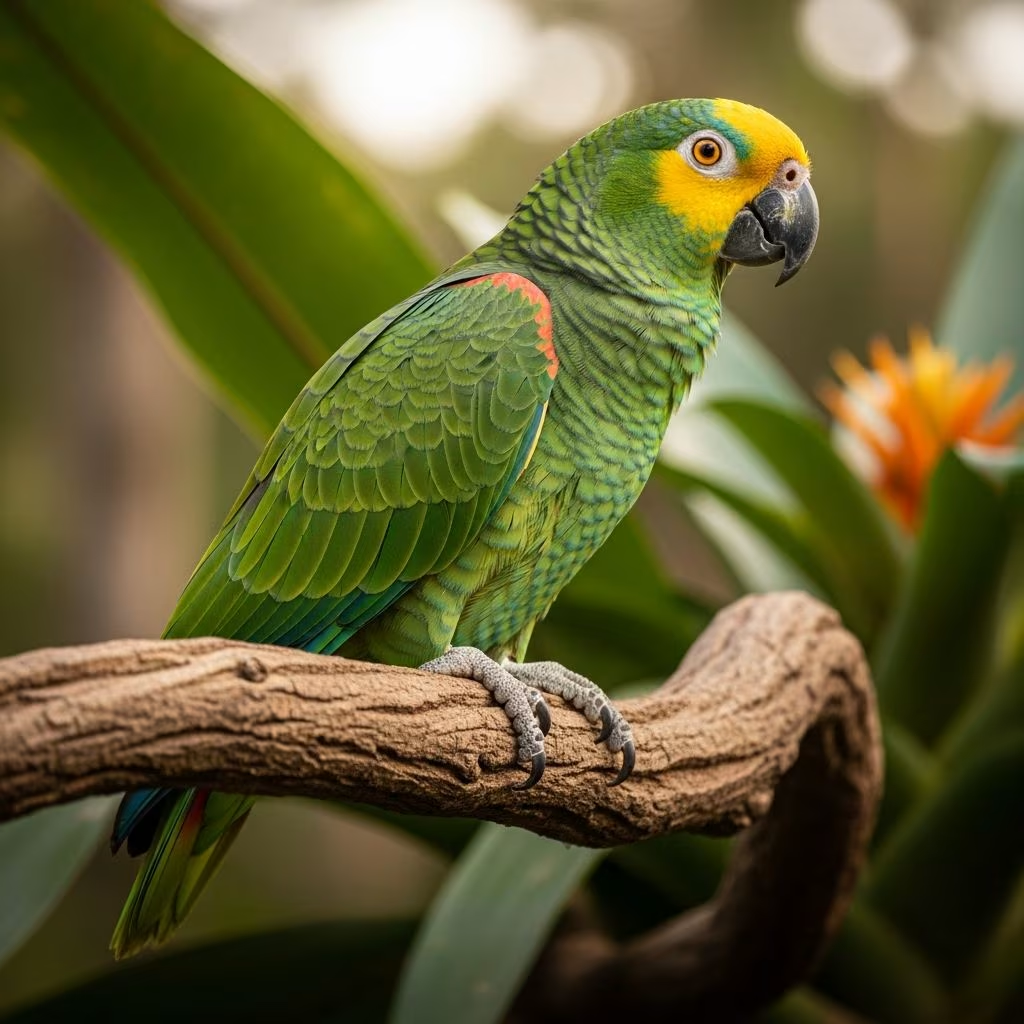
Amazon Parrot Behavior Revealed: A Comprehensive Guide to Understanding Your Feathered Companion
Amazon parrots are among the most captivating and intelligent bird species available as pets today. Known for their vibrant plumage, impressive vocal abilities, and engaging personalities, these medium to large-sized parrots have captured the hearts of bird enthusiasts worldwide. However, their complexity extends far beyond their beautiful appearance. Understanding Amazon parrot behavior is essential for anyone considering one of these birds as a companion or for current owners seeking to strengthen their bond with their feathered friend.
Amazon parrots are playful, intelligent creatures that can be nippy, aggressive during breeding seasons, and remarkably loud. They can also be unpredictable, potentially biting or squawking loudly if they feel threatened or overstimulated. Yet with proper training and a solid understanding of common Amazon parrot behaviors and misbehaviors, you and your bird can develop a happy, loving, and mutually respectful relationship. This guide explores the multifaceted nature of Amazon parrot behavior and provides insights into managing and enjoying life with these extraordinary birds.
Understanding Amazon Parrot Personality Traits
Amazon parrots are often described as boisterous, playful, and outgoing birds with gregarious personalities that make them stand out among parrot species. These characteristics manifest in various ways throughout their daily interactions and social engagements.
Social and Affectionate Nature
These intelligent birds are highly social creatures that thrive on interaction and companionship. Amazon parrots tend to form close bonds with their human companions and require regular, quality interaction to flourish emotionally and behaviorally. They are known for their ability to engage with family members and enjoy being part of household activities. However, this social nature also means they can become stressed, moody, or even depressed without adequate attention and stimulation.
Energy and Playfulness
Amazon parrots typically play hard and with enthusiasm. An Amazon parrot might swing upside down from its cage, delight in destroying wooden toys, and even engage in playful wrestling with their owner’s hand using their beaks. This high energy level requires owners to be prepared for an active, interactive pet that demands engagement throughout the day.
Emotional Complexity
These parrots are emotionally sophisticated birds, displaying a wide range of emotions from joy and excitement to frustration and jealousy. They are intelligent and sensitive creatures that appreciate routines and can become particularly stressed with significant environmental changes or insufficient attention. Understanding and respecting their emotional needs is crucial for maintaining a harmonious relationship.
Reading Amazon Parrot Body Language
One of the most valuable skills an Amazon parrot owner can develop is the ability to accurately interpret their bird’s body language. An Amazon parrot’s mood is among the easiest to read among parrot species because these birds excel at expressing themselves through physical gestures and postures.
Key body language indicators include:
- Eye pinning: A behavior where the pupils dilate and contract rapidly, often indicating excitement or agitation
- Raised head and neck feathers: A sign of heightened emotion or arousal
- Fanned tail feathers: Typically indicates an excited or defensive state
- Broad stance: Combined with other signals, suggests confidence and arousal
- Tail flaring: Often performed by males displaying dominant or “macho” behavior
An Amazon parrot owner should pay close attention to these body language cues to fully understand their bird’s emotional state and intentions. Failure to recognize these signals might result in a bite, particularly if an excited Amazon parrot is communicating that it does not wish to be handled. Additionally, Amazon parrots can enter “play overload” during interactive sessions, especially when engaged in beak wrestling with their owners, requiring owners to recognize when to pause play.
The Power of Amazon Parrot Bites
Understanding the bite force and communication capabilities of Amazon parrots is essential for safe interaction. These birds possess remarkable control over their beaks and the pressure they apply. They can lightly grab your finger with their beaks without breaking the skin as a gentle warning, yet they can use that same powerful beak to crush a Brazil nut. This duality means that Amazon parrots communicate through their bite strength, and they know precisely the amount of pressure needed to convey their message when they dislike something or when they’re angry.
Some Amazon parrot species display different bite tendencies than others. For example, Lilac-crowned Amazons have a reputation for their gentle nature and may need to be really provoked before they resort to biting. In contrast, other species may be more inclined toward nipping behavior. Recognizing your specific Amazon’s natural temperament can help you adjust your handling and interaction strategies accordingly.
Sexual Maturity and Behavioral Changes
One of the most significant behavioral transformations in Amazon parrots occurs when they reach sexual maturity. This developmental stage can dramatically alter a bird’s personality and behavior patterns. Amazon parrots can become substantially more aggressive during breeding cycles than many other large parrot species, presenting new challenges for owners who may not anticipate these changes.
During sexual maturity, Amazon parrots may exhibit:
- Increased territorial behavior and protective aggression
- Greater propensity for biting or aggressive displays
- Enhanced hormonal responses to handling and interaction
- Potential bonding issues with specific family members
However, aggressive behavior is not necessarily an inevitable consequence of aging. Through consistent application of positive reinforcement training strategies, Amazon parrots can learn to behave well throughout their entire lives. Early socialization, ongoing training, and understanding of your bird’s natural breeding cycle can help minimize unwanted behavioral changes.
Amazon Parrot Noise Levels and Vocalization
Another significant behavioral consideration for potential Amazon parrot owners is the noise factor. Amazon parrots can be exceptionally raucous, particularly during morning and evening hours. In their natural habitat, Amazon parrots participate in loud squawking sessions at dawn and dusk, and this instinctive behavior remains evident even in captivity.
Why Amazon Parrots Are Loud
Amazon parrots produce loud vocalizations for various reasons. They wake up and engage in chattering, squawk when startled or overstimulated, and vocalize when they desire your attention. Their volume can reach levels that are problematic for apartment dwellers or those living in close quarters with neighbors or family members who may be disturbed by constant chatter.
Managing Noise Behavior
While it may be tempting to respond to loud squawking by screaming or raising your voice in an attempt to quiet your Amazon, this strategy often backfires. Your parrot may interpret your raised voice as positive engagement or joining in the vocalization, actually reinforcing the very behavior you’re trying to discourage. Instead, developing alternative strategies such as redirecting attention, providing enrichment activities, and maintaining consistent routines can help manage excessive noise production.
Speech and Sound Capabilities
Beyond their capacity for noise, Amazon parrots are among the better talkers in the parrot world and seem especially fond of music and singing. They can learn numerous words and phrases and are excellent at imitating sounds. Interestingly, an Amazon parrot cares little if the song it sings is off-key; it will sing with the confidence of a composer who believes it authored the piece. Some Amazons produce a little shrill sound to express delight while eating a favorite treat, demonstrating their nuanced communication abilities.
Interacting With Amazon Parrots
Companion Amazon parrots display considerable variation in how they interact with different members of their “flock,” whether that group consists of humans alone, humans and other birds, or humans, birds, and other animals. Understanding these dynamics is crucial for maintaining a safe and harmonious household.
Flock Dynamics and Social Compatibility
Amazon parrots are naturally flock-oriented animals and generally do well with regular interaction and socialization. However, they can get along with other birds and family pets while simultaneously being capable of aggressive behavior toward them. The unpredictability of these interactions means that Amazon parrots must be carefully supervised when outside their cage to prevent conflicts or injuries.
Engagement and Entertainment
Amazons tend to be playful birds that respond enthusiastically to interactive engagement and entertainment. Similar to dogs or other interactive pets, if you consistently interact with them and provide mental and physical stimulation, they’ll respond with enthusiasm and affection. This responsiveness makes them rewarding companions for owners willing to invest time and effort in their care.
Exercise and Enrichment Requirements
With their high intelligence and energy levels, Amazon parrots require daily mental and physical stimulation to thrive. Without adequate engagement, they can become bored or depressed, leading to destructive behaviors such as feather plucking or excessive vocalizations. Providing interactive play, a variety of toys that encourage climbing and chewing, puzzle toys, foraging opportunities, and consistent routines all contribute to a well-adjusted, behaviorally balanced Amazon parrot.
Personality Variation Among Amazon Species
While there may be some truth to the general stereotype of Amazons as talkative, excitable birds that are loud with unpredictable dispositions and a propensity for biting, such generalization is unfair to these appealing neotropical parrots. The personalities of Amazon parrots vary greatly from species to species. Even individual birds of the same species can be quite different in temperament and behavior.
Research has shown that some Amazon species lean toward being gentler and less aggressive, while others are naturally more vocal and potentially prone to biting behavior. Additionally, not surprisingly, hens tend to be less aggressive overall than males. Male Amazons have earned a reputation for exhibiting “macho” behavior, including flaring their tail feathers, pinning their eyes, and “strutting” across surfaces.
Behavioral Challenges and Solutions
Destructive Behavior
Amazon parrots are natural chewers, and without proper outlets for this instinctive behavior, they may target household items and furniture. Ensuring that your Amazon has plenty of appropriate chew toys in its cage and supervising it closely during out-of-cage time can help protect your belongings while allowing your bird to express natural behaviors constructively.
Aggressive Tendencies
During hormonal periods or when they feel threatened, Amazon parrots may become territorial or exhibit aggressive behavior. Handling these situations requires patience, understanding, and avoiding punishment, as punishing a parrot can lead to lasting trust issues and exacerbate aggressive tendencies.
Frequently Asked Questions
Q: How can I tell if my Amazon parrot is excited versus stressed?
A: Watch for key body language signals. Excitement typically includes pinned eyes, raised head and neck feathers, and a fanned tail with a forward-leaning posture. Stress may manifest similarly but combined with vocalizations, attempts to escape, or defensive posturing.
Q: What should I do if my Amazon parrot enters play overload?
A: Recognize the signs of overstimulation and gently place your parrot back in its cage to allow it to calm down. Providing a quiet space and reducing interaction temporarily can help your bird recover from overexcitement.
Q: Are all Amazon parrots equally loud?
A: No, noise levels vary among Amazon species and individual birds. However, all Amazon parrots have some capacity for loud vocalization, particularly during morning and evening hours, so apartment living may be challenging.
Q: How can I reduce aggressive behavior in my Amazon parrot?
A: Use positive reinforcement training strategies consistently, maintain routine and structure, provide adequate enrichment and exercise, and learn to recognize body language signals to avoid situations that trigger aggression.
Q: Will my Amazon parrot’s personality change as it matures?
A: Yes, Amazon parrots often become more aggressive upon reaching sexual maturity, but this is not inevitable. Proper training, socialization, and positive reinforcement throughout their lives can help maintain behavioral stability.
References
- Amazon Parrot Personality, Food & Care — Lafeber Co. https://lafeber.com/pet-birds/species/amazon-parrot/
- What to Know About Amazon Parrots — myRightBird. https://myrightbird.com/articles/what-to-know-about-amazon-parrots
- Amazon Parrot Behavior Revealed — Chewy. https://www.chewy.com/education/bird/parrot/amazon-parrot-behavior-revealed
- The Various Personalities of Amazon Parrots — AFA Watchbird, Association of Avian Veterinarians. https://watchbird-ojs-tamu.tdl.org/watchbird/article/view/1078
- Amazon Parrot — Specialized Care for Avian & Exotic Pets. https://www.buffalobirdnerd.com/storage/app/media/PSPAmazonParrot.pdf
- Amazon Parrots: Solving Aggressive Parrot Behavior — Good Bird Inc. http://www.goodbirdinc.com/parrot-profiles-amazon.html



