

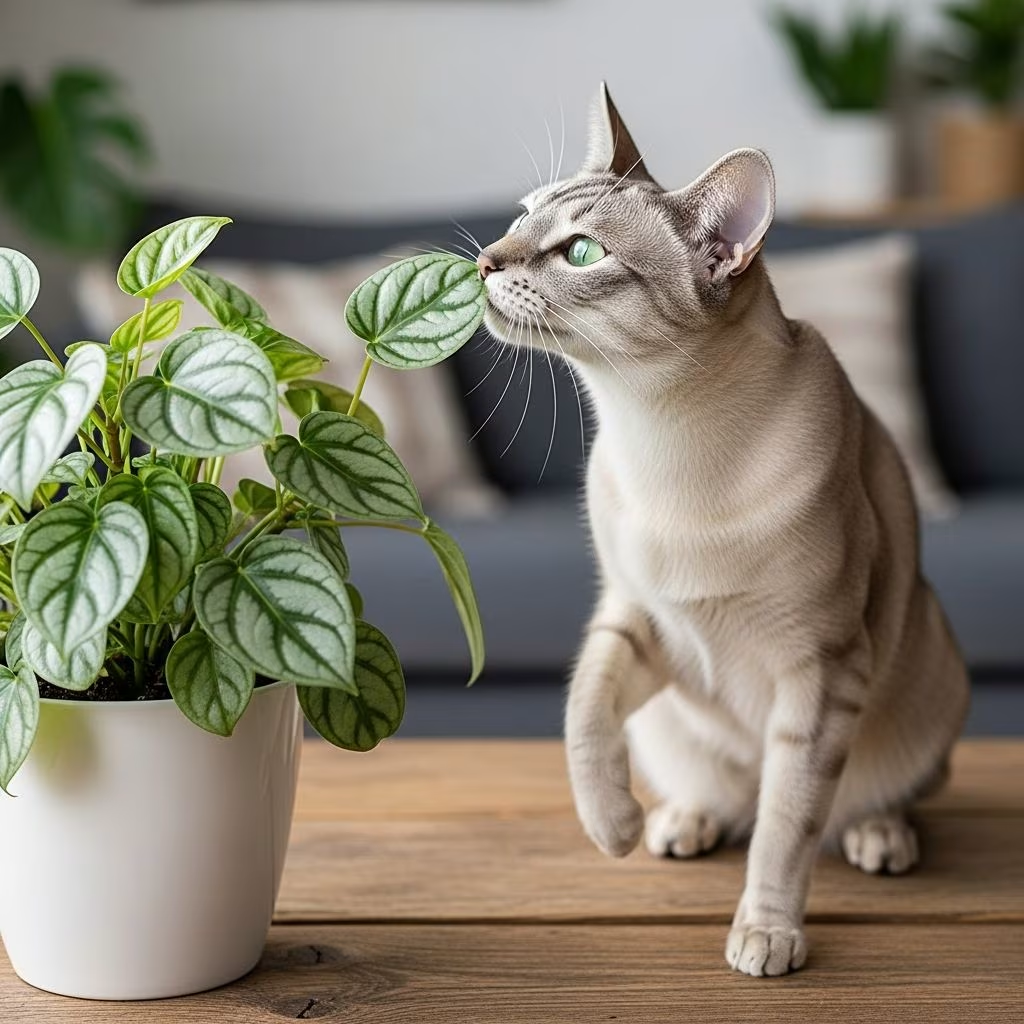
The aluminum plant, with its distinctive silvery leaves, has become a favorite among indoor gardeners seeking low-maintenance greenery. Scientifically known as Pilea cadieri, this plant from the Urticaceae family originates from regions in Vietnam and China. Its unique appearance, resembling brushed metal on dark green foliage, makes it visually striking. Cat owners often hesitate to introduce houseplants due to toxicity concerns, but good news prevails: the aluminum plant is completely non-toxic to cats, as confirmed by authoritative sources like the ASPCA.
Understanding the Aluminum Plant’s Appeal and Biology
This evergreen perennial thrives indoors, reaching heights of up to 24 inches under optimal conditions. It prefers bright, indirect light for at least four hours daily and well-draining, slightly acidic sandy soil. Fast-growing roots necessitate annual repotting to prevent overcrowding. Watering should mimic its natural habitat—moderate and consistent, allowing the top soil to dry slightly between sessions to avoid root rot.
Beyond aesthetics, aluminum plants contribute to indoor air quality by filtering volatile organic compounds (VOCs), potentially reducing household irritants that could affect pets and humans alike. Their resilience suits busy households, propagating easily from stem cuttings for expanded collections without risk to curious cats.
Why Aluminum Plants Pose No Threat to Felines
Veterinary experts unanimously agree that Pilea cadieri lacks harmful compounds affecting cats. Unlike plants containing insoluble calcium oxalates or cardiac glycosides, it induces no gastrointestinal upset, organ damage, or neurological issues upon ingestion. Even if a cat chews leaves or stems, expect no adverse effects beyond possible mild tummy discomfort from overindulgence in any fibrous plant material.
This safety profile extends to dogs and horses, broadening its appeal for multi-pet homes. Monitoring remains advisable, as individual sensitivities vary, but data shows no toxicity reports linked to this species.
Common Household Plants That Are Dangerous for Cats
While aluminum plants offer peace of mind, many popular ornamentals threaten feline health. Awareness is crucial for prevention.
| Plant Name | Toxicity Level | Primary Effects |
|---|---|---|
| Lilies (e.g., Tiger, Day, Easter) | Highly Toxic | Kidney failure, even from pollen; potentially fatal within days |
| Sago Palm | Highly Toxic | Liver failure, vomiting, seizures; high mortality rate |
| Rhododendron/Azalea | Toxic | Cardiac issues, gastrointestinal distress, coma |
| Oleander | Highly Toxic | Heart rhythm disturbances, death |
| Monstera Deliciosa | Mildly Toxic | Oral irritation, swelling, drooling |
These plants top toxicity lists due to potent chemicals like grayanotoxins in rhododendrons or cycasin in sago palms. Even small nibbles can escalate to emergencies, underscoring the need for cat-safe alternatives.
Recognizing Signs of Plant Toxicity in Cats
Cats mask illness, complicating early detection. Watch for these indicators if exposure to toxic flora is suspected:
- Vomiting or diarrhea, often persistent
- Excessive drooling or pawing at mouth
- Lethargy or appetite refusal
- Increased thirst and urination
- Hyperactivity, tremors, or seizures in severe cases
Beyond plants, hazards include household cleaners, medications, and essential oils, amplifying annual vet visits for poisoning. Prompt recognition saves lives.
Immediate Steps if Your Cat Ingests a Suspicious Plant
Act swiftly without panicking:
- Safely remove residue from the cat’s mouth if visible.
- Confine to a secure area preventing further access.
- Identify the plant—photograph leaves, flowers, and any chewed parts.
- Contact a veterinarian or pet poison hotline immediately, noting ingestion time, amount, and symptoms.
- Avoid home remedies like inducing vomit unless directed by a professional.
Services like online vet consultations provide rapid guidance when clinics are inaccessible.
Safe Houseplant Alternatives for Cat Households
Expand your indoor jungle risk-free with these vet-approved options:
- African Violet: Colorful blooms, minimal care.
- Spider Plant: Air-purifying, resilient to nibbling.
- Calathea: Patterned leaves, humidity-loving.
- Parlour Palm: Elegant, shade-tolerant.
- Boston Fern: Lush, trailing fronds.
These selections, alongside aluminum plants, beautify spaces without endangering pets. Cross-reference with ASPCA databases before purchase.
Cultivating Aluminum Plants in Cat-Friendly Environments
To deter feline interest despite safety:
- Elevate pots on high shelves or hanging baskets.
- Apply pet-safe bitter sprays to leaves.
- Scatter citrus peels or use aluminum foil barriers around bases.
- Offer cat grass or catnip as diversions.
- Use chicken wire enclosures for persistent chewers.
Proper care enhances longevity: fertilize sparingly in spring/summer, maintain 65-75°F temperatures, and prune for bushiness. These steps ensure thriving plants amid playful cats.
Broader Indoor Plant Benefits for Pet Homes
Non-toxic greenery improves welfare beyond toxicity avoidance. Plants reduce stress via biophilic design, lower allergens, and boost oxygen levels. For cats, supervised access encourages natural behaviors like batting leaves, fostering mental stimulation without chemical risks.
Selecting hardy species minimizes replacement costs from cat antics, promoting sustainable home greening.
Frequently Asked Questions
Is the aluminum plant harmful if eaten in large amounts by cats?
No, even substantial ingestion causes no toxicity, though monitor for digestive upset from fiber overload.
Can aluminum plants improve air quality around cats?
Yes, they filter VOCs, benefiting respiratory health for pets and owners.
What if my cat shows symptoms after chewing aluminum plant?
Unlikely toxicity-related; consult vet to rule out other issues like allergies.
Are there outdoor aluminum plant varieties safe for cats?
Primarily indoor, but similar non-toxic Pilea species work if drainage is ensured.
How do I propagate aluminum plants cat-safely?
Root stem cuttings in water or soil; keep away from cats during rooting to avoid spills.
Building a Cat-Proof Greenery Oasis
Integrating safe plants like aluminum varieties transforms homes into harmonious havens. Prioritize research via trusted lists, combine with deterrents, and observe behaviors. This balanced approach yields lush environments where cats roam freely without peril, enhancing shared living quality.
References
- Is Aluminum Plant Toxic to Cats? Vet Approved Safety Facts & FAQ — Catster. 2023. https://www.catster.com/cat-health-care/is-aluminum-plant-toxic-to-cats/
- My cat just nibbled on the leaves of my aluminum plant — Dial A Vet. 2023. https://www.dialavet.com/vet-answers/post/cat-ate-aluminum-plant-51737
- The Healthy Houseplant: Ten Feline-Friendly Selections — Nature Canada. 2023. https://naturecanada.ca/news/blog/the-healthy-houseplant-ten-feline-friendly-selections/
- Toxic and Non-toxic Plants: Aluminum Plant — ASPCA. Accessed 2026. https://www.aspca.org/pet-care/aspca-poison-control/toxic-and-non-toxic-plants/aluminum-plant
- Toxic and Non-toxic Plants: Aluminum Plant — ASPCA (Dev). Accessed 2026. https://dev-cloudflare.aspca.org/pet-care/aspca-poison-control/toxic-and-non-toxic-plants/aluminum-plant



