

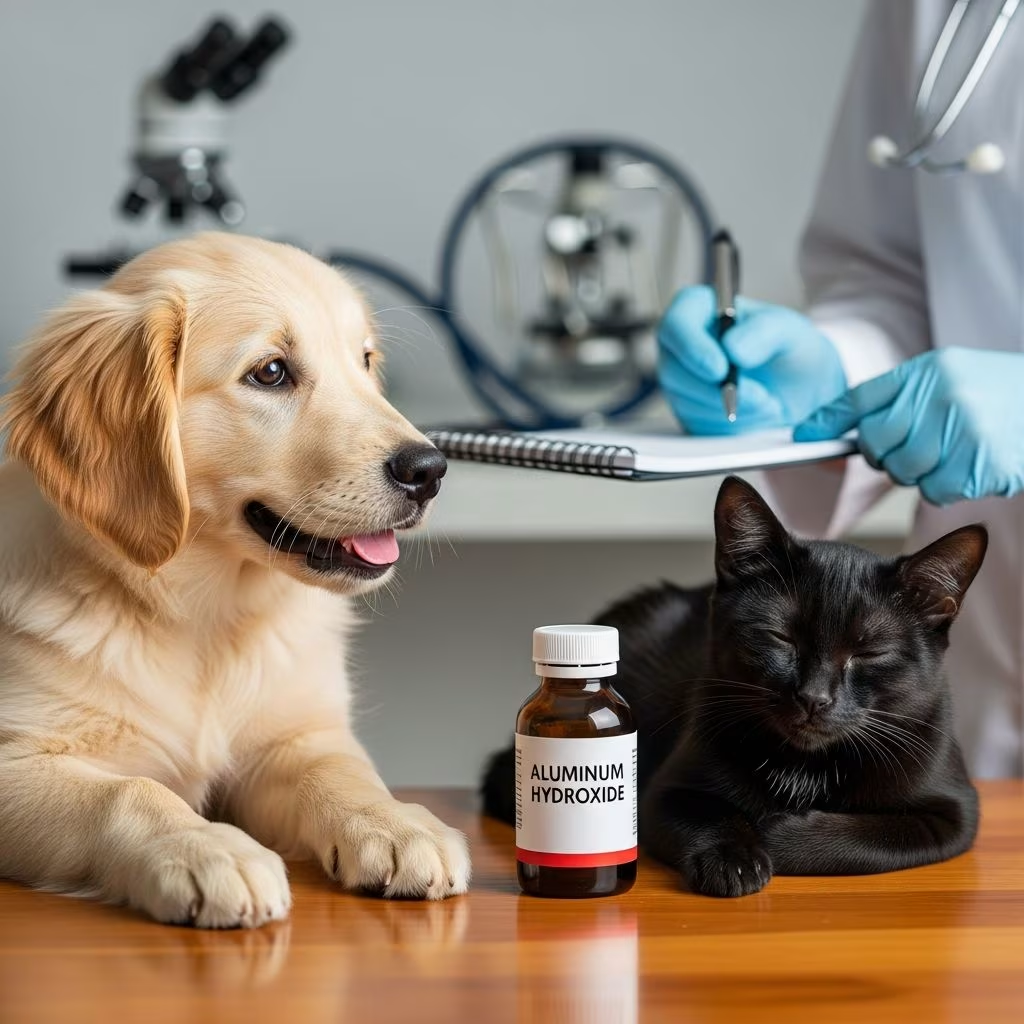
Aluminum Hydroxide for Pets: A Comprehensive Guide
Aluminum hydroxide is a widely prescribed medication in veterinary medicine that serves multiple therapeutic purposes for dogs, cats, and other companion animals. This white, odorless powder or gel has become an essential tool for managing serious health conditions, particularly chronic kidney disease and gastrointestinal disorders. Understanding how this medication works, its proper administration, and potential side effects is crucial for pet owners whose animals require this treatment.
What Is Aluminum Hydroxide?
Aluminum hydroxide is a naturally occurring mineral compound commonly recognized by brand names such as Amphojel and Alternagel. The medication functions as both an antacid and a phosphate binder, making it versatile in treating various pet health conditions. When administered to pets, aluminum hydroxide works by binding to dietary phosphorus in the gastrointestinal tract, preventing the mineral from being absorbed into the bloodstream. This binding action is particularly valuable for animals with compromised kidney function who cannot regulate phosphorus levels naturally.
Available in multiple formulations including powders, gels, liquids, and tablets, aluminum hydroxide offers flexibility in administration methods. Veterinarians can prescribe the most appropriate form based on individual pet needs and preferences, making treatment compliance easier for pet owners managing their animals’ medications.
Primary Uses in Veterinary Medicine
Managing Chronic Kidney Disease
The most common use of aluminum hydroxide in veterinary practice is managing hyperphosphatemia, or elevated blood phosphorus levels, in pets with chronic kidney disease (CKD). When kidneys fail to function properly, they lose the ability to filter waste products, including phosphorus, from the blood effectively. This accumulation of phosphorus can accelerate kidney damage and cause serious complications if left untreated. Aluminum hydroxide helps prevent this dangerous buildup by binding dietary phosphorus before it can be absorbed.
Chronic kidney disease affects many aging dogs and cats, making phosphorus management a critical component of their treatment plan. Research published in veterinary journals demonstrates that pets treated with appropriate phosphate binders like aluminum hydroxide show significant improvement in phosphorus levels and clinical signs when incorporated into comprehensive management strategies.
Treating Gastrointestinal Conditions
Beyond its use as a phosphate binder, aluminum hydroxide functions effectively as an oral antacid. The medication works by neutralizing excess stomach acid, providing relief from gastric hyperacidity, gastritis, and gastroesophageal reflux disease. Veterinarians often recommend aluminum hydroxide for pets experiencing heartburn, sour stomach, and acid indigestion, offering quick-acting relief from these uncomfortable conditions.
Additionally, aluminum hydroxide can be used to treat and prevent stomach ulcers in both humans and animals, including horses. Its ability to reduce inflammation of the esophagus and stomach caused by excess acid production makes it particularly valuable for pets with severe digestive upset.
Other Clinical Applications
Beyond its primary uses, veterinarians may prescribe aluminum hydroxide for acute kidney injury with hyperphosphatemia, certain toxicities that cause kidney damage, post-renal obstruction management, and conditions with secondary hyperparathyroidism due to phosphorus retention.
How Aluminum Hydroxide Works
The mechanism of action for aluminum hydroxide differs depending on its intended use. As a phosphate binder, the medication works by chemically binding to dietary phosphorus in the digestive tract, effectively trapping the mineral and preventing its absorption into the bloodstream. This action is essential for pets with kidney disease, as their kidneys cannot adequately excrete phosphorus through normal filtration processes. By reducing phosphorus absorption at the source, aluminum hydroxide helps maintain healthy blood phosphorus levels and slows the progression of kidney disease symptoms.
When used as an antacid, aluminum hydroxide functions by neutralizing hydrochloric acid in the stomach, raising the pH and reducing gastric acidity. This neutralization provides quick relief from acid-related digestive discomfort and helps protect the stomach and esophageal lining from acid damage.
Dosage and Administration
Appropriate Dosing
Dosages for aluminum hydroxide in dogs and cats vary based on the animal’s weight, the condition being treated, and veterinarian recommendations. In cattle, the typical dosage is 30 grams per animal, while calves and foals receive 2 grams per animal. Gel preparations typically contain approximately 4% aluminum hydroxide. For companion animals, dosing should always follow veterinary prescription instructions precisely, with pet owners checking medication labels to ensure correct administration.
Administration Methods
To maximize effectiveness, aluminum hydroxide should be administered with meals. For pets requiring phosphorus reduction, the medication is typically given as a powder mixed thoroughly with canned food, as the human oral liquid dosage forms are generally not easily given to dogs or cats. Pet owners can work with their veterinarians or pharmacists to obtain compounded formulations that are easier to administer to their specific pets.
Available in gel, powder, or tablet form, the choice of formulation depends on individual pet preferences and administration ease. Some animals find aluminum hydroxide less palatable than other medications, so a knowledgeable veterinarian can help pet owners develop strategies for successful oral dosing.
Benefits of Aluminum Hydroxide Treatment
Aluminum hydroxide offers several important benefits for pets requiring phosphorus management or digestive support:
– Effective reduction of phosphorus absorption from the diet, maintaining healthy blood levels- Slowed progression of kidney disease symptoms through comprehensive management- Minimization of secondary complications associated with hyperphosphatemia- Improved appetite and energy levels in pets with kidney disease- Flexible administration options accommodating different pets’ needs and preferences- Relatively affordable pricing compared to some newer phosphate binder alternatives- Relatively favorable safety profile with fewer gastrointestinal side effects than certain alternatives- Does not contribute to metabolic acidosis, a concern with some other phosphate-binding agents
Long-term management with aluminum hydroxide, when properly dosed and monitored, can significantly extend both the quantity and quality of life for pets with chronic kidney disease. Many pet owners report noticeable improvements in their companion’s well-being, including better appetite, increased energy, and reduced symptoms like vomiting or lethargy after beginning treatment.
Potential Side Effects and Considerations
Common Side Effects
The most common side effect associated with aluminum hydroxide use is constipation, particularly in small dogs. This adverse effect occurs because the medication can reduce intestinal motility. Pet owners should monitor their animals’ bowel movements and discuss any significant changes with their veterinarian.
Long-Term Safety Profile
Research has generally not shown that animals accumulate aluminum in their systems the way humans do, allowing for broader prescriptions of the mineral in veterinary medicine. Minimal long-term aluminum hydroxide usage research suggests potential issues related to muscle weakness and thinning of bones in pets, though such complications remain rare with appropriate dosing and monitoring.
Important Monitoring Requirements
Successful aluminum hydroxide therapy depends on several critical factors: appropriate dosing, consistent administration with meals, regular monitoring through blood work, and integration with other treatment modalities such as prescription diets. Pet owners should work closely with their veterinarian to ensure the medication is used optimally as part of a comprehensive management plan tailored to their pet’s specific needs.
Dietary Recommendations
A diet low in phosphorus is usually recommended by veterinarians when trying to lower phosphorus levels in animals. Prescription diets specifically formulated for kidney disease management often contain reduced phosphorus levels that work synergistically with aluminum hydroxide therapy. Pet owners should follow their veterinarian’s dietary recommendations carefully, as proper nutrition significantly impacts treatment effectiveness.
When Aluminum Hydroxide Is Prescribed
Veterinarians prescribe aluminum hydroxide in the following situations:
– Chronic kidney disease in all stages, but especially moderate to advanced stages- Acute kidney injury with hyperphosphatemia requiring temporary phosphorus management- Gastric hyperacidity and related digestive conditions- Certain toxicities causing kidney damage- Post-renal obstruction management during recovery- Conditions with secondary hyperparathyroidism due to phosphorus retention- Peptic ulcer disease in dogs, cats, and horses- Gastroesophageal reflux disease management
Comparing Aluminum Hydroxide to Alternative Treatments
| Characteristic | Aluminum Hydroxide | Alternative Phosphate Binders |
|---|---|---|
| Cost | Relatively affordable | May be more expensive |
| Side Effect Profile | Fewer GI side effects than some alternatives | Varies by product |
| Metabolic Acidosis Risk | Does not contribute | Some alternatives increase risk |
| Administration Forms | Powder, gel, liquid, tablets | Varies by product |
| Dual Function | Phosphate binder and antacid | Typically single-purpose |
| Long-term Accumulation | Minimal in animals | Varies by type |
Frequently Asked Questions About Aluminum Hydroxide
Q: How quickly does aluminum hydroxide work as an antacid?
A: Aluminum hydroxide is a quick-acting antacid that begins neutralizing stomach acid relatively rapidly. However, the exact timeline varies based on individual pet factors and whether the medication is given with food.
Q: Can aluminum hydroxide be given to all pets?
A: While aluminum hydroxide is generally well-tolerated by most animals, specific prescribing decisions should be made by a veterinarian who understands the individual pet’s medical history and current conditions.
Q: How often should my pet’s phosphorus levels be monitored?
A: Regular blood work monitoring is essential for pets taking aluminum hydroxide. Your veterinarian will establish an appropriate monitoring schedule based on your pet’s condition severity and response to treatment.
Q: What should I do if my pet experiences constipation while taking aluminum hydroxide?
A: Discuss constipation symptoms with your veterinarian immediately. They may recommend dietary adjustments, increased water intake, or other supportive measures to manage this side effect.
Q: Can aluminum hydroxide be stopped abruptly?
A: Medication changes should always be discussed with your veterinarian. They will provide guidance on adjusting or discontinuing aluminum hydroxide based on your pet’s condition and treatment response.
Q: Are there any drug interactions I should be aware of?
A: Inform your veterinarian about all medications your pet is currently taking, as aluminum hydroxide may interact with certain drugs. Your veterinarian can determine if concurrent medications are compatible.
References
- Aluminium distearate, hydroxide acetate and phosphate—Summary Report Committee for Veterinary Medicinal Products — European Medicines Agency. 2022. https://www.ema.europa.eu/en/documents/mrl-report/aluminium-distearate-hydroxide-acetate-phosphatetristearate-summary-report-committee-veterinary-medicinal-products_en.pdf
- Aluminum Hydroxide for Pets: Essential Benefits for Health — The Pet Vet. 2024. https://thepetvet.com/aluminum-hydroxide-for-pets-5-essential-benefits-for-health/
- Aluminum Hydroxide Veterinary Medication Guide — Dog Cat Doc. 2021. https://dogcatdoc.com/wp-content/uploads/2021/05/VMG-AlOh-powder.pdf
- Pet Aluminum Hydroxide Gel Use — Lambert Vet Supply. 2024. https://www.lambertvetsupply.com/blogs/news/aluminum-hydroxide-gel-soothes-the-not-so-savage-beast
- Aluminum Hydroxide — VCA Animal Hospitals. 2025. https://vcahospitals.com/know-your-pet/aluminum-hydroxide
- Aluminum Hydroxide and Aluminum Carbonate Drug Information — University of Arizona Open Textbooks. 2021. https://opentextbooks.library.arizona.edu/app/uploads/sites/149/2021/11/Session-12-Drug-Sheets.pdf



