

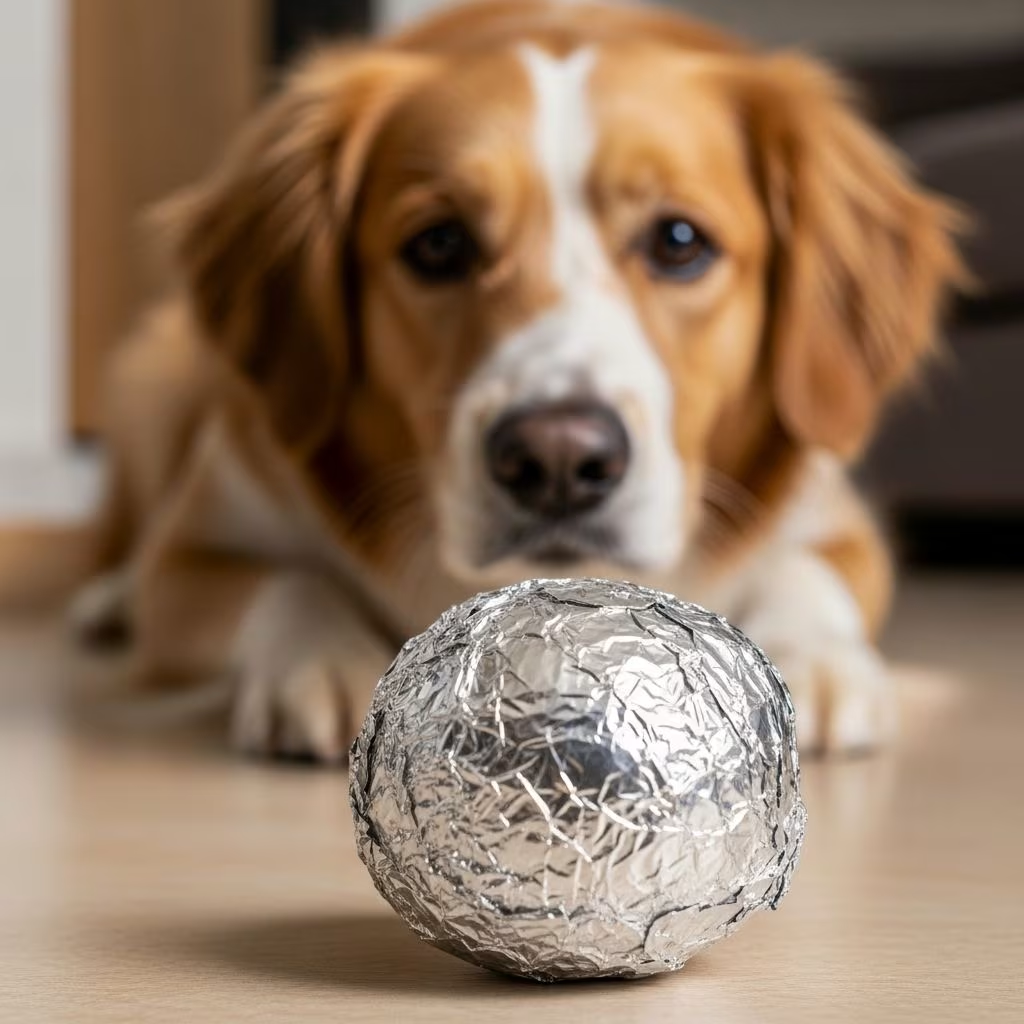
Dogs are naturally curious creatures, and their explorations often lead them to consume items that aren’t intended for consumption. One surprisingly common incident involves dogs eating aluminum foil, whether from discarded food packaging or during scavenging through trash. While this scenario can send pet owners into panic mode, understanding what actually happens when a dog ingests aluminum foil is essential for determining the appropriate response.
Understanding the Aluminum Foil Question: Is It Actually Dangerous?
One of the first questions many concerned pet owners ask is whether aluminum foil is toxic to dogs. The reassuring answer is that aluminum foil itself is not toxic. Aluminum is not classified as a heavy metal, and it does not pose inherent poisoning risks when ingested by canines. This fundamental fact alone alleviates much of the immediate worry that arises when discovering your dog has consumed foil.
However, the non-toxic nature of aluminum does not mean there are zero concerns. While the material itself won’t poison your dog, several circumstances can create genuine health complications. The distinction between “not toxic” and “completely safe” is crucial for pet owners to understand when formulating their response strategy.
What Your Dog Actually Ingested: The Hidden Risk Factor
Perhaps the most significant danger associated with aluminum foil ingestion isn’t the foil itself, but rather what the foil was wrapping. The contents matter far more than the container in most cases. Consider what foods are commonly wrapped in aluminum foil:
- Chocolate-containing baked goods or desserts
- Fatty meats and rich food preparations
- Leftovers that may have spoiled
- Foods seasoned with toxic ingredients like garlic or onions
- Grapes or raisins in certain preparations
Each of these scenarios presents distinct dangers independent of the aluminum foil. For instance, if your dog consumed chocolate wrapped in foil, the primary concern shifts entirely to chocolate toxicity rather than the foil itself. Similarly, fatty foods wrapped in foil can trigger pancreatitis or gastrointestinal distress. Spoiled food poses food poisoning risks that could prove serious depending on the contamination level and your dog’s digestive health.
Physical Complications: When Foil Size Matters
While small amounts of aluminum foil typically pass through a dog’s digestive system without incident, the quantity and form of ingested material significantly impacts potential outcomes. A crucial distinction exists between a dog eating a small piece of foil and one consuming a large, balled-up mass of material.
Small foil ingestion scenarios are generally benign. Many dogs consume tiny fragments without experiencing any noticeable symptoms. The foil passes through the gastrointestinal tract and appears in the dog’s stool, often creating an unusual shiny appearance that owners might notice but that causes no harm.
Large foil ingestion scenarios present more legitimate concerns. When a dog swallows a substantial ball of crumpled foil, the potential for gastrointestinal obstruction increases significantly. The foil’s physical properties—its ability to bunch up and remain compacted—can create blockages in the intestinal tract. As the material travels through the digestive system, it may cause damage to the esophageal lining or intestinal walls, particularly if it has sharp edges or rough surfaces created during crumpling.
Recognizing Warning Signs: Symptoms to Monitor
Following your dog’s consumption of aluminum foil, vigilant observation becomes your most important tool. While most dogs remain completely fine after ingesting foil, certain symptoms warrant immediate veterinary attention. Pet owners should watch closely for the following indicators over the 24–48 hours following the incident:
| Symptom Category | Specific Signs | Severity Level |
|---|---|---|
| Gastrointestinal Distress | Vomiting, diarrhea, constipation, loss of appetite | Medium to High |
| Behavioral Changes | Lethargy, depression, unusual hyperactivity | Medium |
| Physical Discomfort | Abdominal pain, bloating, distension | High |
| Digestive Output | Blood in stool, persistently discolored feces | High |
Some symptoms are more obvious than others. Vomiting is difficult to miss, as is active diarrhea or refusal to eat. Other warning signs prove subtler and require attentive pet ownership to detect. Depression or unusual lethargy might present as your dog simply being quieter than normal or showing less interest in activities they typically enjoy. Bloating and abdominal discomfort might manifest as your dog appearing uncomfortable when lying down or showing reluctance to jump or move.
One particularly important indicator is the presence of blood in your dog’s stool. While small amounts of blood are not uncommon and may result from mild intestinal irritation caused by the foil passing through, persistent or increasing blood warrants veterinary evaluation within 24 hours of first observation.
Immediate Actions: The First 24–48 Hours
Should you discover that your dog has consumed aluminum foil, your initial response significantly influences outcomes. The recommended approach combines monitoring with conservative management strategies.
Step one involves remaining calm. Panic transmits to your dog and can create additional stress that complicates the situation. Unless your dog is visibly choking, in severe pain, or showing signs of acute distress, this situation is manageable through controlled observation rather than emergency response.
Step two requires hydration and nutrition management. Offer your dog small, frequent meals rather than their normal portion sizes. This approach reduces digestive burden while maintaining nutrition. Ensure constant access to fresh water, as maintaining proper hydration supports digestive function and helps move material through the system.
Step three involves stool monitoring. Pay attention to your dog’s bathroom habits and inspect their feces for foil pieces. When small fragments appear in stool, you’ve received visual confirmation that the foil is passing through the system normally. This observation provides reassurance and helps establish a timeline for complete passage.
In most cases, aluminum foil will pass through your dog’s system within one or two days, resolving the situation entirely without intervention.
When Professional Veterinary Care Becomes Necessary
Certain circumstances mandate contacting your veterinarian, either immediately or for a scheduled appointment depending on the urgency level. Understanding these trigger points helps pet owners make informed decisions about care escalation.
Contact your veterinarian immediately if:
- Your dog is actively choking or showing signs of airway obstruction
- Your dog ingested a large quantity of aluminum foil
- The foil was wrapped around foods toxic to dogs, such as chocolate
- Your dog begins vomiting after consuming the foil
- Your dog shows signs of severe abdominal pain
- Blood in the stool persists beyond 24 hours or increases in volume
Schedule a veterinary appointment if:
- Your dog consumed a moderate amount of foil and shows mild symptoms
- Your dog appears lethargic or depressed
- Your dog stops eating or drinking
- Your dog’s abdomen appears visibly bloated
- You’re unsure about the quantity of foil ingested
Veterinary professionals may recommend X-rays to visualize the foil’s location and determine whether surgical intervention is necessary. In many cases, X-ray imaging allows veterinarians to assess whether the foil will pass naturally or whether medical or surgical intervention is required.
Medical Interventions: What Vets Might Recommend
Should veterinary evaluation become necessary, several treatment options exist depending on the clinical situation. Mild cases often resolve with conservative management—simply waiting for the foil to pass naturally while monitoring your dog’s condition.
For cases where the foil appears unlikely to pass on its own, veterinarians may prescribe laxatives to expedite movement through the digestive tract. These medications help stimulate bowel movements and increase the likelihood of natural passage.
More serious situations involving significant quantities of foil or complete gastrointestinal obstruction may require surgical intervention to remove the foreign material. While surgery represents the most invasive option, it becomes necessary when blockages prevent normal digestive function or when the foil threatens to perforate intestinal walls.
The Pica Connection: Habitual Foil Eating
Some dogs develop a concerning pattern of repeatedly eating aluminum foil or other non-food items. This behavior, known as pica, may indicate underlying nutritional deficiencies or gastrointestinal issues that should be investigated. If your dog has consumed aluminum foil on multiple occasions, veterinary consultation becomes more important. Your veterinarian can evaluate whether nutritional imbalances or medical conditions are driving this behavior and recommend appropriate dietary modifications or supplementation.
Frequently Asked Questions About Aluminum Foil Ingestion
How long does aluminum foil typically take to pass through a dog’s system?
In most cases, aluminum foil passes through a dog’s digestive tract within 24–48 hours, though individual variation occurs depending on your dog’s size, digestive health, and the quantity of foil ingested.
Will my dog’s stool look different after eating aluminum foil?
Yes. Many pet owners report that their dog’s stool appears unusually shiny or sparkly after aluminum foil ingestion, creating an almost disco-ball-like appearance. This visual indicator confirms the foil is passing normally through the system.
Is small-breed dog ingestion of foil more serious than large-breed ingestion?
Breed size significantly impacts risk levels. A small piece of foil that poses no concern for a large dog could represent a larger relative quantity for a small breed, increasing obstruction risk and requiring closer monitoring.
What should I do if I see my dog actively choking on aluminum foil?
If your dog is choking, this represents a true emergency requiring immediate action. Attempt to dislodge the foil manually if it’s visible and accessible in the mouth or throat. If unsuccessful, proceed directly to an emergency veterinary clinic without delay, as airway obstruction can rapidly become life-threatening.
Can aluminum foil cause long-term complications if it passes successfully?
In the vast majority of cases, aluminum foil causes no long-term complications once it has successfully passed through the digestive system. However, if your dog repeatedly eats foil, accumulation of material could theoretically occur over time, making pattern intervention important.
Prevention Strategies for the Future
While aluminum foil ingestion often resolves without incident, prevention remains the optimal approach. Secure your trash cans to prevent unauthorized access. Dispose of foil-wrapped food scraps in lidded outdoor containers rather than accessible indoor garbage. During meals, maintain awareness of your dog’s location and activities. Train your dog to avoid scavenging behaviors when possible.
Understanding the actual risks associated with aluminum foil ingestion helps pet owners respond appropriately when these situations occur. Most dogs remain completely fine, but vigilant monitoring and knowledge of warning signs ensure prompt intervention should complications develop.
References
- Help! My Dog ate Aluminum Foil! — Extreme Dog Fence. https://extremedogfence.com/blogs/articles/my-dog-ate-aluminum-foil
- What You Should Do If Your Dog Eats Aluminum Foil — Frenchie Store. https://frenchiestore.com/blogs/pets-blog/what-you-should-do-if-your-dog-eats-aluminum-foil
- My Dog Ate Aluminum Foil! Our Vet Explains What to Do Now — Dogster. https://www.dogster.com/ask-the-vet/my-dog-ate-aluminum-foil
- 10 Signs of an Intestinal Blockage in Dogs and What to Do — CareCredit. https://www.carecredit.com/well-u/pet-care/intestinal-blockage-in-dogs/
- When Your Dog Swallows Something They Shouldn’t — Union Lake Veterinary Hospital. https://unionlakeveterinaryhospital.com/blog/when-your-dog-swallows-something-they-shouldnt



