

Altum Angelfish: A Comprehensive Care Guide
The Altum Angelfish, scientifically known as Pterophyllum altum, stands as one of the most majestic and challenging freshwater fish species available to aquarium enthusiasts. These elongated, triangular-shaped fish originate from the intricate waterways of the Orinoco River Basin in South America, where they navigate through dense aquatic vegetation in slow-moving waters. Their striking vertical stripes, graceful finnage, and impressive height make them a coveted addition to advanced aquariums. However, their care requirements demand attention to detail, consistency, and a thorough understanding of their specific needs. This comprehensive guide will equip you with the knowledge necessary to successfully maintain these magnificent fish in captivity.
Understanding the Altum Angelfish Species
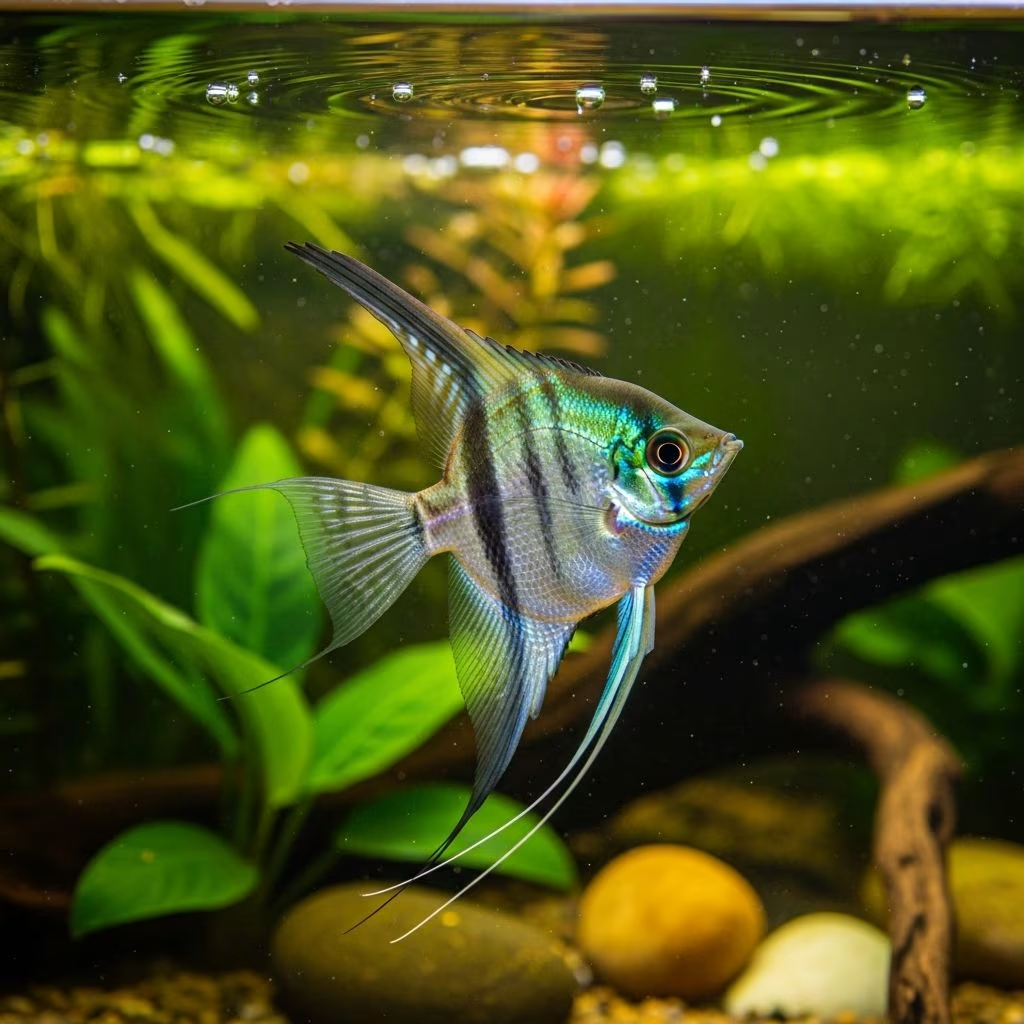
Unlike their smaller cousins, the common angelfish (Pterophyllum scalare), Altum Angelfish possess a notably taller body structure with extended dorsal and anal fins that create an almost sail-like appearance. Adult Altum Angelfish typically reach lengths of 7 inches and heights of approximately 10 inches, making them significantly larger than regular angelfish. Their coloration features distinctive dark vertical bands against a silvery background, with some specimens displaying subtle iridescent hues that shimmer under proper lighting conditions.
The Altum Angelfish is considered a challenging species to maintain, particularly when sourced as wild-caught specimens from the Amazon region. Their difficulty level stems from their specific water parameter requirements and sensitivity to environmental fluctuations. These fish have evolved to thrive in very particular conditions, and any deviation from their natural habitat parameters can result in stress, disease susceptibility, and mortality.
Tank Requirements and Setup
Aquarium Size and Dimensions
One of the most critical factors in successfully keeping Altum Angelfish is providing adequate tank space, particularly vertical space. These fish grow tall rather than long, requiring tall aquariums to accommodate their unique body structure and natural swimming behavior. A minimum aquarium height of 24 inches is recommended, though larger tanks (such as 36-inch tall tanks) provide significantly better results and allow for more natural behaviors.
For a single pair or small group of Altum Angelfish, a tank with dimensions of at least 55 gallons is suitable, but larger volumes provide better stability and water quality maintenance. A general rule suggests adding 10 gallons per additional fish to prevent territorial aggression and competition for space.
Substrate and Décor
Altum Angelfish benefit from soft, smooth substrates that protect their delicate finnage as they navigate the lower portions of the tank. Fine sand or small smooth gravel allows the fish to forage naturally without risking fin damage. The tank should feature an abundance of tall live aquatic plants and vertical driftwood pieces that provide both cover and visual complexity.
These fish thrive in heavily planted environments that simulate their natural Amazonian habitat. Java fern, Amazon sword, and other tall-growing plants serve dual purposes: they consume excess nutrients and provide refuge where the fish can retreat if stressed. Ensure plants are securely anchored to prevent uprooting as the fish dig and navigate their environment.
Lighting Considerations
Altum Angelfish require regular day-night cycles to maintain natural circadian rhythms and overall health. Provide 8 to 12 hours of lighting per day using aquarium LED lights. Avoid excessively bright lighting, as these fish prefer moderate light levels that simulate their native shaded river environments.
Water Parameters and Quality
Critical Water Chemistry
Perhaps the most essential aspect of Altum Angelfish care involves maintaining specific water parameters. These fish require very soft, acidic water that differs significantly from general freshwater aquarium conditions.
| Parameter | Ideal Range |
|---|---|
| pH | 5.0 – 6.5 |
| General Hardness (GH) | 0 – 5 |
| Temperature (°F) | 82 – 90 |
| Temperature (°C) | 28 – 32 |
| Ammonia | 0 ppm |
| Nitrite | 0 ppm |
| Nitrate | Less than 20 ppm |
The most critical aspect of water chemistry is pH stability. Altum Angelfish do not tolerate rapid pH fluctuations; the actual pH value matters less than maintaining consistency. Whether the pH is 5.0 or 6.8, sudden changes can trigger stress responses and illness. Invest in quality pH buffers and test kits to monitor stability regularly.
Water temperature should remain consistently warm, between 82-90°F (28-32°C), reflecting the tropical nature of their native habitat. Use a reliable aquarium heater with a thermostat to prevent temperature swings. These fish are highly sensitive to ammonia and nitrite, which can cause fin burn and potentially lead to death.
Filtration and Water Circulation
Efficient, unobtrusive filtration is essential for maintaining pristine water quality. Utilize gentle water circulation that mimics the slow-moving currents of the Orinoco River rather than strong, turbulent flow. Canister filters or sponge filters provide excellent mechanical and biological filtration without creating excessive water movement that stresses the fish.
Perform regular, modest-sized water changes to maintain water quality and minimize pollutant accumulation. A 25% water change every other week or a 10% change weekly maintains excellent conditions while avoiding drastic parameter shifts.
Nutrition and Feeding
Dietary Requirements
Altum Angelfish maintain specialized dietary needs reflecting their natural habitat and predatory behaviors in the Orinoco River Basin. In captivity, these fish should be fed a diet predominantly comprised of live and frozen foods that emulate their native prey sources.
Ideal food options include:
– Live or frozen brine shrimp (Artemia nauplii)- Daphnia- Small aquatic insects- Mosquito larvae- Bloodworms- Small live or frozen fish- Krill
High-quality fish pellets and flakes formulated specifically for carnivorous fish serve as supplementary components of their diet. While some aquarists have success with frozen foods exclusively, live foods often produce superior results in terms of fish coloration, vigor, and natural feeding responses.
Feeding Schedule and Best Practices
Feed Altum Angelfish multiple times daily in smaller portions rather than one large feeding. A practical approach involves feeding two to three times daily with amounts the fish can consume within 2-3 minutes. Remove uneaten food promptly to prevent water quality degradation, as rotting food decomposes rapidly and creates ammonia spikes.
Providing diverse, protein-rich foods ensures comprehensive nutrition and maintains the health, vibrancy, and vitality of your Altum Angelfish.
Tank Mates and Compatibility
Altum Angelfish can coexist with various compatible species, though careful selection is important. Suitable tank mates include:
– Tetras (black skirt tetras, cardinal tetras, rummy nose tetras)- Bleeding heart tetras- Other peaceful community fish
Ensure that tank mates are not excessively small, as Altum Angelfish may consume tiny fish. Avoid aggressive or fast-feeding species that compete aggressively for food. The deliberate, methodical feeding style of Altum Angelfish means they may be outcompeted by faster, more aggressive feeders.
Breeding Altum Angelfish
Breeding Conditions
Breeding Altum Angelfish in home aquariums presents a challenging endeavor requiring specific environmental conditions and careful management. Successful breeding necessitates maintaining a tank with very soft and acidic water conditions. The aquarium should be equipped with various potential spawning sites, such as broad-leaved aquatic plants and vertically positioned flat slate pieces against the rear glass.
Pre-Spawning and Spawning Behavior
During the pre-spawning phase, both male and female Altum Angelfish will exhibit breeding tubes located between their ventral and anal fins. Once the spawning process commences, it is imperative not to disturb the aquarium, allowing the parents to diligently tend to the eggs by gently fanning them with their pectoral fins.
Egg Development and Fry Care
Approximately 2 to 3 days after spawning, the eggs will hatch into “wrigglers”—fry that cannot yet swim freely. Within an additional 4 to 5 days, the fry become free-swimming. At this developmental stage, juvenile fish can be introduced to a diet of baby brine shrimp (Artemia nauplii).
For optimal fry growth and survival rates, hatching live baby brine shrimp provides superior nutrition compared to prepared foods. The yolk sacs of newly-hatched brine shrimp contain exceptional nutritional value, and their jerky swimming motions trigger feeding responses in young fish. Supplementary prepared foods like Hikari First Bites powder and Easy Fry food can support growth when combined with live foods.
Health Considerations and Acclimation
Sensitivity to Disease
Pterophyllum altum specimens are particularly sensitive to bacterial infections, especially during the initial months of captivity. Wild-caught specimens live in highly acidic environments with low bacterial loads in their native habitat. Once transferred to captivity, they require preventative measures and careful monitoring.
Wild-caught Altum Angelfish should be kept at low pH values and treated against parasites preventively to minimize infection risk. Once acclimated Altum Angelfish become ill, recovery can be extremely difficult; therefore, prevention through excellent water quality and consistent parameters is paramount.
Acclimation Protocol
Acclimating Altum Angelfish properly reduces stress and disease risk. Wild-caught specimens require gradual acclimation to new water parameters over several hours using the drip method. This slow introduction allows their bodies to adjust to new pH, temperature, and hardness levels without triggering shock responses.
Common Mistakes to Avoid
Successful Altum Angelfish keeping depends on avoiding common pitfalls:
– Inadequate tank height: Provide minimum 24-inch tanks, preferably taller- pH fluctuations: Maintain consistent pH regardless of the specific value- Poor water quality: Perform regular water changes and maintain pristine conditions- Inappropriate tank mates: Select peaceful species of appropriate size- Overfeeding: Feed multiple small meals rather than large single feedings- Sudden parameter changes: Make gradual adjustments when needed- Glass-surfing behavior: Position the tank where fish see you approaching, reducing startlement and resulting collisions
Environmental Behavior and Habituation
Altum Angelfish are known for exhibiting darting behaviors and sometimes striking the glass hard when startled, which can result in injury or death. Position your aquarium in a location where the fish can see you approaching, allowing them time to acclimate visually and reducing panic responses.
These intelligent fish become accustomed to routines and human activity with consistent exposure. The more they adapt to regular movements and feeding schedules, the better they tolerate the presence of people and adjust to captive life.
Frequently Asked Questions (FAQs)
Q: How large do Altum Angelfish grow?
A: Altum Angelfish typically reach lengths of 7 inches and heights of approximately 10 inches, making them significantly larger than common angelfish species.
Q: What is the minimum tank size for Altum Angelfish?
A: A minimum of 55 gallons with a height of at least 24 inches (preferably 36 inches or taller) is recommended. Tank height is more critical than footprint area.
Q: Can Altum Angelfish tolerate pH changes?
A: No. Altum Angelfish require consistent pH levels. Rapid pH fluctuations cause stress regardless of whether the pH is acidic or slightly higher; stability is what matters.
Q: What foods do Altum Angelfish prefer?
A: They primarily eat live and frozen foods including brine shrimp, Daphnia, mosquito larvae, and bloodworms. High-quality carnivorous pellets and flakes serve as supplements.
Q: How often should I feed Altum Angelfish?
A: Feed multiple times daily (2-3 times) in small portions that the fish consume within 2-3 minutes. Remove uneaten food promptly.
Q: Are Altum Angelfish difficult to breed?
A: Yes. Breeding requires maintaining very soft, acidic water and specific environmental conditions. Success is not guaranteed even with proper setup.
Q: What compatible species can live with Altum Angelfish?
A: Tetras (cardinal, rummy nose, black skirt), bleeding heart tetras, and other peaceful fish of appropriate size work well. Avoid small species that may become prey.
Q: Why are wild-caught Altum Angelfish harder to keep?
A: Wild specimens come from highly acidic environments with low bacterial loads. They require preventative parasite treatment and careful acclimation to adapt to captive conditions.
References
- Altum Angelfish Care — MonsterFishKeepers.com. Accessed 2025. https://www.monsterfishkeepers.com/forums/threads/altum-angelfish-care.727079/
- Altum Angelfish Fish Profile & Care Guide — Aquadiction. Accessed 2025. https://aquadiction.world/species-spotlight/altum-angelfish/
- Care Guide for Your Angel Fish — Splashy Fish Store. Accessed 2025. https://splashyfishstore.com/blogs/fish-keeping-101/care-guide-for-your-angelfish
- How To Care For Altum Angelfish — YouTube. Accessed 2025. https://www.youtube.com/watch?v=_YfzXtbtSkM
- Care Guide for Freshwater Angelfish – The Feisty Angel of the Aquarium — Aquarium Coop. Accessed 2025. https://www.aquariumcoop.com/blogs/aquarium/angelfish-care-guide
- Altum Angels, Care and Housing — SimplyDiscus Forum. Accessed 2025. https://forum.simplydiscus.com/forum/main-discus-topics/general-discus-discussion/97736-altum-angels-care-and-housing



