

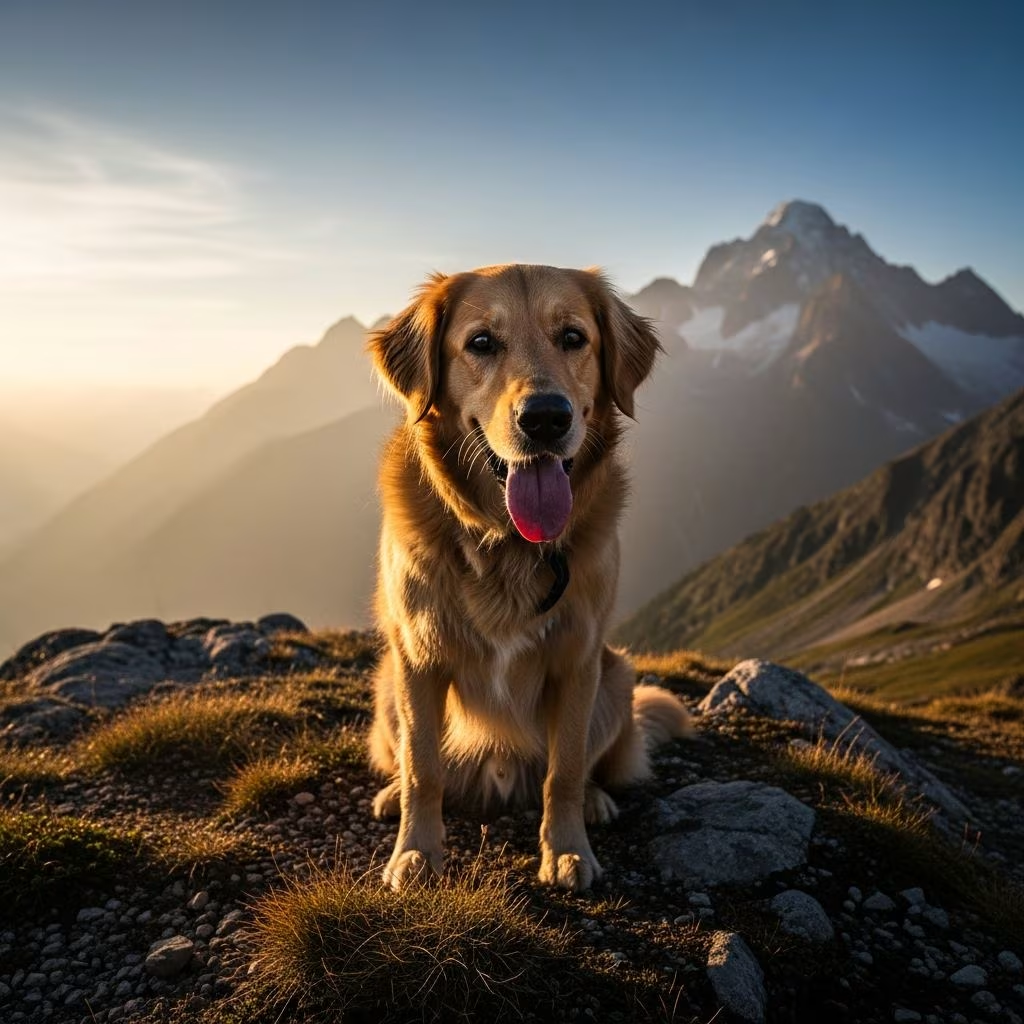
Altitude sickness, or hypoxia, strikes dogs when they ascend to high elevations where oxygen levels drop and air pressure decreases, challenging their respiratory and cardiovascular systems. Pet owners planning mountain hikes or trips to elevated areas must recognize this condition to ensure their dog’s safety and well-being.
Understanding the Science Behind High-Altitude Challenges for Canines
At sea level, dogs breathe air rich in oxygen, but above 8,000 feet, the partial pressure of oxygen falls, meaning less oxygen reaches the bloodstream with each breath. This forces the heart to pump faster and lungs to work harder, potentially leading to acute mountain sickness if adaptation fails. Brachycephalic breeds like Pugs and Bulldogs face heightened risks due to their short snouts, which already limit airflow, while puppies and seniors have less physiological reserve to cope.
The body attempts compensatory mechanisms, such as hyperventilation—increased breathing rate—to boost oxygen intake. However, rapid ascent prevents full acclimatization, where the body produces more red blood cells to carry oxygen efficiently. Full adjustment can take days to weeks, depending on elevation and individual health.
Key Risk Factors That Heighten Vulnerability
Not all dogs react the same way to altitude changes. Certain factors amplify susceptibility:
- Pre-existing Conditions: Dogs with heart disease, chronic respiratory issues like bronchitis, or collapsing trachea struggle more as thin air exacerbates oxygen deficits.
- Breed Predispositions: Flat-faced breeds experience compounded breathing difficulties.
- Age Extremes: Young puppies and older dogs lack the resilience for quick adaptation.
- Rapid Travel: Flying or driving straight to high peaks without stops skips vital acclimation time.
- Dehydration and Exertion: Low humidity at altitude plus strenuous hikes worsens symptoms.
Owners should assess their dog’s fitness via a pre-trip vet check, especially for those with known issues.
Recognizing Early Warning Signs
Symptoms emerge gradually, starting mild and escalating if ignored. Vigilance during the first 24-48 hours at elevation is crucial.
Mild Indicators to Monitor
- Excessive panting or rapid, shallow breaths as the body compensates for low oxygen.
- Lethargy or unwillingness to move, play, or follow usual routines.
- Reduced appetite or refusal of food and water, often paired with nausea.
- Increased drooling or dry coughing from respiratory strain.
Advanced and Critical Symptoms
If unaddressed, altitude sickness progresses to severe forms like high-altitude pulmonary edema (fluid in lungs) or cerebral edema (brain swelling). Watch for:
- Vomiting, diarrhea, or bloody nosebleeds from systemic stress.
- Pale or blue gums (cyanosis), signaling critical oxygen starvation—emergency!
- Swelling in paws, face, or limbs; disorientation; collapse.
- Ataxia (wobbling gait) or seizures in extreme cases.
| Symptom Severity | Common Signs | Action Required |
|---|---|---|
| Mild | Panting, lethargy, no appetite | Rest, hydrate, monitor |
| Moderate | Vomiting, coughing, drooling | Descend slightly, vet consult |
| Severe | Cyanosis, collapse, swelling | Immediate descent, emergency vet |
Prevention Strategies for Safe Elevation Travel
Proactive steps minimize risks, allowing enjoyable outings without health scares.
- Gradual Acclimation: Ascend slowly over days. For trips above 8,000 feet, spend 1-2 days at intermediate elevations (e.g., 5,000-7,000 feet).
- Hydration Focus: Offer frequent small amounts of water; dehydration thickens blood, impairing oxygen delivery.
- Limit Exertion: Avoid intense hikes initially. Short, easy walks help adaptation without overload.
- Pre-Trip Prep: Vet exam rules out vulnerabilities. Consider oxygen supplements or meds for at-risk dogs, per professional advice.
- Environmental Aids: Use portable oxygen cans if available; keep cool as heat compounds panting.
For short stays, symptoms may resolve in days; longer visits allow fuller acclimation up to 1-3 weeks.
Immediate Response and Treatment Protocols
Act swiftly at symptom onset:
- Descend Promptly: Drop 1,000-2,000 feet immediately; symptoms often abate quickly.
- Supportive Care: Provide rest in shade, fresh water, and bland food if eating resumes.
- Veterinary Intervention: For severe signs, seek emergency care. Treatments include oxygen therapy, anti-inflammatories, or diuretics for edema.
Most cases resolve with descent and rest, but monitor for 48 hours post-recovery to catch rebounds.
Special Considerations for High-Risk Dogs
Vulnerable groups need tailored plans:
- Brachycephalic Breeds: Extra caution; consider leaving at lower elevations if possible.
- Seniors or Ill Dogs: Vet clearance mandatory; oxygen therapy pre-trip may help.
- Puppies: Delay high-altitude exposure until mature.
Owners of active breeds like Huskies may push limits, but always prioritize health over adventure.
FAQs: Common Questions on Canine Altitude Sickness
What elevation triggers symptoms in dogs?
Typically above 8,000 feet, though sensitive dogs may show signs at 5,000 feet. Severity increases beyond 11,500 feet.
How long for a dog to acclimate?
Short trips: 2-3 days partial adjustment. Extended stays: 1-3 weeks for optimal adaptation.
Can medication prevent it?
Consult vets for acetazolamide-like drugs in humans, but canine protocols vary; not standard without exam.
Is flying worsening?
Yes, cabin pressure plus rapid change heightens risk; drive with stops instead.
What if symptoms linger after descent?
Persistent issues warrant vet visit to rule out complications like pneumonia.
Long-Term Health Implications and Recovery
Most dogs recover fully without sequelae, but repeated episodes stress the heart and lungs, potentially leading to chronic issues. Post-trip, maintain light exercise and hydration to aid rebound. Annual vet checks for mountain enthusiasts catch emerging problems early.
High-altitude trips build resilience in healthy dogs over time, but overambition risks irreversible damage. Balance exploration with caution for lifelong companionship.
References
- What is Altitude Sickness in Dogs and How to Avoid It — Pawprint Oxygen. 2023. https://pawprintoxygen.com/blogs/healthy-paws/what-is-altitude-sickness-in-dogs
- Can Dogs Get Altitude Sickness? — Volhard Dog Nutrition. 2023. https://www.volharddognutrition.com/blog/can-dogs-get-altitude-sickness/
- Can Pets Get Altitude Sickness? — Lone Tree Veterinary Clinic. 2023. https://www.lonetreevet.com/blog/can-pets-get-altitude-sickness/
- High Altitude and Dogs — The Honest Kitchen. 2023. https://www.thehonestkitchen.com/blogs/pet-tips-training/high-altitude-and-dogs
- Dog Altitude Sickness Signs After Hike — Dial A Vet. 2023. https://www.dialavet.com/vet-answers/dog-altitude-sickness-signs-after-hike-299178
- Taking Fido To The Mountains — Wadsworth Animal Hospital. 2022-12-01. https://wadsworthanimalhospital.com/2022/12/01/wheat-ridge-co-vets-taking-fido-to-the-mountains/



