

Alternative Pet Therapy for Dogs: A Comprehensive Guide to Holistic Healing
As pet owners, we constantly seek the best ways to keep our dogs healthy and comfortable. While conventional veterinary medicine remains essential, many dog owners are turning to alternative pet therapy to complement traditional treatments and enhance their dogs’ overall wellness. These therapies offer unique approaches to managing pain, improving mobility, and promoting healing without relying solely on medications or invasive procedures.
Rather than choosing one style of medicine over another, many veterinarians now recommend complementary therapies like acupuncture, chiropractic care, and massage in addition to conventional care.1 When combined with traditional Western methods, these alternative remedies can provide a holistic, multi-modal approach to overall pet wellness that addresses your dog’s specific health needs.
Understanding Alternative Pet Therapy
Alternative pet therapy encompasses various treatment modalities designed to support healing and improve quality of life. These therapies work best when integrated with conventional veterinary care rather than used as complete replacements. The integrative approach gives pet owners the widest range of tools to support their dog’s health and addresses the root causes of illness rather than just symptoms.
Before pursuing any alternative therapy, it’s crucial to consult with your veterinarian. They can help determine which therapies suit your dog’s specific conditions and ensure treatments don’t interfere with any existing medications or conventional treatments.
Acupuncture: Ancient Healing for Modern Dogs
Acupuncture is one of the most recognized alternative therapies for dogs. This 3,000-year-old practice has gained serious credibility in veterinary medicine, with the American Veterinary Medical Association recognizing it as a legitimate treatment option.2 The practice involves inserting thin needles at specific points along your dog’s body to stimulate energy flow and promote healing.
Most dogs tolerate acupuncture remarkably well. The needles are hair-thin and cause minimal discomfort, and many dogs actually relax during sessions, sometimes even falling asleep on the treatment table. The potential sedative effects of acupuncture make it a great adjunct treatment for canine anxieties, fears, and phobias.1
Acupuncture works best for chronic conditions like arthritis, hip dysplasia, and anxiety. Expect to see gradual improvement over 4-6 sessions rather than immediate results.2 Like many therapies, acupuncture often requires consecutive treatments for optimal results and works best when combined with other treatment modalities, depending on your dog’s specific needs. Work with your veterinarian to find a reputable, certified veterinary acupuncturist near you.
Hydrotherapy: Physical Therapy in Water
Canine hydrotherapy is a beneficial alternative to high-impact exercise for dogs with chronic bone conditions or crippling injuries, such as arthritis or cruciate ligament trauma.3 Hydrotherapy is exactly what it sounds like: physical therapy in water. It’s recommended for dogs who need low-impact exercise, whether they’re recovering from injury or surgery; suffering from joint issues or arthritis; or are simply older or overweight and in need of safe cardiovascular activity.
During a typical hydrotherapy session, your dog will be guided into a pool of heated water and led through 15-30 minutes of swimming. The warmer temperature helps soothe muscles and joints, and depending on your dog’s comfort level and swimming ability, a harness or life jacket may be used to help keep them level and above water.4
During therapy, your dog is assisted in and out of a pool to minimize body stress and possible injury. A dog harness is frequently used to help your dog maintain an above-water position. Some hydrotherapy treatments include using underwater resistance jets to create a current for the dog to swim against.3
Underwater treadmill therapy is a form of hydrotherapy where the dog walks against the force of the water to build muscle. Like water aerobics, moving through water is gentle on joints while requiring muscles to work hard. This type of hydrotherapy has become more popular because it requires only a small tank, not a full-size pool.3
The water’s buoyancy supports weight-bearing joints, allowing comfortable and safe movement, while the resistance enhances muscle toning and cardiovascular health.5 Hydrotherapy helps build muscle, improve mobility, increase circulation, and decrease stress, plus it’s a great workout! If your dog is suffering from a degenerative condition or could stand to lose some weight, ask your veterinarian for a referral to a hydrotherapy pool in your area.
Chiropractic Care: Realignment and Balance
Pet chiropractors sometimes relieve a pet’s malaise by realigning and balancing their body. In chiropractic therapy, the veterinarian uses manipulation to realign and adjust the bones. The basis for chiropractic therapy is balancing the body’s circulation and energy flow—once that is initiated, the body’s innate ability to heal itself will take over and finish healing what manipulation therapy started.3
You’ll see an almost immediate change; your pet will start to feel better right away. However, it’s important to note that several therapeutic adjustments are usually necessary, because there is memory in the joints.3 Chiropractic adjustment is particularly beneficial for dogs with back pain and mobility issues, typically requiring 2-6 sessions depending on the condition.
Massage Therapy: Healing Through Touch
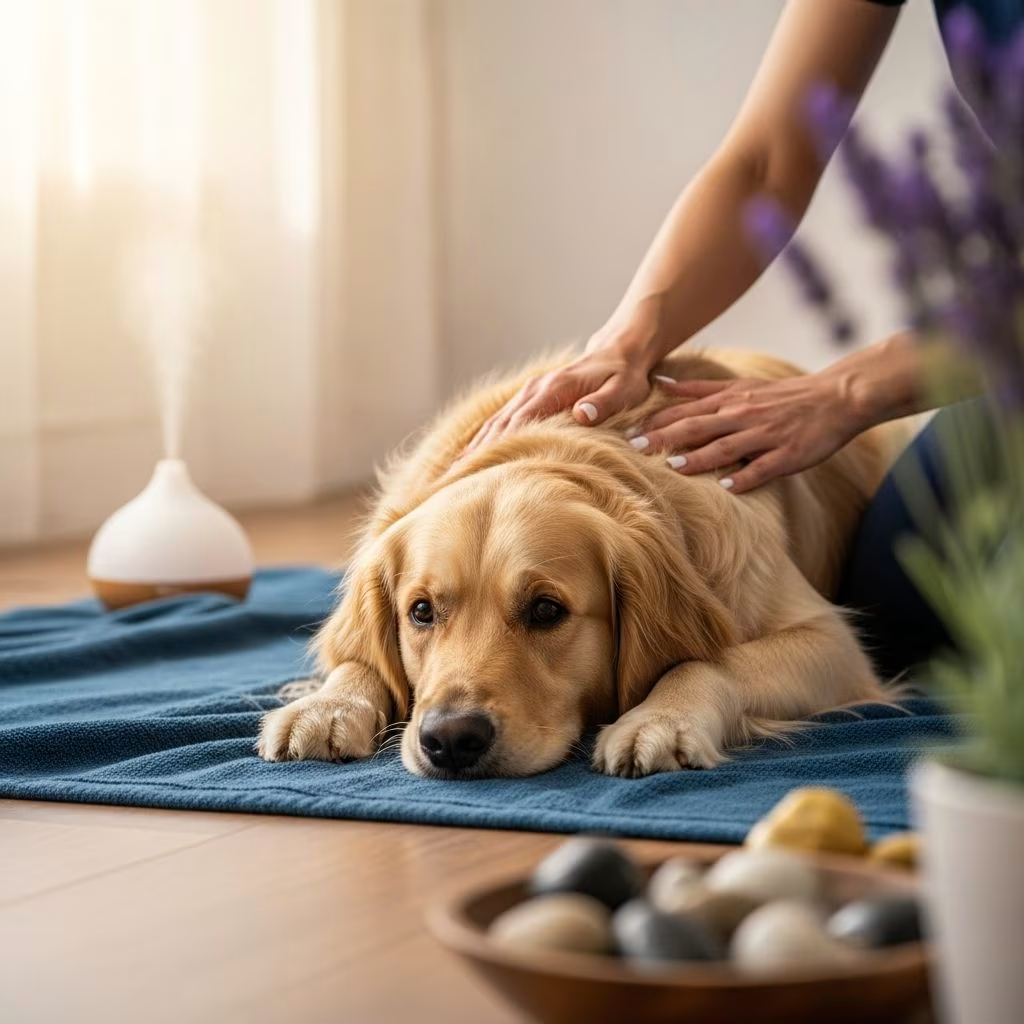
Canine massage therapy goes beyond simple petting. Trained practitioners use specific techniques to improve circulation, reduce muscle tension, and promote relaxation. The best part? You can learn basic massage techniques to practice at home.2
Research shows that regular massage can lower cortisol levels in dogs, reduce anxiety, and speed recovery from injuries.2 Massage therapy may help prevent injuries and is particularly beneficial for senior dogs with arthritis or athletes recovering from intense activity. This therapy is ongoing and very safe, making it owner-friendly and accessible for most dog owners.
Rehabilitation Therapy
Rehabilitation therapy for pets is a complementary pet therapy that utilizes an understanding of the relationships between the bones, muscles, tendons, ligaments, and nerves in the body. Veterinary rehabilitation therapists are able to apply this understanding and improve the health and functioning of their patients through techniques that include therapeutic massage, stretching, range of motion, strengthening exercises, laser therapy, and neuromuscular electrostimulation.6
This comprehensive approach helps dogs recover from surgery, manage chronic conditions, and improve overall physical function and mobility.
Laser Therapy and Other Advanced Treatments
Laser therapy is an advanced alternative therapy that has shown promising results for dogs. Laser therapy is most often used to enhance healing from injuries and wounds or to treat chronic joint and connective tissue conditions.4
Hyperbaric Oxygen Therapy (HBOT) is another innovative treatment option. HBOT involves exposing pets to 100% oxygen at a pressure greater than atmospheric pressure, enhancing the body’s natural healing process. It can accelerate healing in various conditions, from wounds to neurological disorders.5
Herbal Medicine and Nutritional Therapy
Chinese Herbal Medicine uses herbal ingredients in particular combinations or formulas to treat particular disease patterns and is best used in conjunction with Western veterinary medicine to treat chronic conditions.4 Herbal supplements can address digestive issues and inflammation but require veterinary supervision to ensure proper dosing and safety.
Nutritional therapy is another important component of holistic care. Diet plays a crucial role in managing inflammation, supporting joint health, and promoting overall wellness in dogs. Working with your veterinarian to develop a nutritionally balanced diet tailored to your dog’s specific health needs can enhance the effectiveness of other alternative therapies.
Additional Alternative Therapies
Beyond the primary therapies, several other complementary options can offer additional benefits:
- Stem Cell Therapy: An emerging treatment that uses the body’s own cells to promote healing and regeneration, particularly for joint and tissue damage.
- PRP (Platelet Rich Plasma) Treatments: Uses concentrated platelets from your dog’s own blood to accelerate healing and reduce inflammation in injured tissues.
- Magnetic Field Therapy: Uses magnetic fields to treat illness or injury, most often used to enhance healing from injuries and wounds. While not widely popular among medical professionals, it is inexpensive, non-invasive, has virtually no side effects, and many dog owners report success with this therapy.
- Homeopathy: Uses highly diluted natural substances to stimulate your dog’s healing response, working particularly well for chronic conditions and emotional imbalances.
- Aromatherapy: Uses diluted essential oils to promote emotional balance and physical healing, though care must be taken as many essential oils are toxic to canines.
- Sound Therapy: Uses specific frequencies and music to promote relaxation and healing, with classical music shown to reduce stress hormones in dogs.
Comparison of Common Alternative Therapies
| Therapy | Best For | Treatment Duration | Safety Level |
|---|---|---|---|
| Acupuncture | Chronic pain, arthritis, anxiety | 4-8 sessions | Very safe with certified practitioner |
| Chiropractic | Back pain, mobility issues | 2-6 sessions | Safe with veterinary chiropractor |
| Massage | Muscle tension, stress, recovery | Ongoing | Very safe, owner-friendly |
| Hydrotherapy | Joint issues, arthritis, post-surgery recovery | Ongoing as needed | Very safe with proper supervision |
| Herbal Medicine | Digestive issues, inflammation | Varies by condition | Requires veterinary supervision |
| Laser Therapy | Wound healing, joint pain | Multiple sessions | Safe with qualified practitioner |
Integrative Care: The Best of Both Worlds
The most successful approach to holistic dog care often involves combining natural therapies with conventional veterinary medicine. This integrative model gives you the widest range of tools to support your dog’s health and addresses multiple aspects of their condition simultaneously.
Consider a dog with arthritis. Conventional treatment might include anti-inflammatory medications for pain management. An integrative approach adds acupuncture for natural pain relief, massage to improve circulation, and dietary changes to reduce inflammation—all working together for better outcomes. When used in conjunction with other treatments, alternative therapies for pets can have incredible results.
Frequently Asked Questions
Q: Is alternative pet therapy safe for all dogs?
A: Most alternative therapies are safe when performed by qualified, certified practitioners. However, always consult your veterinarian first, especially if your dog is taking medications or has existing health conditions.
Q: How long does it take to see results from alternative therapy?
A: Results vary depending on the therapy and your dog’s condition. Some therapies like chiropractic adjustment may show immediate improvement, while others like acupuncture typically require 4-6 sessions to see gradual results.
Q: Can alternative therapies replace conventional veterinary medicine?
A: No. Alternative therapies are designed to complement, not replace, conventional veterinary care. An integrative approach combining both types of treatment typically yields the best outcomes.
Q: How do I find a qualified alternative veterinary practitioner?
A: Ask your primary veterinarian for referrals. Look for practitioners with certifications from recognized organizations and check their credentials and experience in treating dogs.
Q: Are alternative therapies covered by pet insurance?
A: Some pet insurance plans cover alternative therapies, but coverage varies significantly. Check your policy or contact your insurance provider to understand what alternative treatments are covered.
Q: What should I expect during my dog’s first alternative therapy session?
A: Your dog will be evaluated for their specific condition. The practitioner will explain the treatment plan, answer questions, and perform an initial session while monitoring your dog’s response and comfort level.
References
- An Integrative Approach: 4 Alternative Therapies That Benefit Dogs — Vet Naturals. 2024. https://blog.vetnaturals.com/an-integrative-approach-4-alternative-therapies-that-benefit-dogs/
- Holistic Healing for Dogs: 7 Natural Methods That Work — Rubyloo. 2024. https://rubyloo.co/blogs/news/holistic-healing-for-dogs
- 3 Alternative Veterinary Care Treatments to Consider — PetMD. https://www.petmd.com/dog/wellness/evr_multi_alternative_veterinary_treatments
- Top 6 Holistic Therapies for Dogs — Dip’n Dogs Canine Swimming. https://www.dipndogs.com/blog/top-6-holistic-therapies-for-dogs
- Alternative Therapies for Pets: What Works and What Doesn’t — Rehab Vet. 2024. https://rehabvet.com/blog/alternative-therapies-for-pets-what-works-and-what-doesnt/
- Exploring Alternative Therapies for Pets: Acupuncture, Hydrotherapy and More — West Virginia Veterinary Center. https://www.wvcvet.com/blog/exploring-alternative-therapies-for-pets-acupuncture-hydrotherapy-and-more/



