

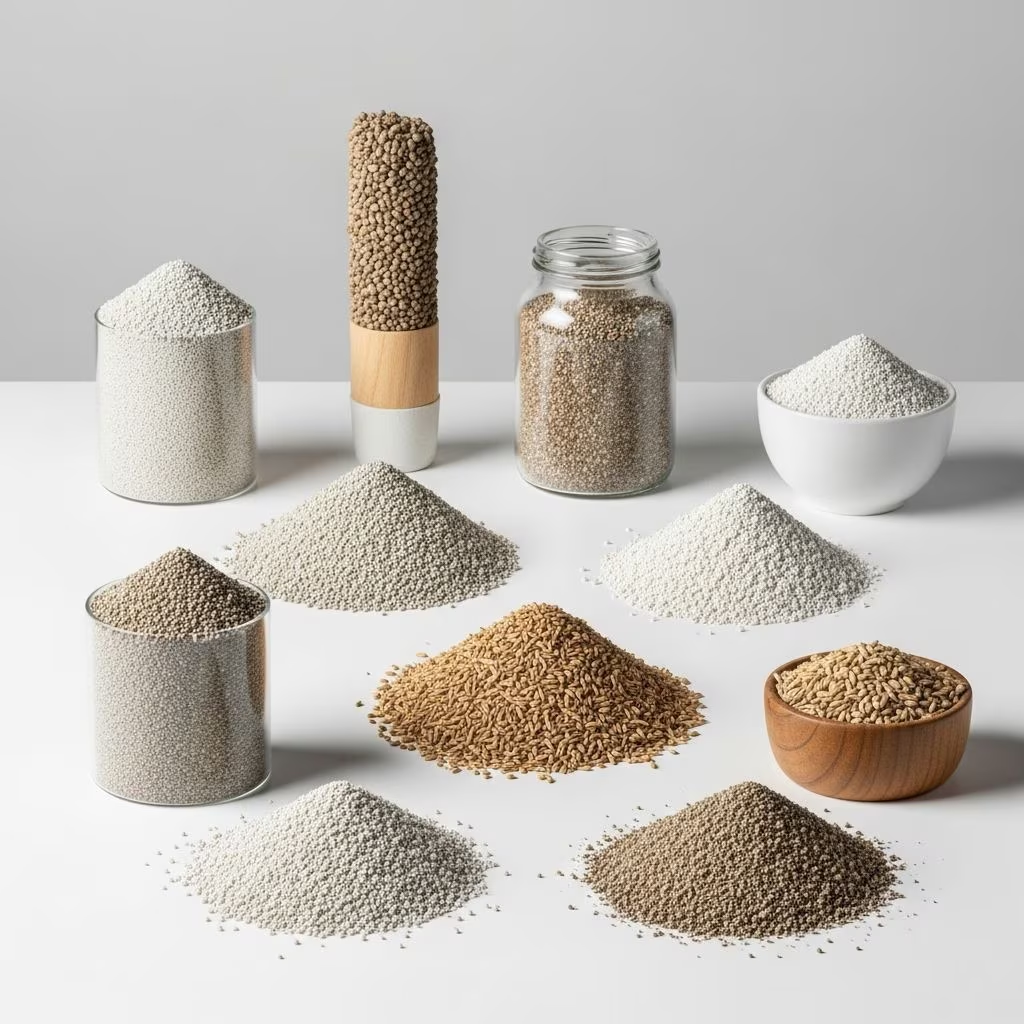
7 Alternative Options to Clay Cat Litter
Traditional clay cat litter has been a staple in households with feline companions for decades. However, many cat owners are now seeking alternatives that are better for their cats’ health, safer for their families, and more environmentally sustainable. Clay litter, particularly bentonite-based varieties, can produce significant dust that may irritate respiratory systems and isn’t biodegradable, making it problematic for landfills. Fortunately, the pet care market has evolved substantially, offering numerous alternatives that address these concerns while maintaining or even improving upon the performance of conventional clay litter.
Whether you’re motivated by environmental concerns, health considerations for your cat, allergies in your household, or simply seeking better odor control and clumping performance, there’s likely an alternative cat litter option that meets your needs. This comprehensive guide explores seven excellent alternatives to clay cat litter, examining their unique benefits, potential drawbacks, and how to determine which option might be best suited for your specific situation.
1. Tofu Cat Litter
Tofu cat litter represents one of the newest and most innovative additions to the cat litter market, rapidly gaining popularity among environmentally conscious pet owners and those prioritizing their cats’ health. Made from soybean fiber, tofu litter is completely natural, biodegradable, non-toxic, and virtually dust-free, making it an excellent choice for cats and owners with respiratory sensitivities.
Key Benefits of Tofu Litter
One of the most significant advantages of tofu cat litter is its exceptional clumping ability. Most tofu litter brands feature low-tracking pellets that form firm clumps, making scooping straightforward and efficient. Additionally, tofu litter is flushable, offering a convenient disposal method that reduces landfill waste. The lightweight nature of tofu pellets makes handling and cleaning the litter box less demanding, which is particularly appealing for individuals with mobility concerns or arthritis.
The dust-free composition of tofu litter provides a cleaner environment for both cats and their owners, reducing the risk of inhalation-related health issues. For households with multiple cats or those concerned about respiratory conditions, this feature makes tofu litter particularly attractive. The litter’s natural composition also means it’s safe if accidentally ingested by curious kittens.
Considerations and Cost
The primary hesitation many cat owners have regarding tofu litter is its higher price point compared to conventional clay options. However, this investment often proves economical in the long term because the superior absorbency and clumping performance mean you’ll use less product overall. A single bag of quality tofu litter typically lasts longer than multiple bags of standard clay litter, ultimately making it a cost-effective choice for budget-conscious owners willing to make an upfront investment.
2. Pine Wood Pellet Litter
Pine wood pellet litter offers an excellent eco-friendly alternative to clay-based litters, derived from compressed pine wood sourced from sustainable forests. This natural option provides superior absorption capabilities, with the compressed pine quickly transforming into sawdust when exposed to moisture.
Advantages of Pine Pellets
The natural scent of pine provides excellent odor control, helping maintain a fresh-smelling litter box without artificial fragrances or chemical additives. Pine pellet litter is virtually dust-free, creating a cleaner environment for both feline and human household members. The material is completely biodegradable and can be safely composted, making it an environmentally responsible choice that significantly reduces your household’s ecological footprint.
Pine pellets are lightweight and easy to handle, reducing physical strain during litter box maintenance. For cats, the texture and scent can be appealing, as pine provides a natural substrate similar to their instinctive preferences.
Potential Drawbacks
Some cats may require an adjustment period to accept pine pellets if they’re accustomed to traditional clay litter. Additionally, pine litter may not provide the same level of odor control as some other alternatives if you have multiple cats. The granule size can also lead to tracking in some cases, requiring additional vacuuming or mat placement around the litter box.
3. Wheat-Based Litter
Wheat-based cat litter is manufactured from reclaimed wheat crop byproducts, making it a renewable and sustainable alternative to clay-based litters. This option transforms agricultural waste into a functional pet product, reducing overall environmental impact while providing an effective litter solution.
Why Cats Prefer Wheat Litter
Cats appear to enjoy the soft texture of wheat-based litter, which closely resembles natural soil and appeals to feline instincts. This similarity to natural substrates means many cats transition readily to wheat litter without resistance. The soft texture is also gentler on sensitive paw pads, reducing discomfort during extended litter box use.
Performance Characteristics
Wheat-based litter clumps exceptionally well when exposed to moisture, making scooping straightforward and efficient. The litter is flushable, providing a convenient and hygienic disposal method that reduces landfill contributions. Many wheat-based litters are formulated without harmful chemicals, making them safe for cats and significantly reducing the risk of respiratory issues caused by dust.
The chemical-free composition is particularly beneficial for kittens, senior cats, or those with compromised immune systems. Wheat litter produces minimal dust compared to traditional clay options, creating a healthier environment for cats prone to respiratory sensitivities.
4. Paper-Based Litter
Paper-based cat litter represents one of the most eco-conscious options available, manufactured entirely from recycled paper products. This alternative transforms waste materials into a functional pet product, making it an excellent choice for environmentally dedicated cat owners.
Environmental and Health Benefits
The primary advantage of paper-based litter is its minimal environmental impact. By utilizing recycled materials, paper litter prevents waste from entering landfills while supporting sustainable consumption practices. The litter is virtually dust-free, providing a cleaner and healthier environment for cats, and is particularly beneficial for feline family members with respiratory sensitivities or chronic conditions like asthma.
Comfort and Performance
The soft texture of paper-based litter is exceptionally gentle on cats’ sensitive paw pads, ensuring comfort during litter box use. Despite its soft composition, paper litter offers excellent absorption and effectively clumps to make cleaning effortless. The odor control is generally adequate for single-cat households, though multiple cats may require more frequent scooping.
5. Corn-Based Litter
Corn-based cat litter is a renewable and eco-friendly option manufactured from natural corn sources. Known for its biodegradable and compostable nature, corn litter is a popular environmentally-friendly choice that helps reduce your household’s environmental footprint.
Performance and Odor Control
When corn-based litter comes into contact with moisture, it forms tight clumps that significantly simplify cleanup and enhance odor control. The natural composition makes it gentle on delicate cat paws while being virtually dust-free, helping minimize the risk of respiratory issues in feline companions. Many brands, such as World’s Best Cat Litter, offer flushable formulations, though odor control can be variable depending on the specific product and number of cats in the household.
Tracking and Considerations
Corn-based litter is prone to tracking due to its lightweight pellets and smaller granule size. This means litter particles may be carried outside the box on cats’ paws more readily than with heavier alternatives. Despite this minor inconvenience, the environmental benefits and performance make corn litter an attractive option for many households.
6. Coconut Coir Litter
Derived from natural coconut husks, coconut coir litter is an eco-friendly and sustainable option that offers multiple benefits for both cats and their owners. This material is completely biodegradable and represents responsible use of agricultural byproducts.
Absorbency and Odor Management
Coconut coir litter possesses exceptional absorbency that effectively locks in moisture, preventing odors and ensuring a fresh-smelling litter box over extended periods. The high absorbency means less frequent scooping is required, reducing maintenance demands. The litter is soft on cat paws and virtually dust-free, reducing respiratory health risks.
Safety and Sustainability
Coconut coir products are typically formulated free from harmful chemicals, ensuring the safety and well-being of both cats and their owners. For cats with sensitive digestive systems or those prone to respiratory conditions, this natural composition provides peace of mind. The sustainable sourcing of coconut husks makes this option particularly appealing to environmentally conscious consumers.
7. Silica Crystal Litter
Crystal cat litter, also known as silica gel litter, is mined from quartz sand. Sand particles are mixed with oxygen and water, creating highly absorbent crystals that have become increasingly popular in recent years.
Extended Absorption and Low Maintenance
The most significant advantage of crystal litter is its remarkable longevity. Because crystals allow water to evaporate rather than absorb it completely, they can continue absorbing liquid waste for up to a month. This extended effectiveness means you scoop out solid waste but leave the crystals undisturbed, significantly reducing maintenance time and litter usage.
Considerations and Limitations
While crystal litter excels in absorbency and dust reduction, it is considerably more expensive than clay or most alternative options. The odor control, while adequate for single cats, may not be sufficient for multi-cat households. Additionally, some cats have difficulty acclimating to the crystal texture, which is substantially different from traditional litter and natural alternatives. The crystals can also prove slippery for senior cats or those with mobility issues.
Walnut Shell Litter
Walnut cat litter is crafted from the crushed shells of walnuts, providing a texture remarkably similar to traditional clay litter while offering distinct advantages. This alternative is frequently purchased by those seeking to transition away from clay while maintaining a familiar substrate.
Weight and Handling Benefits
Despite its similarity to clay in texture, walnut litter weighs substantially less, which proves appealing to individuals who regularly clean litter boxes or have physical limitations. The lightweight nature also makes it easier for cats to dig and cover up liquid and solid deposits, appealing to their natural instincts. For multi-cat households or those with frequent litter box maintenance routines, the reduced weight offers significant ergonomic advantages.
Natural Composition
Walnut shell litter is completely natural and biodegradable, making it an environmentally responsible choice. The material is typically dust-free and provides reasonable odor control, making it suitable for households with one to three cats. The natural scent of walnut can help minimize unpleasant odors without artificial fragrances.
Comparison Table: Alternative Cat Litter Options
| Litter Type | Clumping | Dust Level | Odor Control | Price Range | Flushable | Biodegradable |
|---|---|---|---|---|---|---|
| Tofu | Excellent | Virtually none | Very Good | High | Yes | Yes |
| Pine Pellets | Good | Virtually none | Good | Medium | No | Yes |
| Wheat-Based | Excellent | Minimal | Good | Medium | Yes | Yes |
| Paper-Based | Good | Virtually none | Adequate | Medium | Yes | Yes |
| Corn-Based | Excellent | Minimal | Good | Medium | Often | Yes |
| Coconut Coir | Good | Minimal | Excellent | Medium-High | No | Yes |
| Silica Crystal | N/A | Very Low | Fair | High | No | No |
| Walnut Shell | Good | Minimal | Good | Medium | No | Yes |
Choosing the Right Alternative Litter for Your Cat
Selecting the best alternative cat litter requires considering your specific circumstances, including the number of cats in your household, any respiratory sensitivities, your environmental priorities, and your budget constraints.
For Environmentally Conscious Owners
If sustainability is your primary concern, tofu, wheat-based, paper-based, or corn-based litters offer excellent biodegradability and renewable sourcing. These options minimize environmental impact while delivering strong performance.
For Cats with Respiratory Sensitivities
Cats or humans with asthma, allergies, or chronic respiratory conditions benefit most from virtually dust-free options like tofu, paper-based, coconut coir, or silica crystal litters. These alternatives eliminate respiratory irritants while maintaining effective odor and moisture control.
For Low-Maintenance Preferences
Those seeking minimal maintenance requirements should consider crystal litter, which requires infrequent full changes, or tofu litter, which offers superior clumping and longevity. Both options reduce the frequency of litter box cleaning.
For Budget-Conscious Owners
Wheat-based, paper-based, and corn-based litters offer reasonable pricing while delivering strong performance. Though tofu litter has a higher upfront cost, its superior performance often makes it economical long-term.
Transitioning Your Cat to Alternative Litter
Most cats adjust readily to alternative litters, particularly if the transition is gradual. Begin by mixing 25 percent of the new litter with 75 percent of the familiar litter, gradually increasing the proportion of new litter over 7-10 days. Monitor your cat’s litter box habits during this period. If resistance occurs, slow the transition further or consider a different alternative that more closely matches your current litter’s texture.
Frequently Asked Questions (FAQs)
Q: Is alternative cat litter safe for kittens?
A: Most alternative litters are safe for kittens, particularly natural options like tofu, wheat, and paper-based varieties. However, ensure any litter you choose is non-toxic and dust-free, as kittens may accidentally ingest small amounts during grooming. Avoid crystal litters for young kittens until they mature.
Q: Can I flush alternative cat litter down the toilet?
A: Many alternatives, including tofu, wheat-based, paper-based, and some corn-based litters, are flushable. However, check individual product labels, as flushability varies. Never flush silica crystal or walnut shell litter, as these can cause plumbing problems.
Q: How does alternative litter perform with multiple cats?
A: Tofu, corn-based, wheat-based, and walnut shell litters perform well in multi-cat households. Crystal litter may require more frequent stirring in multi-cat situations. Paper-based and coconut coir litters may need more frequent scooping with multiple cats.
Q: Are alternative litters more expensive than clay?
A: While upfront costs may be higher for some alternatives like tofu and silica crystal, their superior performance and longevity often make them economical long-term. Mid-range alternatives like corn-based and wheat-based litters offer comparable pricing to premium clay options.
Q: Can I compost alternative cat litter?
A: Yes, most natural alternatives including tofu, wheat-based, paper-based, corn-based, coconut coir, walnut shell, and pine pellet litters are compostable. However, ensure your compost reaches appropriate temperatures and follow local regulations regarding pet waste composting.
Q: What litter is best for cats with asthma?
A: Dust-free options are essential for asthmatic cats. Tofu, paper-based, silica crystal, and coconut coir litters are virtually dust-free and represent excellent choices for cats with respiratory conditions.
Conclusion
The cat litter market has evolved dramatically, offering numerous alternatives to traditional clay litter that better serve both feline and human health while supporting environmental sustainability. Each alternative brings unique benefits, whether exceptional clumping ability, superior dust reduction, extended longevity, or environmental responsibility. By carefully assessing your household’s specific needs, considering your cat’s preferences, and gradually transitioning to a new alternative, you can find a litter solution that satisfies everyone involved. Whether motivated by health concerns, environmental consciousness, or simply seeking better performance, these seven alternatives prove that abandoning clay litter doesn’t mean compromising on effectiveness or cat satisfaction.
References
- The Ultimate Guide To Different Types of Cat Litter — Tuft & Paw. 2025. https://www.tuftandpaw.com/blogs/cat-guides/the-ultimate-guide-to-different-types-of-cat-litter
- Eco Friendly Cat Litter Alternatives — South Charlotte Vets. 2023-08-15. https://www.sharonlakes.com/site/blog-south-charlotte-vet/2023/08/15/cat-litter-alternatives
- The 5 Best Natural Cat Litters in 2025, Tested and Reviewed — Business Insider. 2025. https://www.businessinsider.com/guides/pets/best-natural-cat-litter
- Cat Litter Alternatives: What Are My Options? — Parrish Vets. 2023-08-30. https://www.ellentonah.com/site/blog/2023/08/30/cat-litter-alternatives
- Choosing the Right Cat Litter — Rita Reimers. 2025. https://ritareimers.com/cat-behaviors/litter-box-avoidance/choosing-the-right-cat-litter/



