

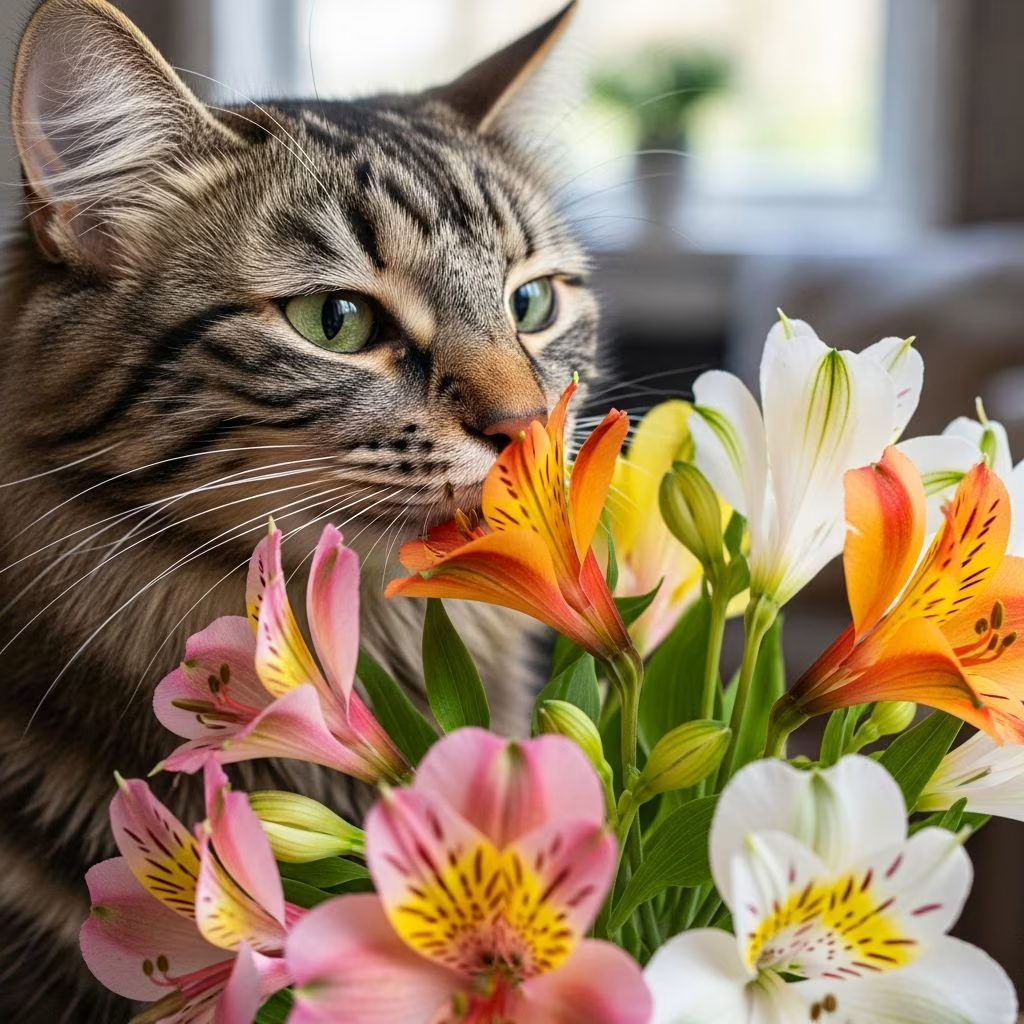
Alstroemeria, commonly called Peruvian lily, is considered non-toxic to cats by the ASPCA, but other sources note potential for mild gastrointestinal upset or skin irritation if ingested or contacted extensively.
Understanding Alstroemeria’s Profile
These vibrant flowers feature speckled petals in shades of pink, orange, yellow, and white, thriving in gardens and bouquets for their long vase life. Botanically distinct from true lilies in the Lilium genus, Alstroemeria belongs to its own family and lacks the nephrotoxins that make Lilium species deadly to felines.
Cat owners often encounter these blooms in floral arrangements, drawn by their durability and beauty. While appealing, vigilance remains key since cats may nibble plants out of curiosity, especially young or indoor-only pets.
The Real Dangers: True Lilies to Avoid
True lilies pose severe threats, capable of inducing acute kidney failure from minimal exposure—even pollen grooming or vase water sipping. Key toxic varieties include:
- Easter Lily (Lilium longiflorum): Highly lethal, even small amounts devastate kidneys.
- Tiger Lily (Lilium tigrinum): Causes rapid toxicity progression.
- Asiatic Lily hybrids: All forms extremely hazardous.
- Daylilies (Hemerocallis spp.): Common in yards, fully poisonous.
- Stargazer and Oriental Lilies: Popular cuts that endanger cats.
- Lily of the Valley: Triggers heart issues beyond renal failure.
- Gloriosa/Flame Lily: Leads to multi-organ collapse.
Distinguish these from Alstroemeria by leaf structure—true lilies have long, smooth leaves, while Peruvian lilies show twisted, shorter foliage.
Potential Effects of Alstroemeria on Cats
Unlike deadly lilies, Alstroemeria contains tulipalin A, prompting mild reactions rather than organ failure. Possible outcomes from chewing or rubbing include:
- Drooling or oral discomfort
- Vomiting or loose stools
- Skin redness or itching from sap contact
Symptoms typically resolve without intervention, but monitor closely. Large ingestions amplify risks, though fatalities are unreported.
| Plant Type | Toxicity Level to Cats | Primary Risks | Safe Handling |
|---|---|---|---|
| True Lilies (Lilium spp.) | Highly Toxic | Kidney failure, death | Avoid entirely |
| Daylilies (Hemerocallis) | Highly Toxic | Renal damage | Remove from home/garden |
| Alstroemeria (Peruvian Lily) | Mildly Irritating | GI upset, dermatitis | Supervise access |
| Lily of the Valley | Highly Toxic | Cardiac toxicity | Never introduce |
Spotting and Responding to Exposure
Watch for early signs like lethargy, appetite loss, or pawing at the mouth post-exposure. For suspected true lily contact, rush to a vet—delays doom kidneys. Alstroemeria cases warrant observation; call if vomiting persists over 24 hours or worsens.
Immediate steps:
- Prevent further access: Isolate plant, rinse cat’s mouth gently with water.
- Document: Note plant type, amount ingested, timing.
- Seek pro help: Contact ASPCA Poison Control or vet; bring plant sample if possible.
Activated charcoal or anti-nausea meds may aid mild cases, but diagnostics like bloodwork ensure no hidden issues.
Creating a Cat-Safe Floral Oasis
Opt for verified non-toxic blooms to enjoy greenery worry-free. Top choices:
- Orchids (Phalaenopsis): Elegant, zero toxicity risk.
- Roses: Petals safe; trim thorns to prevent scratches.
- Sunflowers: Cheerful and harmless in moderation.
- Snapdragons: Vibrant spikes cats ignore.
- Statice: Bouquet filler safer than baby’s breath.
Avoid bouquet fillers like baby’s breath (Gypsophila), which induces vomiting. Elevate arrangements or use hanging planters to deter nibbling.
Preventive Strategies for Plant-Loving Homes
Proactive measures safeguard both plants and pets:
- Research before buying: Use ASPCA’s plant list.
- Garden wisely: Fence off hazardous areas if outdoor cats roam.
- Train gently: Deter with citrus sprays or foil barriers.
- Supply alternatives: Cat grass or catnip divert attention.
- Emergency prep: Keep vet contacts handy, stock pet first-aid kit.
Indoor cats face amplified risks from limited stimuli—enrich environments with safe toys and perches.
Insights from Veterinary Experts
Vets emphasize lily confusion as a top poisoning cause, urging photo identification for swift action. Online services like tele-vet platforms offer rapid consults when clinics close. Recent data underscores prevention’s role, with most incidents tied to household flowers.
Frequently Asked Questions
Is Alstroemeria completely safe for cats?
ASPCA deems it non-toxic, but mild stomach or skin issues possible from large amounts.
What if my cat ate a true lily?
Seek emergency care immediately—kidney failure sets in fast.
Can cats get sick from lily pollen?
Yes, grooming pollen off fur triggers toxicity in true lilies.
Are there lilies safe for cats?
No true lilies; stick to non-Lilium like Alstroemeria with caution.
How to clean sap from cat fur?
Wipe with damp cloth, mild soap; monitor for irritation.
Long-Term Home Plant Management
Building a resilient routine involves seasonal checks: Spring gardens demand lily scans, holidays prompt bouquet vetting. Educate family—kids often gift risky flowers unwittingly. Apps tracking pet-safe plants aid quick references.
Hybrid approaches blend deterrence and substitution: Place Alstroemeria high, surround with cat-repellent herbs like lavender (safe in small doses). Track exposures in a pet journal for pattern spotting.
Community forums echo successes with vertical gardens, confining risks skyward. Vets report fewer incidents among informed owners, validating education’s power.
References
- Is Alstroemeria Toxic to Cats? Vet-Approved Advice – Catster — Catster. 2023-10-01. https://www.catster.com/cat-health-care/is-alstroemeria-toxic-to-cats/
- Are Alstroemeria Flowers Poisonous to Cats? – Bloom & Wild — Bloom & Wild. 2024-05-15. https://www.bloomandwild.com/the-blog/alstroemeria-cats-are-they-poisonous
- Dangerous Beauty: Lilies Can Kill Cats — Metairie Small Animal Hospital. 2023-08-20. https://www.msah.com/blog/dangerous-beauty-lilies-can-kill-cats
- 10 Safe Flowers for Cats (That Look Like Lilies) & Toxic Warnings — LadyNPet. 2024-02-10. https://ladynpet.com/us/blog/flowers-safe-for-cats/
- Are Peruvian Lilies Poisonous? – Plant Addicts — Plant Addicts. 2023-11-05. https://plantaddicts.com/are-peruvian-lilies-poisonous/
- Peruvian Lily – Toxic and Non-toxic Plants – ASPCA — ASPCA. 2024-01-12. https://www.aspca.org/pet-care/aspca-poison-control/toxic-and-non-toxic-plants/peruvian-lily



