

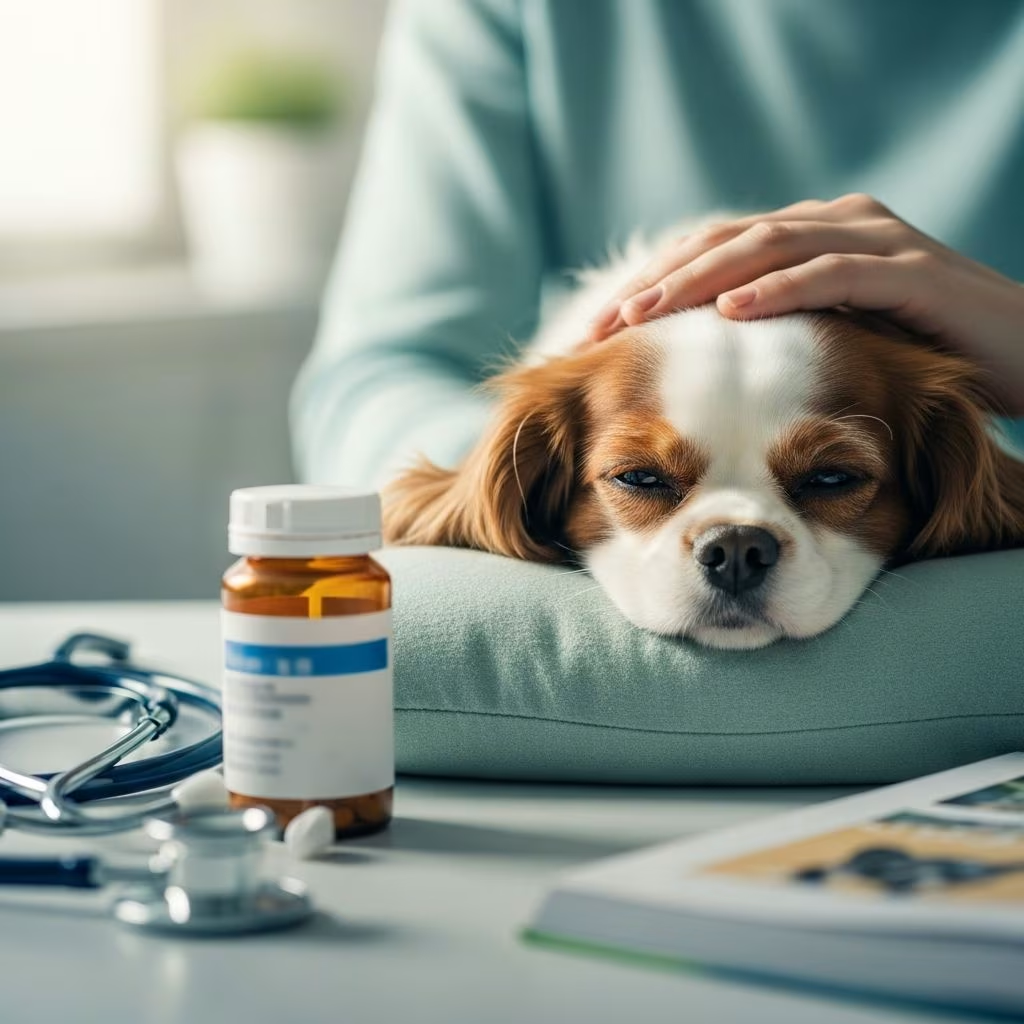
Alprazolam for Dogs and Cats: A Complete Guide
Alprazolam, commonly known by the brand name Xanax, is a prescription medication that veterinarians often prescribe to help pets manage anxiety, fear, and stress-related behaviors. While originally developed for human use, this medication has become an important tool in veterinary medicine for addressing behavioral concerns in both dogs and cats. Understanding how alprazolam works, when it’s appropriate to use, and how to administer it safely is essential for pet owners considering this treatment option.
What Is Alprazolam?
Alprazolam is a prescription medication classified as a benzodiazepine tranquilizer. In human medicine, it is primarily used to treat anxiety disorders and panic attacks. In veterinary practice, veterinarians prescribe alprazolam off-label to manage various anxiety-related conditions and behavioral issues in pets. Although alprazolam is not FDA-approved specifically for animal use, veterinarians may legally prescribe it under the extra-label drug use allowance, provided they follow specific regulatory guidelines and have a valid veterinarian-client-patient relationship.
Why Is Alprazolam Used in Veterinary Medicine?
Behavioral problems and anxiety-related issues represent a significant portion of veterinary visits. Many pet owners struggle with their animals’ stress responses to environmental triggers, and untreated anxiety can lead to serious consequences, including behavioral deterioration and, in severe cases, animal relinquishment. As veterinary medicine increasingly recognizes the importance of mental health in pets, alprazolam has become a valuable component of comprehensive treatment plans that combine medication with behavioral modification and training.
Common Uses of Alprazolam in Dogs
Alprazolam in dogs is primarily used to address anxiety-related conditions and fear responses. The most common applications include:
– Storm or noise phobias, particularly thunderstorm and firework anxiety- Separation anxiety when pets experience distress from being alone- Travel anxiety, including anxiety related to car rides and transportation- Fear associated with veterinary visits and medical procedures- Generalized anxiety disorder- Muscle relaxation and mild sedation when needed
Common Uses of Alprazolam in Cats
Cats present unique behavioral challenges, and alprazolam serves several purposes in feline medicine:
– Situational anxiety during veterinary visits and travel- Fear-based aggression and defensive behaviors- Appetite stimulation in certain medical conditions- Management of irritable bowel syndrome in some cases- Muscle spasms or seizure activity in rare situations
The calming and muscle-relaxing properties of alprazolam make it suitable for combination therapy with other treatments addressing behavioral or neurological concerns.
How Alprazolam Works
Alprazolam functions by working in the brain to reduce fear responses and promote relaxation. The medication helps calm nervous system activity, which reduces anxiety and can lower the likelihood of seizures. While the exact mechanism remains not completely understood, the drug’s anti-panic, anti-anxiety, and amnesic properties make it particularly effective for treating fear-related disorders. In cats especially, alprazolam represents an improvement over older benzodiazepines like diazepam because it lasts longer and is much less likely to cause liver damage, making it more practical for long-term use.
Alprazolam Dosage Guidelines
Proper dosing is critical to ensure safety and effectiveness. Always follow your veterinarian’s specific instructions, as dosage varies based on individual pet weight, medical condition, and response to the medication.
Dosage for Dogs
Typical dose: 0.01 to 0.05 mg per pound of body weight, or approximately 0.02 to 0.1 mg/kg
Frequency: Every 6 to 12 hours as needed
Form: Oral tablet or liquid solution
The following chart provides general guidelines for typical alprazolam dosages in dogs by weight:
| Dog Weight (lbs) | Typical Dosage Range (mg) |
|---|---|
| 10 lbs | 0.1 – 0.5 mg |
| 20 lbs | 0.2 – 1.0 mg |
| 40 lbs | 0.4 – 2.0 mg |
| 60 lbs | 0.6 – 3.0 mg |
| 80 lbs | 0.8 – 4.0 mg |
These are general guidelines only. Your veterinarian will determine the appropriate dose for your specific dog based on their individual health status and response to treatment.
Dosage for Cats
Typical dose: 0.125 to 0.25 mg per cat
Frequency: Every 8 to 12 hours as needed
Form: Oral tablet or compounded liquid
Some sources recommend a lower range of 0.0675 to 0.125 mg every 12 to 24 hours for cats. Because cats are significantly more sensitive to benzodiazepines than dogs, it is essential to start at the lower end of the dosing range and carefully monitor for side effects. Your veterinarian may adjust the dose based on your cat’s response.
How to Administer Alprazolam
Alprazolam is administered orally and can be given with or without food. If your pet experiences vomiting after taking the medication, try administering the next dose with food or a treat. Should vomiting continue despite food administration, contact your veterinarian immediately. The medication typically begins working within one to two hours of administration, making it suitable for both preventive use before anticipated stressful situations and reactive treatment during acute anxiety episodes.
Potential Side Effects
While alprazolam is generally well-tolerated in pets, it can produce side effects in some animals. Understanding these potential reactions helps pet owners recognize when additional veterinary attention may be needed.
Common Side Effects
The most frequent side effect observed in both dogs and cats is sleepiness or sedation. Pets receiving alprazolam may appear drowsy, lethargic, or less responsive than usual. This effect typically diminishes as the body adjusts to the medication.
Behavioral Changes
In some cases, alprazolam can produce unexpected behavioral responses. Rather than calming an anxious pet, the drug may occasionally cause hyperactive behavior or increased agitation—essentially the opposite of the intended effect. In cats specifically, behavioral changes may include increased irritability, unusual affection, or depression. These reactions warrant immediate veterinary consultation.
Appetite Changes
Alprazolam may increase appetite, particularly in cats. While this can be beneficial in certain medical situations, pet owners should monitor eating habits and adjust diet portions accordingly to prevent unwanted weight gain.
Rare but Serious Considerations
Although not reported specifically with alprazolam, related benzodiazepines have rarely caused liver problems in cats. Pet owners should watch for signs of liver dysfunction, including yellowing of the eyes or gums, loss of appetite, or extreme tiredness, and contact their veterinarian immediately if these symptoms appear.
When NOT to Use Alprazolam
Alprazolam is not appropriate for all pets. Your veterinarian will avoid prescribing this medication if your pet has any of the following conditions or circumstances:
– Known allergies to benzodiazepines or alprazolam specifically- Glaucoma- Severe liver disease or kidney disease- Neuromuscular disorders- Pregnancy or nursing status (unless specifically directed by a veterinarian)- Respiratory depression or severe respiratory disease
Drug Interactions
Alprazolam can interact with various other medications and supplements. Before starting your pet on alprazolam, provide your veterinarian with a complete list of all current medications, including:
– Other central nervous system depressants (which can increase sedation)- Digoxin- Phenytoin- Theophylline- Any other prescription medications or over-the-counter supplements
Your veterinarian will review these interactions and adjust treatment plans accordingly to ensure your pet’s safety.
Important Safety Considerations
Several important safety factors should guide the use of alprazolam in pets:
Risk Factors and Special Precautions
Use alprazolam with caution in older or debilitated animals, pets with liver or kidney disease, and those with certain types of glaucoma. Working dogs, including military, police, service, and hearing assistance dogs, should receive alprazolam cautiously, as excessive sedation can impair their ability to work and learn critical tasks.
Withdrawal Symptoms
Discontinuing alprazolam abruptly may lead to unpleasant withdrawal symptoms. Always work with your veterinarian to develop an appropriate tapering schedule when discontinuing the medication, rather than stopping suddenly.
Controlled Substance Status
Alprazolam is a controlled substance, and there is a potential for dependence with frequent or long-term use. Your veterinarian will monitor usage patterns and adjust treatment frequency to minimize this risk.
Test Dose Administration
Your veterinarian may recommend supervising a test dose to ensure your pet is not over-tranquilized or exhibiting unusual behavioral responses before administering larger doses at home.
Combining Alprazolam with Behavioral Modification
The most effective results with alprazolam and other behavioral medications are achieved through simultaneous use of behavior modification training and environmental management. Medication alone is not a cure-all for anxiety and fear-based behaviors. Instead, alprazolam works best as part of a comprehensive treatment approach that includes professional training, environmental modifications, and gradual desensitization to anxiety triggers. Your veterinarian can recommend qualified animal behaviorists or trainers to work alongside medication therapy.
Available Forms and Storage
Alprazolam is available in several tablet strengths, including 0.25 mg, 0.5 mg, 1 mg, and 2 mg formulations. For pets requiring smaller doses or having difficulty swallowing tablets, veterinarians can compound alprazolam into liquid solutions. Store alprazolam according to package directions, typically at room temperature away from moisture and light. Keep the medication out of reach of children and other pets.
Frequently Asked Questions
Q: Is alprazolam FDA-approved for use in pets?
A: No, alprazolam is not FDA-approved specifically for animal use. However, veterinarians may legally prescribe it off-label for pets under extra-label use guidelines, meaning it is FDA-approved for humans but can be used in animals with proper veterinary supervision and a valid veterinary-client-patient relationship.
Q: How quickly does alprazolam work?
A: Alprazolam typically begins working within one to two hours of administration, making it suitable for both preventive use before anticipated stressful events and reactive treatment during acute anxiety episodes.
Q: Can I give alprazolam to my pet without food?
A: Yes, alprazolam can be given with or without food. However, if your pet vomits after taking the medication, try administering the next dose with food or a treat to improve tolerance.
Q: Why is the dosage for cats lower than for dogs?
A: Cats are significantly more sensitive to benzodiazepines than dogs. This heightened sensitivity requires lower doses to prevent excessive sedation and other adverse effects while still achieving therapeutic benefits.
Q: Can alprazolam be used for long-term anxiety management?
A: While alprazolam can be used for both short-term situational anxiety and longer-term management, your veterinarian will monitor usage patterns due to the potential for dependence with frequent use. The medication is often most effective when combined with behavioral modification and environmental management strategies.
Q: What should I do if I miss a dose?
A: If you miss a dose of alprazolam, give it as soon as you remember. However, if it is almost time for the next scheduled dose, skip the missed dose and resume your regular dosing schedule. Do not double-dose to make up for a missed dose.
Q: Are there any alternatives to alprazolam for pet anxiety?
A: Yes, several alternatives exist for managing pet anxiety, including other medications like fluoxetine or trazodone, as well as non-pharmaceutical approaches such as behavior modification, environmental modifications, calming supplements, and professional training. Your veterinarian can discuss which options are most appropriate for your pet’s specific situation.
When to Contact Your Veterinarian
Contact your veterinarian immediately if your pet experiences any of the following while taking alprazolam:
– Severe drowsiness or inability to wake- Aggressive or unusually irritable behavior- Loss of appetite lasting more than a day- Yellowing of eyes or gums- Difficulty breathing- Vomiting or diarrhea- Unusual behavior or tremors- Signs of allergic reaction such as hives or facial swelling
Conclusion
Alprazolam can be a valuable tool in managing anxiety and stress-related behaviors in dogs and cats when used appropriately under veterinary supervision. The medication’s anti-anxiety properties, combined with its rapid onset of action and availability in multiple formulations, make it a practical option for both situational and ongoing anxiety management. However, it is not a standalone solution and works best as part of a comprehensive treatment plan that includes behavioral modification, environmental management, and professional training. Always consult your veterinarian to determine whether alprazolam is the right option for your pet, and work together to establish the correct dosage and monitoring schedule. With proper use and professional guidance, alprazolam can significantly improve your pet’s quality of life and overall well-being.
References
- Alprazolam (Xanax) for Dogs & Cats: Dosage, Side Effects & Safety — PetPlace. Retrieved from https://www.petplace.com/article/drug-library/drug-library/library/alprazolam-xanax-for-dogs-and-cats
- Alprazolam for Pets — GoodRx. Retrieved from https://www.goodrx.com/alprazolam/what-is/pets
- Alprazolam (Xanax) — Sand Creek Animal Hospital. Retrieved from https://sandcreekanimalhospital.com/blog/alprazolam-xanax/
- Alprazolam – Client Information Leaflet — Woodward Veterinary Surgeons. Retrieved from https://www.woodward-vets.co.uk/images/downloads/medication-leaflets/Alprazolam.pdf
- Alprazolam (Xanax) — The Cat Doctor. Retrieved from https://thecatdoctor.co.uk/medications/alprazolam-xanax/



